

At a glance
The Adachi Museum of Art in Yasugi showcases Japan's artistic heritage through rotating exhibitions and meticulously maintained gardens. This world-renowned museum combines traditional Japanese garden design with an extensive collection of ceramics and paintings, offering visitors a seamless blend of indoor and outdoor artistic appreciation.
Photographs
Adachi Museum of Art
In rural Shimane Prefecture, the Adachi Museum of Art is often described as one of the most visually captivating museums in Japan, not just for its renowned collection of modern Japanese art, but for its gardens that are art in themselves. The museum was founded by Adachi Zenko, a businessman with a deep reverence for both painting and landscape. His vision was simple but ambitious: to create a space where Japanese art and gardens could exist in harmony, enhancing one another.
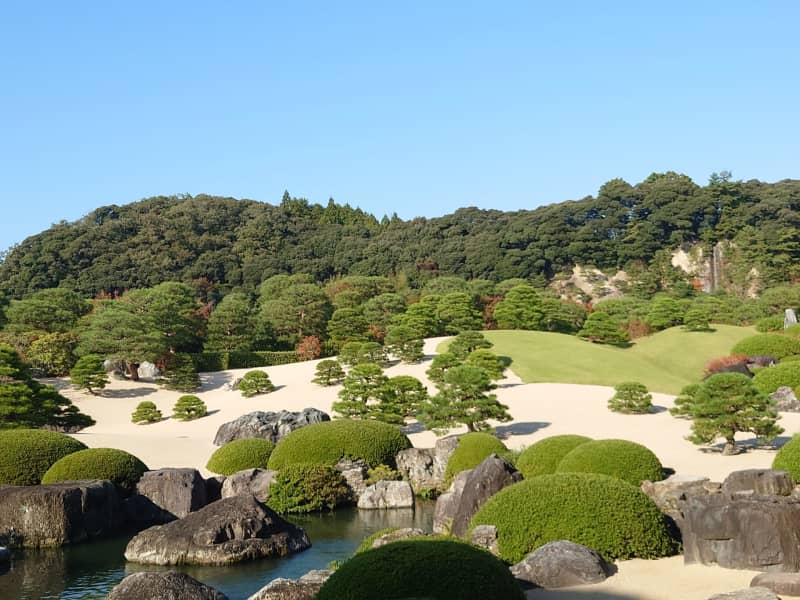
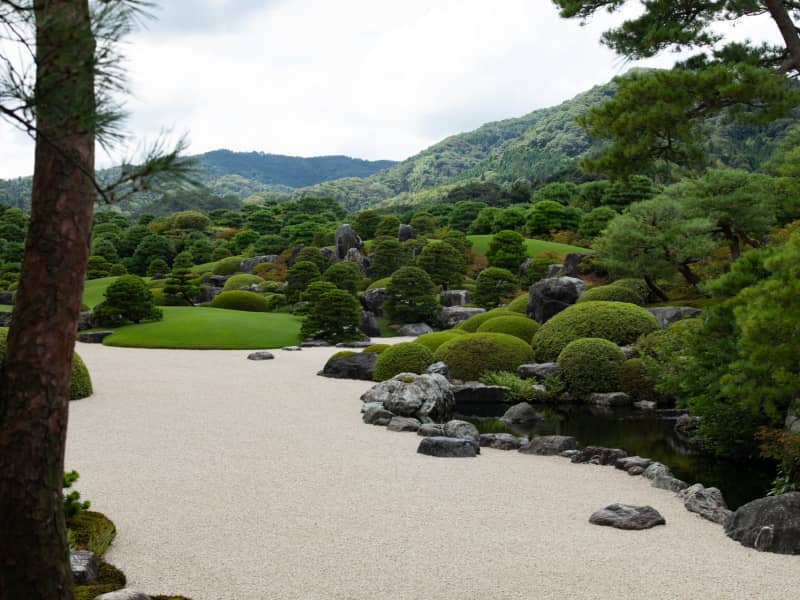
The grounds are home to several immaculately curated gardens, including a dry landscape garden, moss garden, and the stunning white gravel and pine garden. These aren’t just background scenery but are the soul of the museum. Every angle is calculated. Every pine needle is groomed. And every window in the building is deliberately positioned to frame these living landscapes like paintings. The concept of shakkei (borrowed scenery) plays a central role here, with distant mountains and skies blending seamlessly into the garden compositions. As the seasons shift, fiery autumn leaves, fresh green spring, soft snow in winter, the gardens become entirely new artworks.
Inside, the museum houses one of the finest collections of modern Japanese nihonga (Japanese-style painting), led by a major selection of works by Yokoyama Taikan, known for his atmospheric brushwork and influence on modern Japanese art. You’ll also find ceramics by Kitaoji Rosanjin, along with paintings by Uemura Shoen, Takeuchi Seiho, and more. The curation focuses not on volume but on emotional and aesthetic resonance, works that feel timeless, yet uniquely Japanese.
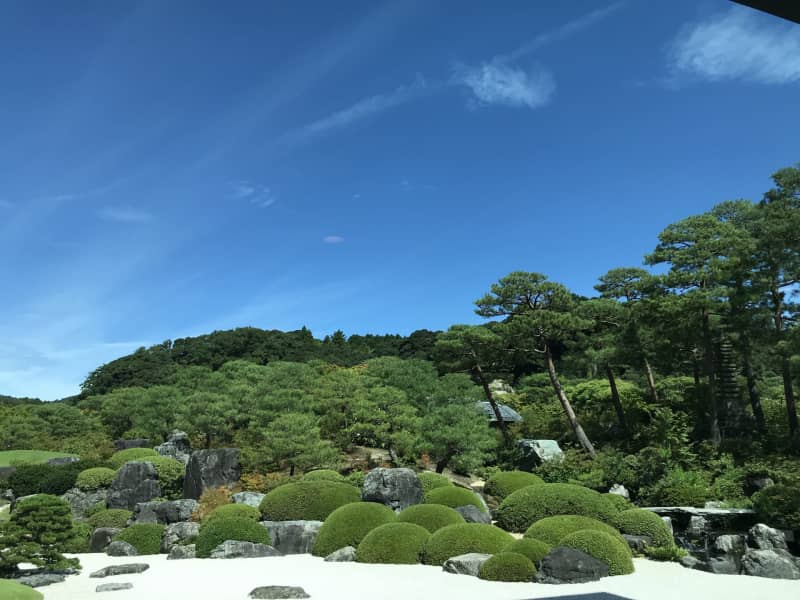

What really sets the Adachi Museum apart is how effortlessly it connects art and nature. Whether you’re gazing at a screen painting or sipping matcha in the café overlooking the main garden, it’s all part of the same visual and spiritual rhythm. The museum doesn’t allow photography inside the galleries or garden areas, but the beauty lives in your memory. It’s not a place to snap photos, it’s a place to slow down and truly see.
Before you go
Entry is ¥2,500 for adults, with discounts for students, children, and international visitors who show a passport. The museum is fully accessible, with wheelchairs and strollers available, and free parking on-site. Photography of the gardens is allowed from designated areas, but no photos, tripods, or sketching are permitted in the galleries. Visitors can’t walk through the gardens, they’re meant to be viewed from inside like framed artwork. The museum includes two peaceful cafés and clean, modern restrooms. Expect a calm, respectful atmosphere, and note that re-entry isn’t allowed once you exit.
The museum is open every day of the year, including year‑end and New Year holidays. Only the Annex gallery closes periodically for exhibit rotation check official website for details of the Annex gallery.
When to go
The garden's appearance transforms dramatically with each season, making it worth visiting multiple times throughout the year. Spring and autumn offer particularly stunning views with cherry blossoms and vibrant fall foliage enhancing the meticulously maintained landscapes. Early morning visits between 9:00-10:00 AM provide the most serene atmosphere for appreciating the gardens and art collections. Weekday afternoons typically see fewer visitors, allowing for a more relaxed viewing experience of both the indoor galleries and outdoor spaces.
Average crowd levels throughout the day, based on historical data.
Public review summary
Visitors consistently praise the meticulously maintained gardens, which are considered the museums crown jewel. The harmonious blend of traditional Japanese landscaping and borrowed scenery draws particular admiration. While the art collection receives positive feedback, some note the high admission fee. Several reviews mention crowding issues during peak hours and suggest visiting early. The cafe earns praise for its garden views, though menu options are limited.
What you'll find here
Location & access
- DirectionsAddress
320 Furukawacho, Yasugi, Shimane 692-0064, Japan
- How to get there
By Public Transportation: Take a JR express train from Matsue or Yonago to JR Yasugi Station (roughly 15-24 minutes). From there, a free shuttle bus runs to the museum about every 30 minutes, first‑come, first‑served, with baggage limits if crowded. Taxi from the station is about 15 minutes.
By Car: Exit the San’in Expressway at Yasugi IC and drive about 5 km (roughly 10 minutes). Turn left at the fifth traffic light after the IC and continue straight. Free parking is available: spaces for around 400 cars and 30-40 buses, including designated spots for visitors with disabilities .
Common questions
Can I take photos in the Adachi Museum of Art?
Photography is allowed in the gardens and outdoor areas, but most artworks inside the museum buildings are not permitted to be photographed. Some areas have special photo spots where you can frame garden views to look like paintings.
Is there a shuttle service to the museum?
Yes, a free shuttle bus service operates between JR Yasugi Station and the Adachi Museum of Art. When returning, you'll need to get a ticket at the museum's ticket gate to present to the bus driver.
What are the garden viewing spots like?
The museum features multiple viewing areas of the gardens through large glass windows, including dedicated observation points and cafe spaces. The gardens are designed to be viewed from specific angles that frame the scenery like living paintings.
Are there discounts available on admission?
Several discount options are available including group rates and discounts for visitors with disabilities. Purchasing tickets at nearby convenience stores like Lawson can also provide a small discount off the regular admission price.
What amenities are available at the museum?
The museum offers several amenities including a restaurant, multiple cafes serving drinks and light refreshments, wheelchair accessible facilities, free parking, and gift shops selling art prints and museum merchandise.

Bring this spot to life with a local photographer
Book a vetted local photographer who knows the best light, angles, and timing for this location.