

At a glance
Ainokura Village is a UNESCO World Heritage Site in Nanto, Toyama Prefecture, featuring approximately 20 traditional gassho-zukuri thatched-roof houses nestled in the mountains. Unlike more commercialized heritage sites, this working village maintains an authentic atmosphere where locals continue traditional lifestyles. Visitors can explore the compact settlement on foot, tour select houses for a fee, enjoy an observation deck with panoramic views, and experience traditional washi papermaking workshops while respecting the privacy of residents.
Photographs
Ainokura Village
Ainokura Village showcases approximately 20 traditional gassho-zukuri thatched-roof houses nestled in the mountains of Nanto City, Toyama Prefecture. Designated as a UNESCO World Heritage Site in 1995 alongside Shirakawa-go, this living settlement preserves centuries-old architectural techniques where steep thatched roofs withstand heavy snowfall. Unlike more commercialized heritage sites, Ainokura remains an authentic working village where residents maintain their daily lives among these historic structures.


Visitors can explore the compact settlement on foot, discovering houses that function as private residences, traditional guesthouses called minshuku, and small museums. Several buildings open their interiors for tours, revealing the ingenious gassho-zukuri construction where beams join without nails. A short walk from the parking area leads to an observation deck offering panoramic views of the entire village against its mountain backdrop. The peaceful atmosphere allows for leisurely photography and appreciation of rural Japanese architecture.
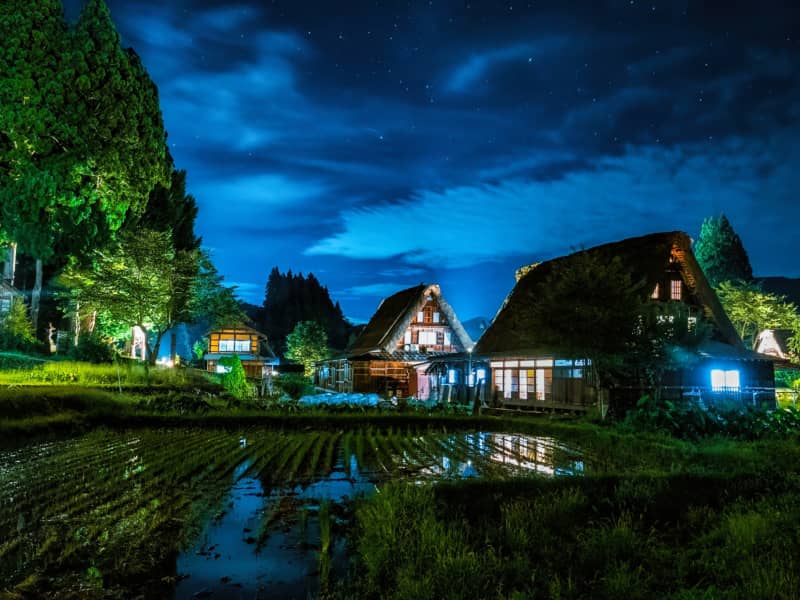

The village provides cultural experiences including traditional washi papermaking workshops and opportunities to stay overnight in gassho-zukuri guesthouses. With fewer tourists than neighboring heritage sites, Ainokura maintains its tranquil mountain village character throughout the year, offering visitors an intimate glimpse into traditional Japanese mountain life and architectural heritage.
Before you go
Entry to Ainokura Village itself is free, although admission fees apply for certain museums, cultural facilities, and workshops. The village is compact and easily explored on foot, but comfortable walking shoes are recommended as some paths are uneven and gently sloped. Public toilets, souvenir shops, cafés, and traditional minshuku are available within the village. English information is limited but basic signage is available at major points. Please remember that many buildings are private homes, so remain on designated paths and avoid entering residential properties without permission. Tripods are generally acceptable outdoors if they do not obstruct pathways or disturb residents and other visitors.
Ainokura Village is open year-round and may be visited at any time. Museums, workshops, restaurants, and souvenir shops generally operate during daytime hours and may close on irregular days or during severe winter weather. Some facilities reduce operating hours during the off-season.
When to go
Winter transforms Ainokura Village into a magical snow-covered landscape, making it the most photogenic season when thatched roofs display dramatic white caps against the mountain backdrop. Autumn brings vibrant foliage and comfortable temperatures, while summer offers lush greenery and the opportunity to witness traditional farming activities in the surrounding rice paddies. Arriving right at the 8:30 AM opening ensures easy parking and allows you to explore before tour buses arrive mid-morning. Weekdays, particularly Wednesday through Friday, offer the most peaceful experience with significantly fewer visitors than weekends and public holidays.
Average crowd levels throughout the day, based on historical data.
Public review summary
Visitors consistently praise the peaceful, authentic atmosphere compared to more commercialized heritage sites. Many appreciate fewer crowds allowing leisurely exploration and genuine cultural experiences. The scenic observation deck receives enthusiastic mentions. Some note limited dining options and higher parking fees. Winter snow scenes draw special acclaim though driving conditions prove challenging. The intimate village scale satisfies most within an hour.
What you'll find here
Location & access
- DirectionsAddress
Ainokura, Nanto, Toyama 939-1915, Japan
- How to get there
By Public Transportation:
From JR Shin-Takaoka Station, take the JR Johana Line to Johana Station, then transfer to the Kaetsuno World Heritage Bus bound for Ainokura. The bus journey takes approximately 25 to 30 minutes. Direct highway buses from Kanazawa also connect to the Gokayama area during selected seasons.
By Car:
Ainokura Village is about 15 minutes from the Gokayama IC on the Tokai-Hokuriku Expressway. It can also be reached in around one hour from Kanazawa or Toyama City. Paid visitor parking is available near the village entrance, followed by a short walk into the settlement.
Common questions
What is Ainokura Village known for?
Ainokura Village is a UNESCO World Heritage Site in Nanto City, Toyama Prefecture, featuring traditional Gassho-zukuri thatched-roof houses. The village preserves approximately 20 historic structures, some dating back centuries, and offers visitors a glimpse into traditional Japanese mountain village life in this well-preserved heritage preservation site.
Is there a fee to visit Ainokura Village?
Entry to Ainokura Village itself is free, but parking costs 1,000 yen. Some individual Gassho-zukuri houses that are open for interior tours charge separate admission fees of approximately 500 yen for adults and 300 yen for children. Most residents still live in these traditional houses.
How do I get to Ainokura Village?
From Fukumitsu Interchange on the Tokai-Hokuriku Expressway, Ainokura Village is 16.5 km away, approximately 20 minutes by car. By public transportation, take the World Heritage Bus from JR Johana Station for 25 minutes to Ainokuraguchi bus stop, then walk 500 meters (about 8 minutes) to the village.
What facilities are available at Ainokura Village?
Ainokura Village features wheelchair accessible entrances and parking facilities. The site offers on-site parking with paid parking lots. There are a few souvenir shops and restaurants within the village. The location is family-friendly and suitable for children, with an observation deck accessible by a short walk from the parking area.
Can I stay overnight in Ainokura Village?
Yes, some of the Gassho-zukuri houses operate as minshuku (traditional Japanese guesthouses) where visitors can stay overnight. Staying in the village allows access after the 5 PM closing time for day visitors and provides an authentic experience of traditional mountain village life with local hospitality and meals included.

Bring this spot to life with a local photographer
Book a vetted local photographer who knows the best light, angles, and timing for this location.