

At a glance
Discover Ainu culture at this traditional lakeside village in Kushiro, featuring authentic craft shops, a theater showcasing indigenous performances, and a museum. Experience traditional woodcarvings, folk art, and Ainu cuisine while exploring the rich heritage of Hokkaido's indigenous people.
Photographs
Ainu Kotan - Ainu Village
Ainu Kotan, nestled along Lake Akan, serves as both a living cultural village and a vibrant marketplace showcasing authentic Ainu craftsmanship. It’s a living cultural settlement where about 120 Ainu people continue traditions and day-to-day life. Founded when Mitsuko Maeda graciously donated land to preserve Ainu heritage, it became a gathering place for families from across Hokkaido to rebuild their home and culture.

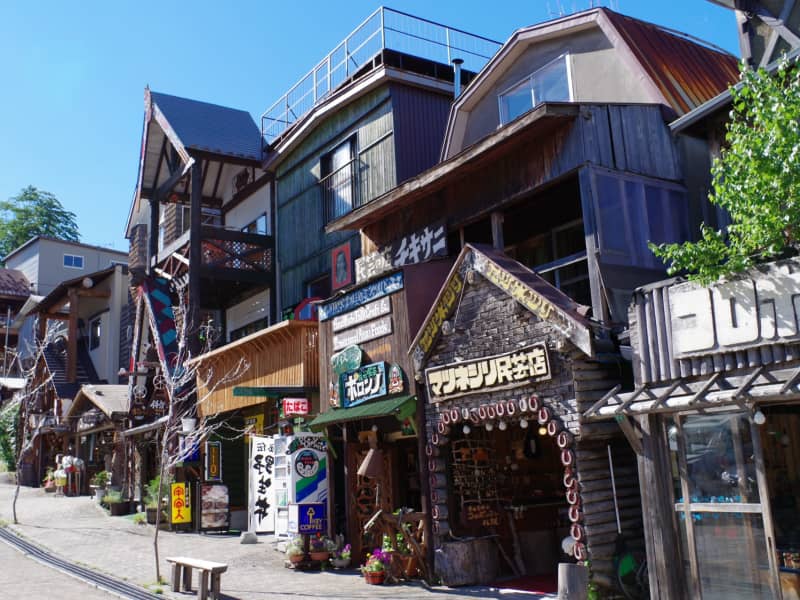

Ainu Kotan is one of the only continually inhabited Ainu village in Japan: a rare, enduring example of indigenous community preserved into the modern era. It showcases how cultural identity can adapt and survive, through craft, ritual, storytelling, and communal life intertwined with Hokkaido’s stunning landscape.
Strolling through the village feels like stepping into a world shaped by spiritual symbolism and artisanal craftsmanship. Everywhere you look, wood carvings, especially owl motifs and carved bears, carry deep cultural meaning and whisper stories of kamuy (spirits) in nature. Inside the craft shops you can watch skilled artisans shaping deer leather, embroidered cloth, and wooden trays right before your eyes.
At the heart of the kotan is Ainu Theater Ikor, Hokkaido’s first Ainu folk dance theater, where visitors can experience UNESCO-recognized traditional Ainu dance performances and music. Performances blend ritual dance, ancient song, and modern artistic elements, including digital projections, creating powerful stories like Lost Kamuy and Fire Kamuy Verse on an open-air stage framed by Lake Akan beyond.


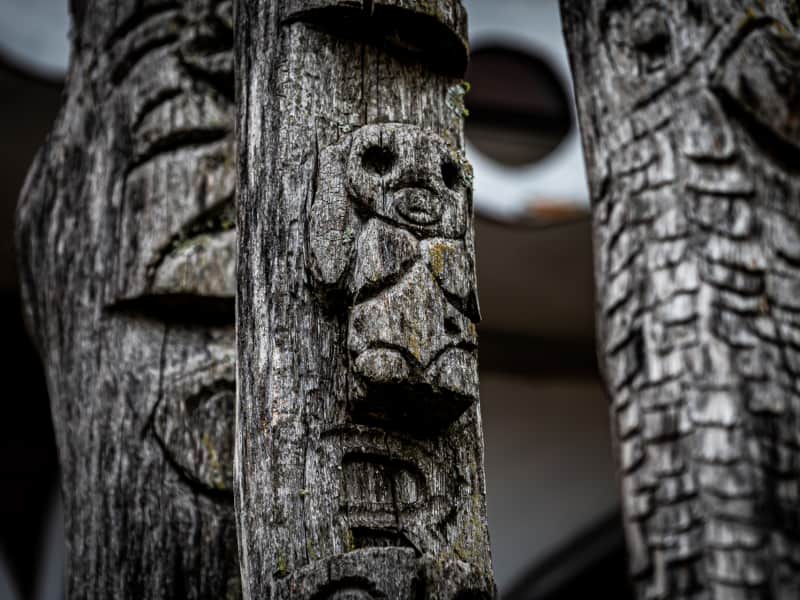
Nearby, the Ainu Life Memorial Hall offers hands-on learning. Here history, traditional clothing, tools like makiri knives, and vital rituals like inau (offering sticks) come alive in a respectful, contextual way. You can also taste Ainu cuisine, like unique wild-plant dishes and fish preparations, at local eateries, where meals are shared with storytelling and a sense of community rooted in nature.
While the kotan has become a popular tourism spot, with souvenir shops lining the pedestrian street, it still retains a sense of sincerity. Many visitors note that it can feel like a tourist area at first glance, but once you delve into the stories and meet local artisans, the depth and spiritual connection shine through.
Before you go
Admission to the Ainu Village is free; some performances (like the Ikor Theatre) charge around ¥1,500. Most shops and facilities run from around 10:00 AM to 10:00 PM, though times can vary, and theaters may close during year‑end and the New Year period. Tripods are usually allowed outdoors but check at each shop or theatre. Many signs and pamphlets are available in English and Traditional Chinese.
Open daily for most of the year, though some shops and the theater close around late December and early January. Some shops have irregular hours but the village itself is open daily.
When to go
Spring and autumn offer the most comfortable weather for exploring the traditional Ainu village and outdoor craft demonstrations. The summer months bring vibrant cultural festivals and outdoor performances, making it an especially engaging time to visit. Early mornings around 9 AM provide the best opportunity to browse craft shops before crowds arrive and enjoy peaceful walks along Lake Akan. Evening visits after 5 PM offer a more relaxed atmosphere with fewer tour groups, though some shops may begin closing.
Average crowd levels throughout the day, based on historical data.
Public review summary
Visitors praise the traditional dance performances and authentic wood carvings while appreciating the cultural insights. The craft shops offer unique handmade items, though prices vary significantly. Some find the modern commercial elements detract from the traditional atmosphere. While the theater shows receive consistent acclaim, guests note limited opportunities to deeply learn about Ainu history and culture.
What you'll find here
Location & access
- DirectionsAddress
4 Chome-7-19 Akancho Akankoonsen, Kushiro, Hokkaido 085-0467, Japan
- How to get there
Public Transportation: From JR Kushiro Station, take a local bus to Lake Akan—about 1 hour and 45 minutes—but buses run infrequently. From Kushiro Airport, a direct bus takes about 1 hour. It’s best to check schedules in advance.
By Car: Driving from Kushiro Station takes around 1 hour 30 minutes (about 74 km) via Route 38 and Route 240. From Kushiro Airport, it’s about 56 km (roughly 1 hour via Route 65 and Route 240). Free parking is available on site.
Common questions
What types of traditional crafts can I find at Ainu Kotan?
The village features numerous shops specializing in traditional Ainu woodcarvings and handicrafts. You'll find wooden sculptures, coasters, keychains, and amulets. Some shops offer handmade items while others sell mass-produced pieces, with prices varying significantly based on craftsmanship.
How do I get from Lake Akan Onsen to Ainu Kotan?
Ainu Kotan is an easy 5-10 minute walk from Lake Akan Onsen area. The village is accessible via a main street lined with souvenir shops. There are two free parking lots available if you're driving, though spaces are limited.
Are there cultural performances at Ainu Kotan?
Yes, the Akanko Ainu Theater Ikor offers traditional Ainu dance performances, which are recognized as a UNESCO intangible cultural heritage. Shows are scheduled throughout the day, with performances typically held at 11:00 and 13:00.
Can I experience authentic Ainu cuisine here?
Several restaurants in Ainu Kotan serve traditional Ainu dishes, including venison soup and mountain vegetable dishes. Note that some restaurants don't display prices outside, and availability may vary depending on the time of day.
What are the must-see attractions in Ainu Kotan?
Key attractions include the Ainu Theater Ikor for traditional performances, the art museum Onnecise, and numerous craft shops. The village is home to about 120 Ainu people and features facilities showcasing Ainu culture, traditions, and craftsmanship.

Bring this spot to life with a local photographer
Book a vetted local photographer who knows the best light, angles, and timing for this location.