

At a glance
Akagi Nanmen Senbonzakura in Maebashi, Gunma is a scenic country road featuring approximately 1,000 cherry trees creating a stunning cherry blossom tunnel during spring. The site also showcases vibrant moss phlox and amaryllis fields that bloom in autumn, alongside canola flowers that complement the cherry blossoms. This free-access attraction operates 24 hours daily and offers wheelchair-accessible facilities with paid parking available.
Photographs
Akagi Nanmen Senbonzakura
Akagi Nanmen Senbonzakura sits on the southern foothills of Mount Akagi, where a long rural road turns into one of Gunma’s most memorable spring scenes. The main avenue stretches for about 1.3 kilometers, forming a soft pink tunnel of Somei Yoshino cherry blossoms when the trees reach full bloom. It is widely recognized as one of Japan’s Top 100 Cherry Blossom Spots, and during the festival season it draws visitors from across the region.

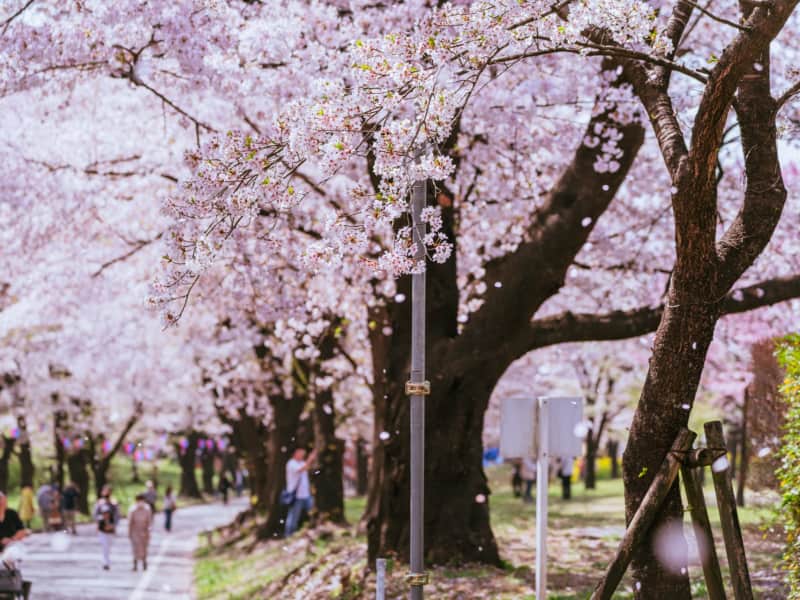
What makes the place feel special is that it was not created as a polished tourist attraction from the start. Local residents planted the cherry trees in the late 1950s as part of a greening project, and the area has been carefully maintained ever since. Next to the main road, Miyagi Senbonzakura no Mori adds another layer of beauty with dozens of cherry varieties, moss phlox, and seasonal flowers that keep the landscape colorful even after the main sakura peak has passed.
In early to mid-April, the combination of pale cherry blossoms, yellow nanohana [菜の花], and the open countryside creates the kind of view that feels almost too simple to be real. The annual Akagi Nanmen Senbonzakura Festival brings food stalls, local products, stage performances, and evening light-ups, giving the area a lively but still relaxed hanami atmosphere. After the Somei Yoshino fade, late-blooming cherry trees, moss phlox, and later seasonal flowers such as azaleas and higanbana [彼岸花] continue to give visitors a reason to return.


For photography, the classic shot is looking straight down the cherry tunnel, especially in the morning when the light is softer and the crowds are thinner. Wider compositions work beautifully when the nanohana fields are in bloom, while the evening illumination adds a more dramatic mood during festival dates. The area is popular, so tripod use is best kept considerate and compact, especially on narrow paths or during peak festival hours.
Before you go
Entry is free. The walking path is mostly flat and paved, making it accessible for wheelchairs and strollers, though it can get crowded during peak bloom. There are multiple parking areas (some paid during festival season), clean public toilets, vending machines, and rest spots with benches. Food stalls operate during the festival, but eating while walking is discouraged, with designated areas provided. Tripods are generally allowed but should be used considerately due to narrow paths and crowds. No major lockers or Wi-Fi facilities are available, so plan accordingly.
The area is open year-round with no fixed closing hours, though facilities and parking operate on seasonal schedules. During the Akagi Nanmen Senbonzakura Festival (typically early to mid-April), stalls and lighting events run from morning until evening, with illuminations usually starting after sunset.
When to go
Mid-April marks peak season when over 1,000 Somei Yoshino cherry trees create a spectacular pink tunnel along this scenic road. Late April through early May offers a second wave of beauty with vibrant moss phlox carpets and golden canola flower fields, while autumn brings colorful amaryllis blooms to the same landscape. Weekday mornings before 9AM provide the most peaceful experience with minimal crowds and easy parking access. Weekend visits require early arrival—ideally before 7AM during cherry blossom season—to secure parking and avoid traffic congestion that can create wait times exceeding one hour during peak bloom periods from late morning through mid-afternoon.
Average crowd levels throughout the day, based on historical data.
Public review summary
Visitors consistently praise the spectacular combination of cherry blossoms and yellow canola flowers creating stunning contrasts. The scenic cherry blossom tunnel and variety of sakura types receive enthusiastic mentions. Some note significant traffic congestion during peak bloom and confusion about optimal timing. Food stalls add festival atmosphere though parking fees of 1000 yen draw mixed reactions. Moss phlox provides extended beauty beyond cherry season.
What you'll find here
Location & access
- DirectionsAddress
2511-2 Naegashimamachi, Maebashi, Gunma 371-0241, Japan
- How to get there
By Public Transportation:
From Maebashi Station, take a local bus bound for the Akagi area (often labeled for Akagi Nanmen Senbonzakura during the festival season). The ride takes about 30 to 40 minutes, followed by a short walk to the main cherry blossom avenue. During peak sakura season, special shuttle buses may operate from nearby stations like Kashiwagura Station on the JR Ryomo Line, making access easier without a car.
By Car:
From central Maebashi, it’s about a 30-minute drive toward the southern slopes of Mount Akagi. Follow signs for Senbonzakura or Akagi Nanmen Park. Multiple parking lots are available near the site, though some may require a fee during the festival period. Arriving early is recommended in peak bloom season, as roads can get congested.
Common questions
What is Akagi Nanmen Senbonzakura famous for?
Akagi Nanmen Senbonzakura is renowned for its spectacular display of approximately 1,000 cherry blossom trees lining a scenic country road. During spring, the Somei Yoshino cherry trees create a stunning pink tunnel, while the site also features canola flowers, moss phlox, tulips, and various cherry blossom varieties from around the world.
Is Akagi Nanmen Senbonzakura accessible for wheelchair users?
Yes, Akagi Nanmen Senbonzakura provides wheelchair accessibility with designated accessible parking and entrance facilities. The walking paths are well-maintained without stairs, though some slopes along the pathways may require assistance due to the location on the southern slopes of Mount Akagi.
When do the cherry blossoms bloom at Akagi Nanmen Senbonzakura?
The cherry blossoms at Akagi Nanmen Senbonzakura typically reach full bloom in early to mid-April, with the annual Cherry Blossom Festival usually held during this period. Visitors can check live camera feeds of the site online to monitor current bloom status before planning their visit.
Are there food options available at the site?
Yes, during the Cherry Blossom Festival period, numerous food stalls and vendors operate throughout Akagi Nanmen Senbonzakura offering local specialties, snacks, and refreshments. A designated eating zone with picnic areas is available, though eating while walking is prohibited on the pathways.
What other flowers can be seen besides cherry blossoms?
Beyond cherry blossoms, Akagi Nanmen Senbonzakura features vibrant displays of yellow canola flowers, pink moss phlox, tulips, and daffodils that bloom during spring. In autumn, fields of amaryllis add seasonal color to the landscape, making the site attractive beyond the traditional cherry blossom season.

Bring this spot to life with a local photographer
Book a vetted local photographer who knows the best light, angles, and timing for this location.