

At a glance
Daigo-ji Temple is a UNESCO World Heritage site in Kyoto featuring Japan's oldest surviving wooden pagoda, expansive gardens, and Buddhist treasures. This historic temple complex showcases classical Japanese architecture, serene pond gardens, and seasonal beauty through cherry blossoms and autumn foliage.
Photographs
Daigo-ji Temple
Daigo-ji Temple, a UNESCO World Heritage site, showcases the remarkable five-story pagoda - Kyoto's oldest surviving wooden structure and a designated National Treasure. The temple complex spans both lowland (Shimo-Daigo) and upland (Kami-Daigo) areas, offering visitors a comprehensive glimpse into centuries of Buddhist architecture and culture.
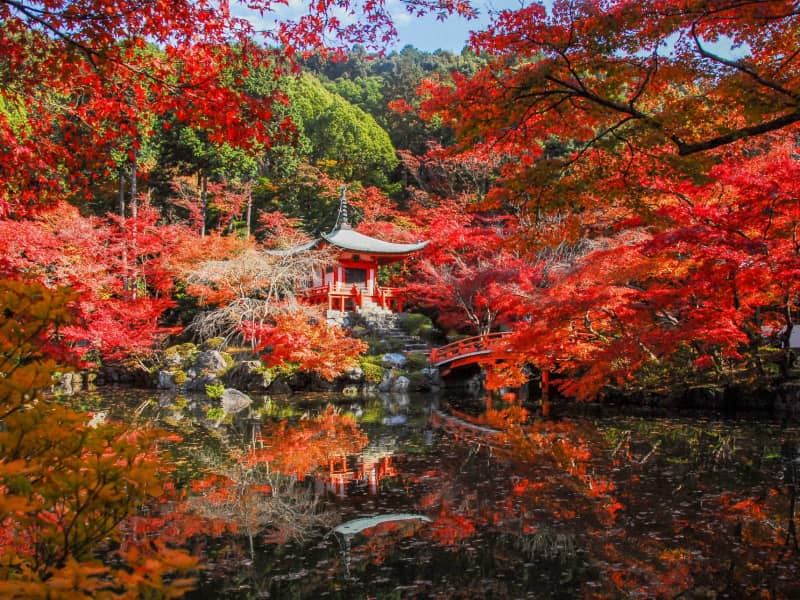


The temple's Sanboin Garden, commissioned by Toyotomi Hideyoshi, remains one of Japan's most significant historical gardens. This masterfully designed landscape incorporates both dry stone and pond gardens, creating a harmonious blend that reflects the sophisticated aesthetics of medieval Japanese garden design.
As the head temple of the Daigo school of Shingon Buddhism, the complex houses numerous National Treasures and Important Cultural Properties. The Reihokan Museum displays precious Buddhist artifacts, while the temple grounds feature spectacular seasonal views, particularly during cherry blossom season when hundreds of cherry trees burst into bloom, continuing a flower-viewing tradition dating back to Hideyoshi's famous hanami parties.


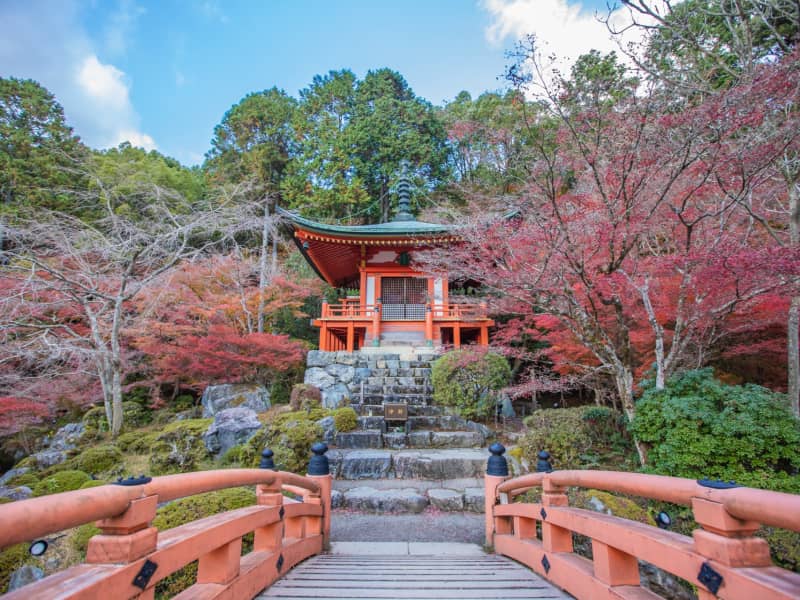
The temple serves as the 11th temple of the Saigoku Kannon Pilgrimage, attracting both religious practitioners and cultural enthusiasts. Its extensive grounds offer wheelchair-accessible areas, though some paths in the mountainous Kami-Daigo section may present challenges for visitors with limited mobility.
Before you go
Shimo-Daigo (Sanbō-in, Garan, Reihōkan) is mostly flat and easy to explore, costing ¥1,500 in spring/autumn and ¥800 in other seasons (discounts for students, free for young children). Kami-Daigo requires a steep one-hour hike and an extra ¥500 fee (or ¥600 standalone). Facilities like restrooms and a small café are near the entrance, but the mountain paths are rugged, so wear good shoes and bring water. Tripods are allowed but impractical on busy or narrow paths. Parking is limited, public transport is recommended.
Daigo-ji is open daily, with hours from 9:00 to 17:00 (last entry 16:30) between March and early December, and 9:00 to 16:30 (last entry 16:00) during winter. Kami-Daigo closes slightly earlier, at 16:00 in spring-autumn and 15:00 in winter. The temple does not have fixed holiday closures, but opening hours may shorten during special events or inclement weather.
When to go
Daigo-ji Temple shines brightest during spring cherry blossom season (late March to early April) and autumn foliage season (mid to late November). The temple grounds feature spectacular weeping cherry trees and vibrant Japanese maples that create stunning seasonal displays against the historic five-story pagoda. Early morning visits, especially on weekdays, offer the most serene experience and best photography opportunities. For the most contemplative atmosphere, plan your visit before 10 AM when tour groups typically begin arriving.
Average crowd levels throughout the day, based on historical data.
Public review summary
Visitors consistently praise the serene atmosphere and historic architecture, particularly highlighting the five-story pagoda and extensive gardens. The temple receives high marks for its less crowded environment compared to central Kyoto temples, allowing for peaceful exploration. While some note the admission fees are relatively high and facilities could use updating, most appreciate the authentic atmosphere and ability to experience the grounds without tourist crowds.
What you'll find here
Location & access
- DirectionsAddress
22 Daigohigashiojicho, Fushimi Ward, Kyoto, 601-1325, Japan
- How to get there
By Public Transportation: Take the Tozai Subway Line to Daigo Station, exit #2, then walk about 10 minutes. Or from JR Kyoto Station, hop on Keihan Bus 301, and alight at Daigoji stop—just a short walk from there. From JR Yamashina or Rokujizo Stations, take Bus 22 or 22A to the same stop.
By Car: Parking is limited and best avoided—roads are narrow, and spaces fill quickly, especially on weekends.
Common questions
Is Daigo-ji Temple wheelchair accessible?
Yes, Daigo-ji Temple offers wheelchair accessible facilities including a dedicated entrance and parking lot. The main temple grounds are relatively flat, though some areas may require assistance due to the expansive layout.
What is the most famous attraction at Daigo-ji Temple?
The five-story pagoda, a National Treasure and the oldest wooden structure in Kyoto, is Daigo-ji's most iconic feature. Built in 951, it stands as a remarkable example of Heian period architecture and serves as a stunning backdrop for seasonal viewing.
Are there places to rest within the temple grounds?
Yes, Daigo-ji Temple features rest areas throughout its spacious grounds. There are several spots where visitors can take breaks, including areas near the gardens and pond. Some rest areas also offer light refreshments like udon and snacks.
Does the temple have special seasonal attractions?
Daigo-ji is famous for its cherry blossom viewing, particularly the weeping cherry trees near the entrance and the Yoshino cherry blossoms throughout the grounds. The temple is also known for spectacular autumn foliage displays around the Bentendo area.
Is photography allowed at Daigo-ji Temple?
Photography is generally permitted in most outdoor areas of Daigo-ji Temple, including the famous five-story pagoda and gardens. However, photography is strictly prohibited inside certain buildings, particularly in areas displaying religious artifacts.

Bring this spot to life with a local photographer
Book a vetted local photographer who knows the best light, angles, and timing for this location.