
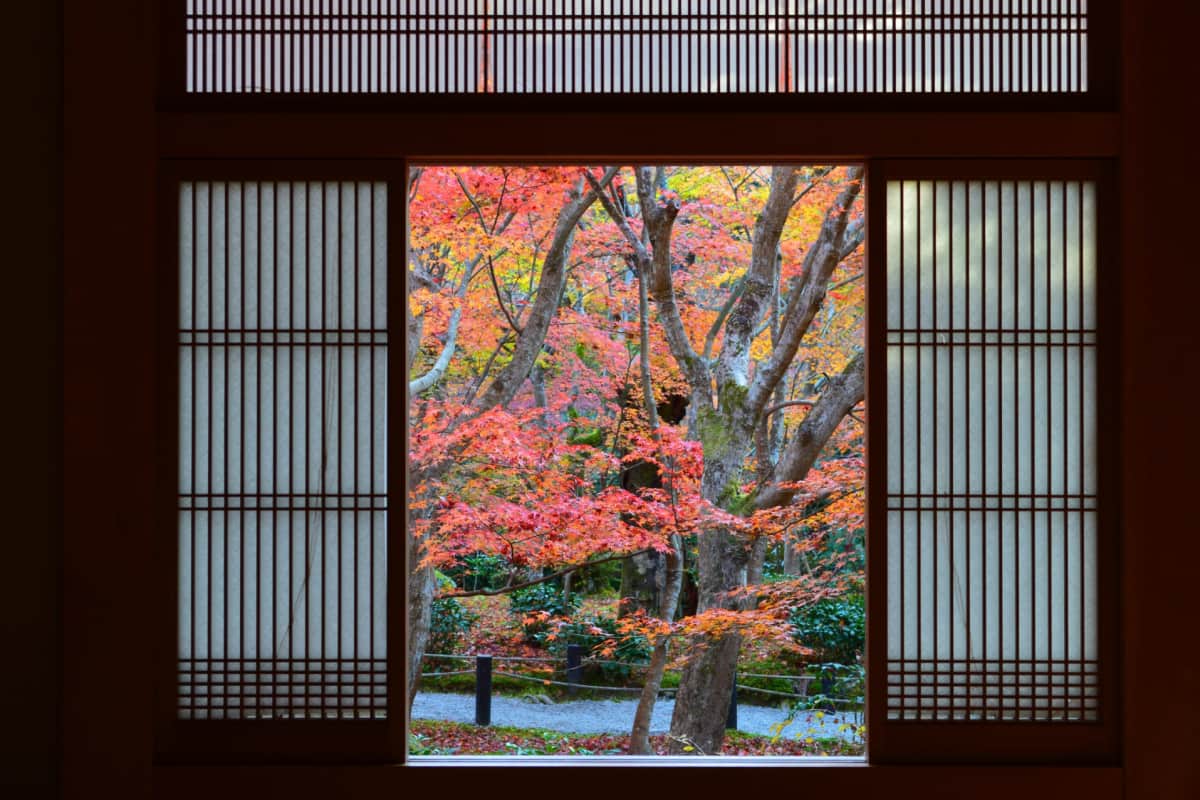
At a glance
Enkoji Temple is a serene Buddhist temple in Kyoto's Ichijoji district, distinguished by its meticulously maintained gardens and panoramic views of northern Kyoto. The temple features two contrasting gardens: the dynamic Honryutei dry landscape garden depicting a dragon in flight, and the tranquil Jugyu-no-niwa strolling garden centered around historic Seiryu Pond, making it an ideal destination for those seeking authentic Zen aesthetics away from Kyoto's busier tourist sites.
Photographs
Enkoji Temple
Enkoji Temple stands as a serene Rinzai Zen Buddhist temple in Kyoto’s Ichijoji district, originally founded by Tokugawa Ieyasu in 1601 as a center for learning. The temple complex showcases two distinct gardens that embody contrasting philosophies: the dynamic Honryutei dry landscape garden depicting a dragon soaring through clouds of white sand, and the tranquil Jugyu-no-niwa strolling garden centered around the historic Seiryu Pond, the oldest spring in northern Kyoto.
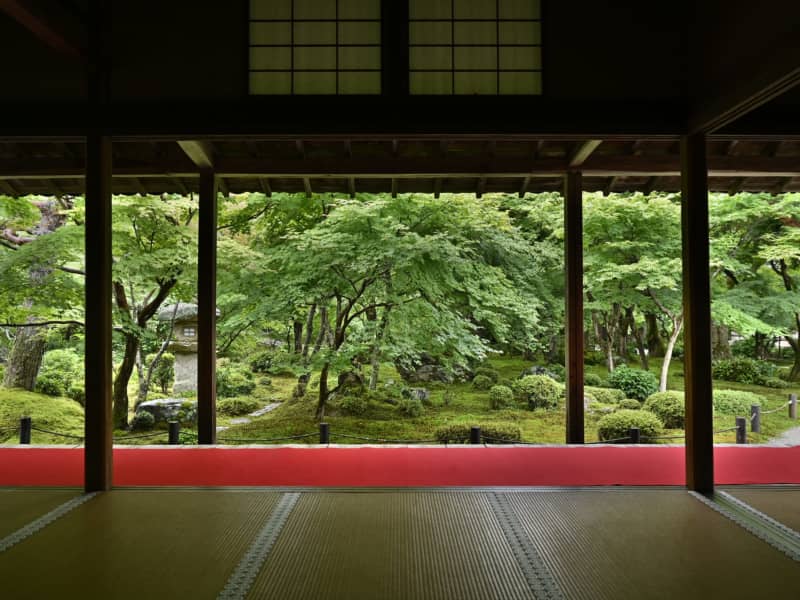
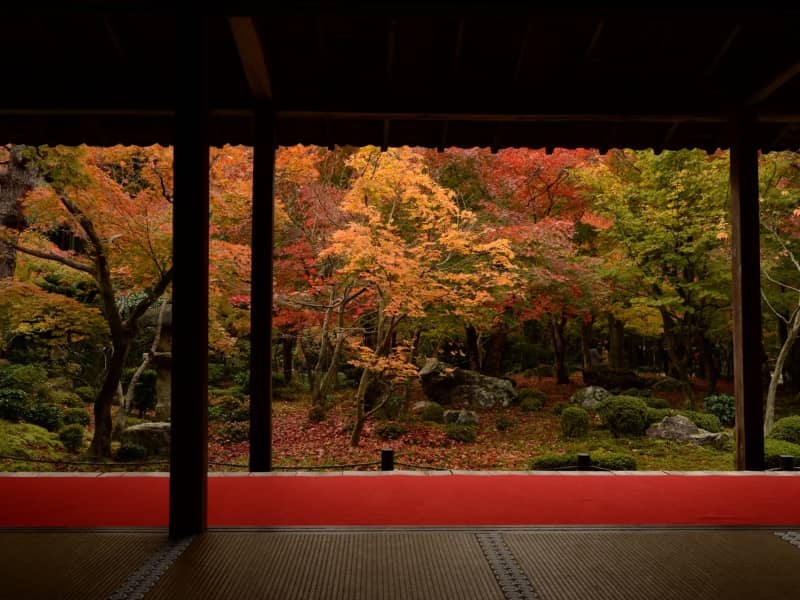
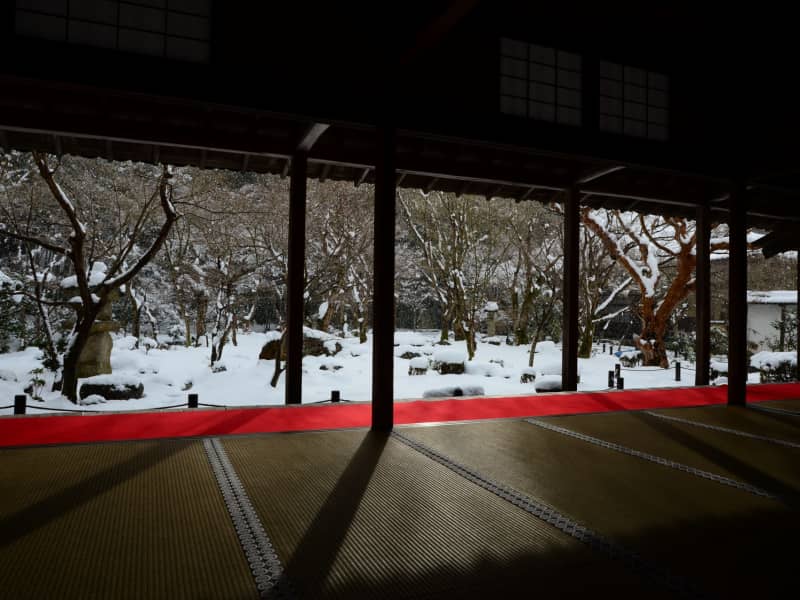
The temple grounds include several distinctive features that enhance the contemplative experience. A suikinkutsu water harp produces ethereal sounds as water droplets echo within its chamber, creating the signature “Enkoji style” resonance praised for its clarity. The main hall offers viewing areas where guests can sit on tatami mats and observe the seasonal transformations of the gardens. A small exhibition displays Maruyama Okyo’s Rainy Bamboo Wind painting, whose composition mirrors the temple’s actual bamboo groves. The hilltop contains Toshogu Shrine and a grave where Tokugawa Ieyasu’s teeth are interred, along with sweeping vistas across northern Kyoto.
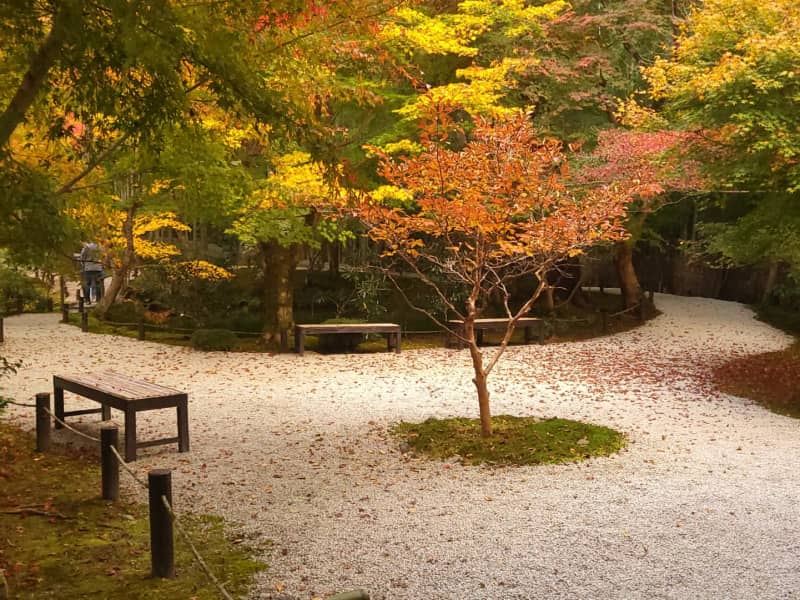
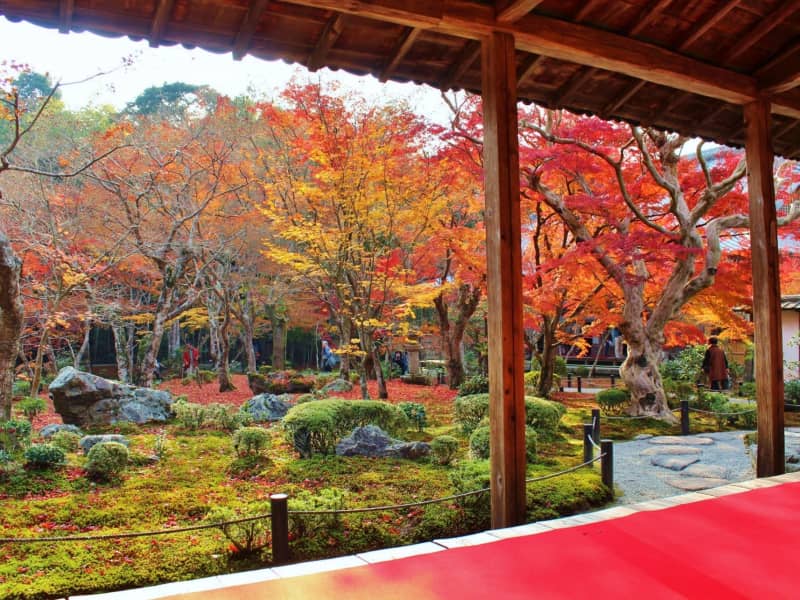
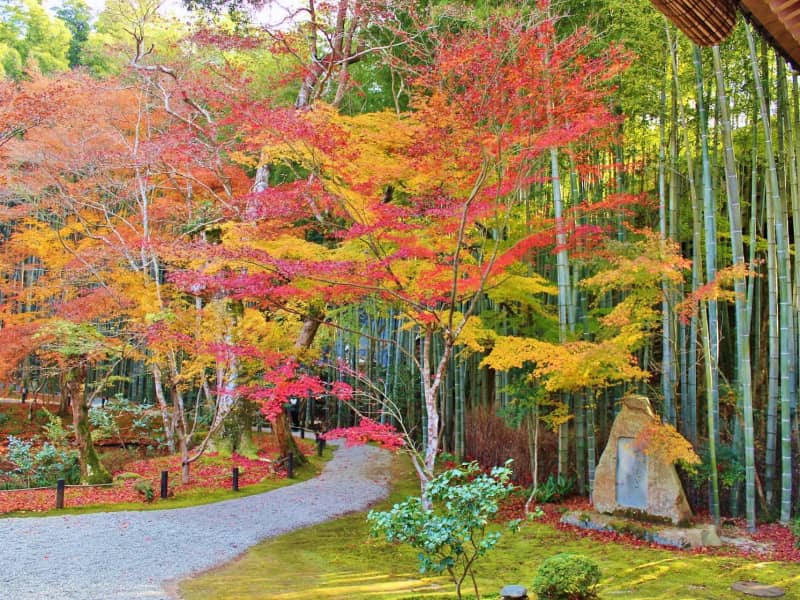
Located away from Kyoto’s central tourist areas, Enkoji Temple maintains a peaceful atmosphere with significantly fewer crowds than major temples. The temple operates daily with on-site parking available, though the approach road narrows considerably and bicycle parking is provided near the entrance. Most visitors spend approximately one to two hours exploring the various gardens, viewing areas, and hillside trails throughout the compact but richly detailed grounds.
Seasonal and event highlights
- Spring: Fresh green maple leaves, moss gardens, and the bamboo grove create a calm atmosphere, with a modest display of cherry blossoms.
- Summer: Lush greenery and cool bamboo groves pair beautifully with the soothing sound of the suikinkutsu.
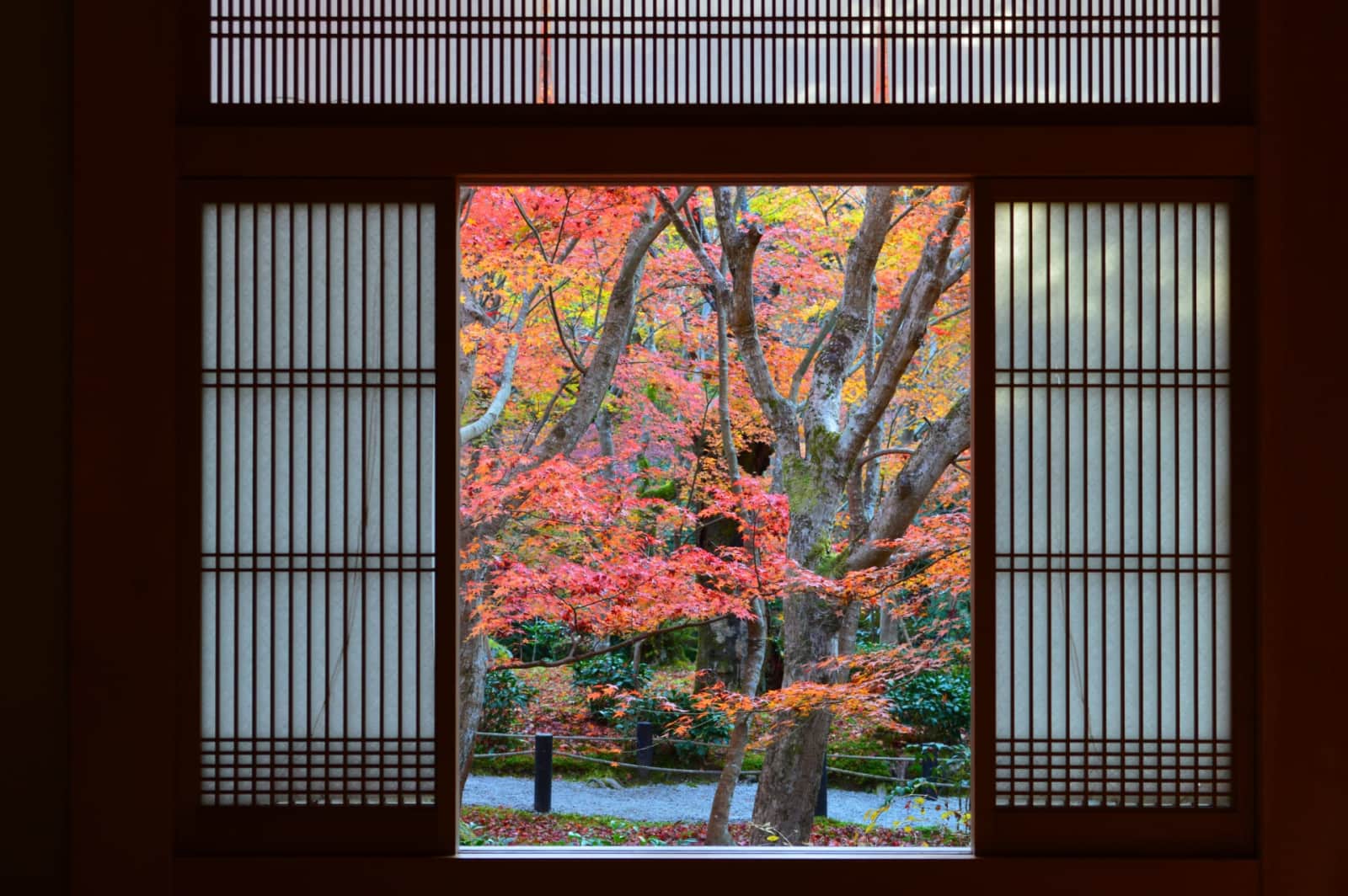
- Autumn: One of Kyoto’s finest hidden spots for autumn foliage, with brilliant maple colors framing the gardens and panoramic hilltop views.
- Winter: Occasional snowfall transforms the Honryutei dry garden and moss landscape into a tranquil Zen scene.
Before you go
Admission is ¥600 for adults (high school students and older), ¥300 for elementary and junior high school students, and free for preschool children. Comfortable walking shoes are recommended, as the grounds include stone paths, gentle slopes, and steps leading to the hilltop viewpoint. Toilets, bicycle parking, a small gift shop, and limited free parking are available. English pamphlets are usually available, though English signage is limited. Tripods are discouraged, especially during busy autumn foliage season, to avoid obstructing other visitors.
Enkoji Temple is open daily from 9:00 AM to 5:00 PM (last admission around 4:30 PM). It is generally open throughout the year, including most public holidays. Temporary changes may occur during special events or severe weather.
When to go
Enkoji Temple is particularly stunning during autumn, when vibrant maple leaves create a breathtaking tapestry of red and gold throughout the Jugyu no Niwa garden, typically peaking in late November to early December. Spring's fresh green foliage and summer's lush moss gardens also offer beautiful seasonal experiences, while winter snow occasionally transforms the temple grounds into a serene wonderland. Weekday mornings, especially at opening time around 9 AM, provide the most peaceful temple experience with minimal crowds and excellent natural lighting for viewing the gardens. Wednesdays see the highest visitor volumes, particularly between 10 AM and 1 PM, while Tuesdays and Thursdays afternoons offer a quieter alternative for contemplative garden viewing.
Average crowd levels throughout the day, based on historical data.
Public review summary
Visitors consistently praise the tranquil atmosphere and meticulously maintained gardens, particularly noting the stunning karesansui dragon garden and moss-covered Jugyu-no-niwa. Many appreciate the lack of crowds compared to other Kyoto temples, allowing peaceful contemplation. The autumn foliage draws particular acclaim. Some visitors report mixed experiences with staff attitudes at reception, though most focus on the serene beauty and spiritual ambiance of the grounds.
What you'll find here
Location & access
- DirectionsAddress
13 Ichijoji Kotanicho, Sakyo Ward, Kyoto, 606-8147, Japan
- How to get there
By Public Transportation:
From Kyoto Station, take JR Nara Line to Tofukuji, transfer to the Keihan Line to Demachiyanagi Station, then board the Eizan Railway to Ichijoji Station. From the station, it is about a 15-minute walk to Enkoji Temple. Kyoto City Bus routes serving Ichijoji are also available.
By Car:
Enkoji Temple is around 25 to 35 minutes from central Kyoto, depending on traffic. A small free parking area is available on-site, but spaces are limited and the access road is narrow. Public transportation is recommended during the autumn foliage season.
Common questions
What is Enkoji Temple known for?
Enkoji Temple is renowned for its meticulously maintained Japanese gardens, including the dramatic Honryutei dry landscape garden and the peaceful Jugyu-no-niwa strolling garden. The temple also features a bamboo grove, suikinkutsu water chimes, and stunning seasonal views, particularly during autumn foliage season in late November.
Does Enkoji Temple have parking facilities?
Yes, Enkoji Temple has on-site parking available for visitors. However, the roads leading to the temple are narrow, so smaller vehicles are recommended. There are also coin parking lots in the surrounding area near Hachidai Shrine if the temple lot is full. Bicycle parking is available in the corner of the parking lot.
How much time should I spend at Enkoji Temple?
Most visitors spend approximately 1-2 hours exploring Enkoji Temple. This allows time to view both gardens, walk through the bamboo grove, visit the exhibition hall, climb to the hilltop viewpoint overlooking Kyoto, and peacefully contemplate the gardens from the study hall. Those seeking a more meditative experience may wish to stay longer.
Are reservations required to visit Enkoji Temple?
Reservations are typically not required for regular visits to Enkoji Temple except during peak autumn foliage season in November, when advance online booking becomes necessary. For special experiences like early morning meditation sessions starting at 7:30 AM, advance telephone reservations are required.
What can I see in the gardens at Enkoji Temple?
The temple features two distinct gardens: Honryutei, a dynamic dry landscape garden with dramatic rock arrangements representing a dragon soaring through clouds, and Jugyu-no-niwa, a serene pond garden with lush moss, seasonal foliage, and stones symbolizing Zen teachings. You'll also find a bamboo grove, panoramic views of Kyoto from the hilltop, and beautiful seasonal changes.
Bring this spot to life with a local photographer
Book a vetted local photographer who knows the best light, angles, and timing for this location.