

At a glance
Historic Shinto shrine in Fuji City featuring unique stone character statues, seasonal wind chime displays, and diverse goshuin offerings. Known for its peaceful grounds with Mt. Fuji views, traditional festivals, and beautiful collection of colorful amulets and charms. Free parking available.
Photographs
Fujirokusho Sengen Shrine
Wandering into Fujirokusho Sengen Shrine feels like stepping into a storybook where tradition and whimsy meet in the most delightful way. You’ll first notice the classical lines of the Shinto hall, its roof and timber echoing centuries of devotion, quietly framed by footsteps of pilgrims long past. On clear days, Mount Fuji stands behind it, serene and timeless, a backdrop that gives the shrine a softly epic air.


But then, your attention is gently tugged elsewhere—there, among the mossy stones and tidy paths, are playful stone statues of Doraemon, Dorami‑chan, Nobita, and other beloved characters, as if they’re thoughtful shrine mascots guiding visitors with a wink. It’s earned the nickname “Doraemon Shrine,” and you can’t help but smile.


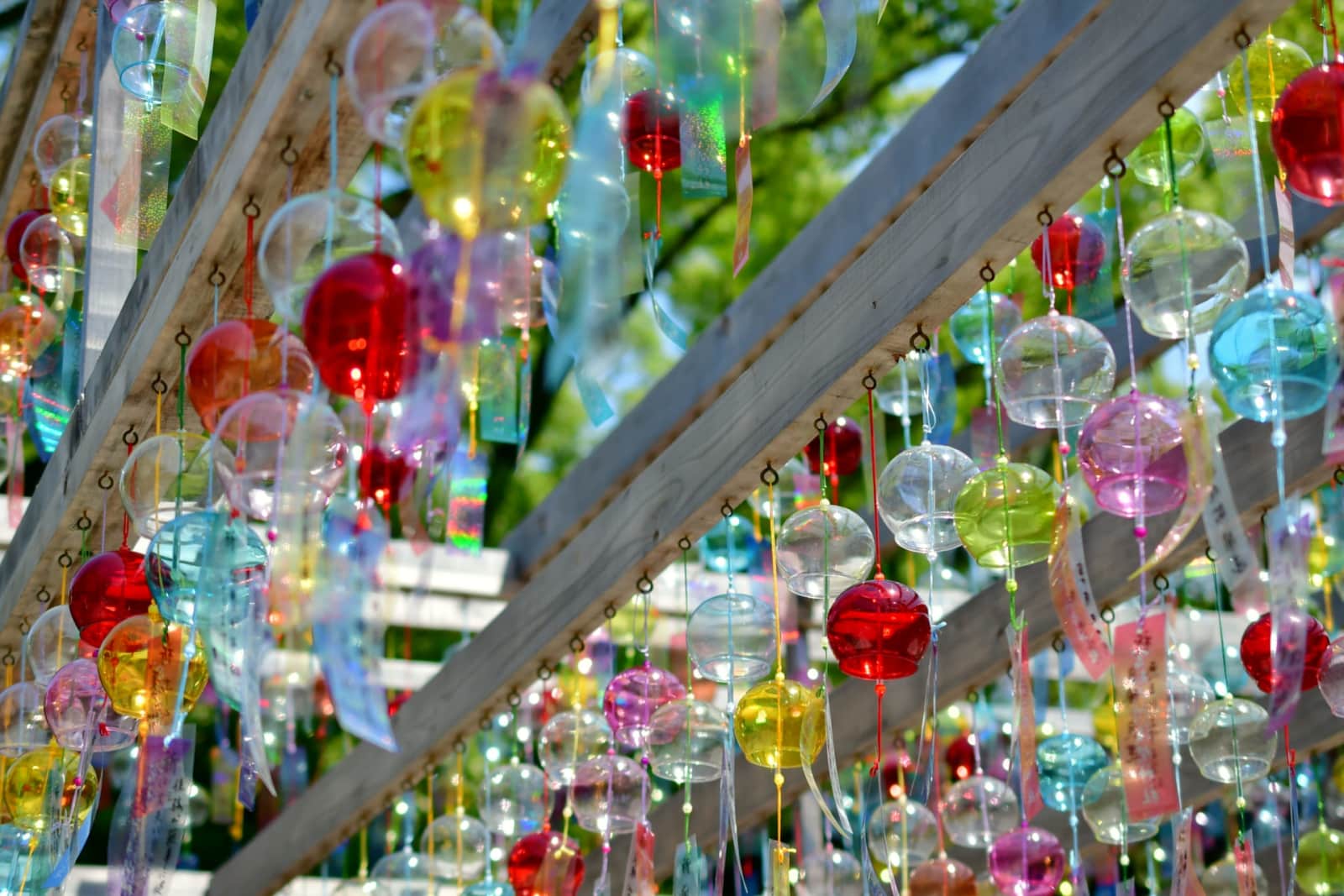
Every year from around July 7 to September 1, the shrine transforms for its Tanabata Wind Chime Festival. Over 2,000 wind chimes, each with wishes tied to short strips of paper, line the pathway before the main hall. When the breeze carries through, the gentle melody feels like a collective prayer drifting into the summer air. On the opening day, the shrine stays open later allowing you to wander under softly lit wind chimes in a moment that’s both quiet and dreamlike.
Nearby, a serene koi pond, crossed by a graceful vermillion bridge, offers a peaceful pause. You might catch carp gliding through clear water or even a turtle sunning on a rock, perfectly at ease in this sacred little world.
Before you go
The shrine is open daily from 9 a.m. to 5 p.m., and there’s no entrance fee. Paths are mostly smooth but can get crowded near festival times. The koi pond area offers benches, and there’s peaceful shade under the ancient camphor tree. Tripods are usually fine for photography, but be mindful during busy times or ceremonies.
The shrine is open daily from 9 a.m. to 5 p.m., with special events held throughout the year. Key festivals include Setsubun in early February, the main shrine festival on May 3, a purification ceremony on June 30, a summer festival in mid-August, an autumn festival on the first Saturday of October (or Sunday if it rains), Niiname-sai (harvest festival) on November 23, and year-end purification on December 31.
When to go
Summer brings the magical Tanabata Wind Chime Festival from July to September, when hundreds of colorful wind chimes create a mesmerizing atmosphere throughout the shrine grounds. Spring and autumn offer the most pleasant weather for visiting, with clear views of Mount Fuji serving as a majestic backdrop to the shrine. Early mornings around 9 AM provide the most serene atmosphere for spiritual reflection and photography, particularly on weekdays. The shrine is less crowded on Wednesdays and Thursdays, making these ideal days for a peaceful visit and receiving goshuin (shrine stamps).
Average crowd levels throughout the day, based on historical data.
Public review summary
Visitors consistently praise the shrines serene atmosphere and seasonal wind chime displays, particularly appreciating the unique blend of traditional and modern elements with Doraemon and Pikachu statues. Staff receive positive mentions for their politeness and helpfulness, though some note long wait times for goshuin stamps during peak festivals. The shrine grounds are well-maintained and peaceful, with the special goshuin designs and beautiful wind chimes being particular highlights.
What you'll find here
Location & access
- DirectionsAddress
5-1 Sengenhoncho, Fuji, Shizuoka 417-0073, Japan
- How to get there
By Public Transportation: From Yoshiwara-Honchō Station, it’s about a 20-minute walk to the shrine. The route is mostly flat and easy to follow.
By Car: Only about 3 minutes from the Fuji IC exit. There is a dedicated free parking lot for visitors, making it very convenient for those driving.
Common questions
What is special about the wind chimes at Fujirokusho Sengen Shrine?
The shrine hosts a special Wind Chime Festival from July to September where numerous decorative wind chimes create a peaceful atmosphere throughout the grounds. The melodic sounds of the chimes combined with the shrine's serene setting offers visitors a uniquely calming experience.
Are dogs allowed at the shrine?
Yes, dogs are generally allowed to visit the shrine grounds. Multiple visitor reviews confirm that pets are welcome, though as with any religious site, owners should ensure their dogs are well-behaved and kept on a leash out of respect for other visitors.
What unique stone statues can I find at the shrine?
The shrine features distinctive stone statues of popular characters like Pikachu and Doraemon scattered throughout the grounds. These unique sculptures blend modern pop culture with traditional shrine aesthetics, making it particularly appealing to visitors of all ages.
Is there parking available at the shrine?
Yes, the shrine offers free parking facilities including both a parking garage and parking lot directly on-site. The lot is spacious and easily accessible, with dedicated wheelchair accessible parking spaces available for visitors with mobility needs.
What types of goshuin (shrine stamps) are available?
The shrine offers several types of goshuin including regular stamps, seasonal designs, paper-cut versions, and special clear goshuin. They cost 500 yen for handwritten versions, and the shrine is known for its particularly elaborate and colorful stamp designs.
Bring this spot to life with a local photographer
Book a vetted local photographer who knows the best light, angles, and timing for this location.