

At a glance
Gotokuji Temple, birthplace of the lucky Maneki-neko (beckoning cat), is a serene Buddhist temple in Setagaya featuring hundreds of white cat statues. This peaceful sanctuary combines spiritual tradition with unique feline symbolism, offering visitors a distinctive Tokyo temple experience.
Photographs
Gotokuji Temple
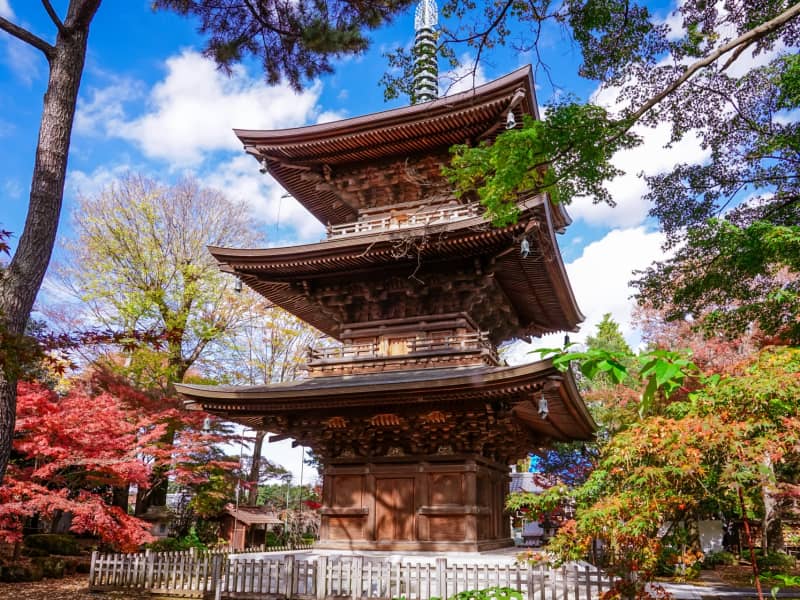
Walking through Gotokuji, you’ll first sense its quiet elegance, an austere Soto Zen temple founded in 1480 that became the Ii clan’s family temple in the Edo period. The story goes that Ii Naotaka was beckoned inside by a cat as a storm rolled in, inspiring his patronage and forever linking the temple to the maneki‑neko.


As you explore deeper, a tucked‑away corner reveals shelves upon shelves of white cat statues, tiny and larger, planted there by hopeful visitors. This isn’t an Instagram stage; it’s an intimate display of wishes, gratitude, and faith, each cat a personal prayer. The scent of moss and old timber blends with the soft rustle of leaves, lending a timeless calm that invites quiet reflection.
Around the temple lie painstakingly tended gardens, ancient trees, and stone lanterns dating back to the Edo era. Seasonal blooms like lotus, cherry blossoms, and bright autumn momiji add bursts of color. The architecture is authentically Edo: uncluttered buildings with curved rooflines, shingle pagodas, and a graceful main hall built in 1677.
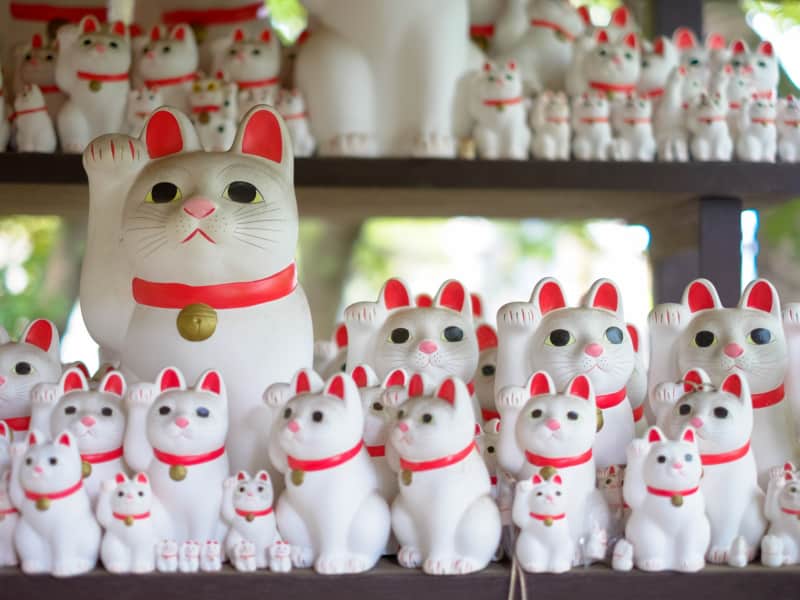
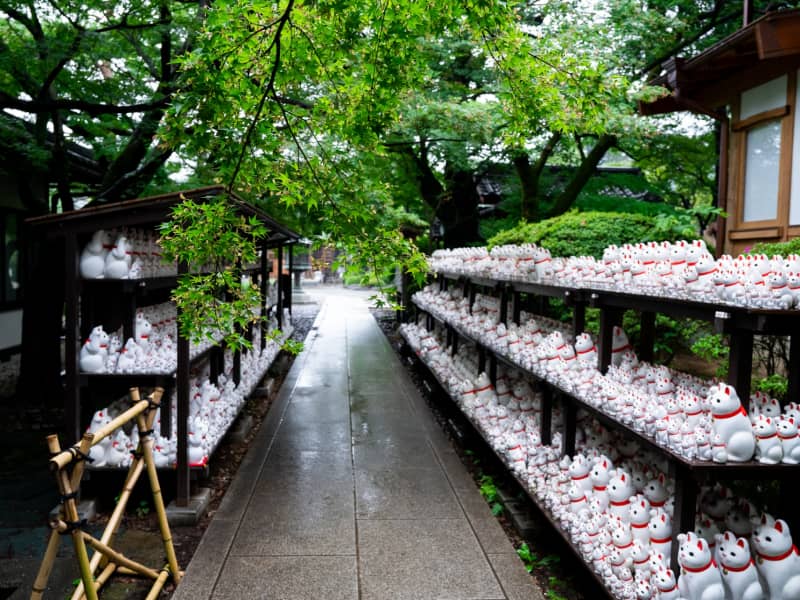

Whether visiting during a bloom or a quiet season, the atmosphere feels personal and introspective. Follow the gravel paths and low halls for hidden cat figurines tucked into eaves and alcoves. Take a moment by the Ii clan tombstones, some belonging to historical figures like Ii Naosuke, situated at the southwest and marked as a national historic site.
Aim for early morning light around 7–9 AM to capture the soft glow on the garden and cat statues without crowds. Use a wide aperture to blur background greenery and focus on a single cat or a thoughtful cluster. A tripod helps stabilize low-light shots inside the temple halls, but be mindful of worshippers and quiet rituals.
Before you go
There are public toilets and a small café just outside the station, but no food stalls on site. Bring cash: the temple office sells maneki‑neko and ema only between 8 AM and 3 PM (closed noon–1 PM); they accept cash only and limit figures to one per person. Tripods are allowed but keep them low-profile and don’t block pathways or ceremonies.
Gotokuji Temple is open year-round without official holidays. The temple grounds are generally open from 6:00 AM to 6:00 PM (shortened to around 5:00 PM in winter). The temple office and shop, where you can purchase maneki-neko figures and goshuin, operate from 8:00 AM to 3:00 PM, with a lunch break from 12:00 PM to 1:00 PM. These hours remain consistent even on weekends and national holidays.
When to go
Spring and autumn offer the most comfortable temperatures for exploring Gotokuji Temple's serene grounds. The temple gardens are particularly stunning in June when hydrangeas bloom around the historic buildings and maneki-neko statues. Early mornings between 6:00 AM and 8:00 AM provide the most peaceful atmosphere for photography and contemplation. Note that the temple shop selling lucky cats operates from 9:00 AM to 3:00 PM with a lunch break from 12:00 PM to 1:00 PM.
Average crowd levels throughout the day, based on historical data.
Public review summary
Visitors praise the peaceful atmosphere and unique collection of maneki-neko statues, while noting the temple retains its spiritual character despite tourist interest. Early morning visits are highly recommended for the best experience. Some mention crowding issues during peak hours and limited souvenir shop times. The serene grounds and well-maintained gardens receive consistent praise, though a few note the temples modest size relative to the journey required.
What you'll find here
Location & access
- DirectionsAddress
2 Chome-24-7 Gotokuji, Setagaya City, Tokyo 154-0021, Japan
- How to get there
By Public Transportation: If coming from Shinjuku side, take the Odakyu Odawara Line to Gotokuji Station (about 11 min, ¥170–250), then walk 10–12 minutes. Alternatively, board the Tokyu Setagaya tram from nearby Yamashita Station for a final 5‑minute stroll. If coming from Shibuya: Ride the Tokyu Den‑en‑toshi Line to Sangen‑jaya, transfer to the Setagaya Line tram, and alight at Miyanosaka Station—just a 3–5‑minute walk .
By Car: A drive from central Tokyo is about 14 minutes over 13–14 km. Limited parking may be available nearby, so check local signs. And look for coin parkings before arriving.
Common questions
Can I buy a maneki-neko (lucky cat) statue at Gotokuji Temple?
Yes, you can purchase maneki-neko statues at the temple office. Prices range from 500 to 5000 yen, and purchases are limited to one cat per person. Note that the office closes for lunch between 12:00-13:00, and sales end at 15:00. Cash-only.
Is there parking available at the temple?
Yes, Gotokuji Temple has a free parking lot though they can fill quickly and are somewhat limited. Other nearby paid coin parking lots are available starting around ¥200–1,200 for 7–24 hours.
What's the meaning behind the maneki-neko collection?
The maneki-neko (beckoning cats) at Gotokuji Temple are considered symbols of good fortune and wish fulfillment. Visitors can purchase and place their own cat statue among the collection, writing their wishes on the base as a traditional offering.
How do I get to Gotokuji Temple?
The temple is accessible via a 5-8 minute walk from Miyanosaka Station. You can also take the special Maneki Neko Train from Sangenjaya Station. Follow the street signs through the residential area to reach the temple grounds.
What amenities are available at the temple?
The temple grounds include public restrooms and vending machines for drinks. While there are no food outlets or convenience stores on site, these can be found near the train station. Credit cards are accepted at the temple office.

Bring this spot to life with a local photographer
Book a vetted local photographer who knows the best light, angles, and timing for this location.