

At a glance
The Harunire Tree is an iconic Japanese elm standing in the Tokachi Plain near Toyokoro, estimated to be 150 years old. Actually formed by two trees that grew together, it creates a distinctive fan-shaped silhouette against the vast Hokkaido landscape. The tree stands on the Tokachi River's pastureland and serves as a popular photography destination year-round.
Photographs
Harunire Tree
The Harunire Tree in Toyokoro Town isn’t just another scenic stop along the Tokachi River plain. It’s a living monument to time and togetherness, where two separate Japanese elm trees have grown so closely over the last century and a half that their trunks and branches now seem to share a single destiny. This rare natural union creates a sweeping, fan-shaped canopy that stretches wide against the open Hokkaido sky, making it one of the most beloved and photographed landmarks in eastern Hokkaido.
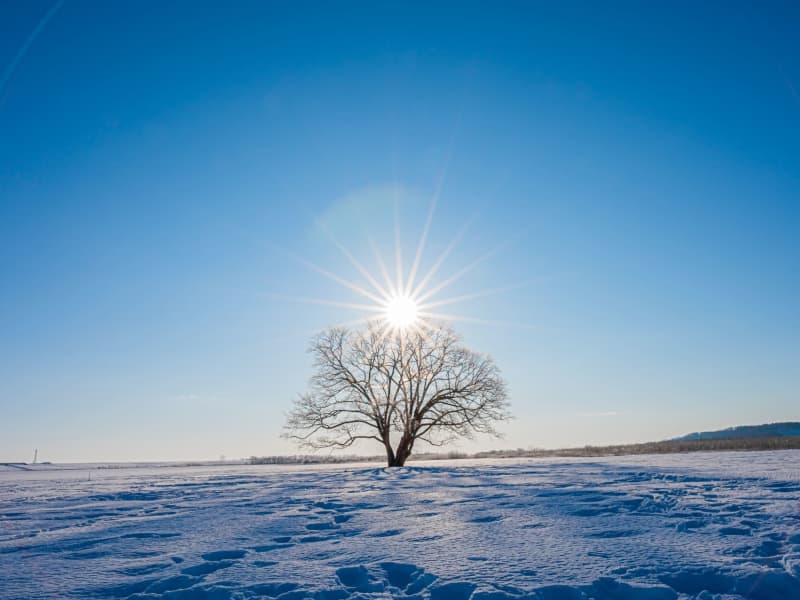

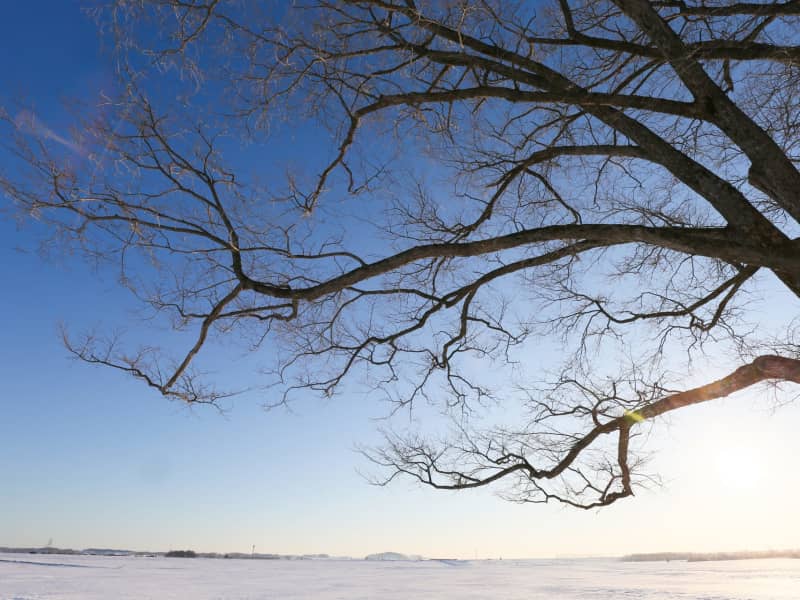
Measured at roughly 18 meters tall with a 23-meter spread of branches and a trunk circumference of about 3.6 meters, the Harunire has a presence that almost feels personal. Locals often describe the two trees’ lifelong embrace as symbolic of eternal love and steadfast support, and couples visiting here sometimes whisper that the Harunire brings quiet good luck to relationships. The tree is so iconic that it appears on Toyokoro’s town signs and is officially recognized as a cultural asset.
The setting is simple but powerful: the elm stands alone on the grassy Tokachi Riverbank, anchored amid vast plains that stretch toward distant ridges. Season after season, its mood changes in surprisingly dramatic ways. In spring and summer, fresh green leaves dance in warm breezes against a backdrop of wild grass. Come autumn, the silhouette carries a golden serenity. In deep winter, the bare, snow-kissed limbs make a striking contrast against the wide white fields and low sun, drawing photographers who are after that perfect quiet moment.
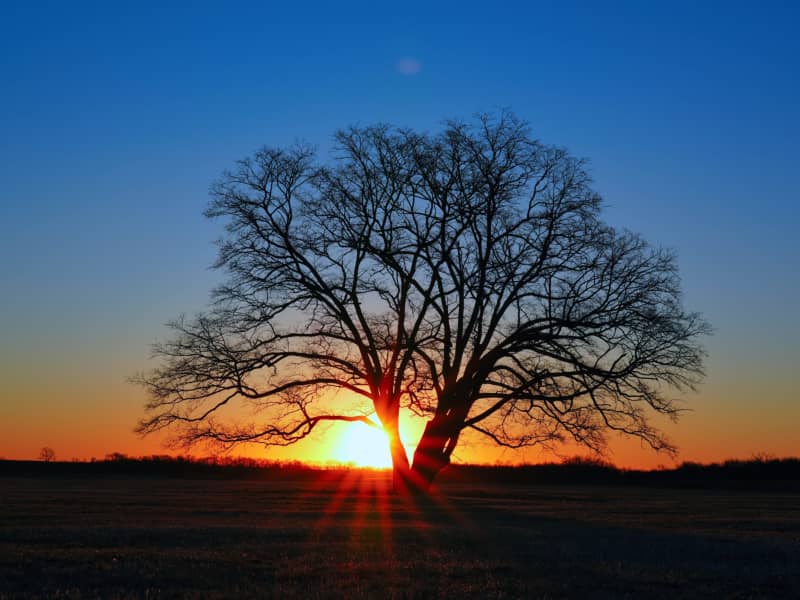


For many visitors, the Harunire isn’t just a tree, it’s a quiet place for reflection. You don’t need elaborate trails or exhibitions here; just a short walk from the parking area brings you under its branching arms, where the vast Tokachi sky and open land make even simple compositions feel breathtaking. Photographers often wait for early morning or late-afternoon light, and during certain times of year, shallow puddles from melting snow can create perfect reflections that double the magic of this remarkable tree.
Before you go
Entrance to the Harunire Tree is completely free, and there’s no fee or ticket required to visit. There’s a small parking area nearby where you can leave your vehicle before a short walk toward the riverbank. Because the site is essentially an open natural plain, facilities like toilets are minimal or seasonal, and paths may be uneven or grassy in spots, so sturdy footwear is recommended. Bring water and insect repellent in summer, and dress warmly in cooler months. The spot is peaceful and undeveloped on purpose, so enjoy it respectfully and take any trash with you.
The Harunire Tree is open year-round and can be visited any day, there are no set opening or closing hours since it’s a public natural site. Feel free to come early in the morning for soft light or in late afternoon for warm, golden hues.
When to go
Winter offers the most spectacular views of the Harunire Tree, with the iconic elm standing dramatically against snow-covered plains and creating exceptional sunrise photography opportunities. Summer and autumn showcase the tree's full foliage and surrounding green pastures, while spring presents the tree's fresh budding against thawing landscapes along the Tokachi River. Early morning visits, especially around sunrise, provide the best lighting conditions and tranquil atmosphere for photography enthusiasts. Weekday mornings between 8AM and 10AM offer quieter experiences, while midday hours tend to attract more visitors seeking the classic photo angle from the designated viewing area.
Average crowd levels throughout the day, based on historical data.
Public review summary
Visitors consistently praise the iconic tree standing majestically in Tokachis vast plain, noting its photographic beauty across all seasons. Winter sunrise photography draws enthusiastic acclaim, though summer fields can be damp. Some express disappointment that recent access restrictions prevent close approaches. Photography enthusiasts appreciate the changing scenery, while casual tourists find the remote location requires significant travel effort for a brief stop.
What you'll find here
Location & access
- DirectionsAddress
Horooka, Toyokoro, Nakagawa District, Hokkaido 089-5247, Japan
- How to get there
By Public Transport:
From JR Toyokoro Station, the site is about a 5-minute taxi or bike ride from town. There’s no frequent local bus directly to the tree, so most visitors either take a taxi or rent a bike for the flat, pleasant ride toward the Tokachi River.
By Car:
From Obihiro or central Tokachi, drive along Route 38 toward Toyokoro, turn onto the local road toward the Tokachi River, and follow signage for the Harunire Tree. There’s a small free gravel parking area near the riverbank from which it’s a short walk to the tree.
Common questions
Is the Harunire Tree the same one from the Hitachi commercial?
No, the Harunire Tree in Toyokoro is not the tree featured in Hitachi commercials. While both are Japanese elm trees, the Hitachi tree is located in Hawaii. This is a common misconception among visitors, but the Harunire Tree remains a beautiful and iconic symbol of Toyokoro Town worth visiting.
How do I get to the Harunire Tree from the parking area?
From the parking lot near Harunire House, walk along the riverbank of the Tokachi River for about 5-10 minutes. Follow the footprints and designated path toward the tree. The walk is relatively easy in summer, but winter conditions can make the path bumpy and challenging for those with mobility issues.
Can I visit the Harunire Tree at night for photography?
Yes, the Harunire Tree is accessible 24 hours and is popular for night photography, especially starry sky shots. Many photographers visit late at night or early morning hours. The site is open year-round, but be prepared with appropriate clothing in winter as temperatures can drop to -10°C or lower.
What makes the Harunire Tree special?
The Harunire Tree is estimated to be about 150 years old and consists of two Japanese elm trees that grew together as one, creating a unique fan-like shape with symmetrical branches. Standing alone in the vast Tokachi Plain, it's also called the Lover's Tree and serves as the official symbol of Toyokoro Town.
What should I know before visiting in winter?
Winter visits require full cold weather protection including warm gloves. The walking path becomes packed snow and can be bumpy, making access difficult for some visitors. However, winter offers spectacular photo opportunities, especially at sunrise. The visitor center may be closed during winter months, and there are no toilets available early morning.

Bring this spot to life with a local photographer
Book a vetted local photographer who knows the best light, angles, and timing for this location.