
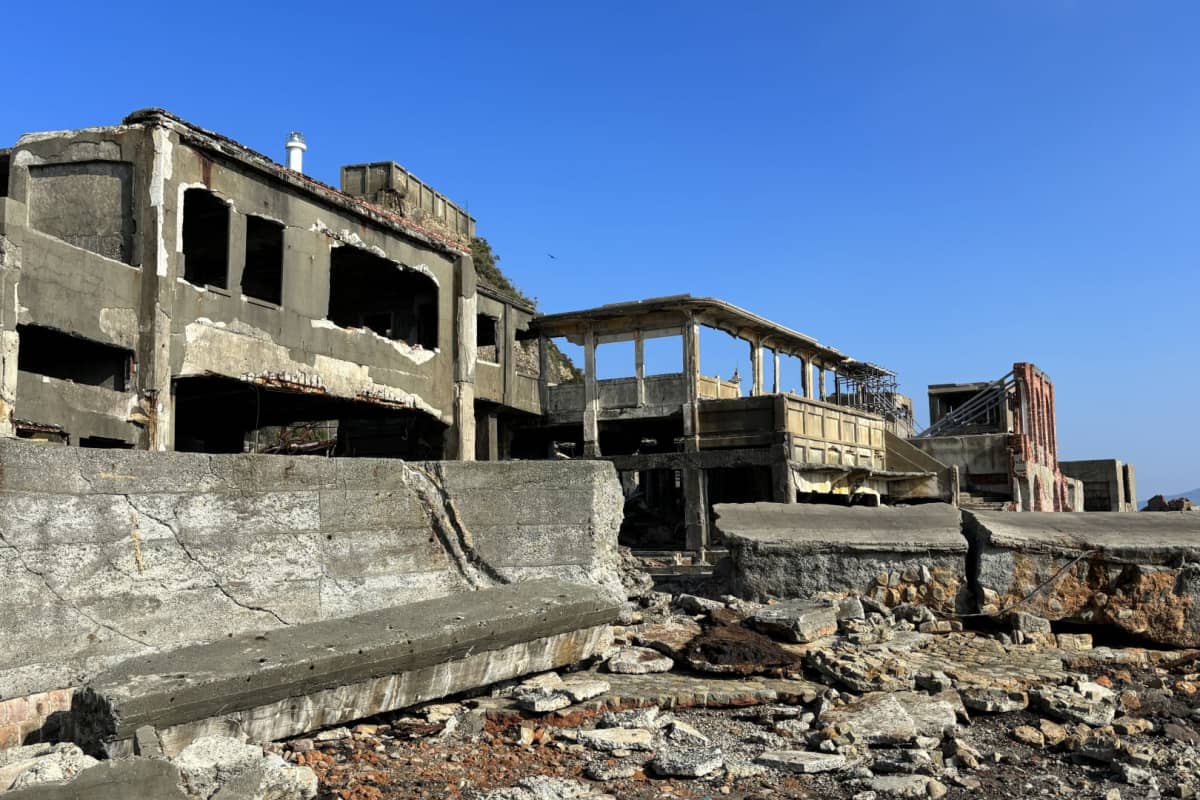
At a glance
Hashima Island, commonly known as Gunkanjima or Battleship Island, is an abandoned 16-acre UNESCO World Heritage Site located off Nagasaki's coast. This former undersea coal mining facility features striking industrial ruins and concrete apartment buildings surrounded by a distinctive seawall, accessible only through authorized landing tours departing from Nagasaki Port approximately 40 minutes away by boat.
Photographs
Hashima Island aka Gunkanjima
Hashima Island, commonly known as Gunkanjima (Battleship Island), stands as a haunting UNESCO World Heritage Site approximately 40 minutes by boat from Nagasaki Port. This 16-acre abandoned island once thrived as an undersea coal mining facility from the Meiji through Showa periods, reaching a peak population of over 5,000 residents in 1959, with a density nine times greater than Tokyo. The island features Japan’s first reinforced concrete apartment buildings, now weathered into dramatic industrial ruins surrounded by a distinctive seawall that gives the island its warship-like silhouette.
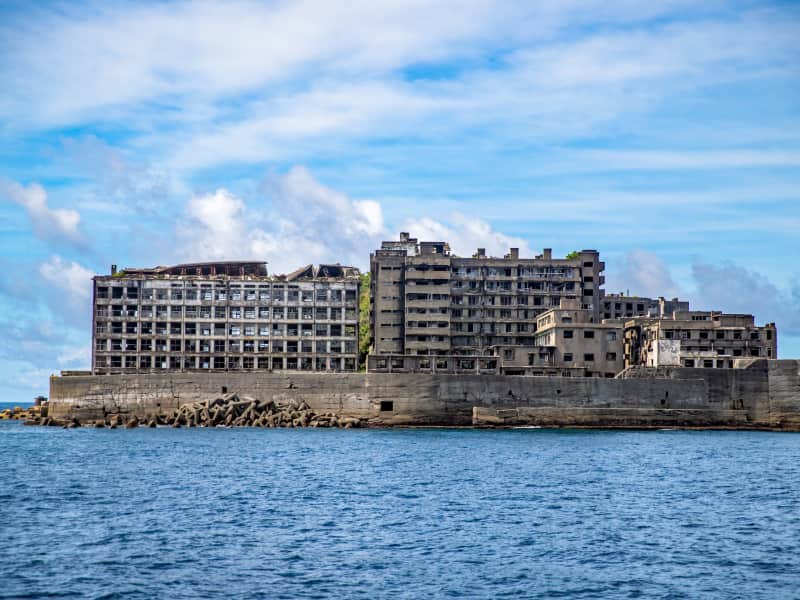
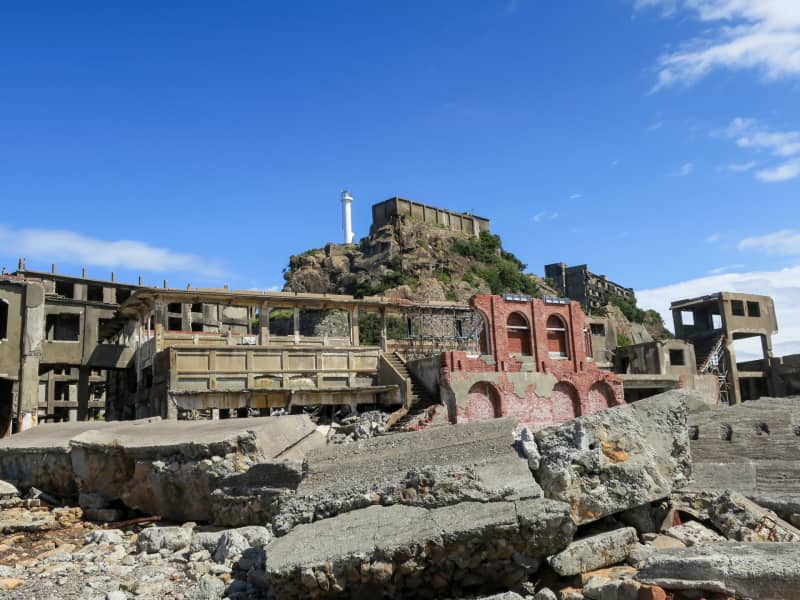
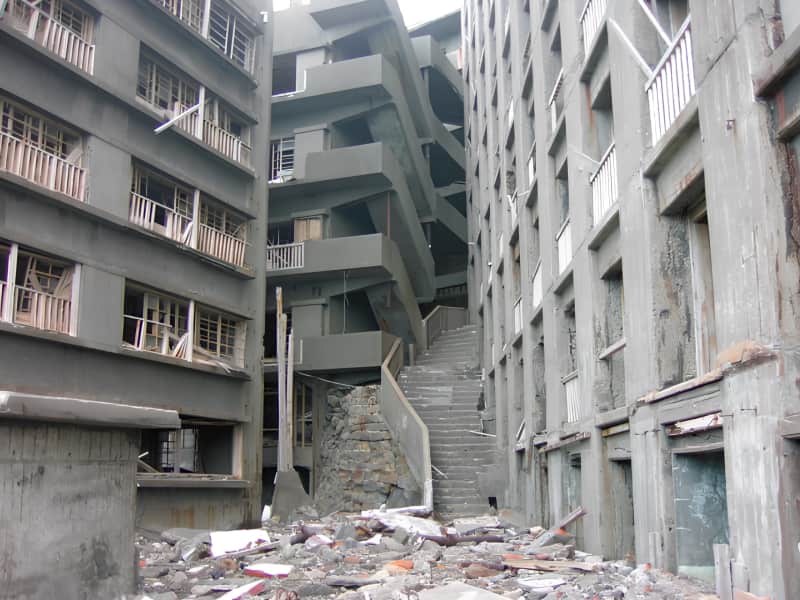
Access to Hashima requires joining an authorized landing tour, though weather conditions frequently prevent landing due to rough seas and strong winds. Visitors who successfully land can only explore restricted pathways along the southwest portion of the island, where guides explain the historical significance of the coal mining operations and daily life in this once-thriving community. The visible ruins include deteriorating apartment blocks, mining infrastructure, and evidence of the advanced facilities that once made this island remarkably modern for its time.
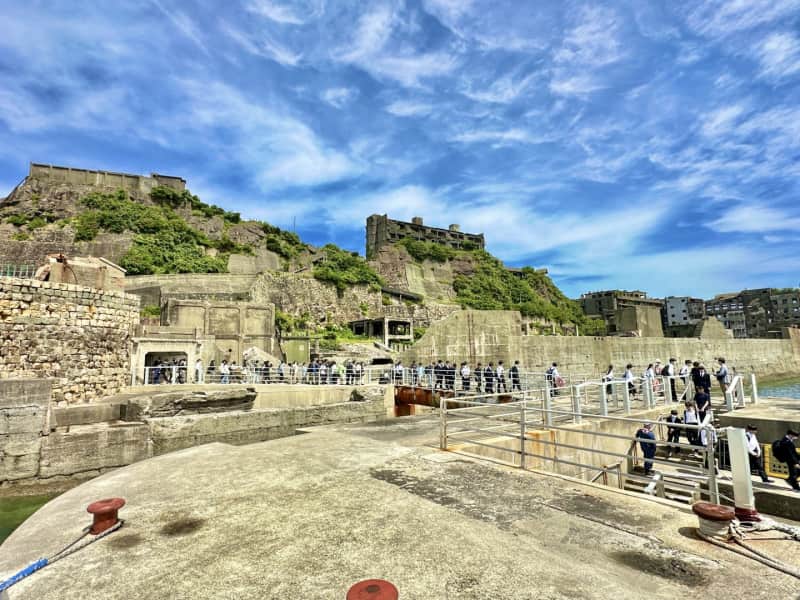
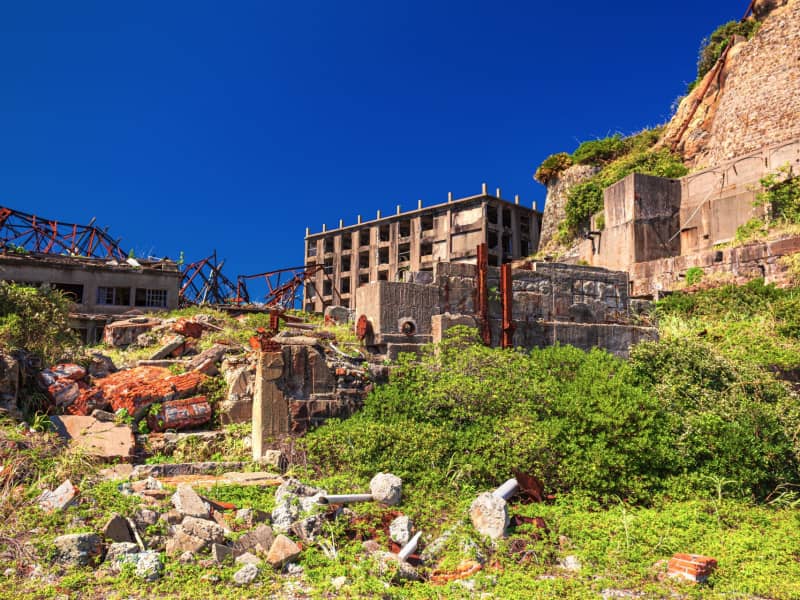
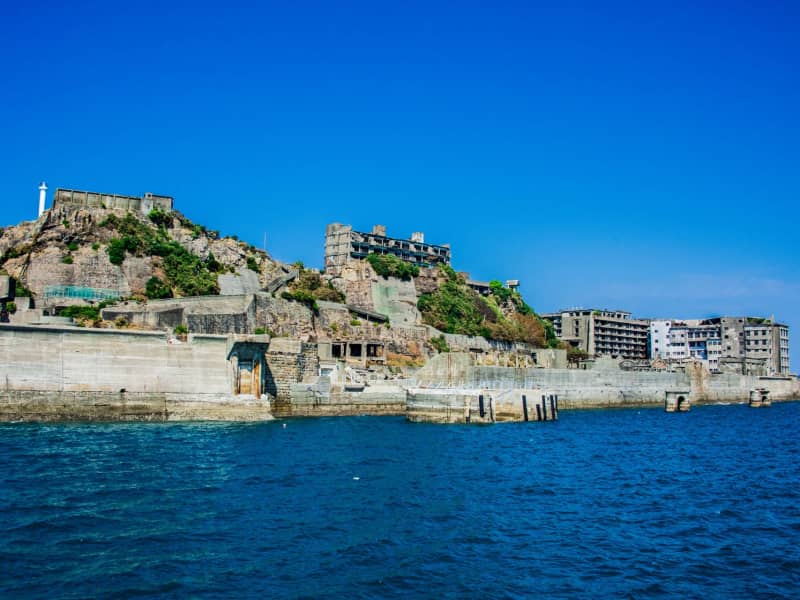
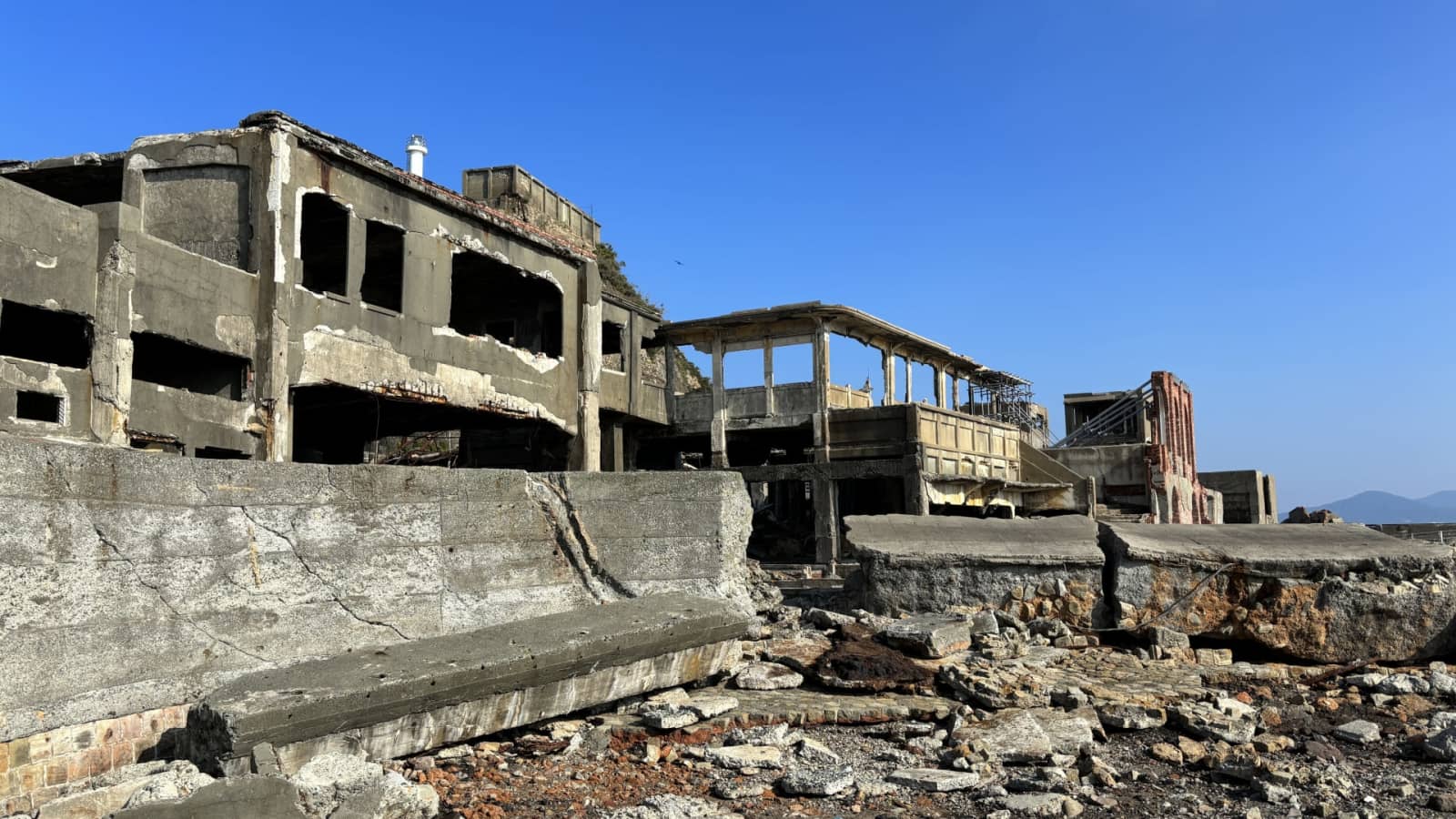
The island’s structures continue to deteriorate rapidly from typhoon damage and constant exposure to ocean elements, making each visit potentially unique as buildings gradually collapse. This World Heritage Site represents an important component of Japan’s Meiji Industrial Revolution heritage related to iron, steel, shipbuilding, and coal mining industries that powered the nation’s modernization.
Seasonal highlights
- Spring: Mild temperatures and calmer seas generally make spring one of the best times for landing tours.
- Autumn: Comfortable weather and stable sea conditions often provide another excellent season for visiting and photography.
Event highlights
- Year-round: Guided landing cruises operate throughout the year (weather permitting), with each tour offering historical interpretation of the UNESCO World Heritage site.
Before you go
Landing tours require advance booking with an authorized tour operator. Tour prices typically range from ¥4,000 to ¥6,000 per person, depending on the operator, and include the required landing permit. Landing is subject to weather and sea conditions, and tours may become sightseeing cruises without landing if conditions are unsafe. Wear comfortable shoes with good grip, as walkways can be uneven and exposed to wind. There are no toilets, shops, or vending machines on the island itself, so use facilities before departure. English guidance varies by operator. Tripods are generally discouraged during guided tours because of narrow pathways and safety considerations.
Hashima Island itself has no opening hours, but access is only possible through authorized sightseeing cruises, which typically operate daily throughout the year, weather permitting. Tours may be cancelled or changed to cruise-only trips if sea conditions are unsafe, particularly during typhoon season or periods of strong winds.
When to go
Spring and autumn offer the most favorable conditions for visiting Hashima Island, with calmer seas increasing the likelihood of successful landings on the island. Summer brings typhoon season which can cause tour cancellations, while winter weather provides clearer views but rougher waters and stronger winds on the exposed deck areas. Morning departure tours tend to provide better lighting for photography, especially when approaching the island from the east. Booking tours several days in advance is essential as the five authorized cruise operators offer only ten departures daily with limited passenger capacity, and reservations fill quickly during peak travel periods.
Public review summary
Visitors appreciate the powerful historical significance and haunting atmosphere of the ruins, with many calling it a must-see World Heritage site. Landing success depends heavily on weather conditions, which can be unpredictable even after multiple attempts. Guides provide informative explanations about coal mining history and daily life. Accessible areas are limited due to safety concerns and ongoing deterioration. The experience proves memorable despite restrictions, though some note the need for better historical representation.
What you'll find here
Location & access
- DirectionsAddress
Takashimamachi, Nagasaki, 851-1315, Japan
- How to get there
By Public Transportation:
From JR Nagasaki Station, walk or take a tram to Nagasaki Port, where several authorized tour operators depart from terminals around Nagasaki Port and Tokiwa Terminal. Boat cruises take approximately 35 to 45 minutes each way, depending on the operator and sea conditions.
By Car:
Drive to central Nagasaki and park at one of the paid parking facilities near Nagasaki Port before joining your reserved cruise. Private boats are generally not permitted to land on Hashima Island without authorization.
Common questions
Can I visit Hashima Island independently?
No, you cannot visit Hashima Island independently. Access is only possible through authorized tour operators from Nagasaki Port. Five licensed companies offer landing tours with guided visits to designated areas only, as most of the island remains off-limits due to safety concerns from deteriorating structures.
How long does a typical Hashima Island tour take?
A typical Hashima Island tour takes approximately 3-4 hours total, including a 40-minute boat ride each way from Nagasaki Port. Once on the island, visitors spend about 1 hour exploring the limited accessible areas with a guide, though landing depends entirely on weather and wave conditions.
What determines if the boat can land on Hashima Island?
Landing on Hashima Island depends on weather conditions, particularly wind speed and wave height. Many visitors attempt multiple times before successfully landing, as rough seas frequently prevent docking at the island's pier. Tours still circle the island even when landing is impossible, providing views from the boat.
What can I see on Hashima Island during the tour?
Visitors can only access a restricted path along the southwest side of the island, viewing industrial ruins and concrete apartment buildings from designated observation areas. The tour includes three viewing areas with guide explanations about the coal mining history, though most of the 16-acre island remains inaccessible due to structural deterioration.
Why was Hashima Island abandoned?
Hashima Island was abandoned in 1974 when the coal mines closed after reserves were depleted. At its peak in 1959, over 5,000 people lived on this artificial island working in undersea coal mining. When coal was no longer profitable as Japan shifted to oil, the entire population departed within weeks, leaving the island uninhabited.
Bring this spot to life with a local photographer
Book a vetted local photographer who knows the best light, angles, and timing for this location.