

At a glance
Hibiya Park is Tokyo's first Western-style city park located in Chiyoda City, featuring beautifully maintained flower beds, open-air concert venues, public halls, and tennis courts. This free urban oasis near the Imperial Palace serves as a popular retreat for office workers and tourists, offering seasonal blooms including cherry blossoms, lilies, roses, and nemophila throughout the year.
Photographs
Hibiya Park
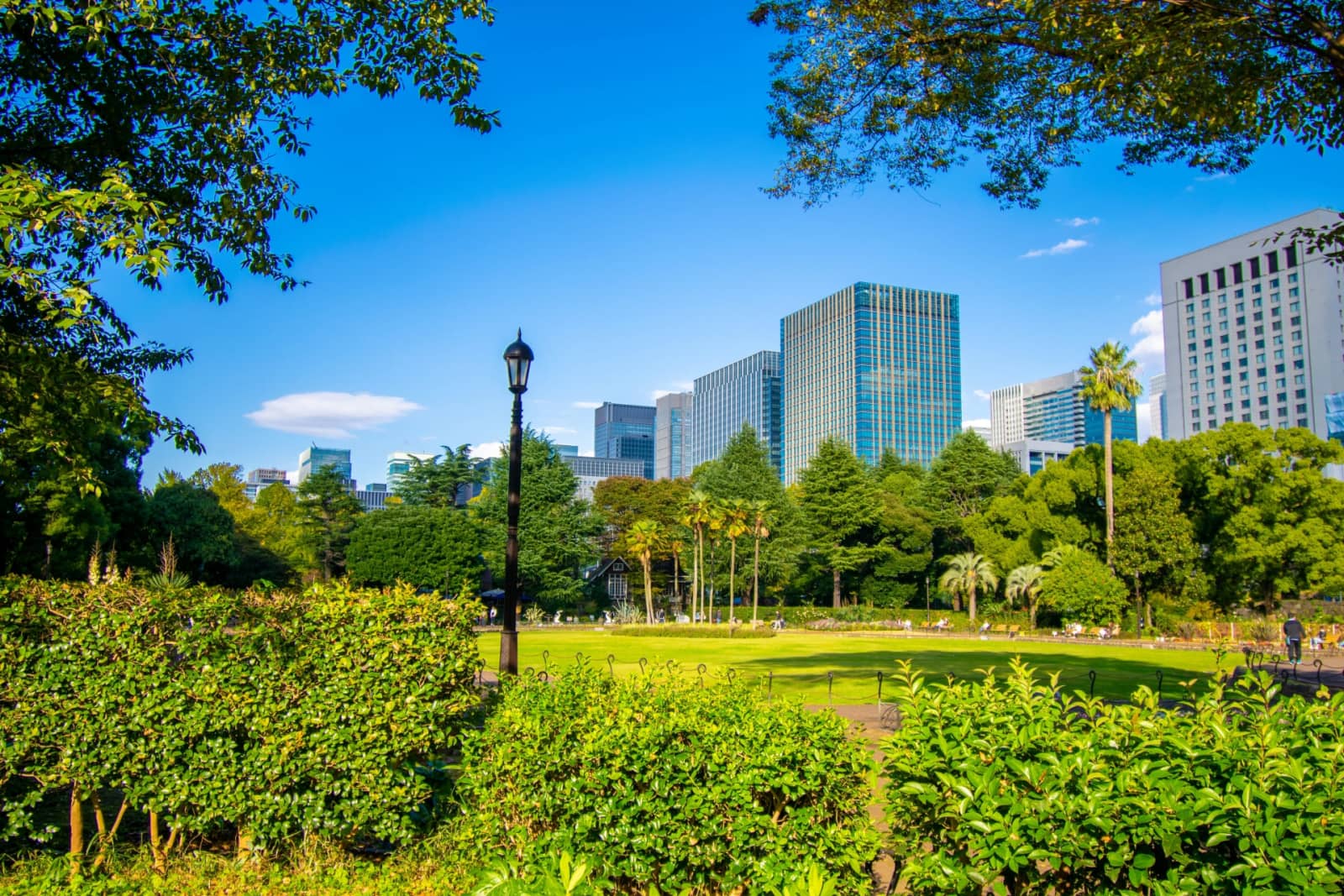
Hibiya Park stands as Tokyo’s first Western-style public park, established in 1903 on the former grounds of feudal clan estates near the Imperial Palace. Located in the heart of Chiyoda’s business district, this historic urban oasis seamlessly blends European garden design with traditional Japanese landscaping elements. The park features meticulously maintained seasonal flower beds, distinctive fountains including the iconic Grand Fountain, and tranquil ponds like Kumogata Pond and Shinji Pond surrounded by walking paths.


The park serves as a versatile venue hosting cultural events throughout the year, from the popular Hibiya Oktoberfest to music festivals at the Hibiya Open-Air Concert Hall. Visitors can explore the historic Hibiya Matsumoto-ro restaurant, known for its famous curry, or utilize the public tennis courts available by reservation. The grounds contain several historically significant sites, including stone walls from the former Hibiya Mitsuke gate and monuments marking the Sendai Domain’s upper residence, where Date Masamune spent his final days.


With facilities including a children’s playground, public library, multiple rest areas with benches, and wheelchair-accessible pathways throughout, Hibiya Park welcomes office workers seeking lunch breaks, families enjoying picnics on the lawn, and tourists exploring Tokyo’s government district. The park’s free admission and 24-hour accessibility make it an ideal spot for early morning yoga, evening strolls beneath illuminated pathways, or simply relaxing amid ginkgo trees and seasonal blooms that transform the landscape from cherry blossoms in spring to vibrant autumn foliage.
Seasonal and Event Highlights
- Spring: Cherry blossoms bloom from late March to early April, with tulips and seasonal flower beds adding color throughout the park.
- Summer: Lush greenery and seasonal festivals create a lively atmosphere, especially around the fountains and open-air venues.
- Autumn: Ginkgo and maple trees turn vibrant shades of yellow and red from late November to early December.
- Winter: Illuminated city views around Hibiya and quieter park paths offer a different urban atmosphere.
- Event: Hibiya Oktoberfest is held annually, bringing German food, beer, and live entertainment to the park.
- Event: The Hibiya Open-Air Concert Hall hosts seasonal concerts, festivals, and cultural performances throughout the year.
Before you go
Admission to Hibiya Park is free, although some facilities such as the tennis courts require reservations and separate fees. The park is open 24 hours and features barrier-free pathways, public toilets, benches, a children’s playground, and the Chiyoda City Hibiya Library & Museum. Several cafés and restaurants, including the historic Matsumoto-ro, are located within or adjacent to the park. Tripods for casual photography are generally acceptable, but large tripods and commercial photography may require permission, especially during events. Comfortable walking shoes are recommended due to the park’s size.
Hibiya Park itself is open year-round, 24 hours a day, with no regular closing days. Some facilities, including the service center and certain attractions, close during the New Year holiday period (typically December 29 to January 3).
When to go
Spring brings spectacular cherry blossoms in late March and early April, followed by vibrant tulip displays and nemophila carpets through mid-May. June through July transforms the park with 28 varieties of fragrant lilies and hydrangeas, while November offers stunning autumn foliage with golden ginkgo trees against the urban skyline. Weekday mornings before 9AM provide peaceful strolls with office workers taking brief breaks, while weekends see families and tourists throughout the day. Early mornings around 5:30AM accommodate activities like yoga in the tranquil atmosphere, though the park remains accessible 24 hours daily. The park reaches peak capacity on weekends, particularly Saturday afternoons when visitors gather around the fountain area and event spaces. Weekday lunch hours from noon to 1PM also draw substantial office worker crowds seeking respite in this urban oasis. For the quietest experience, visit early weekday mornings between 5AM and 7AM when the park awakens with minimal foot traffic. Late evening hours after 10PM also offer serene walks through illuminated pathways with few visitors present.
Average crowd levels throughout the day, based on historical data.
Public review summary
Visitors consistently praise Hibiya Park as an urban oasis offering peaceful respite in Tokyos heart. The seasonal flower displays, particularly spring tulips, June lilies, and autumn foliage, receive enthusiastic acclaim. Office workers appreciate the ample benches and open spaces for lunch breaks, while families enjoy the playground and pet-friendly atmosphere. Some note ongoing construction affecting certain areas.
What you'll find here
Location & access
- DirectionsAddress
1-6 Hibiyakoen, Chiyoda City, Tokyo 100-0012, Japan
- How to get there
By Public Transportation:
Hibiya Park is directly accessible from Kasumigaseki Station (Tokyo Metro Marunouchi, Hibiya, and Chiyoda Lines) via Exit B2. It is also within a few minutes’ walk of Hibiya Station and approximately 8 minutes on foot from JR Yurakucho Station.
By Car:
The park is located in central Chiyoda near the Imperial Palace and Ginza districts. Underground paid parking facilities are available nearby, although public transportation is generally the most convenient option due to central Tokyo traffic conditions.
Common questions
What flowers bloom at Hibiya Park throughout the year?
Hibiya Park showcases different flowers each season. Spring brings cherry blossoms, plum blossoms, nemophila, and tulips in March-April. May features beautiful roses, while June offers hydrangeas and lilies across 28 varieties blooming through July. Autumn displays magnificent ginkgo trees and colorful autumn foliage in November.
Are dogs allowed in Hibiya Park?
Yes, dogs are allowed in Hibiya Park. The park is pet-friendly, making it a great destination for visitors who want to bring their furry companions along while enjoying the green space and walking paths throughout the grounds.
Does Hibiya Park have facilities for children?
Yes, Hibiya Park is good for kids and includes a playground where children can enjoy themselves. The park also offers open spaces perfect for families, along with public restrooms and picnic areas, making it a family-friendly destination in central Tokyo.
What dining options are available at Hibiya Park?
Hibiya Matsumoto-ro is a popular restaurant within the park, famous for its curry and desserts. Visitors also recommend Hibiya Palace for dining. The park's proximity to Ginza, Yurakucho, and Shimbashi stations provides additional restaurant options nearby for those seeking more variety.
Is Hibiya Park wheelchair accessible?
Yes, Hibiya Park features wheelchair accessible entrances and wheelchair accessible parking lots. The park's well-maintained paths make it easy to navigate for visitors with mobility considerations, ensuring an inclusive experience for all guests.
Bring this spot to life with a local photographer
Book a vetted local photographer who knows the best light, angles, and timing for this location.