

At a glance
Hitachi Seaside Park is a vast national park in Hitachinaka renowned for its spectacular seasonal flower displays, particularly the iconic blue nemophila that blanket Miharashi Hill each spring and vibrant red kochia in autumn. The expansive grounds feature wooded walking trails, extensive cycling paths, an amusement park area called Pleasure Garden, and amenities including picnic areas, playgrounds, BBQ facilities, and dog-friendly zones, making it an ideal destination for families and nature enthusiasts seeking diverse outdoor activities.
Photographs
Hitachi Seaside Park
Hitachi Seaside Park stretches across 350 hectares of coastal landscape in Hitachinaka, featuring multiple themed gardens and recreational zones connected by wooded walking trails and cycling paths. The park's centerpiece, Miharashi no Oka (Miharashi Hill), transforms dramatically with the seasons, showcasing approximately 5.3 million baby blue eyes (nemophila) flowers in spring and equally impressive kochia displays in autumn. The expansive grounds include the Pleasure Garden amusement area with a Giant Ferris Wheel, athletic facilities, barbecue areas, and a traditional Japanese farmhouse village called Miharashi no Sato.
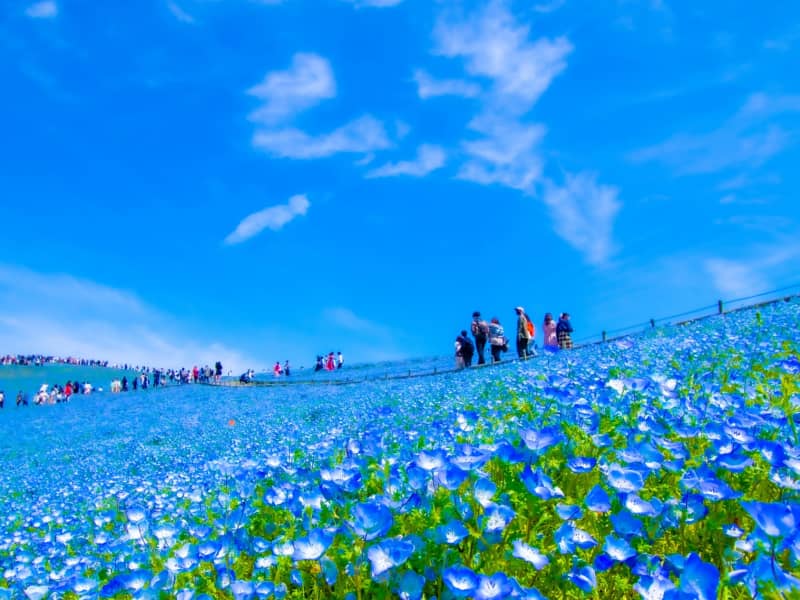

Visitors can explore the vast park via bike rental stations offering standard and electric-assist bicycles, or utilize the Seaside Train that circulates between major areas. The park features multiple flower gardens including the Tamago no Mori area with tulips and daffodils, rose gardens in early summer, and California poppy fields. Food trucks and cafeterias provide refreshments throughout the property, while the dog-friendly policy allows pets in most areas except specific flower zones during peak blooming periods.


The facility provides comprehensive amenities including numerous wheelchair-accessible restrooms, picnic tables, playgrounds, and a skateboarding area. With paid parking lots and free street parking available, the park accommodates both day-trippers and families planning extended visits. The combination of natural beauty, recreational activities, and seasonal floral displays makes this national park a distinctive destination for photography enthusiasts, cycling lovers, and nature seekers throughout the year.
Before you go
Admission fees vary by season. During regular periods, entry is typically ¥450 for adults, while special seasonal admission applies during peak nemophila and kochia blooms, usually around ¥800. Junior high school students and younger enter free. The park offers extensive paved pathways, accessible toilets, wheelchair rentals, restaurants, cafés, vending machines, picnic areas, bicycle rentals, and a sightseeing train. Comfortable walking shoes are recommended as distances between attractions can be significant. Dogs are allowed in many outdoor areas when leashed, though restrictions may apply in some flower fields during peak seasons. Tripods for personal photography are generally permitted but may be restricted during crowded bloom periods to avoid obstructing visitors. Bringing water, sun protection, and a camera is highly recommended, especially during spring and autumn.
Open daily from 9:30 AM, closing at 5:00 PM most of the year, 6:00 PM during summer (July 21 to August 31), and 4:30 PM during winter (November to February). Regular closures are Tuesdays, December 31, January 1, and a maintenance period in early February, although many Tuesday closures are suspended during peak flower seasons.
When to go
Spring brings the park's most iconic display when 5.3 million baby blue nemophila flowers blanket Miharashi Hill from mid-April through early May, creating a stunning carpet that merges with the sky and sea. Autumn transforms the landscape as kochia bushes turn brilliant red from early to mid-October, while summer and winter offer quieter visits with roses, poppies, and evergreen scenery perfect for cycling and woodland walks. Weekday mornings provide the most peaceful experience, particularly on Wednesdays and Thursdays when crowds are minimal and you can explore the vast grounds at a leisurely pace. Arriving right at opening time (9:30 AM) ensures access to bicycle rentals without long waits and allows you to photograph the flower fields before peak visitor numbers arrive in the afternoon.
Average crowd levels throughout the day, based on historical data.
Public review summary
Visitors consistently praise the stunning seasonal flower displays, particularly the iconic blue nemophila carpets and vibrant red kochia in autumn. The parks massive size impresses guests, though many recommend renting bicycles due to extensive walking distances. Families appreciate the diverse amenities including playgrounds, cycling paths, and pet-friendly policies. Some express disappointment visiting outside peak bloom periods when花fields are bare. Crowds during Golden Week and nemophila season can be overwhelming, but early arrivals help. Clean facilities and reasonable entrance fees earn positive mentions.
What you'll find here
Location & access
- DirectionsAddress
Japan, 〒312-0012 Ibaraki, Hitachinaka, Mawatari, 字大沼605-4
- How to get there
By Public Transportation:
From Tokyo Station, take the JR Joban Line Limited Express to Katsuta Station, which takes approximately 80 to 90 minutes. From Katsuta Station West Exit, board the bus bound for Hitachi Seaside Park. The ride takes around 15 minutes to the West Gate or approximately 20 minutes to the Seaside Entrance.
By Car:
From central Tokyo, the drive takes approximately 90 to 120 minutes via the Joban Expressway. Exit at Hitachinaka IC and follow signs to the park. Multiple large paid parking areas are available near the main entrances, accommodating thousands of vehicles during peak seasons.
Common questions
What is the best season to visit Hitachi Seaside Park?
Spring (mid-April to early May) is ideal for nemophila flowers that paint Miharashi Hill in stunning blue, while autumn (early to mid-October) showcases vibrant red kochia. Tulips and daffodils bloom in spring, roses and poppies appear in early summer, and cosmos flowers brighten the autumn landscape.
Can I bring my dog to Hitachi Seaside Park?
Yes, dogs are allowed at Hitachi Seaside Park and many visitors bring their pets. The park features a dog park area and is popular for dog walking. However, some areas within the park have restrictions, so check signage and follow posted guidelines for pet access in specific zones.
Is bicycle rental available at the park?
Yes, bicycle rentals are available at multiple locations within Hitachi Seaside Park. Electric-assist bicycles are recommended due to the park's hills and vast size. Rental locations near popular entrances can have long lines during peak seasons like Golden Week, but alternative rental spots are available throughout the grounds.
How much does it cost to enter Hitachi Seaside Park?
Adult admission to Hitachi Seaside Park is 450 yen. Parking costs 600 yen for the day. The park accepts various payment methods including credit cards, PayPay, Rakuten Pay, au PAY, and Transit IC cards. Additional fees apply for certain facilities like the amusement park area.
Is Hitachi Seaside Park wheelchair accessible?
Yes, Hitachi Seaside Park offers wheelchair accessible entrances, parking lots, and seating areas. However, some paths can be bumpy or narrow, particularly in certain sections. The park is generally navigable for wheelchair users, though some steeper areas near the entrance and hills may require extra caution.

Bring this spot to life with a local photographer
Book a vetted local photographer who knows the best light, angles, and timing for this location.