

At a glance
A historic lighthouse perched on Chiba's Pacific coast, offering panoramic ocean views from its 99-step spiral staircase. Built in 1874, this Important Cultural Property features exhibits on maritime history, vintage lenses, and serves as one of Japan's earliest sunrise viewing spots.
Photographs
Inubosaki Lighthouse
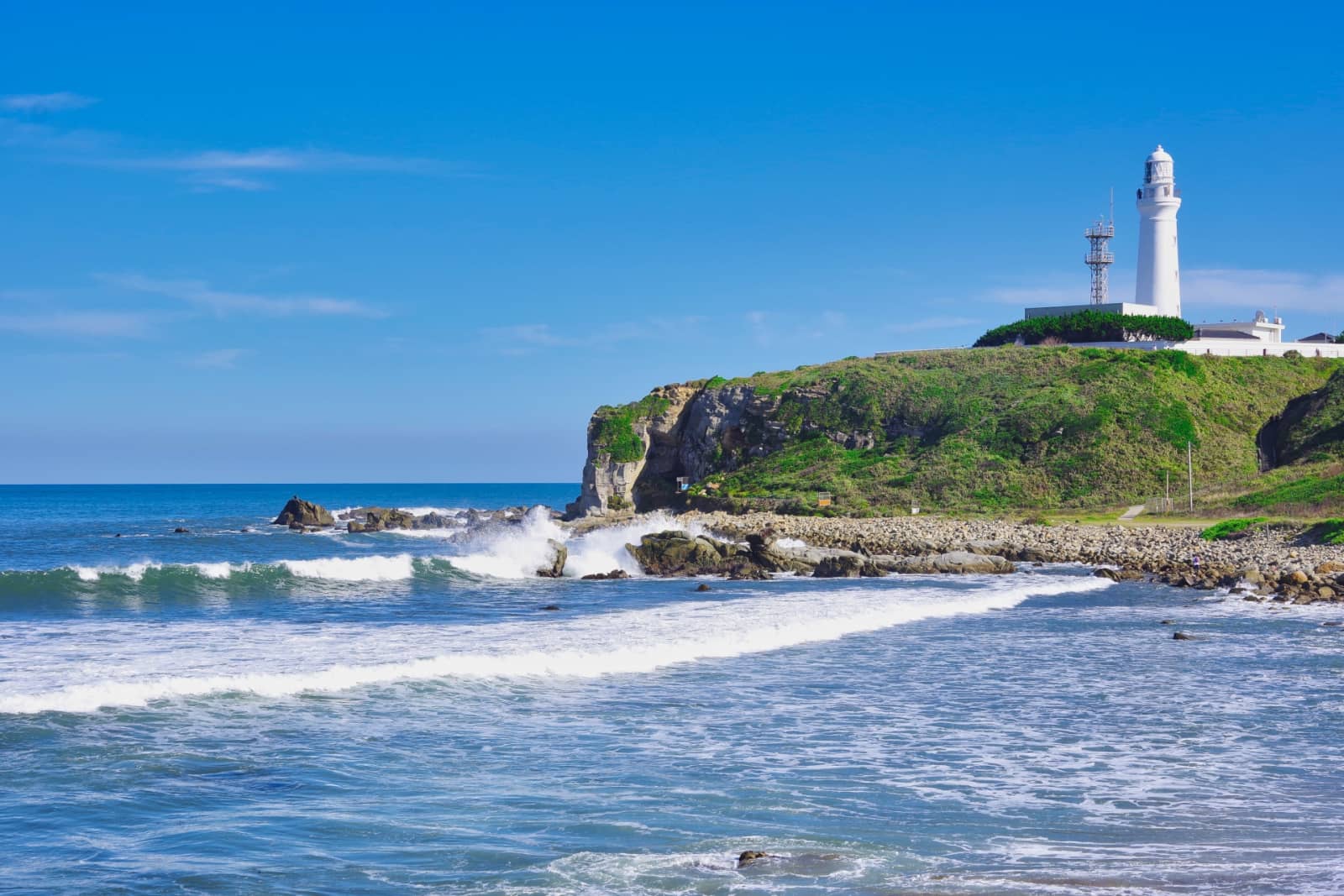
You’re standing at the base of a bright white beacon perched atop Cape Inubō, where the waves crash against 120 million year old cliff rocks. Designed in 1874 by British engineer Richard Henry Brunton, its walls are built from Japan’s first domestically made red bricks, packed double thick to stand firm in coastal storms, and they’ve held strong ever since. At 31 meters tall, it’s the second tallest brick lighthouse in Japan, a proud symbol overlooking the Pacific.


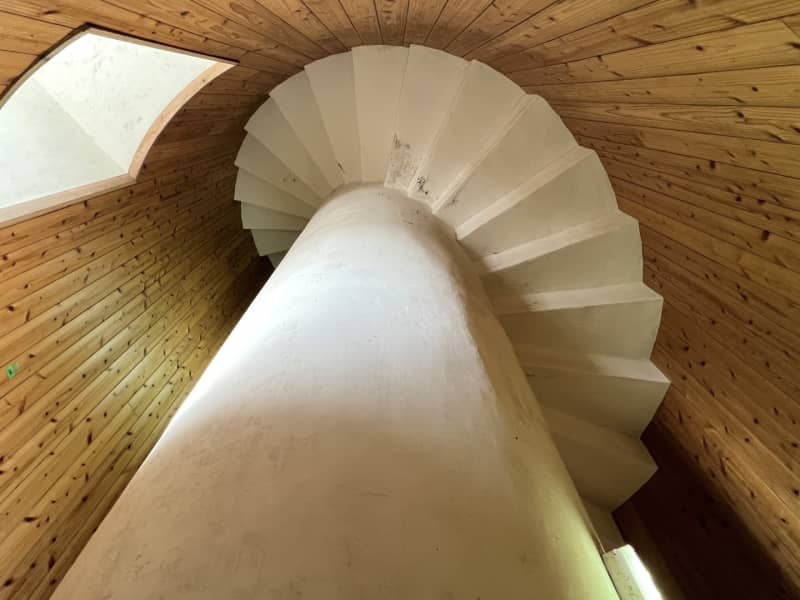
Inside, a snug spiral staircase curls skyward, 99 steps that feel surprisingly gentle as you climb, revealing small cut-out windows where sea breeze drifts in. Each step draws you closer to that wide-open deck, where the 360° view delivers nothing but wind, horizon, and sky. On a clear day you’ll spot the shape of Kujūkuri coastline and perhaps distant landmarks like Oarai’s tower glimmering on the edge of the ocean.
At the base, the adjacent museum is a quietly impressive blend of hands-on exhibits and historic artifacts. Its centerpiece? The massive, first-order Fresnel lens, 2.5 meters tall, 13 ton apparatus, once used here and at Okinoshima Lighthouse. It still rotates on its original mechanism during special demos, a mesmerizing glimpse of 19th-century engineering. Nearby, the preserved foghorn house plays recorded blasts, transporting you back to when sound led ships through thick morning mists.
Out on the lawn, a small treasure awaits: the “Post Box of Happiness”, a white mailbox visitors love for sending postcards with a unique lighthouse postmark. Drop a note on White Day and join the locals hoping for a wish come true. Wander the walking trails around the headland and you’ll find quiet spots to pause, soak in the sea wind, and watch waves tumble over ancient fossilized ledges, remnants of the Cretaceous past.


On New Year’s Day, locals and travelers gather along the rocky shores of Inubōsaki to witness something truly special: Japan’s earliest visible sunrise, excluding mountaintops and remote islands. As the first light of the year breaks over the vast Pacific, it casts a golden glow on the white lighthouse and crashing waves below. It’s a serene and powerful moment, perfect for quiet reflection or making a fresh start. Many visitors take the opportunity to offer a silent wish or personal vow for the year ahead, surrounded by sea spray, salt air, and the timeless rhythm of the ocean.
Nearby, Inubō Terrace offers a cozy break. Pop in for tea or a snack, shop for locally made crafts, or join seasonal outdoor events like the Chōshi Music Festival held right on-site. Whether climbing for sunrise, exploring exhibits, or just listening to the ocean, Inubosaki Lighthouse blends human story and geologic time in a quiet, unforgettable coastal embrace.
Before you go
The lighthouse and its small museum require an entry ticket, which you can purchase at the little hut to the left of the entrance gate. Admission is about 300 yen for junior high school students and older, while children, people with disabilities, and one accompanying caregiver can enter for free. The lighthouse has no elevator or ramps, and the climb to the top involves a narrow 99-step spiral staircase, so be prepared for some exertion and wear comfortable shoes. The surrounding grounds are mostly flat and easy to walk. Toilets and a café are available nearby at Inubō Terrace, and there is basic English signage. Tripods aren’t restricted, but the sea breeze can be strong, so use caution when setting up.
The site is open year‑round, with no scheduled closing days except for rare stormy weather or maintenance. Seasonal hours apply:
- March to September: 8:30 AM - 5:00 PM
- Golden Week (Aug 10th - 19th): 8:30 AM - 5:30 PM
- October to February: 8:30 AM - 4:00 PM
- Closed only during severe weather or official maintenance days
When to go
Winter is the prime season to visit Inubosaki Lighthouse for spectacular sunrise views, as it's one of the earliest spots to see the first sunrise in Honshu. Spring and autumn offer clear skies and comfortable temperatures ideal for climbing the 99 steps to the observation deck. Early morning visits between 8:30 AM and 10:00 AM provide the best experience with minimal crowds and optimal lighting for photography. Weekday mornings are particularly peaceful, offering unobstructed views of the Pacific Ocean and more time to explore the lighthouse museum.
Average crowd levels throughout the day, based on historical data.
Public review summary
Visitors praise the stunning Pacific Ocean vistas and historic lighthouse ambiance, highlighting the panoramic views from the 99-step climb. The spiral staircase and antique lenses draw particular interest, while the first sunrise viewing spot remains a major draw. Some note limited parking during peak times and occasional weather-dependent visibility. The adjacent terrace area receives positive mentions for its relaxing atmosphere and local amenities.
What you'll find here
Location & access
- DirectionsAddress
9576 Inubosaki, Choshi, Chiba 288-0012, Japan
- How to get there
Public Transportation: From JR Chōshi Station, take the Chōshi Electric Railway to Inubō Station. It’s about a 10-minute walk from there to the lighthouse. Alternatively, you can take a bus from the JR Chōshi Station Bus Terminal (Stand 6) bound for “Inubō / Tokawa.” Get off at the “Inubō” stop, then walk around 8 minutes to reach the site.
By Car: Drive via the Higashi-Kantō Expressway to the Sawara-Katori Interchange, then follow local roads to Chōshi. Free public parking is available near the lighthouse, just a short walk from the entrance.
Common questions
Can visitors climb to the top of Inubosaki Lighthouse?
Yes, visitors can climb the 99 steps of the spiral staircase to reach the observation deck. The climb rewards you with panoramic views of the Pacific Ocean, though the staircase is narrow and shared for both ascending and descending traffic.
What is the best way to get to Inubosaki Lighthouse?
The lighthouse is accessible via Inubo Station on the Choshi Electric Railway, with a 10-minute walk from the station. There is also a free parking lot for about 50 cars near the adjacent Inubou Terrace Terrace.
What historic significance does the lighthouse have?
Built in 1874, Inubosaki Lighthouse was one of Japan's first modern lighthouses and became the country's first lighthouse designated as an Important Cultural Property in 2010. It has also been selected as one of the 50 best lighthouses in Japan.
Are there any facilities or attractions nearby?
Yes, the lighthouse complex includes a museum displaying historic lenses and lighthouse equipment, plus the Inubou Terrace Terrace which offers souvenirs, local produce, and a free rest area with hammocks on the second floor.
Is the lighthouse suitable for families with children?
The lighthouse is family-friendly with educational exhibits and safe viewing areas. However, parents should note that the 99-step spiral staircase might be challenging for very young children or those with mobility issues.
Bring this spot to life with a local photographer
Book a vetted local photographer who knows the best light, angles, and timing for this location.