

At a glance
Itsukushima Shrine is a UNESCO World Heritage Shinto shrine located on Miyajima Island in Hatsukaichi, Hiroshima Prefecture. Famous for its iconic vermilion torii gate that appears to float on water during high tide, this 6th-century shrine features traditional Shinden-zukuri architecture with elevated corridors built over the sea. The shrine enshrines the three Munakata goddesses and offers dramatically different experiences depending on tidal conditions, allowing visitors to walk near the torii at low tide or view it reflected in the water at high tide.
Photographs
Itsukushima Shrine
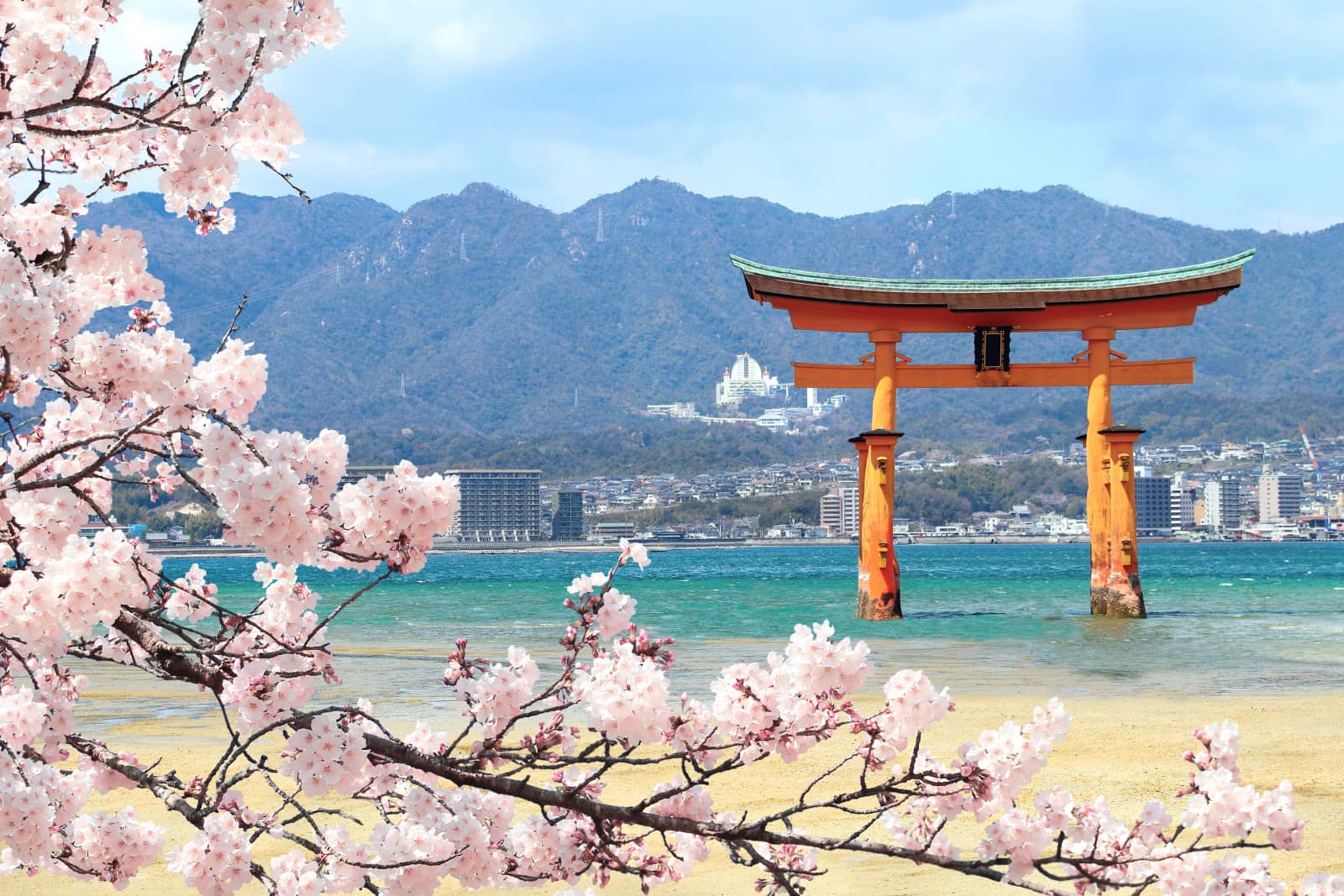
Itsukushima Shrine stands as a masterpiece of sacred architecture, where vermilion corridors and pavilions appear to float upon the Seto Inland Sea during high tide. Founded in 593 AD and extensively renovated by Taira no Kiyomori in the 12th century, this UNESCO World Heritage Site exemplifies the elegant Shinden-zukuri style of aristocratic Heian-period design. The shrine's iconic 16-meter tall torii gate, standing offshore and weighing nearly 60 tons, maintains its position through weight and engineering alone, creating one of Japan's most photographed scenes.


The shrine complex features 260-meter-long corridors with specially designed floorboards that allow tidal waters to flow beneath during high tide while draining naturally as waters recede. Visitors can experience dramatically different perspectives depending on tidal conditions—walking near the torii gate at low tide or viewing the shrine's reflection on calm waters during high tide. The sacred island setting reflects ancient beliefs that designated Miyajima as divine territory, prompting construction in the intertidal zone rather than on the island's sacred ground.
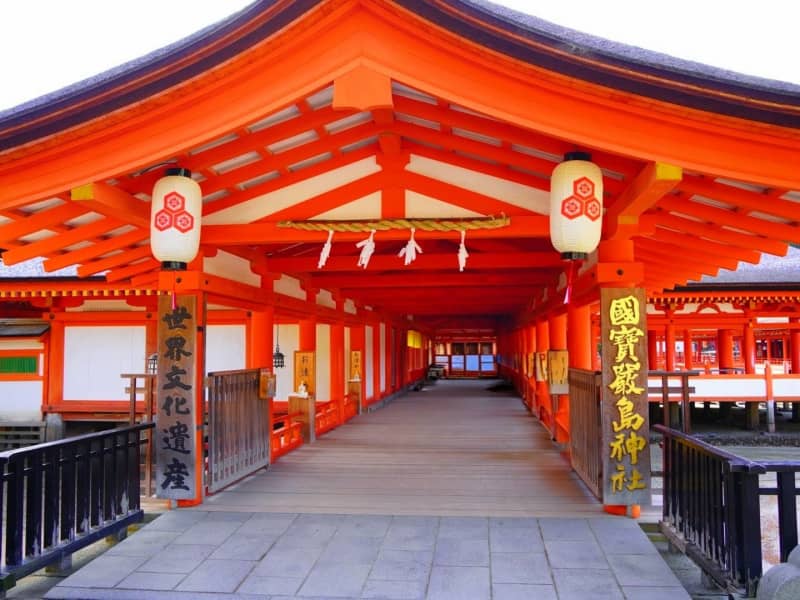
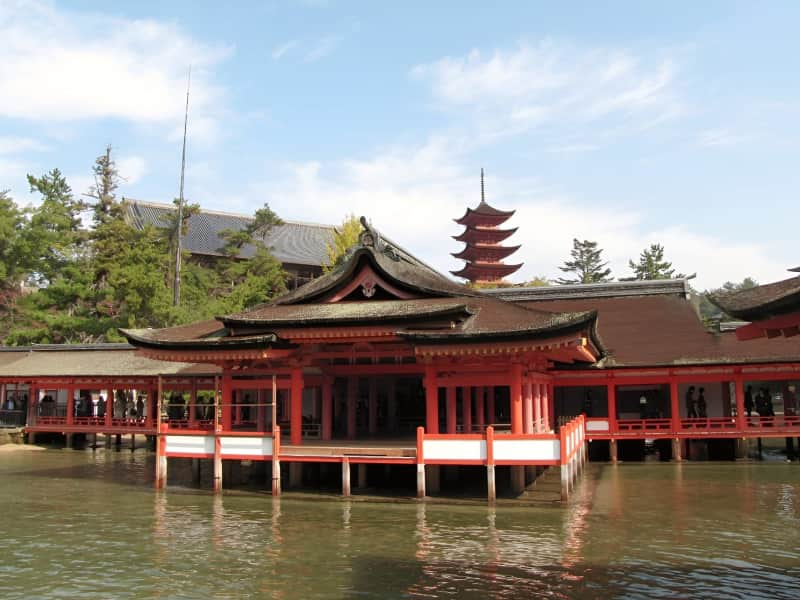
The shrine enshrines the three Munakata goddesses of the sea and safe passage, with historical connections to maritime trade protection along the Seto Inland Sea. Mount Misen rises behind the shrine complex, its summit crowned with ancient rock formations that have been objects of mountain worship since prehistoric times. Traditional court music and dance performances brought from Osaka's Shitennoji Temple during the Heian period continue at the shrine today, preserving centuries of cultural heritage.
Before you go
Admission to enter the shrine’s main corridor and buildings is typically ¥500 for adults and ¥300 for high school students, while elementary and junior high school students are usually ¥200. Visitors can view the torii and exterior grounds without entering the paid area. Comfortable walking shoes are recommended, as much of Miyajima is explored on foot. The shrine is largely accessible, though some sections may present challenges during busy periods or changing tides. Toilets, cafés, restaurants, and souvenir shops are available throughout the surrounding area. English signage is reasonably available. Tripods may be tolerated for personal photography during quieter times but are discouraged during crowded periods and special ceremonies. Check tide schedules before visiting to maximize the experience.
Itsukushima Shrine is generally open every day of the year, including national holidays. Opening and closing times vary slightly by season, typically from around sunrise until early evening. Special ceremonies and festivals may affect access to certain areas.
When to go
Autumn brings vibrant momiji (maple) foliage to Mount Misen's backdrop, making it the most popular season for photography enthusiasts, while spring offers cherry blossoms framing the vermilion shrine buildings. Summer provides longer daylight hours for exploring both low and high tides in a single day, though the heat can be intense, and winter offers serene, crowd-free visits with crisp views across the Seto Inland Sea. Arriving right at the 6:30 AM opening ensures peaceful shrine appreciation before ferry crowds arrive from Hiroshima, while late afternoon visits around 4:00 PM allow you to experience both the shrine grounds and the spectacular sunset illuminating the torii gate. Weekday mornings, particularly Tuesday through Thursday, provide the most tranquil experience for walking the 260-meter vermilion corridors and observing tidal changes without the weekend rush.
Average crowd levels throughout the day, based on historical data.
Public review summary
Visitors consistently praise the shrines stunning floating torii gate and peaceful atmosphere, especially during high tide when the entire structure appears to rest on water. Many appreciate the opportunity to see it at both high and low tides for contrasting perspectives. Some note crowds during peak hours and express disappointment when certain areas are under renovation. The abundance of friendly deer adds charm, though summer heat can be challenging for extended visits.
What you'll find here
Location & access
- DirectionsAddress
1-1 Miyajimacho, Hatsukaichi, Hiroshima 739-0588, Japan
- How to get there
By Public Transportation:
From Hiroshima Station, take the JR Sanyo Line to Miyajimaguchi Station (about 25 minutes). From there, walk a few minutes to the ferry terminal and take either the JR or Matsudai ferry to Miyajima Island. After arriving, the shrine is approximately a 10-minute walk from the ferry terminal.
By Car:
Drive to Miyajimaguchi on the mainland via the Sanyo Expressway. Private vehicles are generally not permitted on Miyajima itself, so visitors must park near the ferry terminal and continue by ferry. Several paid parking facilities are available around Miyajimaguchi.
Common questions
What is Itsukushima Shrine known for?
Itsukushima Shrine is renowned for its iconic vermilion torii gate that appears to float on the water during high tide. This venerable 16th-century Shinto shrine is a UNESCO World Heritage Site and one of Japan's most photographed landmarks, featuring stunning architecture built over the sea in traditional Shinden-zukuri style.
How do I get to Itsukushima Shrine from the mainland?
To reach Itsukushima Shrine, take a ferry from Miyajimaguchi to Miyajima Island. The ferry ride takes approximately 10-15 minutes and costs 180 yen one way for adults. Both JR Miyajima Ferry and Matsudai Kisen operate services. Once on the island, the shrine is about a 10-minute walk from the ferry terminal.
Can I visit the shrine at both high and low tide?
Yes, visiting at different tides offers completely different experiences. At high tide, the shrine and torii gate appear to float majestically on the water, creating stunning reflections. At low tide, you can walk out to the base of the torii gate on the exposed seabed. Check local tide schedules to plan your visit accordingly.
Are there deer on Miyajima Island?
Yes, Miyajima Island is home to many free-roaming deer that are considered sacred messengers of the gods. The deer wander throughout the island, including around Itsukushima Shrine. While they are generally friendly, visitors should avoid feeding them as they can be assertive and may damage belongings while searching for food.
What facilities are available at Itsukushima Shrine?
Itsukushima Shrine offers restroom facilities and has a wheelchair accessible entrance. The shrine provides onsite services including the sale of omamori (protective amulets) and goshuin (temple stamps). The wooden corridors allow visitors to walk through the shrine complex while enjoying views of the Seto Inland Sea and Mount Misen.
Bring this spot to life with a local photographer
Book a vetted local photographer who knows the best light, angles, and timing for this location.