

At a glance
Kabuki-za stands as Tokyo's premier kabuki theater, combining traditional architecture with modern amenities in Ginza. This iconic cultural landmark offers authentic Japanese theatrical performances with single-act viewing options, audio guides, and convenient access to shopping and dining facilities within the complex.
Photographs
Kabuki-za
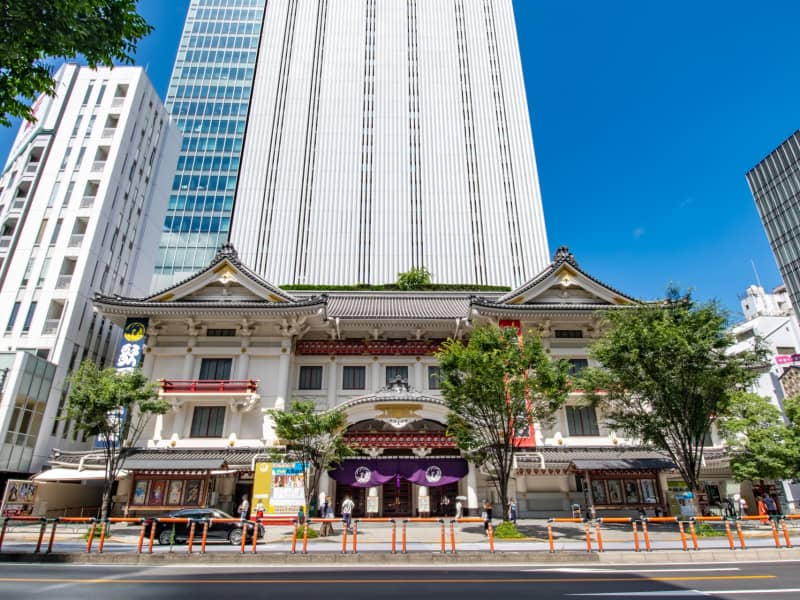
Kabuki‑za sits in the heart of Ginza, Tokyo, serving as the premier stage for kabuki, a classical Japanese theater form known for its stylized performances, elaborate makeup, and traditional music. The current building, reopened in 2013, is the fifth generation of the theater. Designed by acclaimed architect Kengo Kuma, it blends historic visual cues like the signature tiled roof and karahafu gables (curved, undulating eaves often seen in shrines and castles) with modern earthquake‑resistant materials and visitor comforts.


The word kabuki is made up of three kanji characters: “ka” (歌) meaning song, “bu” (舞) meaning dance, and “ki” (伎) meaning skill or acting. Together, they describe a highly stylized form of Japanese performance that blends music, movement, and drama into a single art form. Actors wear elaborate costumes and striking face makeup known as kumadori, using bold gestures and exaggerated expressions to tell stories that range from historical epics to supernatural tales.
Steeped in history, this site has seen its share of trials, from fires in 1921 to wartime bombardments and a full demolition in 2010. Yet each rebuilding preserved that classic, baroque revival style meant to evoke a sense of historic elegance. The exterior’s imposing façade and interior décor, including vaulted ceilings and rotating stages, still carry that same theatrical grandeur.


Inside, the theater seats nearly 2,000 guests across several tiers. The hanamichi, a raised walkway that extends from the back of the theater through the audience to the stage, delivers thrilling close‑ups of performances. Actors use this path for dramatic entrances and exits, often pausing mid‑stride for climactic moments. Stagecraft is equally impressive, with trapdoors and revolving platforms that create swift and seamless scene changes.
Beyond the performance itself, Kabuki‑za is a full cultural setting. Explore the basement shops for sweets and kabuki keepsakes, dine at in‑house restaurants or grab a boxed lunch during intermission, and wander the adjacent Kabukiza Tower rooftop garden, an elevated, serene spot that offers a quiet contrast to the energy of the street below.
Before you go
Public transport is easiest, Higashi‑Ginza Station Exit 3 connects directly to the theater via subway. Feel free to eat bento quietly during intermissions. Photography is only allowed only in public areas; no tripods permitted. Bring cash for single‑act tickets (~¥600–2,000) and captioning guides (~¥1,500).
Kabuki-za operates year-round, with performances typically scheduled throughout the month except for occasional maintenance or theater preparation days. The theater is generally closed on January 1st for New Year’s Day and may have adjusted hours during the New Year holiday season. Performance schedules vary monthly, so it’s best to check the official calendar in advance. The box office and theater facilities are usually open daily from around 10:00 AM to 6:00 PM, depending on showtimes.
When to go
Kabuki-za's performance schedule varies seasonally, with special productions highlighting different aspects of traditional Japanese theater throughout the year. Spring and autumn months offer the most comfortable viewing conditions and tend to feature the most elaborate productions. Early morning visits around 10 AM provide the best opportunity to secure tickets for single-act performances and explore the building with fewer crowds. The theater typically experiences its highest visitor numbers during afternoon performances, particularly on weekends and holidays.
Average crowd levels throughout the day, based on historical data.
Public review summary
Visitors praise the authentic kabuki performances while noting the theaters historical ambiance and architectural beauty. The audio guides and single-act tickets receive positive feedback for making traditional performances accessible to international guests. Seating comfort is frequently mentioned as an area for improvement, particularly for taller visitors. The underground shopping area and rooftop garden add value beyond performances, though some note additional resting areas would be beneficial.
What you'll find here
Location & access
- DirectionsAddress
4 Chome-12-15 Ginza, Chuo City, Tokyo 104-0061, Japan
- How to get there
By Public Transportation: Kabuki‑za is directly connected to Higashi-Ginza Station via Exit 3 of the Tokyo Metro Hibiya Line and Toei Asakusa Line, making it extremely convenient on foot. It’s also a 5-minute walk from Ginza Station Exit A7, served by the Ginza, Marunouchi, and Hibiya Lines. From Tokyo Station, it’s about a 10-minute taxi ride.
By Car: If you’re driving, take the Ginza Exit off the Shuto Expressway. Several affiliated parking garages are nearby, including the Times Togeki Building, which offers discounted parking for theater guests. Most lots provide 1 hour of free parking with a validated ticket (30 minutes for Times Togeki), but note that single-act ticket holders are not eligible. Be sure to bring your parking ticket to the 1st-floor theater reception for validation. The lower of the available discount or maximum rate will be applied.
Common questions
How do I get tickets for Kabuki-za performances?
Tickets can be purchased online through Ticket Web Shochiku or by phone via Ticket Phone Shochiku. Same-day tickets, if available, are sold at the counter to the left of the main entrance on the first floor. For popular performances, advance booking is highly recommended. The Shochiku Friendship Association members get early access to tickets.
Is English translation available during performances?
Yes, audio guides and tablet devices with English translations are available for rent during performances. These devices help non-Japanese speakers follow the story and understand the cultural context. Mobile phones are not permitted during performances, making these translation services essential.
What amenities are available at Kabuki-za?
The theater features multiple restaurants, restrooms on every floor except the first, and souvenir shops. The building is fully wheelchair accessible with dedicated parking, entrances, restrooms, and seating. Payment options include credit cards, au PAY, PayPay, and transit IC cards.
Can I visit Kabuki-za without seeing a performance?
Yes, visitors can explore the building's public areas including the rooftop garden and underground shopping area. The 5th floor features the Kabukiza Gallery and various shops, while the basement level houses souvenir shops and dining options.
What is the typical duration of a Kabuki performance?
Full performances can last several hours, similar to opera, with some shows running from afternoon until evening. However, single-act tickets are available for shorter viewings, typically lasting 30-40 minutes, making it more accessible for tourists.

Bring this spot to life with a local photographer
Book a vetted local photographer who knows the best light, angles, and timing for this location.