
At a glance
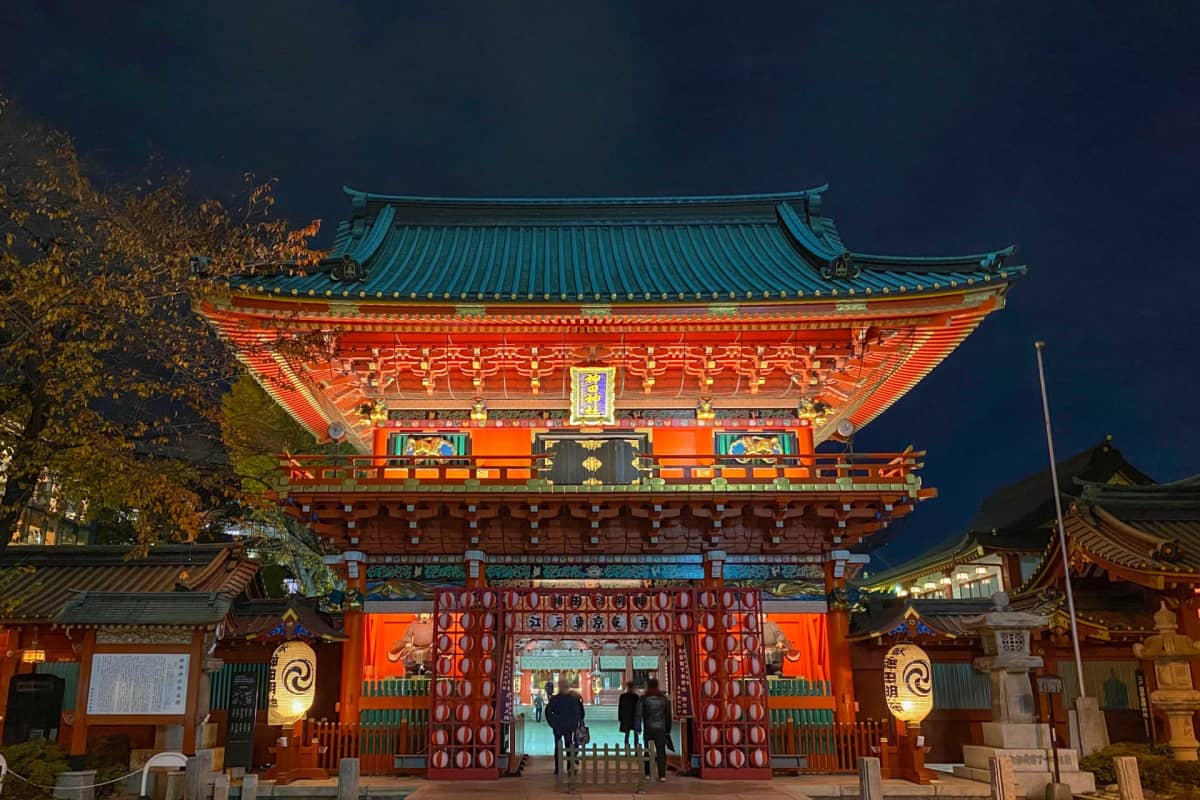
Kanda Myojin Shrine, established in 730 AD, stands as a venerable Shinto sanctuary in central Tokyo. This historic shrine, known for its striking vermilion architecture and gold accents, offers spiritual solace while serving as a guardian of both traditional faith and modern technology through its unique IT-focused blessings.
Photographs
Kanda Myoujin Shrine
Kanda Myojin Shrine traces its spiritual roots back to 730 AD, making it one of Tokyo’s oldest Shinto sanctuaries. Originally built near Otemachi and later relocated to its current hilltop spot between Akihabara and Ochanomizu, it reflects the transformation of Edo into modern Tokyo.
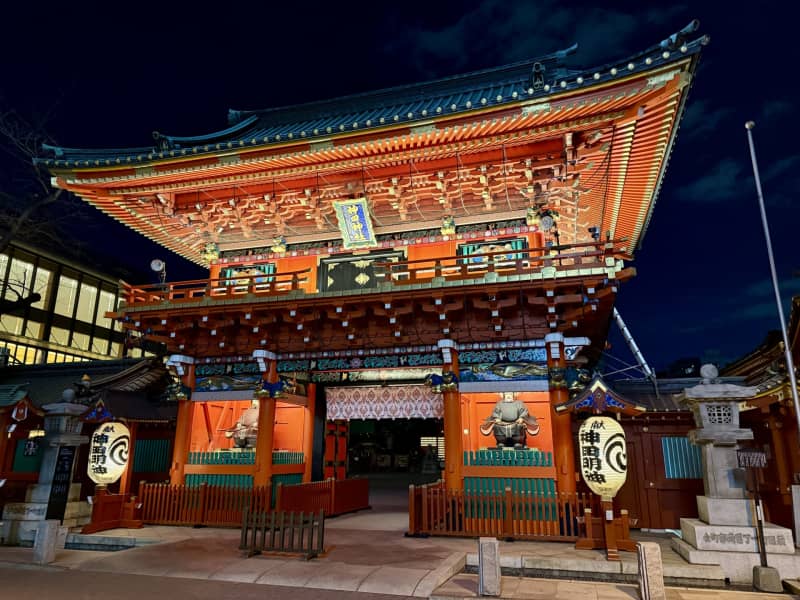

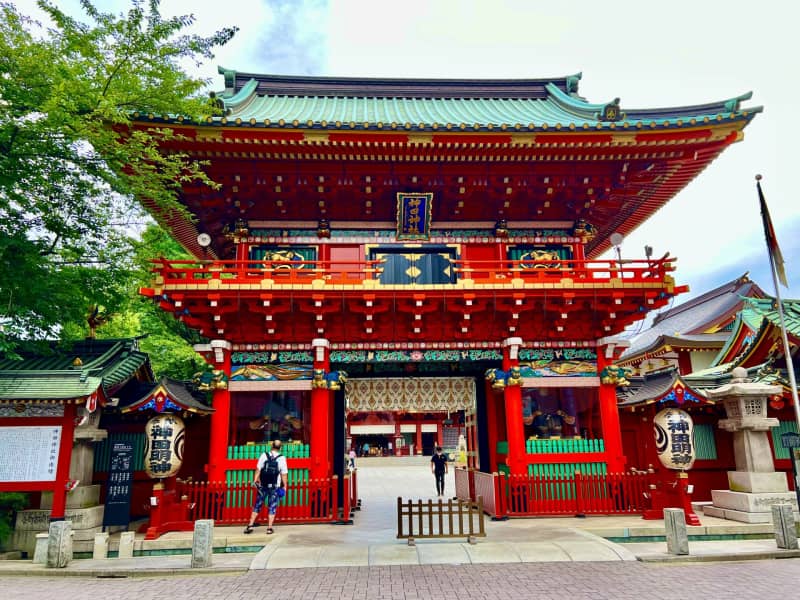
As you pass beneath the two-story Zuishin-mon gate, rebuilt in 1995 from cypress and painted a bold vermilion, you step into a space where history and urban culture blend. The main hall, designed in the vivid Gongen-zukuri style, is rich with deep reds and gold accents that reflect centuries of tradition and craftsmanship.
The shrine enshrines three deities: Daikokuten, associated with prosperity and matchmaking; Ebisu, a symbol of good fortune in business and fishing; and Taira no Masakado, a controversial figure from the Heian era who was later deified. Their stories linger in the atmosphere but don’t overwhelm the peaceful tone of the grounds.


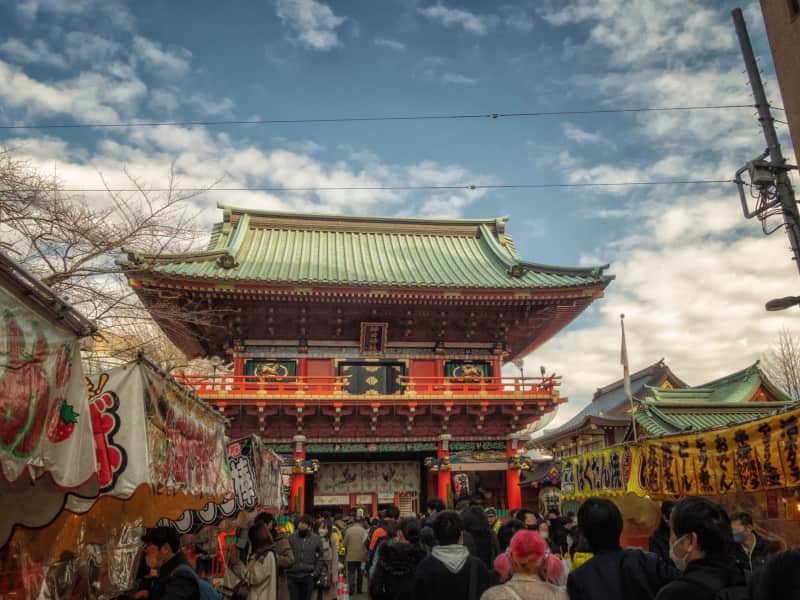
Visitors can explore smaller shrines and statues across the complex, as well as the modern cultural exchange center known as EDOCCO. This space includes a compact museum featuring festival artifacts like mikoshi and historical models. It’s a good stop to understand the shrine’s modern role, especially during the Kanda Matsuri, one of Tokyo’s three great festivals held in odd-numbered years.
One of the more charming and unexpected aspects of Kanda Myojin is its IT-themed omamori. Reflecting its proximity to Akihabara, these protective charms are designed for electronics, with circuit board patterns and even manga-inspired ema votive plaques drawn by visitors. The result is a unique mix of tradition and pop culture that feels distinctly Tokyo. During festivals and seasonal events, the grounds come alive, but on most days, it offers a peaceful break from the urban pace.
Before you go
The shrine grounds are open 24/7 and admission is free, so you can drop in anytime. The museum/cultural center (EDOCCO) is only open on weekends and public holidays, usually from 10:00 to 16:00, with an entrance fee around ¥300 for adults and ¥200 for students. Expect stairs and slightly uneven paths, so wear comfortable shoes. English signage is sparse but many staff speak basic English. Tripods are okay on quiet days but may be restricted during festivals. There are toilets and a small café nearby.
The shrine is open every day, 24 hours, including holidays. The Kanda Matsuri, one of Tokyo’s three great festivals, is held in odd-numbered years around May 15, typically the Saturday and Sunday closest to that date. The shrine becomes extremely busy during New Year’s (Hatsumōde) and during festival days. The EDOCCO cultural museum is only open on weekends and public holidays, usually 10:00 to 16:00.
When to go
Spring brings spectacular cherry blossoms to Kanda Myoujin Shrine, while autumn offers vibrant foliage against the vermillion shrine buildings. May is particularly special during odd-numbered years when the famous Kanda Matsuri festival fills the grounds with traditional processions and festivities. Early mornings before 9 AM offer a serene atmosphere perfect for spiritual reflection and photography. Weekday visits, particularly Tuesday through Thursday, provide a more relaxed experience with fewer crowds than busy weekends.
Average crowd levels throughout the day, based on historical data.
Public review summary
Visitors consistently praise the shrines peaceful atmosphere and striking vermilion architecture, appreciating its role as a serene escape from nearby Akihabaras energy. The blend of traditional spirituality with modern elements like IT-themed amulets receives positive feedback. While some note the uphill walk can be challenging, the clean facilities, helpful staff, and unique fusion of old and new Tokyo culture create a compelling experience for most guests.
What you'll find here
Location & access
- DirectionsAddress
2 Chome-16-2 Sotokanda, Chiyoda City, Tokyo 101-0021, Japan
- How to get there
By Public Transportation: The shrine is an easy walk from several major stations. From JR Ochanomizu Station (Hijiribashi Exit) or Tokyo Metro Marunouchi Line Ochanomizu Station (Exit 1) it’s about 5 minutes on foot. You can also walk from JR Akihabara Station (Electric Town Exit) or Tokyo Metro Hibiya Line Akihabara Station in about 7 minutes. Suehirocho Station on the Ginza Line is another convenient option, also about a 5-minute walk.
By Car: Although limited parking is available for worshippers, driving is uncommon here. If arriving by car, use nearby paid parking lots, such as Akihabara UDX Parking (800 spaces, 24 hours) and Akihabara Dai Building Lot (112 spaces), both about 5 minutes on foot. Use Kandabashi Exit on the Inner Circular Route or Ueno Exit on Route 1.
Common questions
What are the closest train stations to Kanda Myojin Shrine?
The shrine is accessible from multiple stations: JR Ochanomizu Station and Tokyo Metro Shin-Ochanomizu Station are about 10 minutes away on foot, while JR Akihabara Station and Tokyo Metro Suehirocho Station are approximately 15 minutes walking distance.
Is parking available at the shrine?
Yes, Kanda Myojin Shrine offers a free parking lot for worshippers that can accommodate approximately 10 vehicles. The parking area is located on-site, making it convenient for those arriving by car.
What special charms or amulets can I get at the shrine?
The shrine offers unique IT-themed amulets and charms, reflecting its connection to nearby Akihabara's tech culture. You can also find traditional business prosperity amulets and other spiritual items. A vending machine is available for purchasing some charms 24/7.
How much does a goshuin (shrine stamp) cost?
A goshuin stamp costs around 300 yen. The shrine also offers goshuin books for around 1,000 yen and wooden goshuin books for 1,500 yen. These services are available from 9:00 AM to 4:00 PM daily.
Is the shrine wheelchair accessible?
Yes, Kanda Myojin Shrine features wheelchair accessible entrances, making it possible for visitors with mobility needs to access the shrine grounds and main areas.

Bring this spot to life with a local photographer
Book a vetted local photographer who knows the best light, angles, and timing for this location.