
At a glance
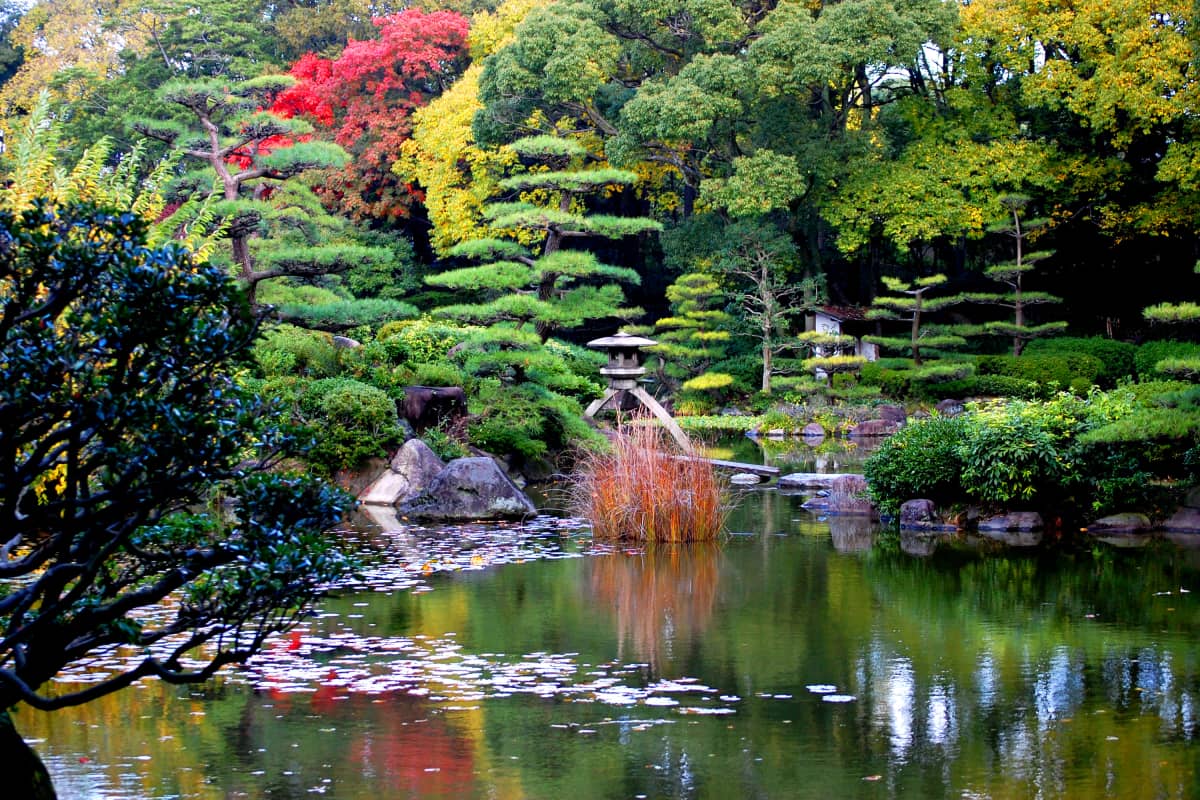
A serene Japanese stroll garden featuring a central pond with islands, traditional tea house, and meticulously maintained landscaping. Located behind Osaka City Museum of Art in Tennoji, this peaceful oasis offers stunning views of Abeno Harukas against classic garden scenery.
Photographs
Keitakuen Garden
Keitakuen Garden unfolds gently around a graceful central pond, crafted in the Tsukiyama-style “rinsen-kaiyū” strolling garden tradition, where water, stone, and greenery compose a narrative as you wander. Conceived by the celebrated landscape master Ogawa Jihei VII, also known as Ueji, a pioneer in modern Japanese garden design, this is a space born from the fusion of timeless traditions and fresh aesthetics.

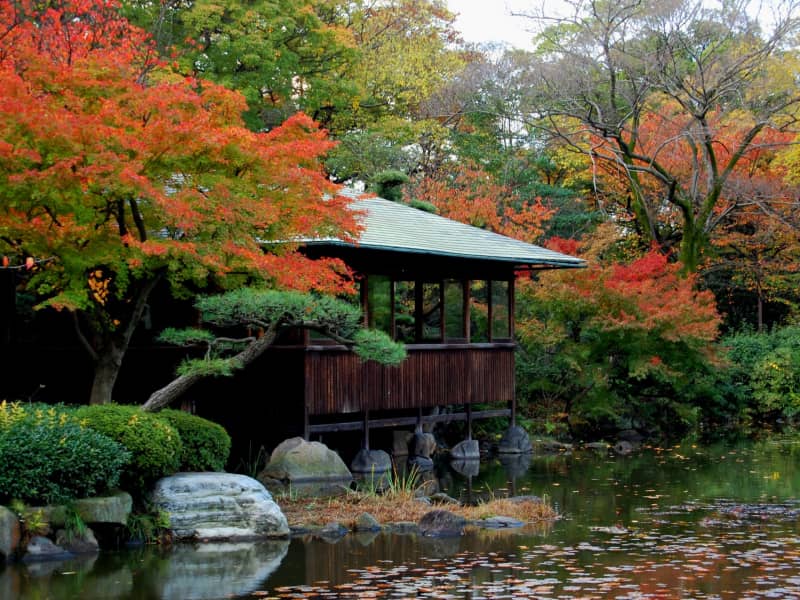

The garden originally belonged to the Sumitomo family, famed for their merchant legacy, and it was thoughtfully donated to Osaka City in 1926, transforming private serenity into public calm. That open-minded gesture lets visitors meander through shifting perspectives, from teaming koi and turtles drifting in the water to hints of Abeno Harukas, Japan’s former tallest skyscraper, casting its modern silhouette against a natural backdrop.
Stepping deeper in, you’ll find carefully placed artificial hills, stepping stones, and little bridges that coax you to slow your pace and look closer. These stepping stones (called sawatari) add a soft rhythm beneath your steps, bridging between land and water with intention and subtle energy.
Every season has its highlight here, with plum blossoms glowing in late winter to early spring, cherry blossoms and azaleas blooming in turn, irises and water lilies gracing the pond from spring into summer, and maple leaves lighting up with fiery color come November. Throughout the year, you’re likely to spot elegant egrets, herons, and other birds drifting through the branches or skimming the water’s edge.


Scattered within the garden are places to pause, including a charming waterside pavilion and a tea house, perfect for lingering with a cup of tea as you take in the harmony of natural shapes and seasonal tones. These nod to the classic Japanese technique of “borrowed scenery” (shakkei), framing distant views like the museum building or Abeno Harukas as part of the garden’s composition.
Despite being modest in size, the garden wraps you in layers of calm detail, from stone textures to plant silhouettes and water reflections, inviting a leisurely 30-minute stroll that feels richly immersive. It’s surprising how urban Osaka slips away the moment you step inside.
Before you go
Entry is modest and welcoming: Adults pay around ¥300, students ¥200, and kids under school age often enter free. Wear comfy shoes—some paths include stepping stones that are beautiful but call for steady footing. The garden includes benches and a pavilion for rest, and while tripods aren’t banned, they’re best used considerately. English signage and multilingual pamphlets help with plant names and garden layout, and there are toilets nearby in the park.
Keitakuen is closed on Mondays (or the following weekday if Monday is a holiday), and also from December 29 through January 1 for the New Year.
When to go
Autumn brings spectacular foliage to Keitakuen Garden from mid-November through early December, making it an optimal time for photography and peaceful contemplation. Spring offers pleasant temperatures and blooming flowers, creating an enchanting atmosphere against the backdrop of the pond and traditional structures. Early mornings provide the best lighting for photos and fewer visitors, allowing for a more intimate garden experience. Weekday visits, especially during non-holiday periods, offer the most serene atmosphere for enjoying the garden's peaceful ambiance.
Public review summary
Visitors consistently praise the peaceful atmosphere and well-maintained grounds, particularly appreciating the harmonious blend of traditional garden elements with modern city views of Abeno Harukas. The garden receives high marks for cleanliness and tranquility, though some mention issues with mosquitoes in summer and numerous crows. While most find the entrance fee worthwhile, a few note the relatively small size and limited walking routes. The garden particularly excels as an urban oasis for relaxation and contemplation.
What you'll find here
Location & access
- DirectionsAddress
Japan, 〒543-0063 Osaka, Tennoji Ward, Chausuyamacho, 1 天王寺公園 内
- How to get there
By Public Transportation: From Tennoji Station (JR, Midosuji or Tanimachi Metro), exit via South Exit or Metro Exit 19. It’s a short, gentle walk—about five to six minutes—right into Tennoji Park where the garden lies.
By Car: If you’re driving, head for Tennoji Park. Though detailed parking isn’t always noted for Keitakuen specifically, general park parking is available. Still, public transit is so easy and nearby, it’s usually smoother just to walk in.
Common questions
Is Keitakuen Garden worth the entrance fee?
At around 300 yen for adults (200 yen for students), Keitakuen Garden offers excellent value for a peaceful escape in central Osaka. The beautifully maintained grounds, pond with islands, and traditional landscaping make it a worthwhile investment for those seeking tranquility.
What makes this garden unique?
Keitakuen Garden was originally part of the Sumitomo family residence and was designed by the renowned Ogawa Jihei VII. The garden features borrowed scenery incorporating modern Abeno Harukas building as a backdrop, creating a unique blend of traditional and contemporary elements.
Are there places to rest in the garden?
Yes, the garden offers several rest areas including covered spaces with chairs where visitors can relax and enjoy views of the pond. There's also a traditional azumaya (pavilion) where you can sit and appreciate the garden scenery in comfort.
What's the best walking route?
The garden features a circular path around a central pond with various viewing points. The complete walking route takes about 30 minutes at a leisurely pace, allowing visitors to fully appreciate the carefully designed landscapes and peaceful atmosphere.
What facilities are available?
The garden provides clean public restrooms for visitors. While the garden is generally accessible, some areas have stone steps and stairs that may be challenging for wheelchairs or strollers. It's recommended to check the barrier-free route at the entrance.
Bring this spot to life with a local photographer
Book a vetted local photographer who knows the best light, angles, and timing for this location.