

At a glance
Koizumi Inari Shrine in Isesaki, Gunma Prefecture, is a traditional Shinto shrine known for its impressive display of approximately 300 vermilion torii gates arranged in three parallel rows stretching over 100 meters. The shrine features Gunma Prefecture's tallest torii gate at 22.17 meters and serves as a site for seasonal festivals, offering visitors a photogenic experience reminiscent of more famous Inari shrines while maintaining a peaceful, less crowded atmosphere.
Photographs
Koizumi Inari Shrine
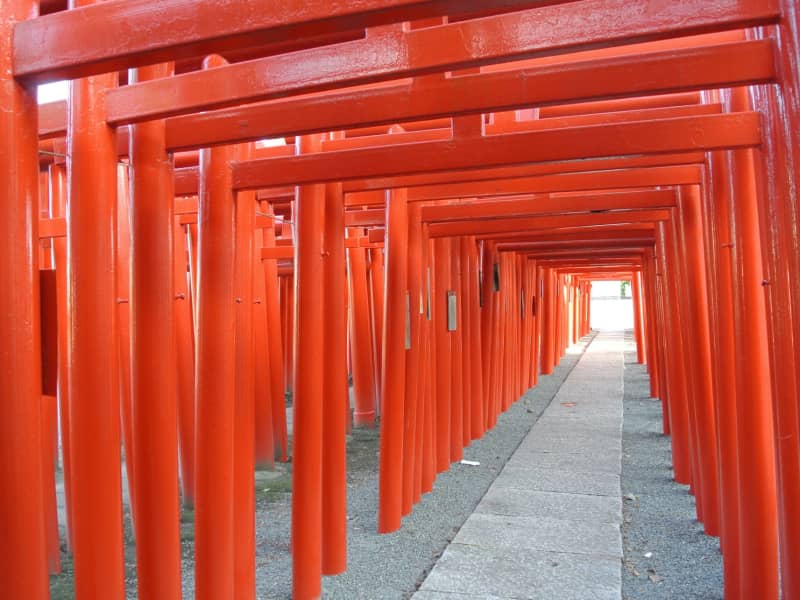
Koizumi Inari Shrine in Isesaki is one of Gunma’s most memorable Inari shrines [稲荷神社], known for its dense rows of vermilion torii [鳥居] gates that form three parallel tunnels in front of the shrine. Around 300 gates have been dedicated here, creating a scene that feels far more dramatic than the shrine’s quiet rural setting might suggest. A separate 22.17-meter great torii stands about 800 meters away and is known as the tallest in Gunma Prefecture.


The shrine’s origins are old and partly wrapped in local tradition, with some sources connecting its beginnings to ancient worship of Ōkuninushi no Mikoto, while later history ties it to Inari faith and prayers for business prosperity, household safety, and good harvests. Like many Inari shrines, foxes are central here, not as gods themselves, but as sacred messengers. Behind the main hall, rows of white fox figures left by worshippers create a surprisingly intimate scene, almost like a visible record of answered prayers.
What makes Koizumi Inari Shrine so photogenic is the contrast between scale and stillness. The red torii tunnels feel bold and almost theatrical, but the grounds remain calm, with farmland, open sky, and low buildings around them. The shrine building itself is modest, rebuilt in the Showa period, which makes the torii and fox offerings feel even more powerful as expressions of local devotion rather than tourist spectacle.


For photography, the best shots are usually taken from low angles inside the torii rows, where the gates compress into a strong red rhythm. Morning light works well for softer shadows, while late afternoon gives the vermilion gates a warmer tone. Around autumn, cosmos flowers near the large torii can add a gentle seasonal layer to the scene, especially if Mount Akagi or the open Gunma sky is visible in the background.
Before you go
Entry is free, and the grounds are open at all times, though the shrine office operates from around 9 AM. The pathways are mostly flat and easy to walk, with minimal stairs. There are basic facilities such as parking and vending machines nearby, but amenities are limited, so it’s best to come prepared. Tripods are generally fine if you’re respectful and avoid blocking paths. Visitors should observe standard shrine etiquette, including quiet behavior and proper respect at the honden. Offering fried tofu to the fox statues is a unique local custom you can try.
The shrine remains open year-round with no specific closures. During New Year, it becomes significantly busier as locals visit for hatsumode, while regular monthly festival days on the 1st and 15th bring small crowds and vendor stalls.
When to go
Spring brings pleasant weather ideal for walking through the vermilion torii gates, while autumn offers comfortable temperatures for photography. The shrine is particularly photogenic during early morning when soft light illuminates the rows of red torii gates. Weekday mornings from 8AM to 9AM provide quieter visits before crowd levels increase. The shrine office opens at 9AM for those seeking goshuin stamps, though self-stamping options are available throughout operating hours. Sunday late mornings experience the heaviest foot traffic, with visitor numbers peaking around 11AM. Early weekday hours provide opportunities to photograph the torii gates without other visitors in frame.
Average crowd levels throughout the day, based on historical data.
Public review summary
Visitors consistently praise the impressive rows of vermilion torii gates, finding them photogenic and reminiscent of Fushimi Inari on a smaller scale. The peaceful atmosphere and free admission appeal to many, though some note the compact shrine grounds and concerns about restroom cleanliness. The self-service goshuin stamp system receives mixed reactions, with some enjoying the unique experience while others prefer traditional methods.
What you'll find here
Location & access
- DirectionsAddress
231 Koizumicho, Isesaki, Gunma 379-2232, Japan
- How to get there
By Public Transportation:
From Tokyo, take the JR Takasaki Line or Ueno-Tokyo Line to Honjo Station or Isesaki Station. From either station, the shrine is about 15-20 minutes by taxi. Local buses are limited in this area, so a taxi is the most practical option for the final stretch.
By Car:
Koizumi Inari Shrine is easily accessible via the Kita-Kanto Expressway. Exit at the Isesaki Interchange, and it’s about a 10-minute drive from there. The large torii gate near the roadside makes it easy to spot. Free parking is available near the shrine grounds.
Common questions
What makes Koizumi Inari Shrine unique compared to other shrines?
Koizumi Inari Shrine is renowned for its impressive collection of approximately 300 vermilion torii gates arranged in three parallel rows stretching over 100 meters. The shrine also features Gunma Prefecture's tallest torii gate at 22.17 meters high, creating a distinctive and photogenic entrance.
Is admission free at Koizumi Inari Shrine?
Yes, admission to Koizumi Inari Shrine is completely free. Visitors can explore the grounds, walk through the torii gate tunnels, and pray at the shrine without any entrance fee. The shrine is open daily from 8 AM to 5 PM.
Can I get a goshuin stamp at this shrine?
Yes, goshuin stamps are available at Koizumi Inari Shrine with a unique self-service system. Visitors stamp the seal themselves and write the date, creating a personalized memento. The shrine office is open from 9 AM during operating hours when staff may also assist.
What are the fried tofu offerings I've heard about?
Koizumi Inari Shrine sells fried tofu (aburaage) at an unmanned stall near the torii gates for 200 yen per bag. This is traditionally offered to the fox guardians of Inari shrines. Visitors can purchase and place offerings at designated areas throughout the grounds.
Is there parking available at Koizumi Inari Shrine?
Yes, free parking is available directly in front of the shrine's main torii gate. The parking area can accommodate multiple vehicles, though it may become crowded during New Year celebrations and seasonal festivals when visitor numbers significantly increase.

Bring this spot to life with a local photographer
Book a vetted local photographer who knows the best light, angles, and timing for this location.