

At a glance
Kokedera (Saiho-ji), a UNESCO World Heritage site in Kyoto, features an extraordinary moss garden with over 120 species covering its grounds. This serene Zen Buddhist temple requires advance reservations and begins with a traditional sutra copying meditation session before visitors explore the peaceful moss-covered landscape.
Photographs
Kokedera Moss Temple
Saiho-ji, more affectionately known as Kokedera or the Moss Temple, offers an experience that blends spiritual practice with natural beauty in a way few places can match. A visit begins not in the garden but in the temple’s main hall, where guests take part in a sutra copying session called shakyo [写経]. Using a brush and ink, visitors trace Buddhist scripture, focusing on each stroke. This quiet ritual serves as a mindful gateway, preparing the heart and mind for the gardens beyond.

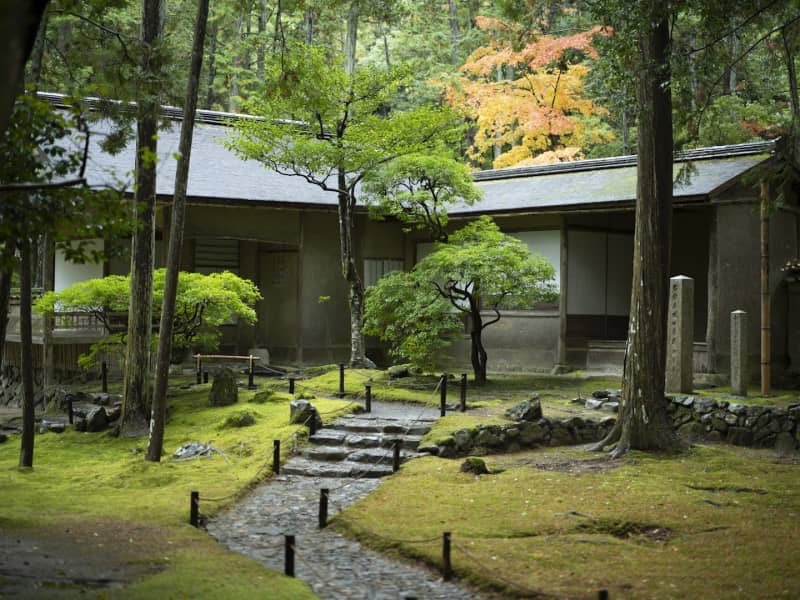

The garden itself is a masterpiece of Kyoto landscape design, laid out in the chisen-kaiyushiki [池泉回遊式] style, a circular walking path surrounding a reflective central pond. Around this pond spreads a living carpet of more than 120 varieties of moss, each with its own texture and shade of green. The interplay of moss, trees, and water feels almost painterly, with small bridges, stepping stones, and carefully placed pines adding subtle depth. In spring and summer, the moss glows bright emerald, while in autumn, fallen red and yellow leaves create a striking contrast.
The temple’s moss thrives especially during Kyoto’s rainy season, when moisture transforms the entire garden into a soft, luminous world. The quietness is intentional, entry is strictly by advance reservation, and visitor numbers are limited, ensuring the grounds remain tranquil even during peak seasons. As you follow the winding path, the scenery shifts with every step: the pond’s surface reflecting passing clouds, tiny ferns growing between stones, and moss-covered slopes that look like miniature landscapes.


Photography is allowed in the garden but not in the temple buildings, keeping the focus on the meditative atmosphere. While some visitors come for the moss alone, it’s the combination of the slow, deliberate shakyo practice and the garden’s layered beauty that makes Saiho-ji so memorable.
Before you go
You’ll need to book your visit well in advance by using the online reservation system, both requiring detailed visitor info and limited to two people per slot. The admission fee is about 4,000 yen per person, plus a 110 yen online service fee (if booking online). You must be at least 13 years old to visit. On arrival, QR code via email. The visit begins with a sutra-copying ritual (shakyo) in the main hall. Once you’re done, you’ll be free to explore the moss garden, photography is allowed only in the garden, and tripods are discouraged to preserve the peaceful ambiance.
Saiho‑ji (Kokedera) is generally open daily from 10:00 to 18:00, including holidays. Reservation system dictates visit slots—morning visits are most common and best for the light.
When to go
The moss garden reaches peak vibrancy during the rainy season (June-July) when moisture levels are highest and the moss carpets glow an intense emerald green. Spring and autumn offer comfortable temperatures and stunning seasonal contrasts with surrounding maples and cherry trees. Early morning visits provide the most serene atmosphere and best natural lighting for appreciating the moss gardens. Temple visits are strictly controlled through advance reservations, with specific entry times helping maintain a peaceful environment.
Public review summary
Visitors consistently praise the peaceful atmosphere and unique moss garden experience, though some note the high entrance fee as a concern. The mandatory sutra copying ritual receives positive feedback for creating a meditative start to the visit. While the limited entry system maintains tranquility, several reviewers mention the gardens relatively small size. The staff receives high marks for friendliness, and many appreciate the respite from crowded tourist spots. Rainy day visits are particularly recommended for optimal moss viewing.
What you'll find here
Location & access
- DirectionsAddress
56 Matsuojingatanicho, Nishikyo Ward, Kyoto, 615-8286, Japan
- How to get there
By Public Transportation: From Kyoto Station, take Bus No. 73 to “Kokedera, Suzumushi‑dera” (about an hour), then walk 3 minutes.
By Car: There’s no dedicated parking. A taxi ride from Kyoto Station takes roughly 20 minutes (around ¥3,500–4,000). Nearby coin parking can fill up quickly, so public transport is much easier.
Common questions
How do I make a reservation for Kokedera Moss Temple?
Reservations are required in advance through either their official website or by sending a return postcard. Online reservations can be made up to 2 weeks before your visit, while postcard reservations should be sent at least 7 days in advance. The temple confirms your booking with either a digital confirmation or return postcard.
What activities are included in a visit to Kokedera?
A visit to Kokedera begins with a sutra copying session in the main hall, where visitors participate in this meditative practice. Following this, you can explore the famous moss garden featuring over 120 species of moss. Photography is permitted in the garden areas but not inside the buildings.
What is the admission fee for Kokedera?
The admission fee is about 4,000 yen for online reservations, which includes a brush pen for sutra copying. For postcard reservations, the fee is 3,000 yen. Payment is accepted in cash only at the entrance on the day of your visit.
Are children allowed to visit Kokedera?
Since June 2019, children under elementary school age are not permitted to visit the temple. The focus on quiet contemplation and activities like sutra copying makes this restriction necessary to maintain the peaceful atmosphere.
What amenities are available at Kokedera?
Basic amenities include restrooms for visitors. The temple maintains a serene, minimalist environment focused on spiritual practice rather than tourist facilities. Expect limited modern conveniences as this is primarily a place of worship.

Bring this spot to life with a local photographer
Book a vetted local photographer who knows the best light, angles, and timing for this location.