
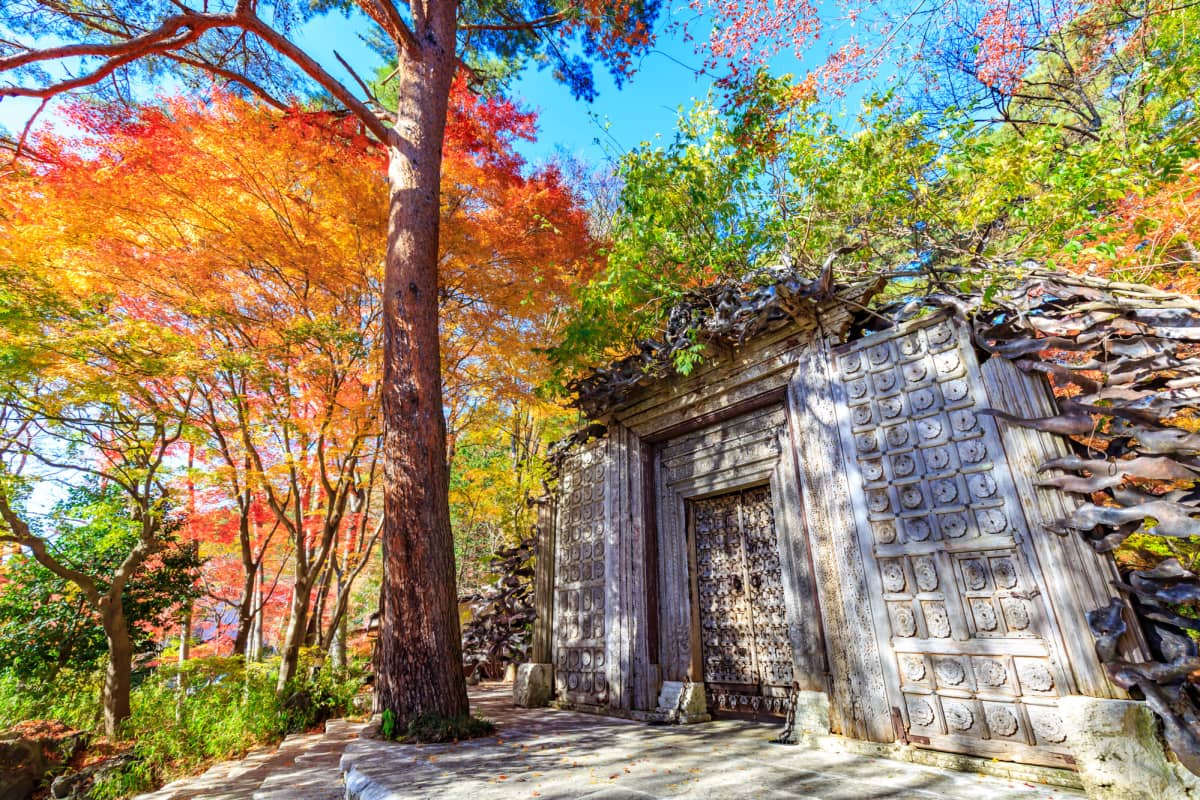
At a glance
The Kubota Itchiku Art Museum in Fujikawaguchiko showcases exquisite Tsujigahana-dyed kimonos created by textile artist Itchiku Kubota. This specialized art museum features a main exhibition hall displaying his masterwork kimono series, a traditional Japanese garden with moss-covered paths, and two cafe spaces offering Mt. Fuji views. The museum's unique architecture, influenced by Gaudí, incorporates stone sculptures and temple-like elements throughout the grounds.
Photographs
Kubota Itchiku Art Museum
The Kubota Itchiku Art Museum showcases the extraordinary tsujigahana dyeing technique revived by textile artist Itchiku Kubota. The museum’s main exhibition hall displays breathtaking kimonos featuring intricate tie-dye patterns depicting Mount Fuji, seasonal flowers, and nature scenes with vivid colors and remarkable detail. A documentary video provides insight into Kubota’s decades-long dedication to recreating this legendary medieval dyeing method, which he pursued after surviving Siberian internment.
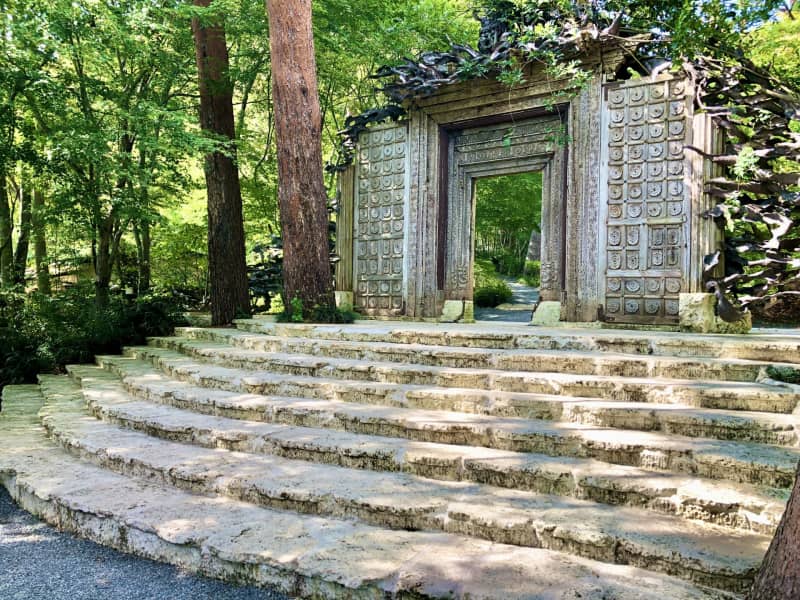
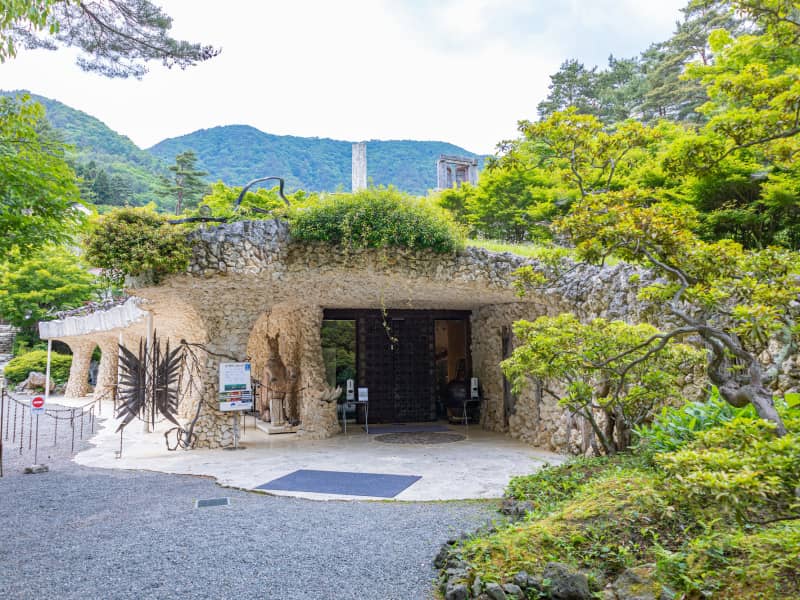
The museum’s architecture reflects Kubota’s admiration for Antoni Gaudí, featuring distinctive stone pillars and timber framing reminiscent of Spanish and Greek influences. The meticulously maintained Japanese garden includes moss-covered paths, a tranquil pond with waterfall, and seasonal displays of fresh greenery and autumn foliage. Two cafe spaces offer respite: a traditional tea room overlooking the inner garden at eye level with the water, and a second-floor terrace providing spectacular Mount Fuji views on clear days.
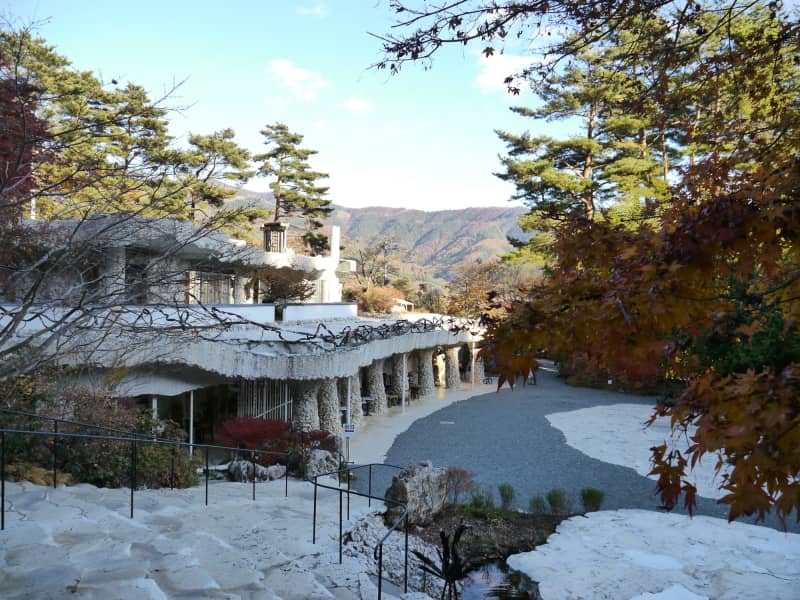
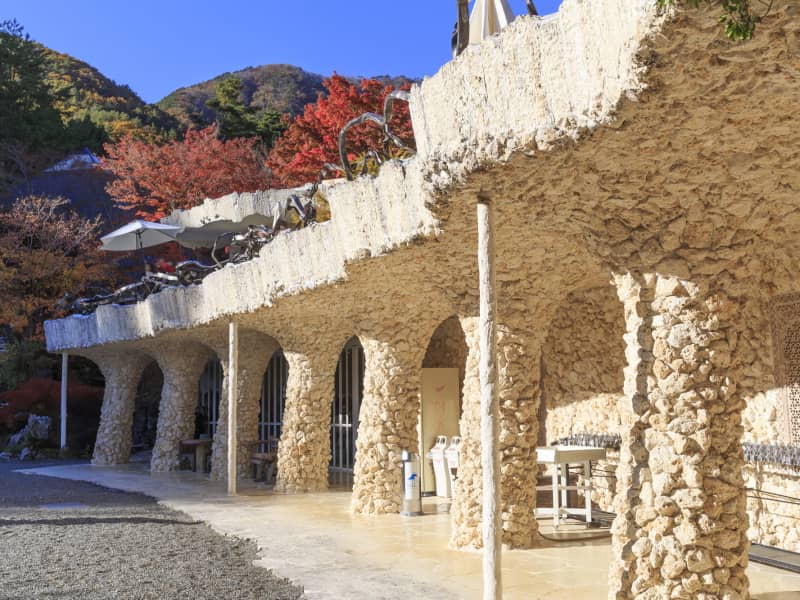
Visitors can explore the walking paths through the wooded grounds, browse the gift shop featuring stoles and textiles inspired by Kubota’s work, and admire antique objects collected during the artist’s travels. Photography is not permitted in the main kimono exhibition room to preserve the delicate textiles.
Seasonal and Event Highlights
- Spring: Fresh greenery and moss gardens emerge beautifully, often accompanied by clear views of Mount Fuji.
- Autumn: One of the museum’s most popular seasons, with vibrant autumn foliage around the garden and nearby Momiji Corridor.
- Special Exhibitions: Rotating displays of Itchiku Kubota’s kimono series, including selections from the monumental Symphony of Light collection and seasonal thematic exhibitions.
Before you go
Admission is required, with general admission typically around ¥1,500 for adults, with discounts available for students and children. Comfortable walking shoes are recommended, as the museum grounds include uneven stone paths, garden trails, and some stairs. Photography is prohibited inside the main kimono exhibition hall but is permitted in the gardens and outdoor areas. Facilities include toilets, a museum shop, and two café spaces. Limited English information is available, and visitors should allow extra time to explore both the exhibitions and the surrounding gardens. Tripods are generally discouraged indoors and should be used considerately outdoors.
The museum is generally open daily from 10:00 AM to 5:00 PM, with final admission typically one hour before closing. Temporary closures may occur for exhibition changes or maintenance, so checking the official website before visiting is recommended.
When to go
Early June offers stunning fresh greenery as maple trees and moss create a vibrant green canopy throughout the garden paths, making it an ideal time for photography. Autumn brings spectacular foliage along the maple corridor, transforming the grounds into a colorful showcase that beautifully complements the museum's Gaudí-inspired architecture. Arriving right at 10 AM opening on weekdays provides the calmest viewing experience before tour groups arrive. The museum is closed on Tuesdays and Wednesdays, so plan your visit accordingly for Thursday through Monday when you can enjoy both the kimono exhibitions and the tranquil garden strolls.
Average crowd levels throughout the day, based on historical data.
Public review summary
Visitors consistently praise the exquisite tsujigahana dyed kimonos as breathtaking masterpieces, with many describing the textile artistry as world-class. The unique Gaudí-inspired architecture and serene Japanese gardens receive widespread appreciation, particularly during autumn foliage season. Staff hospitality stands out as exceptional and helpful. Some find the admission price steep for the relatively small collection size, noting tours can be completed quickly. Photography restrictions on main works disappoint some guests.
What you'll find here
Location & access
- DirectionsAddress
2255 Kawaguchi, Fujikawaguchiko, Minamitsuru District, Yamanashi 401-0304, Japan
- How to get there
By Public Transportation:
From Kawaguchiko Station, take the Fujikyuko retro bus (Kawaguchiko Sightseeing Bus Red Line) toward the northern shore of Lake Kawaguchi and get off at the Kubota Itchiku Art Museum stop. The journey takes approximately 20 to 25 minutes, followed by a short walk to the entrance.
By Car:
The museum is located on the northern shore of Lake Kawaguchi in Yamanashi Prefecture and can be reached in around 15 minutes by car from the Chuo Expressway Kawaguchiko Interchange. Onsite parking is available for visitors.
Common questions
What are the admission fees for Kubota Itchiku Art Museum?
Adult admission to the Kubota Itchiku Art Museum is 1,300 yen, with high school and university students paying 900 yen, and elementary and junior high school students 400 yen. The museum features stunning tsujigahana dyed kimonos and beautiful Japanese gardens with Mt. Fuji views.
Is photography allowed inside the museum?
Photography is not permitted of the main kimono exhibits at Kubota Itchiku Art Museum. However, you can take photos in other areas of the museum, including the beautiful Japanese garden and architectural spaces. The tsujigahana kimonos are best appreciated in person.
What facilities are available at the museum?
The Kubota Itchiku Art Museum offers wheelchair accessible facilities including entrance, parking, and restrooms. Amenities include gender-neutral restrooms, free Wi-Fi throughout the property, and two cafe areas where visitors can enjoy refreshments with views of the garden and Mt. Fuji.
Can I visit the museum grounds without buying a ticket?
Yes, you can walk around the museum grounds at Kubota Itchiku Art Museum without purchasing an admission ticket. The beautiful Japanese garden with moss-covered paths and unique Gaudí-inspired architecture can be enjoyed from the exterior areas, though the kimono exhibits require paid entry.
How long does a typical visit take?
Most visitors spend approximately 1 hour at the Kubota Itchiku Art Museum. This allows time to view the tsujigahana kimono collection, explore the Japanese garden with its mossy walking paths, and enjoy the cafe with Mt. Fuji views. Those interested in textiles may wish to stay longer.
Bring this spot to life with a local photographer
Book a vetted local photographer who knows the best light, angles, and timing for this location.