

At a glance
Lake Okutama is an expansive artificial reservoir in western Tokyo, created by the Ogouchi Dam on the Tama River. Surrounded by forested mountains, this emerald-green lake offers scenic viewpoints, hiking trails, and the unique Mugiyama Floating Bridge experience. The lake supplies approximately 20% of Tokyo's drinking water while providing a peaceful natural retreat easily accessible from central Tokyo.
Photographs
Lake Okutama
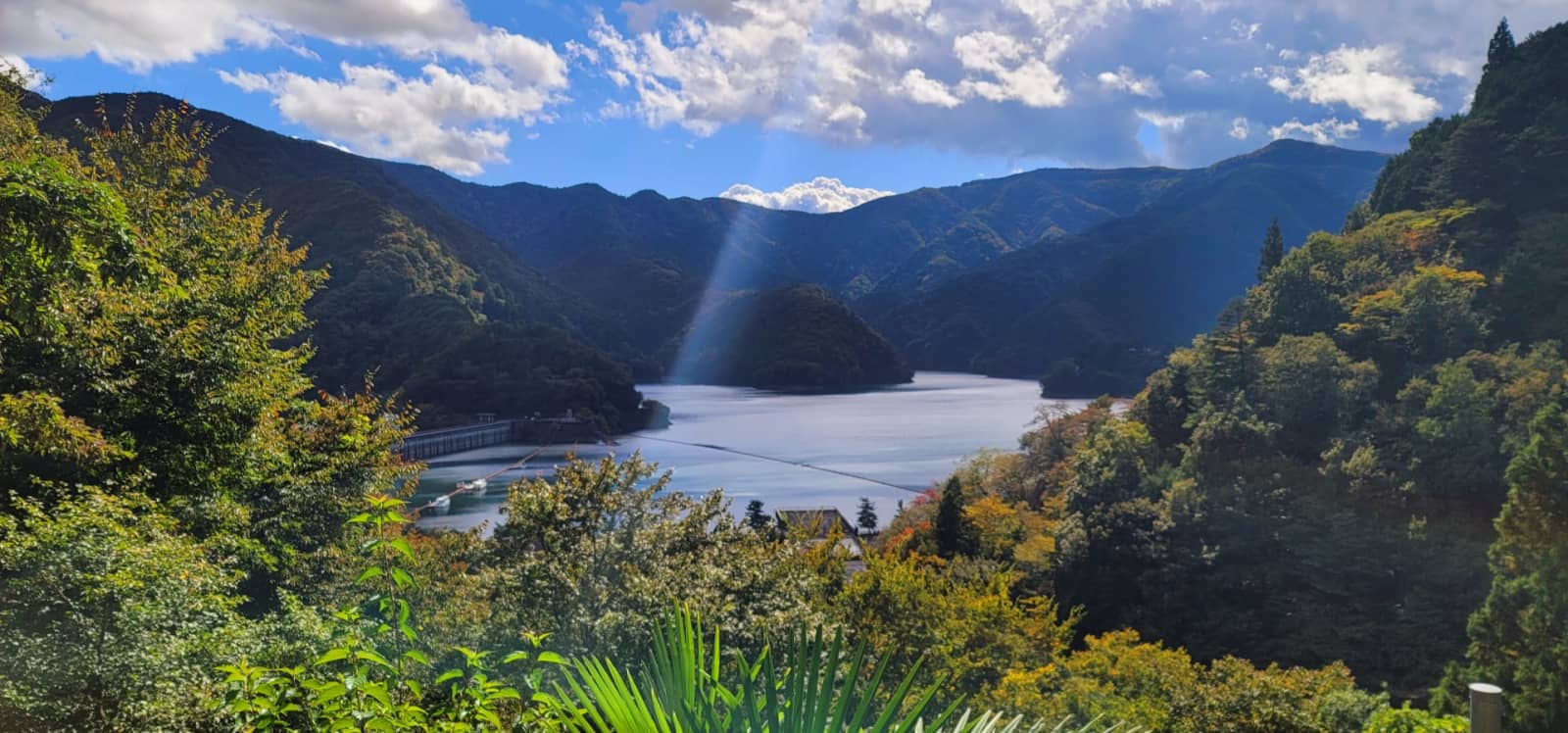
Lake Okutama is an expansive artificial reservoir created by the Ogouchi Dam in 1957, serving as a vital water source that supplies approximately 20% of Tokyo’s water needs. The emerald-green lake is surrounded by lush mountain forests and features lakeside walking routes, viewpoints, and the notable Mugiyama Floating Bridge, which is currently closed due to low reservoir water levels.


Visitors can enjoy scenic drives along the winding lakeside roads, with multiple parking areas and viewpoints positioned strategically around the reservoir. The area transforms dramatically with each season, showcasing cherry blossoms in spring, fresh greenery in summer, and spectacular fall colors painting the surrounding mountains in vibrant reds and yellows. Hiking trails wind through the dense forests, filling the air with refreshing natural scents and providing opportunities to experience magnificent wilderness just hours from central Tokyo.


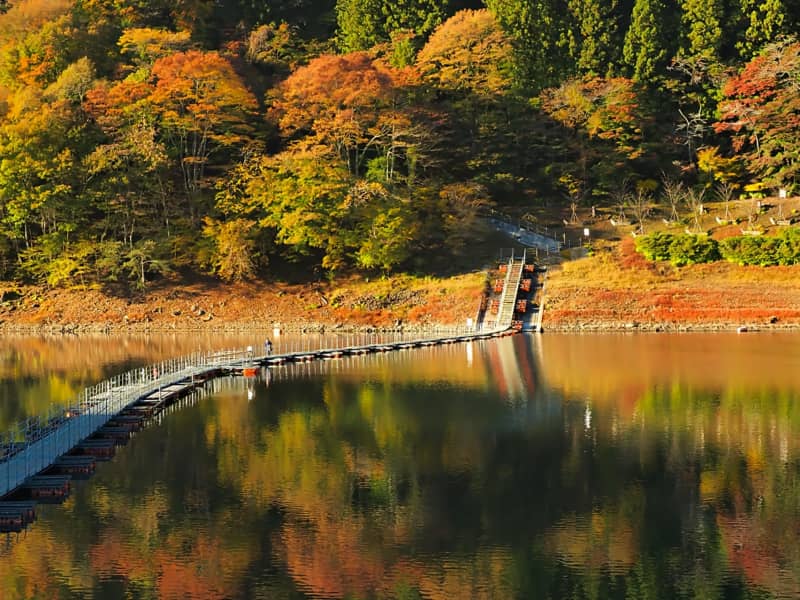
The location serves as a popular destination for motorcyclists, cyclists, and families seeking a peaceful escape from urban life. The free Ogouchi Dam Observation Tower allows visitors to appreciate the scale of this engineering marvel while taking in panoramic views of the lake and mountains. Wildlife including monkeys and Asian black bears inhabit the surrounding forests, adding to the area’s authentic natural atmosphere. Visitors heading onto hiking trails should check current bear advisories and take appropriate precautions.
Seasonal Highlights
- Spring: Cherry blossoms around the reservoir combine with mountain scenery, usually making April one of the prettiest times for lakeside sightseeing.
- Summer: Dense fresh greenery surrounds the lake, though afternoons can be hot and humid. Early mornings are more comfortable for walking and photography.
- Autumn: One of the strongest seasons to visit, with the surrounding mountains turning red, orange, and yellow and reflecting across the reservoir.
- Winter: Clear air and bare mountain scenery give the lake a quieter character, but the Okutama Lake Ikoi-no-Michi trail normally closes from around December until April because of winter conditions.
Before you go
Lake Okutama itself has no entry fee, and both the Ogouchi Dam Observation Tower and nearby Okutama Water and Green Friendship Hall are free to enter. The lake covers a large area, so comfortable walking shoes are useful if exploring beyond the main dam viewpoints. Toilets, a restaurant, shop, lockers, vending machines, and other facilities are available around the Friendship Hall. Free parking is available at several designated lots. Be cautious on mountain trails, particularly during periods of bear activity, and check trail conditions before longer walks. The floating bridges can close when reservoir levels are low and are currently closed as of August 2026.
The lake and outdoor viewpoints can generally be visited year-round. The Ogouchi Dam Observation Tower is open 10:00 AM to 4:00 PM, extended to 5:00 PM from July 20 to August 31, and closes December 28 to January 4. The Okutama Water and Green Friendship Hall is open 9:30 AM to 5:00 PM and closes Wednesdays, or the following day when Wednesday is a public holiday, as well as December 28 to January 4. Temporary winter closures may occur.
When to go
Spring brings late-blooming cherry blossoms along the lakeside creating romantic scenery, while autumn transforms the surrounding mountains into vibrant displays of red and yellow foliage reflected beautifully on the emerald-green water. Summer offers fresh greenery and cooler mountain air, though shade is limited, making early morning or late afternoon visits more comfortable during hot weather. Weekday mornings provide the most peaceful experience with empty roads and available parking, while weekends see heavy traffic and full parking lots requiring wait times. Early arrivals are recommended to secure parking and enjoy the tranquil atmosphere before crowds gather.
Public review summary
Visitors praise the stunning emerald-green lake surrounded by mountains and appreciate the peaceful atmosphere away from Tokyos bustle. The scenic drives and fresh mountain air receive consistent acclaim. Many note seasonal beauty, especially autumn foliage and spring cherry blossoms. Common concerns include low water levels during dry periods, weekend crowds causing parking delays, and the floating bridge closures disappointing some guests.
What you'll find here
Location & access
- DirectionsAddress
Japan
- How to get there
By Public Transportation:
Take the JR Ome Line to Okutama Station, then board a Nishi Tokyo Bus bound for Okutama Lake, Kamosawa-nishi, Taba, Kosuge-no-Yu, Mineya, or Tozura. Get off at Okutama-ko bus stop, approximately 20 minutes from the station, for the dam, observation tower, and Friendship Hall area.
By Car:
From central Tokyo, approach via the Ken-O Expressway and continue toward Okutama on National Route 411, which follows the mountainous lakeside area. Free parking is available beside the Friendship Hall and at the Mizune and Oomugishiro parking areas, although these can become busy during peak autumn weekends.
Common questions
What is Lake Okutama and where is it located?
Lake Okutama (Okutama-ko) is an artificial reservoir created by the Ogouchi Dam in Okutama Town, Tokyo. Despite being within Tokyo's borders, it offers a mountain escape surrounded by lush forests and scenic landscapes, serving as a water source for the city while providing nature-rich recreational opportunities.
Can I cross the floating bridge at Lake Okutama?
The Mugiyama Floating Bridge at Lake Okutama can be crossed on foot when conditions permit. However, the bridge is often closed after heavy rain, typhoons, or during periods of low water levels. It's recommended to check current conditions before planning to cross the bridge during your visit.
Is Lake Okutama accessible by car and motorcycle?
Yes, Lake Okutama is easily accessible by car and motorcycle from central Tokyo, approximately two hours away. The winding mountain roads offer scenic drives with various parking areas and viewpoints along the lake. Be cautious of hairpin turns, wildlife including monkeys, and potential weekend traffic.
What makes Lake Okutama's water appear emerald green?
Lake Okutama's distinctive emerald-green color comes from fine mineral particles and clay particles suspended in the water. This natural phenomenon creates a beautiful contrast against the surrounding mountains, making it particularly photogenic and a favorite subject for visitors capturing the scenic beauty.
Are there hiking trails and viewpoints around Lake Okutama?
Yes, Lake Okutama features well-maintained walking trails around the lake and hiking paths through surrounding mountains. There's a free observation deck atop the dam offering panoramic views. The area includes multiple scenic overlooks and parking spots where visitors can enjoy the mountainous landscape and lake vistas.
Bring this spot to life with a local photographer
Book a vetted local photographer who knows the best light, angles, and timing for this location.