
At a glance
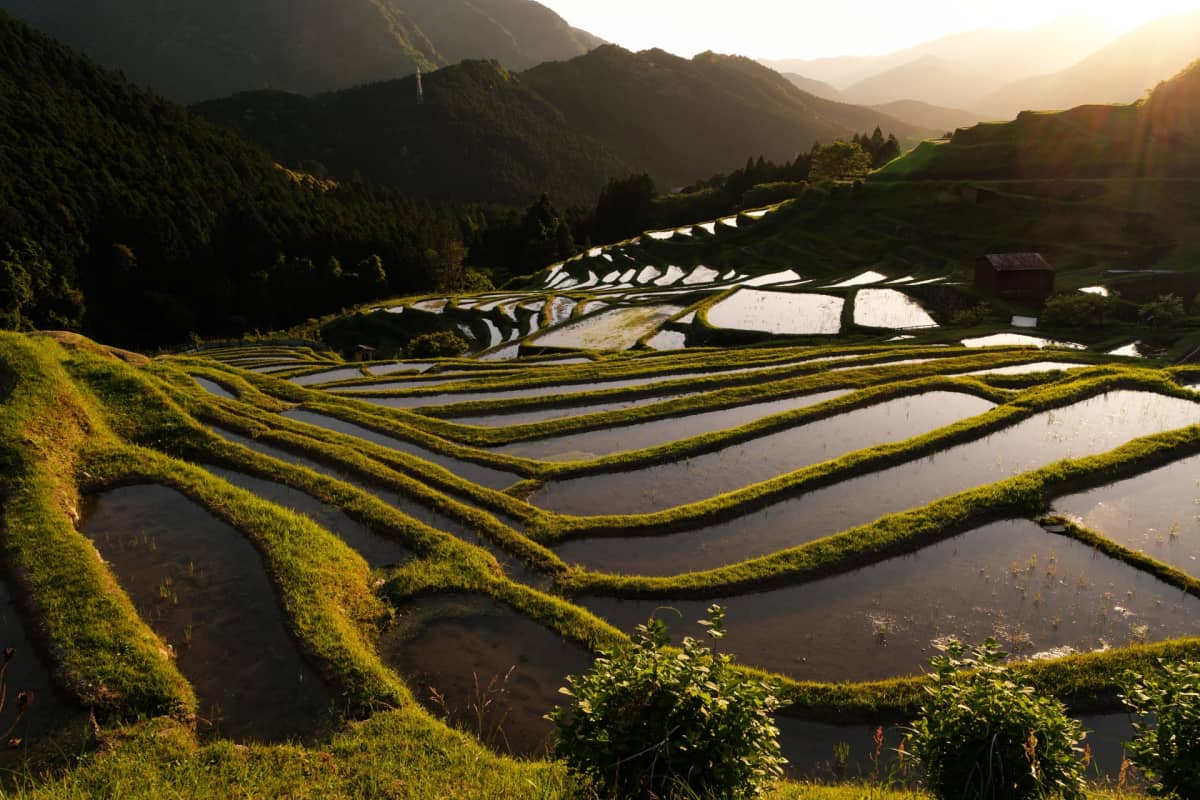
Maruyama Senmaida features 1,340 terraced rice fields cascading down mountain slopes in Kumano City. This historic agricultural landscape showcases traditional Japanese farming methods and offers stunning views across the paddies, particularly beautiful during sunrise and sunset when water-filled fields mirror the sky.
Photographs
Maruyama Senmaida
Maruyama Senmaida is one of Japan’s most breathtaking terraced rice field landscapes, with 1,340 hand-carved paddies cascading down the slopes of Kumano City in Mie Prefecture. Tucked along the historic Kumano Kodo pilgrimage route, these terraces are more than just photogenic, they’re living proof of deep-rooted agricultural heritage. Each plot is carefully maintained by hand, continuing traditions passed down for centuries. Once reduced to only a few hundred fields, the paddies were restored through a community-led preservation effort, and now form a rare example of harmonious coexistence between people and nature.
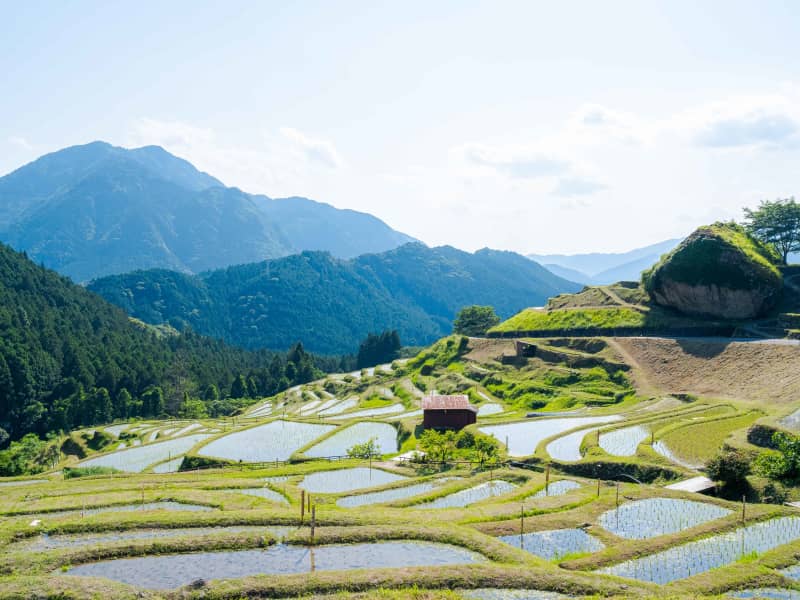
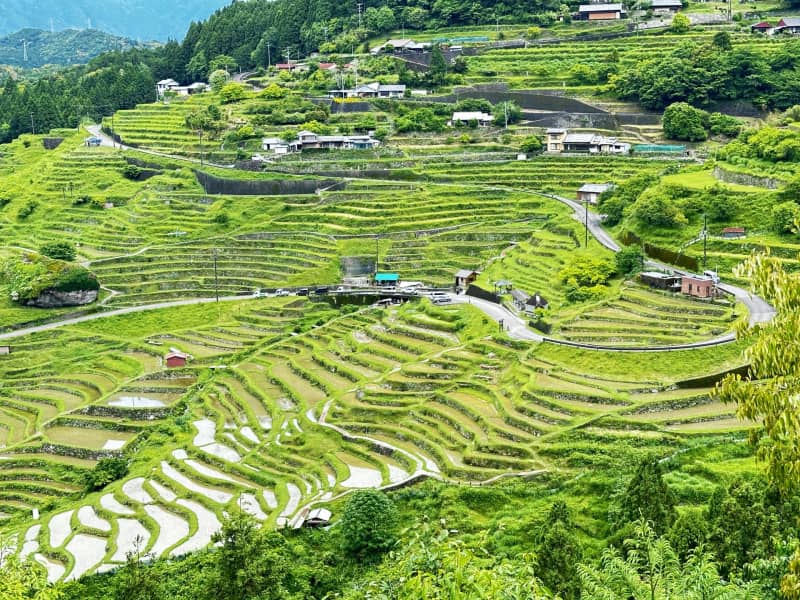
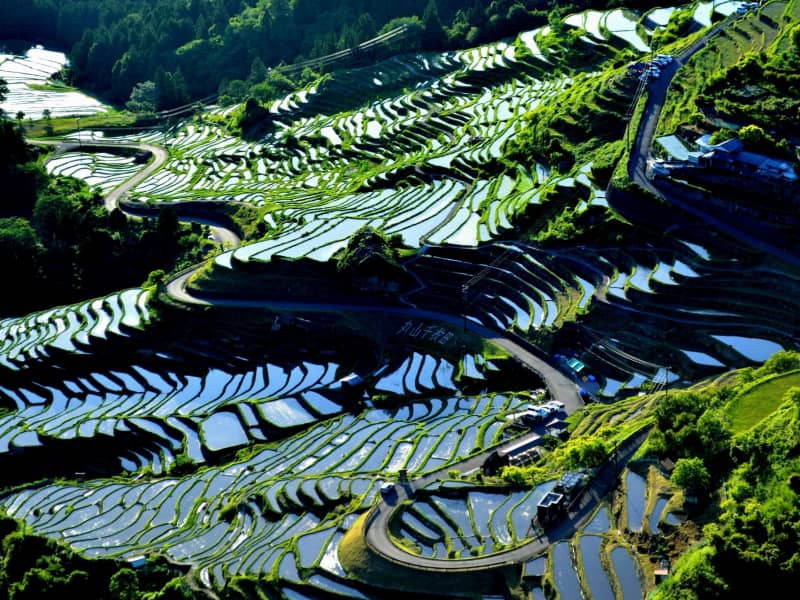
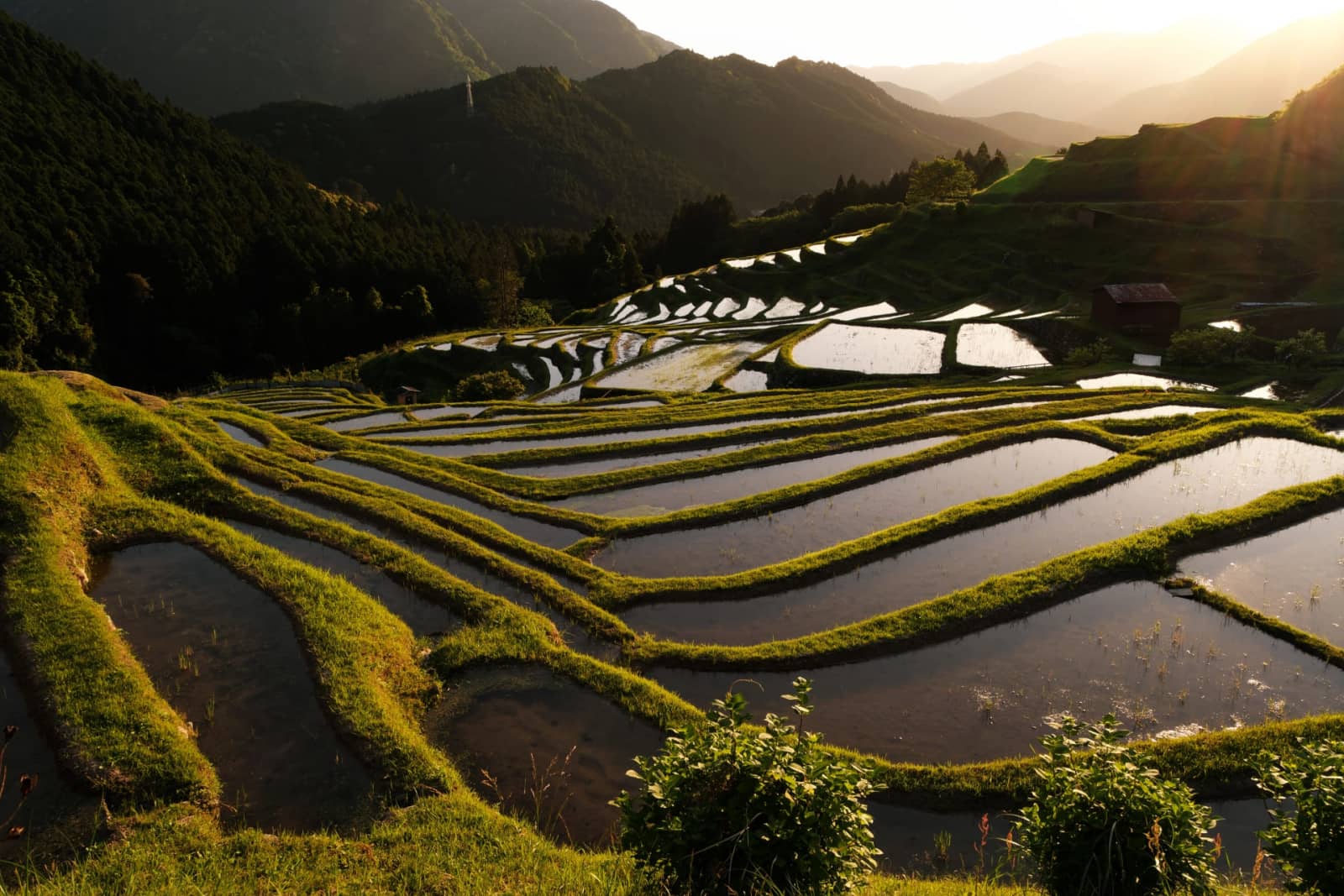
In spring, the terraces are flooded in preparation for planting, turning them into shimmering mirrors that reflect the sky. This is when the landscape feels almost unreal, especially at sunrise or sunset. Summer transforms the area into a sea of lush green, where rice plants sway gently in the breeze and fireflies flicker through the warm night air. Autumn brings rich golden hues as the rice ripens, with early mornings often cloaked in ethereal mountain mist.
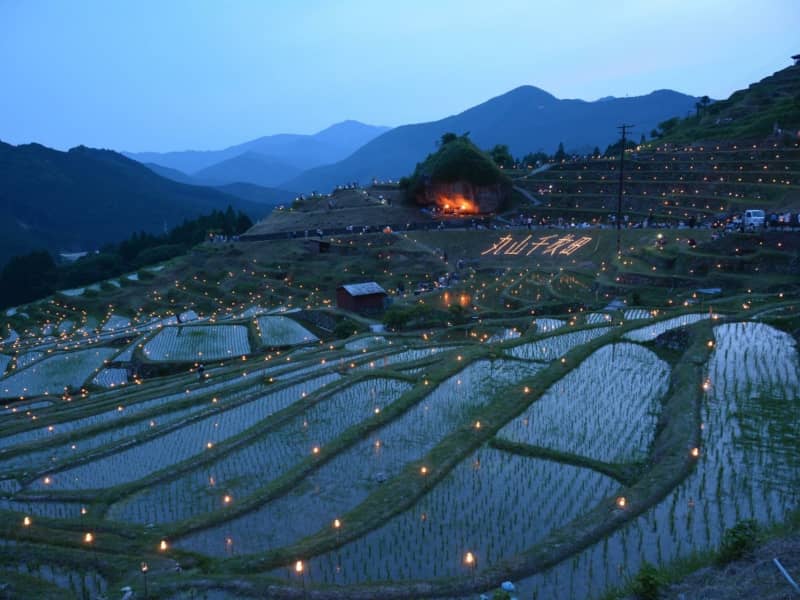
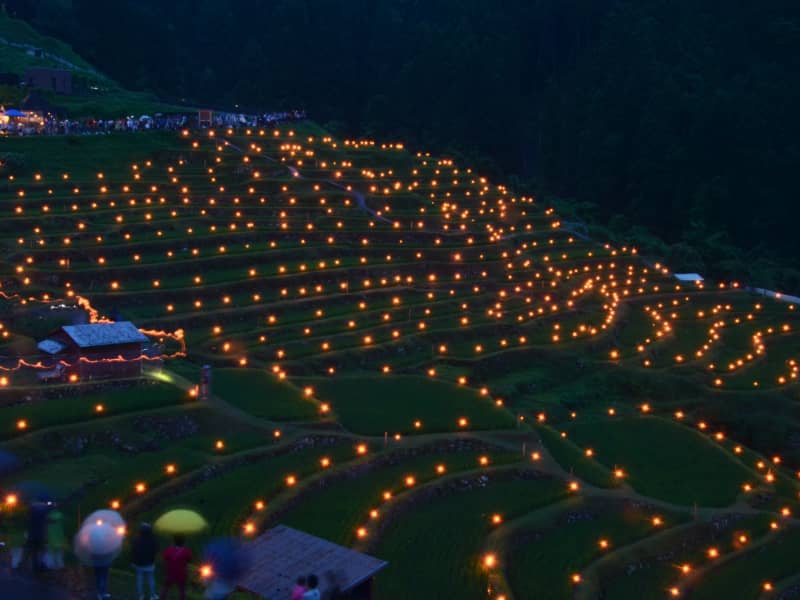
Every year on the first Saturday of June, Maruyama Senmaida hosts its annual Mushi Okuri [虫おくり] ceremony, a revived agricultural ritual meant to drive away harmful insects and pray for a healthy harvest. After sunset, over a thousand candles are lit across the flooded terraces, casting a warm glow over the mountainside. Local children lead a procession through the paddies, beating drums and calling out traditional chants, while the sound of bells and firelight creates a haunting, beautiful scene. If it rains, the event is typically moved to the following day.
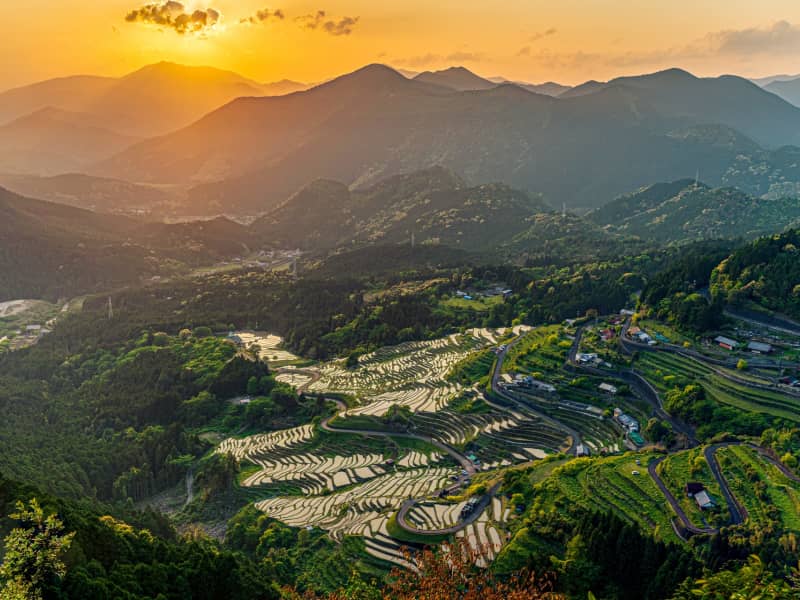
Visitors can access two small parking areas along the narrow mountain road, with the upper lot offering the best panoramic views. A covered observation pavilion and simple restroom facilities are available near the top. There are walking paths between the paddies, but many are uneven, so good footwear is a must. While photography is rewarding year-round, the most dramatic conditions occur in early morning mist, during spring reflections, or around sunset in autumn.
Before you go
Parking is limited: two small lots along Prefectural Route 40, including one near the upper pavilion, spaces fill quickly during peak season. Wear sturdy shoes; paths are rough and occasionally steep. There’s a simple restroom by the pavilion, but no shops, pack drinks, snacks, and insect repellent. Tripods are welcome, especially for the Mushi Okuri ceremony and sunrise. Narrow one‑lane roads require cautious driving and occasional back‑ups.
Important Rules: Do not enter fenced-off areas inside the electric wildlife barriers, crossing them is dangerous and strictly prohibited. Drone photography is not allowed anywhere within the terrace area. Please stay on marked paths and respect local farming practices.
There’s no admission fee and the terraces are open year‑round. Parking lots and paths are accessible during public holidays, but traffic and visitor numbers surge during Golden Week, summer weekends, and rice‑planting festival in mid‑May. The Mushi Okuri event falls on the first Saturday of June, moved to the next day if it rains.
When to go
Spring through early summer offers spectacular views of water-filled rice terraces that mirror the sky and surrounding mountains. The landscape transforms dramatically through the seasons, from vibrant green rice shoots to golden harvest hues, with special highlights including firefly viewing in June and the red spider lily blooms in autumn. Early morning and sunset hours provide the most captivating photo opportunities, with the best light conditions occurring just before dusk. Weekday visits offer a more peaceful experience with fewer tourists, allowing for uninterrupted views and photography.
Average crowd levels throughout the day, based on historical data.
Public review summary
Visitors consistently praise the stunning natural beauty and photographic opportunities of the terraced rice fields. The landscape draws particular acclaim during water-filling season and at sunset, when reflections create mirror-like effects. Some note the narrow access roads and limited parking as challenges, while a few mention occasional abandoned fields. The preservation society receives recognition for maintaining this cultural landmark.
What you'll find here
Location & access
- DirectionsAddress
318 Kiwacho Maruyama, Kumano, Mie 519-5405, Japan
- How to get there
By Public Transportation: From JR Kumano-shi Station, take the Kumano Kodo Seiryu-so Line bus heading toward Seiryu-so. Get off at Senmaida・Toorigoe-toge Iriguchi and walk about 30 minutes uphill to the terraces. Buses are infrequent, so be sure to check the timetable in advance, otherwise take a taxi from Kumano Station.
By Car: It’s about a 30-minute drive from JR Kumano-shi Station. Follow signs along Prefectural Route 40 toward Kiwa and look for the parking areas near the upper observation pavilion. Roads are narrow and winding—drive carefully, especially during busy seasons.
Common questions
What is the best season to visit Maruyama Senmaida?
Spring and early summer are ideal times to visit when the rice terraces are filled with water, creating mirror-like reflections. The scenery is particularly stunning during sunset hours, and special events like firefly viewing and insect sending ceremonies occur in June.
How do I get to Maruyama Senmaida by car?
The access roads are quite narrow and winding, so a light vehicle or k-car is strongly recommended. There are two small parking areas - one halfway up with space for 4 cars, and another near the top accommodating about 6 vehicles. Navigation systems may lead to closed roads.
What makes Maruyama Senmaida historically significant?
Records show there were originally 2,240 rice fields about 400 years ago. The number declined to 530 in early Heisei period due to aging farmers and lack of successors, but was restored through local preservation efforts starting in 1994 to the current 1,340 terraces.
Are there any facilities for visitors?
The site features an observation pavilion, two small parking areas, and public restrooms. There's also a covered rest area where visitors can take in views of the terraced landscape. The facilities are basic but adequate for the typical 1-hour visit.
What special events happen at Maruyama Senmaida?
The most notable event is the Mushi Okuri (insect sending) ceremony held annually in June-July, where torches are lit to drive away crop pests. The site also hosts rice cultivation experiences throughout the year through the Senmaida Owners System.
Bring this spot to life with a local photographer
Book a vetted local photographer who knows the best light, angles, and timing for this location.