
At a glance
Minase Shrine is a historic 13th-century Shinto shrine in Shimamoto, Osaka Prefecture, renowned for its sacred well containing one of Japan's 100 famous waters. The shrine grounds feature traditional architecture, seasonal wind chime displays, and holds special significance as Osaka's only shrine with imperial status.
Photographs
Minase Shrine
Minase Shrine, the only jingu shrine in Osaka Prefecture, stands as a testament to its rich imperial heritage, enshrining three emperors: Emperor Gotoba, Emperor Tsuchimikado, and Emperor Juntoku. The shrine's grounds feature the renowned "Rikyu no Mizu," one of Japan's 100 famous water sources, where locals regularly gather to collect this pristine spring water.


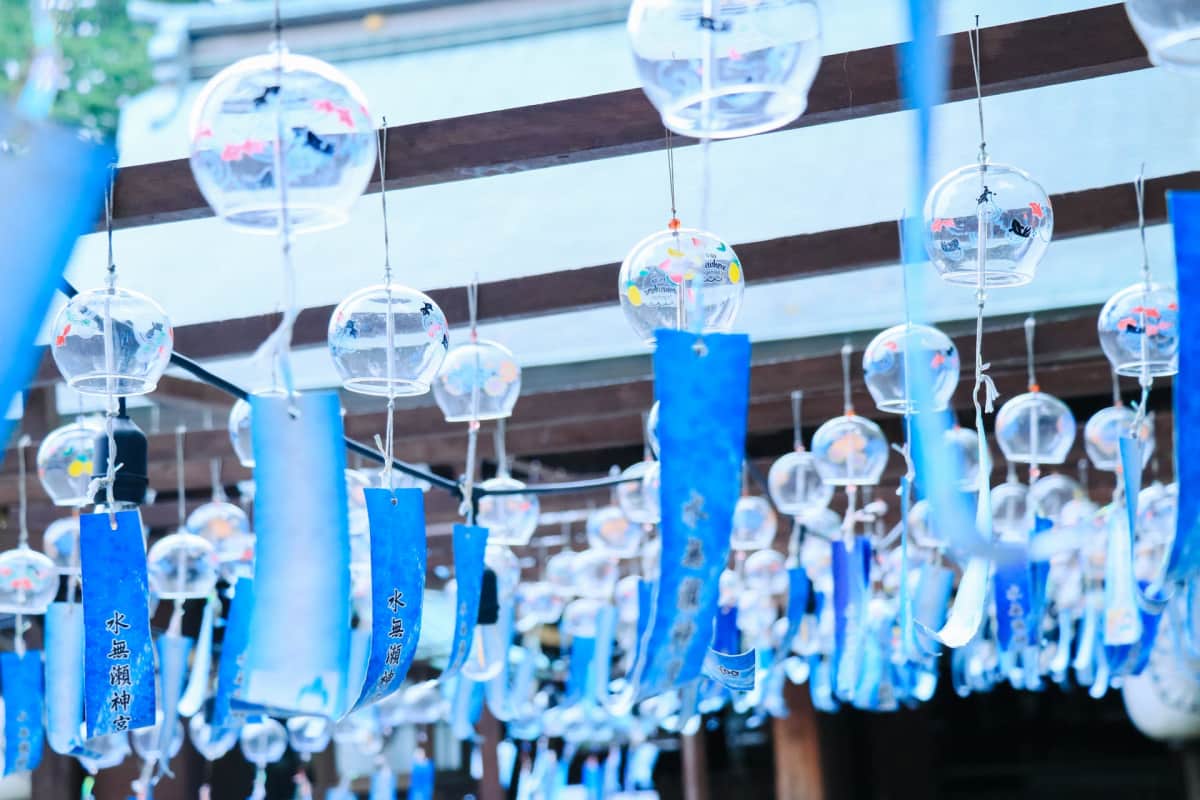
During summer, the shrine transforms into a mesmerizing display of 1,000 wind chimes (fūrin) during the "Winds of Good Fortune" festival, creating a cooling atmosphere enhanced by traditional Japanese parasols and windmills. The shrine grounds maintain their serene character throughout the year, with carefully manicured gardens and historic structures including an Important Cultural Property guest hall built during the Toyotomi period.
Within its peaceful grounds flows the celebrated “Rikyu‑no‑Mizu”, Osaka Prefecture’s only spring recognized among Japan’s “100 Famous Waters”, which visitors still come to collect today. The water even holds a special place in the tea culture, used annually by the three main Sansenke tea families (Omotesenke, Urasenke, Mushakoji‑senke) in a traditional tea‑offering ritual at the shrine’s tea house, Toshintei, an Important Cultural Property.


Originally built on the site of Emperor Gotoba's villa, Minase Tenka Gosho, the shrine complex showcases architectural elements from different periods, including the main hall which was relocated from Emperor Meisho's Naishidokoro in the Kyoto Imperial Palace. The shrine offers various seasonal goshuin (shrine stamps) and charms, making it a significant destination for both spiritual seekers and cultural enthusiasts.
Seasonal Highlights:
・July-September: ~1,000 wind chimes and windmills.
・Year-round: calm gardens, historic halls, famous spring water.
Illumination Highlights:
・August weekends & holidays (excluding Obon): night chime light-up, lantern glow, magical summer mood.
Before you go
Entrance to the shrine grounds is free. If you’re hoping to explore the Toshintei tea house, an Important Cultural Property, you’ll need to make a reservation (by postcard or phone) at least one week ahead; groups of five or more pay 500 yen. The celebrated Rikyu‑no‑Mizu is yours to collect, up to 20 liters per person daily.
From July 1 to September 9, the shrine transforms with the Shofuku‑no‑Kaze (Winds of Good Fortune) event. Around 1,000 wind chimes hang across the grounds, creating a serene, cooling chorus that vibrates gently in the breeze. On weekends and public holidays in August (excluding Obon), the chimes are softly illuminated at night for a truly magical, ethereal experience.
Outside of this wind-chime season, Minase Shrine returns to a quieter, more contemplative pace. It’s a peaceful place where you can stroll amidst well-maintained gardens, enjoy the gentle flow of Rikyu-no-Mizu, breathe easy under elegant traditional architecture, and soak in the calm without seasonal spectacle.
The shrine grounds are open daily and free to explore, with no regular closing days.
When to go
Summer brings the enchanting Wind Chime Festival to Minase Shrine, with 1,000 wind chimes creating a cooling atmosphere and magical evening illuminations. Spring offers beautiful cherry blossoms while autumn presents vibrant foliage, making these seasons particularly appealing for visitors. Early morning visits between 9 AM and 10 AM provide the most serene shrine experience, especially on weekdays. For those interested in collecting the shrine's famous spring water, midday hours tend to have shorter queues, though weekends can see extended waiting times.
Average crowd levels throughout the day, based on historical data.
Public review summary
Visitors praise the peaceful atmosphere and traditional aesthetics, particularly noting the soothing sound of wind chimes and pristine grounds. The famous well water draws consistent appreciation, though wait times can be long during peak hours. While most find the shrine deeply calming, some mention accessibility challenges on the gravel paths and occasional maintenance oversights. The summer wind chime festival receives high marks for its aesthetic appeal and cooling atmosphere.
What you'll find here
Location & access
- DirectionsAddress
3 Chome-10-24 Hirose, Shimamoto, Mishima District, Osaka 618-0011, Japan
- How to get there
By Public Transportation: From Minase Station on the Hankyu Kyoto Line, it’s about a 10‑minute walk northeast. You can also reach the shrine from Shimamoto Station (JR Kyoto Line) in around 10 minutes, or from Yamazaki Station, which takes about 15-18 minutes on foot.
By Car: The shrine offers a free parking area, making it a convenient stop if you’re driving. Buses require advance reservation. The site is also roughly 10 minutes from the Meishin Expressway’s Oyamazaki IC.
Common questions
What makes Minase Shrine's water source special?
The shrine's 'Rikyu no Mizu' water source is one of Japan's 100 Famous Waters, as designated by the Ministry of Environment. Locals regularly visit with containers to collect this pure spring water, though there's a 20L limit per person.
How do I get to Minase Shrine from nearby stations?
The shrine is a 15-minute walk from several stations including Hankyu Minase Station, Hankyu Oyamazaki Station, JR Shimamoto Station, and JR Yamazaki Station. The most direct route is from Shimamoto Station via Saigoku Kaido.
What historical significance does Minase Shrine have?
Built on Emperor Gotoba's former villa site in the 13th century, Minase Shrine is the only shrine in Osaka Prefecture with the title 'jingu'. It enshrines three emperors: Gotoba, Tsuchimikado, and Juntoku.
Is there anything special to see during summer?
During summer, the shrine hosts the 'Winds of Good Fortune' festival featuring 1,000 wind chimes throughout the grounds. The event includes special illuminations on weekends and creates a uniquely cooling atmosphere.
What facilities are available at the shrine?
The shrine offers free parking in a spacious lot, gender-neutral restrooms, and a water collection point. There's also a shrine office where visitors can purchase amulets and receive goshuin (shrine stamps).

Bring this spot to life with a local photographer
Book a vetted local photographer who knows the best light, angles, and timing for this location.