
At a glance
Minatochokado Bridge is a pedestrian and vehicular crossing in Tokyo's Minato City, providing essential north-south access across railway tracks. This functional infrastructure piece serves as a vital connector for local residents and commuters, offering convenient transit through the neighborhood.
Photographs
Minatochokado Bridge
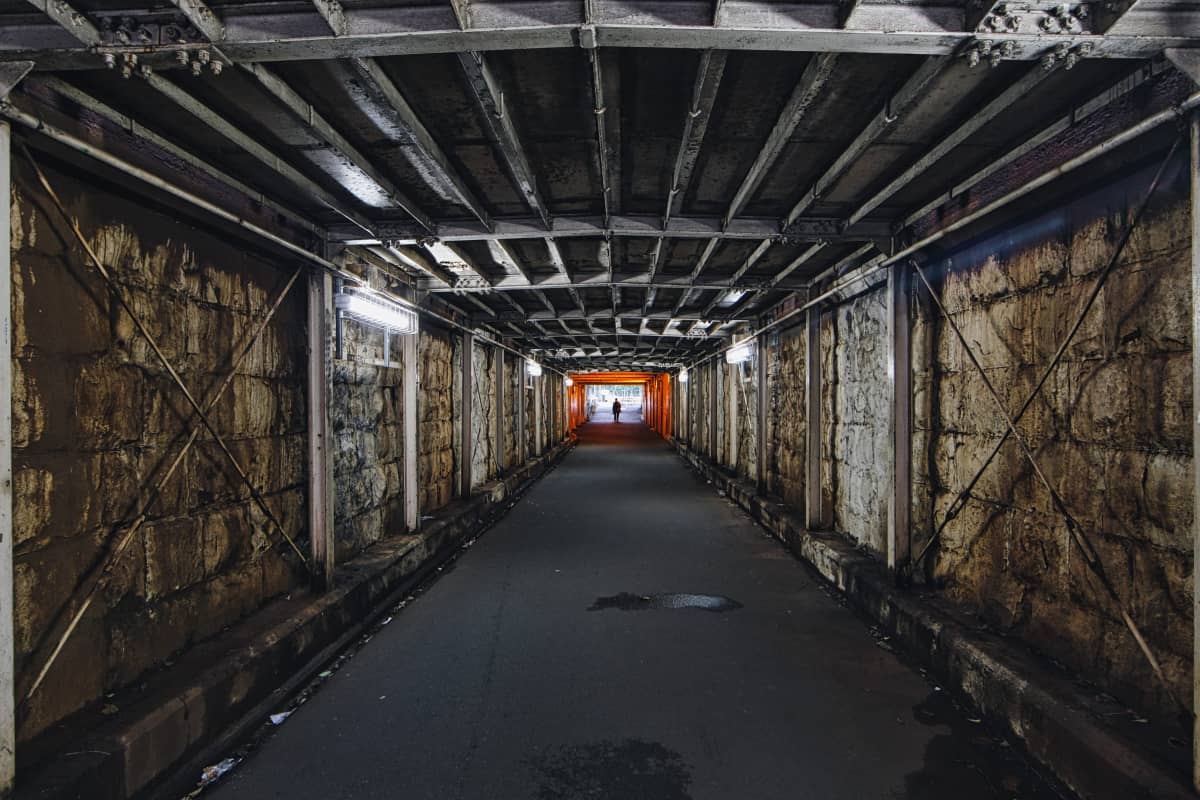
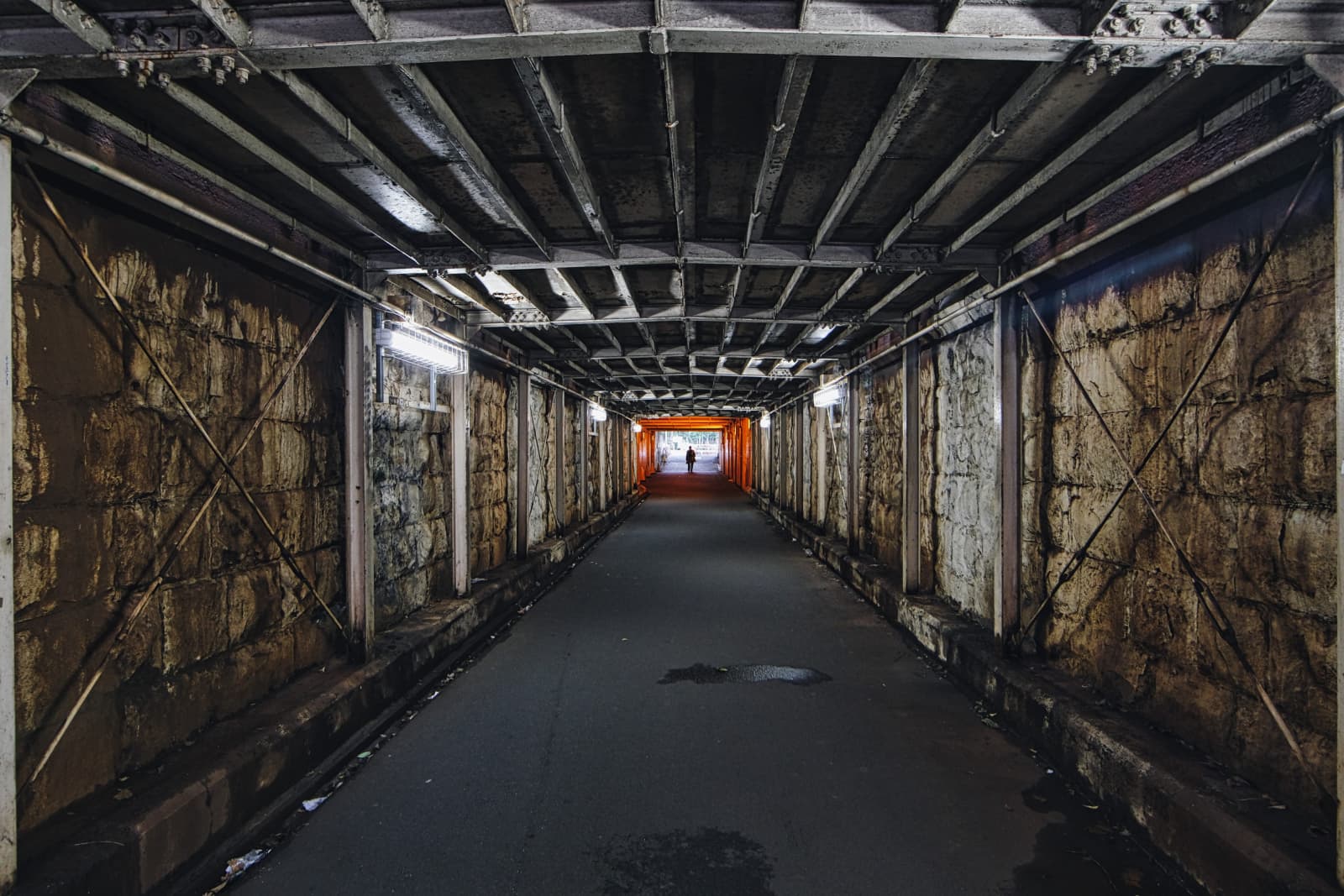
Minatochokado Bridge (港町架道橋) is a distinctive under-bridge in Tokyo, known for its functional importance and unexpected architectural appeal. Located about a 3-minute walk from JR Hamamatsuchō Station (JR浜松町駅), this approximately 70-meter-long pedestrian passage runs beneath a dense cluster of train lines, including the Yamanote Line (山手線), Keihin-Tōhoku Line (京浜東北線), Ueno-Tokyo Line (上野東京ライン), Tōkaidō Main Line (東海道本線), Tōkaidō Shinkansen (東海道新幹線), and the Tokyo Monorail (東京モノレール). The underpass serves as a vital connector in this transit-heavy area, allowing foot traffic to move safely and efficiently beneath one of Tokyo's most complex railway corridors.
Originally constructed in the early Showa era, it was designed as a vital north-south overpass to traverse the JR railway lines—a rare and necessary crossing in a district otherwise fragmented by elevated and sunken rail infrastructure. It continues to serve as a crucial artery, linking neighborhoods and easing the flow of both pedestrian and vehicular traffic in one of Tokyo’s densest urban zones.
Though primarily utilitarian in intent, the bridge’s curved alignment, bold gradient, and slender steel-frame construction reflect a subtle but deliberate engineering elegance. The arc-like form of the road deck, combined with its minimal side railings and rhythmic support columns, creates an aesthetic that feels both grounded in early-modern Japanese civil engineering and visually compelling. Its design reflects the practical challenges of Tokyo’s layered cityscape, adapting fluidly to space constraints while preserving functionality.
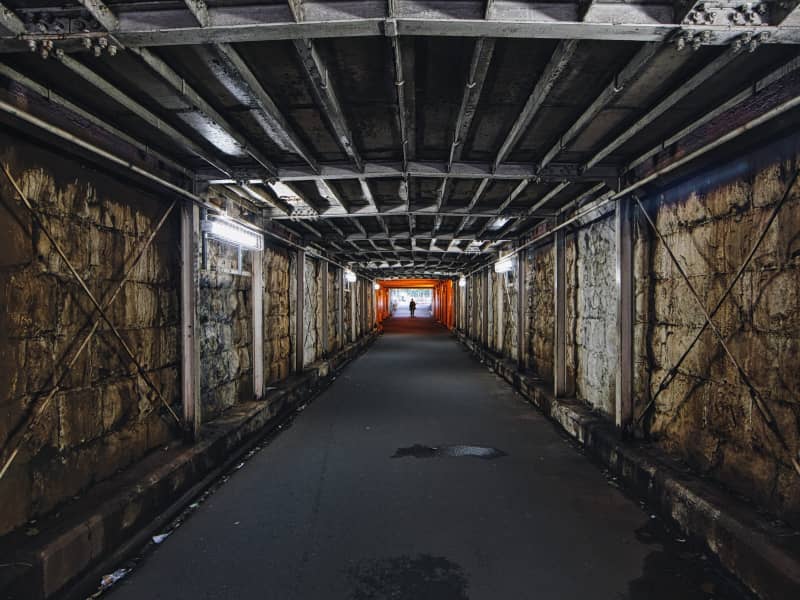
Photographers are often drawn to the bridge for its visual drama—particularly its striking slope, which rises sharply from street level and frames dynamic compositions of city life, trains in motion, and Tokyo’s high-rise skyline in the background. The view from the top offers a layered tableau of Tokyo’s infrastructural complexity, making it a favored subject for urban photography, especially during dusk or early morning when shadows stretch long across the asphalt. Usually it is a deserted underpass that is apocalyptic and photogenic. The orange light at one side of the tunnel is unique and sets the mood.
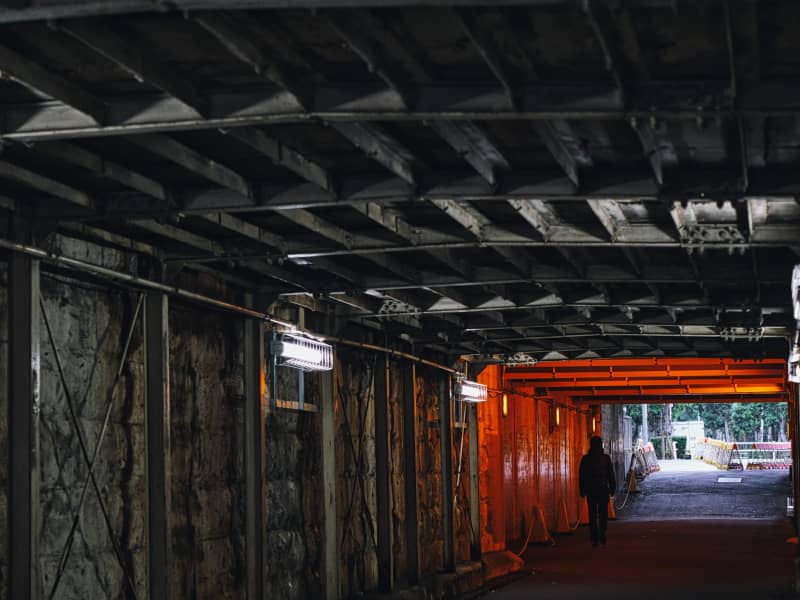
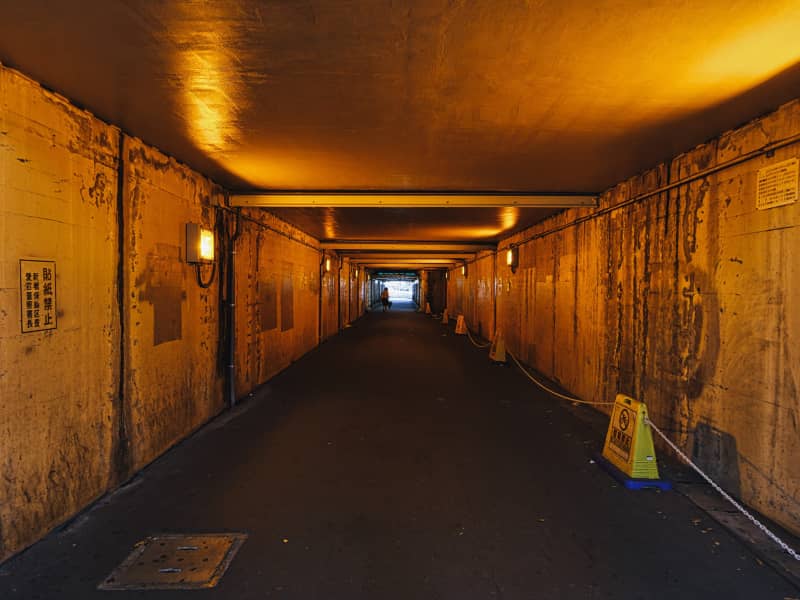

In everyday use, Minatochokado Bridge remains accessible 24 hours a day, seamlessly supporting both heavy traffic and foot commuters. Its role is more than logistical—it also acts as a threshold between eras, connecting old and new Minato, where Showa-period housing coexists with cutting-edge commercial architecture. Despite its unassuming fame, this bridge embodies the quiet resilience and beauty of Tokyo’s built environment, making it a meaningful stop for those attuned to the subtle poetry of infrastructure.
Before you go
There are no public toilets or rest areas directly on or near the bridge, but convenience stores and cafés can be found within a short walk. While tripods are not prohibited, the limited space makes a compact tabletop tripod more practical for photography. The bridge is especially popular among train enthusiasts and architectural photographers, so early visits are recommended for those seeking quiet shots.
Open 24/7, all year round — no holiday closures.
When to go
Spring and autumn offer the most pleasant conditions for exploring the Minatochokado Bridge area, with comfortable temperatures and clear skies enhancing the urban views. Cherry blossoms in spring and vibrant foliage in fall create picturesque backdrops for photography. Early morning visits provide the best opportunity for unobstructed views and photographs of this architectural landmark. Consider visiting during weekday afternoons when commuter traffic is minimal and natural lighting is optimal for photography.
Public review summary
Many photographers and architecture enthusiasts highlight its retro charm and clean sight lines. Commuters praise its utility and strategic location, noting how it eases cross-city movement in a rail-heavy district. However, some pedestrians comment on the steep incline as challenging during bad weather or for those with mobility concerns. While the bridge fulfills its basic role effectively, some note it could benefit from improved lighting and pedestrian amenities for enhanced safety and comfort during nighttime use.
What you'll find here
Location & access
- DirectionsAddress
1 Chome Kaigan, Minato City, Tokyo 105-0022, Japan
- How to get there
By Public Transport: 3-minute walk from JR Hamamatsuchō Station (JR浜松町駅).
Common questions
Are there any accessibility issues with the bridge?
While the bridge has sidewalks, the steep incline may be challenging for people with mobility issues, bicycles, or during rainy conditions.
Is there a good time to photograph the bridge?
Early morning and dusk are ideal for photography, offering softer light and less traffic. The sloped design and train activity below make for dynamic urban shots. Avoid morning rush hours as this bridge is used by commuters.
Is there a fee to use the Minatochado Bridge?
No, the Minatochado Bridge is completely free to use for all pedestrians and vehicles. There are no toll charges or admission fees associated with crossing this bridge.
Where is the bridge located?
The Minatochado Bridge (港町架道橋) is situated in Minato City, Tokyo. It spans across railroad tracks, providing a connection between the northern and southern sections of the area.
Is Minatochokado Bridge accessible 24 hours a day?
Yes, the bridge is part of Tokyo’s public infrastructure and remains open 24/7 for both vehicles and pedestrians.
Bring this spot to life with a local photographer
Book a vetted local photographer who knows the best light, angles, and timing for this location.