

At a glance
Monet's Pond, nestled in Seki City, Gifu Prefecture, is a serene natural pool known for its crystal-clear spring water and colorful koi fish. The pond's pristine waters and floating water lilies create scenes reminiscent of Claude Monet's famous paintings, while seasonal foliage adds ever-changing beauty to this tranquil spot.
Photographs
Monets Pond
Monet's Pond (モネの池) in Seki City captivates visitors with its crystal-clear spring water and vibrant ecosystem of koi fish swimming beneath water lilies. The natural spring-fed pond maintains exceptional water clarity year-round, creating mirror-like reflections that truly evoke Monet's famous water lily paintings.

Once nameless, is a hidden gem in Gifu Prefecture that gained fame in 2015 for its striking resemblance to a Claude Monet painting. Located near Nemichi Shrine, the pond's clear water, adorned with koi fish and water lilies, is a breathtaking sight. The transparency is due to the nutrient-free spring water, and the pond's colors constantly change with light reflections. It is especially impressive in early summer, when water lilies bloom, and in late autumn, when the Japanese maple turns red.
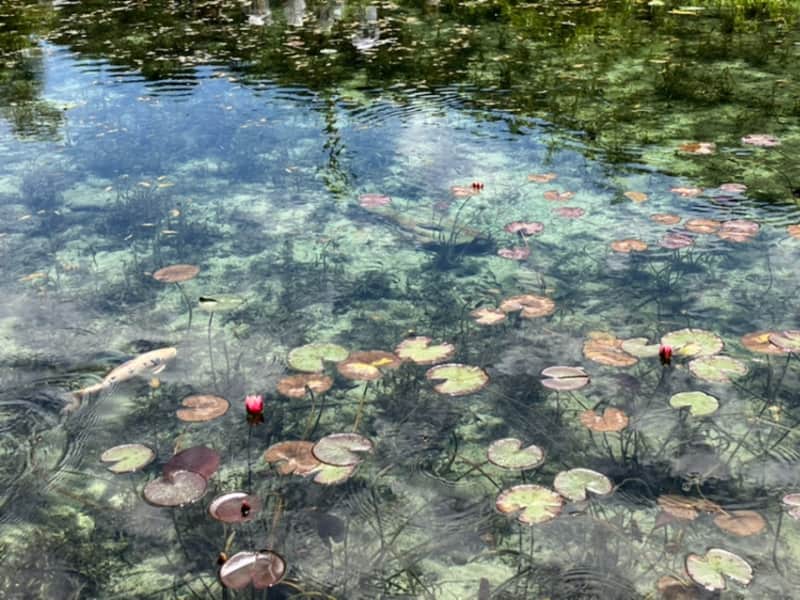
The pond reaches peak beauty during early summer when water lilies and hydrangeas bloom in harmony, while autumn brings stunning reflections of crimson maple leaves on the water's surface. A thoughtful walking path circles the pond, allowing visitors to observe the colorful koi and seasonal aquatic plants from different angles.

Nemichi Shrine, a Japanese Shinto shrine, is situated next to Monet’s Pond. Founded in the mid-9th century, this single wooden building honors the gods and goddesses of the Shinto faith. Climbing to the top of the shrine offers a beautiful view of Monet’s Pond and the surrounding mountains, which are especially picturesque in the fall when they are ablaze with color.

While the pond itself is relatively small, its intimate size creates the perfect canvas for photography, especially during morning hours when the water is most still. Local volunteers help maintain the pond's pristine condition and occasionally guide visitors to spots where the koi fish gather, creating perfect photo opportunities that capture the pond's renowned Monet-like qualities.
Before you go
The best time to visit depends on the seasonal highlights. Water lilies are in bloom from May to October, while hydrangeas reach their peak from late June to early July. For vibrant autumn colors, the maple trees are most stunning from mid-November to early December.
Open 24/7, all year round — no holiday closures.
When to go
Early summer (June-July) offers the most stunning views when water lilies and lotus flowers are in full bloom, creating the iconic Monet-like scenery. Autumn brings spectacular reflections of fall foliage in the crystal-clear waters, making November another prime viewing season. Visit during early morning hours before 9 AM to experience the pond's serene beauty with optimal lighting conditions and fewer visitors. Weekday mornings provide the best photography opportunities when the water is calm and clear, especially three days after rainfall.
Average crowd levels throughout the day, based on historical data.
Public review summary
Visitors praise the ponds crystal-clear waters and graceful koi fish, particularly enjoying early morning views when reflections are most striking. The seasonal changes draw consistent appreciation, from lotus blooms to autumn foliage. However, some note disappointment with crowd management during peak times and mention the pond appears smaller in person than photos suggest. Weather conditions significantly impact the viewing experience, with sunny days offering the most impressive views.
What you'll find here
Location & access
- DirectionsAddress
関市板取白谷, Gifu 501-2901, Japan
- How to get there
By Public Transport: Take the N83 bus from Stand 2 to Horado Kiwi Plaza, then transfer to the free Itadori Fureai Bus to Monet Ike-mae. From there, it's a short walk to the pond. Total travel time is about 90 minutes.
By Car: About 35 mins from the Mino IC exit on the Tokai Hokuriku Expressway.
Common questions
What is the best time of year to visit Monet's Pond?
Early summer (June-July) is the prime season when water lilies are in full bloom, creating the iconic Monet-like scenery. The pond's beauty changes seasonally, with autumn (November) offering stunning reflections of fall foliage, while spring showcases fresh greenery and hydrangeas in the surrounding area.
How clear is the water in the pond?
The pond is fed by natural spring water, which maintains exceptional clarity most of the time. However, transparency can be temporarily affected after heavy rainfall. The pond typically returns to its crystal-clear state within three days after rain, allowing perfect views of the colorful koi fish swimming below.
Is there parking available at Monet's Pond?
Free parking is currently available near the pond, with several lots including second and third overflow areas. The parking area is located a short walking distance from the pond. Note that some visitors mention a new 500-yen parking fee may be implemented, so check current conditions before visiting.
What is the best time of day for photography?
Early morning visits, particularly around 9 AM, offer the best photography conditions when the pond isn't in direct sunlight. The water's surface provides better reflections during these hours, and fewer visitors mean clearer shots. Cloudy days can also provide good conditions for capturing the pond's atmosphere.
How long do most people spend at Monet's Pond?
The average visit lasts about 30 minutes, which gives enough time to view the pond from different angles and take photos. While some visitors note the pond is smaller than expected, the peaceful atmosphere and constantly changing views of koi and water lilies make it worth the stop.

Bring this spot to life with a local photographer
Book a vetted local photographer who knows the best light, angles, and timing for this location.