

At a glance
A tranquil oasis in Shibuya's upscale Shoto district, Nabeshima Shoto Park features a serene spring-fed pond with a traditional waterwheel, children's playground, and designer public restrooms. This historic park, once part of a samurai residence, offers peaceful respite from urban bustle.
Photographs
Nabeshima Shoto Park
This peaceful patch of greenery sits snugly amid elegant residences just a 15-minute stroll from Shibuya Station. Before becoming a public space in 1932, it was part of the Kishu Tokugawa clan’s Edo-period residence, later transformed into a tea-producing estate by the Nabeshima family in 1876 to support their samurai retinue. The name “Shōtō” itself evokes the rustle of pine and wave-like movement of tea leaves.
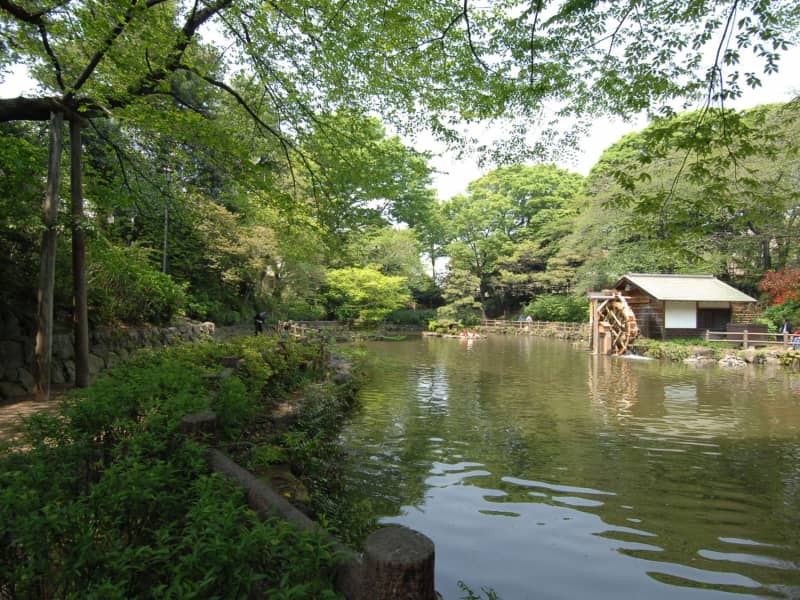

The park’s heart is a spring-fed pond and waterwheel, a photogenic nod to its tea-growing past. Small fish and turtles drift through floating lilies while cherry blossoms bloom overhead, creating seasonal magic. Paths wind gently, offering quiet nooks for rest and reflection amid benches and scattered play equipment.
One of the park’s most talked-about features is its public toilets by Kengo Kuma, part of the Tokyo Toilet project. Rather than a single structure, it’s a “toilet village” of five individual cedar huts connected by a forest-like walkway. Designed for inclusivity with wheelchair access, baby changing, ostomate facilities, and gender-neutral stalls, it blends art and function. Visitors often praise its unexpected beauty and forest ambiance.


Though small, just over 5,000 m², the park manages to feel like a living piece of Tokyo’s layered history. It offers a quiet respite, yet it’s never dull: children’s laughter mingles with birdsong, architecture meets nature, and every season brings a fresh mood.
Before you go
Paths are mostly level but include short stairs. Bring comfy shoes and a tripod if you’re shooting the waterwheel or flora. English signage is limited, but restrooms are clearly marked. Tripods are okay in photography areas but please respect personal space. Toilets include diaper-changing and accessible facilities, and are well-maintained with Wi‑Fi.
Nabeshima Shoto Park is open year-round, including weekends and public holidays. There are no entrance gates, so you can visit at any time, but the park is best enjoyed during daylight hours. The public toilets, including Kengo Kuma’s Tokyo Toilet facilities, are generally accessible from early morning until around sunset (roughly 6 AM to 8 PM), though hours may vary slightly by season. The area is not lit for nighttime visits, so it’s best to go during the day.
When to go
Spring brings spectacular cherry blossoms around the pond and watermill, making it the most photogenic season. Fall offers pleasant temperatures, perfect for enjoying the park's tranquil atmosphere. Early mornings before 9 AM provide the most peaceful experience, with ample space on benches and optimal natural lighting for photos. Weekday afternoons tend to be quieter than weekends, though the playground area remains active with local children. Weekend afternoons are particularly crowded, especially around the pond and designer toilets. The best time for a relaxed visit is during weekday mornings when the park maintains its serene atmosphere.
Average crowd levels throughout the day, based on historical data.
Public review summary
Visitors praise the tranquil atmosphere and traditional watermill pond setting, offering a peaceful escape from busy Shibuya. The park receives positive feedback for its unique Kengo Kuma-designed toilets and well-maintained playground equipment. While generally clean and welcoming during daytime hours, some note issues with evening crowds and occasional pond odors. The blend of natural elements and architectural design draws both locals and tourists seeking a quiet respite.
What you'll find here
Location & access
- DirectionsAddress
2 Chome-10-7 Shoto, Shibuya, Tokyo 150-0046, Japan
- How to get there
By Public Transportation: From Shinsen Station on the Keio Inokashira Line, it’s about an 8-minute walk through quiet residential streets. If you’re coming from Shibuya Station, expect a 12-minute walk westward into the upscale Shōtō neighborhood. The route is a gentle uphill but easy to navigate. For those using buses, the Tokyu Bus Shibu 55 line stops at Todaimae, which is just a 6-minute walk from the park.
By Car
Driving in Shibuya’s residential zones can be tight. There’s no dedicated parking lot for the park, but several coin-operated parking spots are available nearby. Once parked, the park is a short walk through tree-lined local streets.
Common questions
What can I see at Nabeshima Shoto Park besides the pond?
The park features a picturesque watermill, a children's playground with slides and swings, and cherry blossoms in spring. The park is also home to a designer public restroom created by renowned architect Kengo Kuma, which has become a notable attraction for visitors.
Can I bring and eat lunch in the park?
Yes, you can bring your own lunch to enjoy in Nabeshima Shoto Park. There are benches around the pond area that provide nice views while eating, though be aware they may occasionally be dirty from birds. The park is open 24 hours and welcomes visitors with food.
Are there any animals in the pond?
Yes, the pond contains various aquatic life including fish and turtles. The pond is one of the few remaining natural spring water sources in the Shibuya area, making it an important habitat. Visitors should note there are warnings about snapping turtles.
What is the historical significance of this park?
The park was originally part of the Kishu Tokugawa family residence during the Edo period, later becoming the Nabeshima family property. In the Meiji era, it was known as Shotoen, a tea garden for samurai. The area's name 'Shoto' comes from the sound of tea ceremony.
How far is the park from Shibuya Station?
The park is approximately a 15-minute walk from Shibuya Station. It's located in the upscale residential area of Shoto, offering a peaceful retreat from the busy Shibuya crossing while remaining easily accessible for visitors.
Bring this spot to life with a local photographer
Book a vetted local photographer who knows the best light, angles, and timing for this location.