
At a glance
The Nagano Prefectural Art Museum showcases significant early 20th-century paintings and calligraphy, featuring renowned artists in a modern architectural setting near Zenkoji Temple. The museum offers family-friendly amenities, a rooftop terrace with mountain views, and wheelchair accessibility.
Photographs
Nagano Prefectural Art Museum
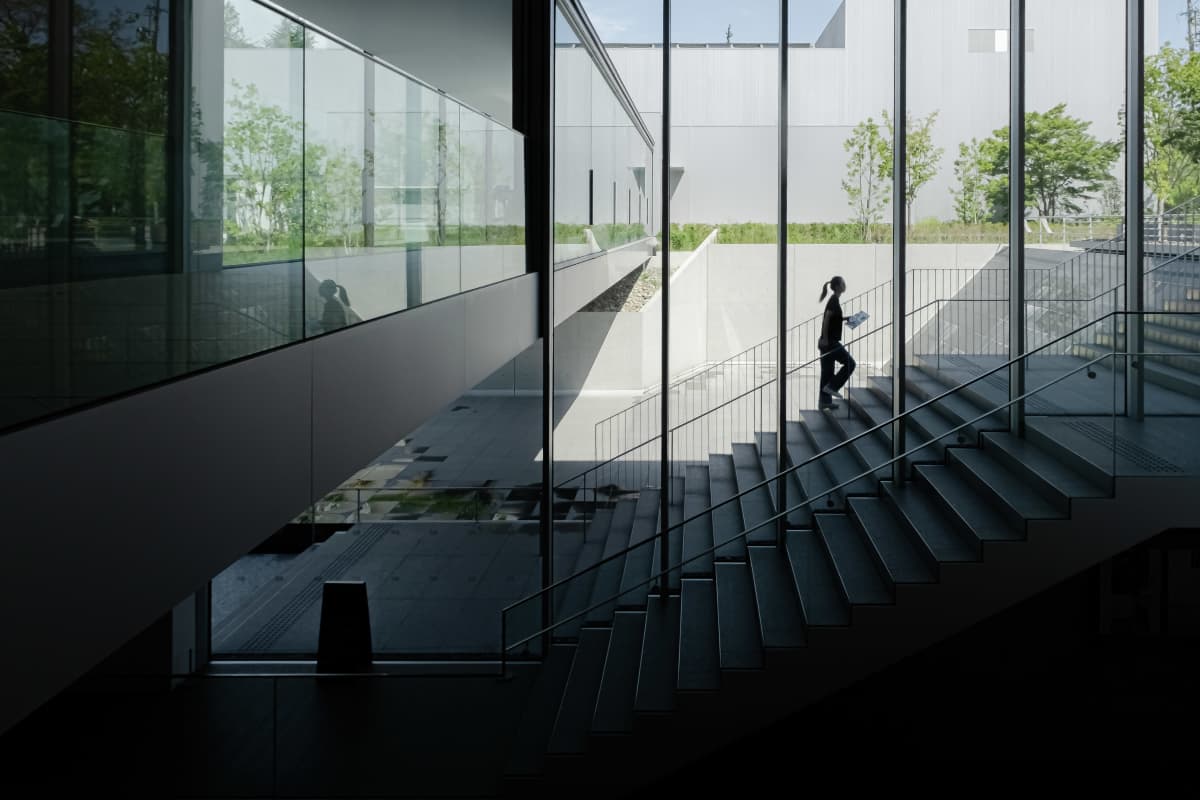
The Nagano Prefectural Art Museum (長野県立美術館) stands as a cultural beacon in Nagano City, gracefully set within the scenic expanse of Jōyama Park and just steps away from the revered Zenkoji Temple. Reopened in 2021 following an extensive renovation, the museum embraces the philosophy of a “landscape museum” (ランドスケープ・ミュージアム), seamlessly fusing art, architecture, and nature. Its expansive glass façade and open, park-like design welcome visitors of all ages into an environment where art feels approachable and woven into the natural surroundings.
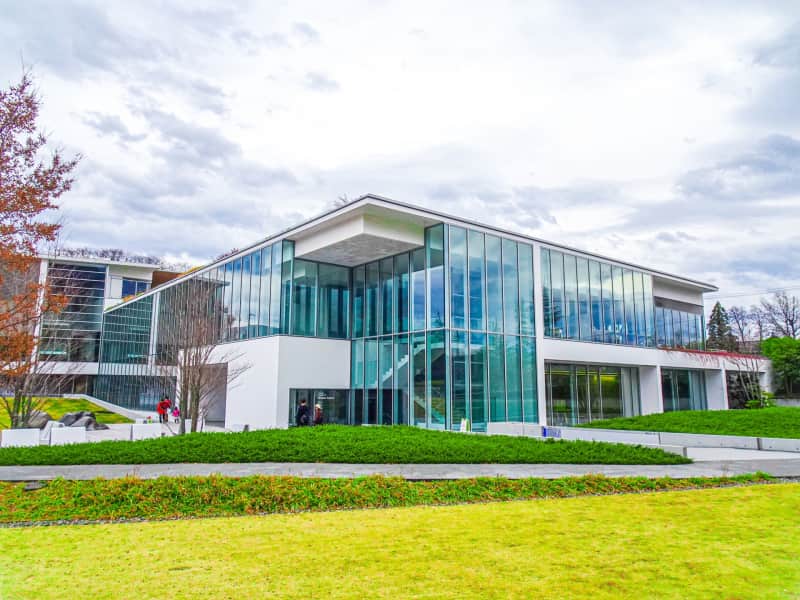


At the heart of the museum is its dual-structure layout: the main building, which hosts rotating exhibitions of modern and contemporary art, and the Higashiyama Kaii Gallery (東山魁夷館), dedicated to the renowned nihonga [日本画] master, Kaii Higashiyama. The gallery houses an impressive collection of over 970 works, capturing serene landscapes that draw from both Japanese tradition and European techniques. With exhibitions refreshed approximately every two months, repeat visitors can continually explore new facets of Higashiyama’s artistic vision.
Designed by architect Hiroshi Miyazaki, the museum emphasizes openness and fluidity between its built spaces and the surrounding environment. Expansive windows, a rooftop terrace, and a reflective water-side plaza not only fill the galleries with natural light but also offer breathtaking views of Zenkoji Temple and the Nagano mountains beyond. One of the museum’s standout features is “Fog Sculpture” (霧の彫刻) by Fujiko Nakaya—a meditative installation of fine mist that responds to wind and light, captivating visitors with its ephemeral, dreamlike presence.


The museum also serves as a lively cultural hub for the local community. Open-access areas such as a gallery, library, and spacious plaza invite unplanned visits and encourage casual interaction with art. Engaging programs—like hands-on workshops, the interactive “Art Lab,” seasonal festivals, and artist talks—foster creative exploration for all ages. Families particularly value the proximity to Jōyama Park, where children can enjoy playgrounds, fountains, and green space after a visit to the museum.
Thoughtful amenities further enhance the experience. A rooftop café and second-floor restaurant offer locally inspired cuisine with panoramic views, making them perfect spots to pause and reflect. The museum shop features curated art goods and regional souvenirs. While most signage is in Japanese, the universal appeal of the art, the welcoming layout, and the visual storytelling make the museum enjoyable for international guests as well. For photographers, the ever-shifting light, glass reflections, and seasonal landscape offer rich material—especially in the golden hours of early morning or late afternoon. While tripods are not allowed inside, the outdoor spaces provide ample freedom for creative shooting.
Before you go
Wear comfortable shoes, as you may want to explore the adjacent Jōyama Park or walk to Zenkoji Temple. Most exhibition signage is in Japanese, so consider using a translation app for deeper understanding. Photography is generally not allowed inside the galleries, and tripods are prohibited indoors, but you can take photos on the rooftop terrace and outdoor areas.
The museum is closed every Wednesday (or the following weekday if Wednesday is a national holiday) and during the New Year period from December 28 to January 3. For specific closure dates, please check the official calendar on the museum’s website.
When to go
Spring and autumn offer optimal viewing conditions with natural light flooding the galleries through the museum's large windows. Foggy days are particularly atmospheric for viewing the landscape paintings of Kaii Higashiyama, creating a unique harmony between the artworks and Nagano's natural environment. Weekday mornings, especially between 9 AM and 11 AM, provide the most serene viewing experience. The museum's thoughtful layout and spacious galleries are best experienced during these quieter hours when you can appreciate the artwork at your own pace.
Average crowd levels throughout the day, based on historical data.
Public review summary
Visitors praise the museums tranquil atmosphere and impressive collection of Japanese art, particularly works by Kaii Higashiyama. The modern building design and mountain views receive consistent appreciation. Common concerns include limited English descriptions, strict photo restrictions, and relatively expensive parking fees. Staff are noted as professional but sometimes overly formal, especially with international visitors.
What you'll find here
Location & access
- DirectionsAddress
1 Chome-4-4 Hakoshimizu, Nagano, 380-0801, Japan
- How to get there
By Public Transport: From JR Nagano Station, take the #11, 16, 17, or 21 bus and get off at the Zenkoji Kita stop; the museum is a 3-minute walk from there. Alternatively, walk about 12 minutes from Zenkojishita Station on the Nagano Electric Railway.
Common questions
What artworks can I see at the Nagano Prefectural Art Museum?
The museum showcases paintings and calligraphy by artists linked to early 20th century styles, with special emphasis on works by Kaii Higashiyama. The collection features Japanese landscape paintings (fūkei) and nihonga traditional artworks that capture the region's natural beauty.
Is photography allowed inside the museum?
Photography is generally not permitted in the exhibition areas of the Nagano Prefectural Art Museum. While some specific works and locations may allow photos, it's best to assume photography is restricted unless explicitly stated otherwise.
How much is admission, and are there discounts?
General admission is 700 yen for adults, 500 yen for university students and seniors (75+), and free for high school students and younger. Persons with disability certificates and one companion also enter free. Special exhibitions may have separate fees.
Is the museum accessible for wheelchair users?
Yes, the museum is fully accessible, with elevators, barrier-free restrooms, and accessible routes throughout the facility.
How far is the museum from Zenkoji Temple?
The Nagano Prefectural Art Museum is located on the east side of Zenkoji Temple within easy walking distance. The museum's modern building can be clearly seen from the temple area, making it a convenient addition to your temple visit.

Bring this spot to life with a local photographer
Book a vetted local photographer who knows the best light, angles, and timing for this location.