
At a glance
Located in Tokyo's historic Bunkyo district, Nezu Shrine showcases a stunning collection of vermillion torii gates and Japan's most celebrated azalea garden. This 1,900-year-old Shinto shrine, rebuilt in 1706, features important cultural properties and traditional architecture in a serene natural setting.
Photographs
Nezu Shrine
Established in 1705–06 by Tokugawa Tsunayoshi, its main buildings have survived intact, escaping both the Great Kanto Earthquake and WWII bombings. You can still admire classical Edo‑style craftsmanship, including the ornate Karamon Gate, the elegant Rōmon (tower gate), and the Shinkyo Bridge lining the main approach.


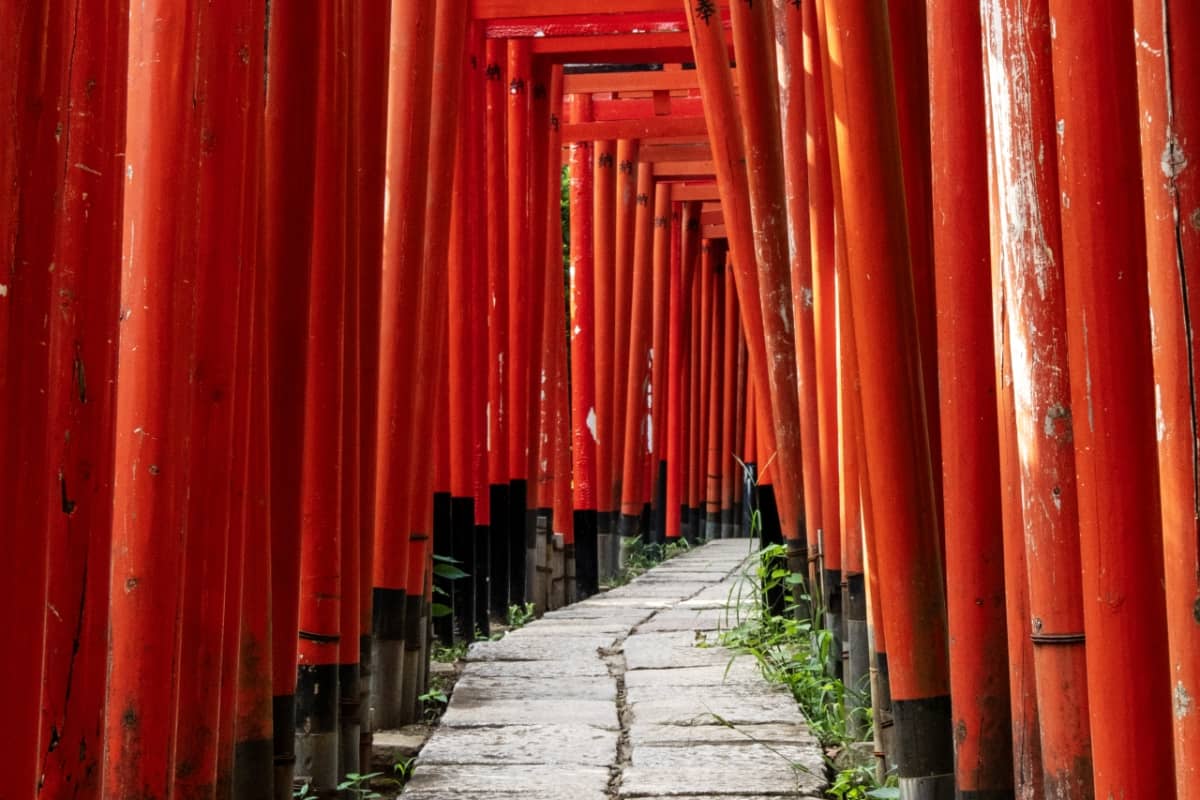
Just beyond the main precinct lies a serene pond with koi and turtles, tucked under centuries-old sacred trees, with plenty of quiet corners to pause and reflect. As you enter the Otome Inari Shrine path, you’ll encounter the famed Senbon Torii, a mesmerizing tunnel of vermilion gates donated over the years by worshippers in gratitude for answered prayers. The slightly winding alignment creates a mysterious, almost whimsical tunnel effect that feels hidden and timeless.
Come spring, the hillside behind the main shrine bursts into life with over 3,000 azaleas in about 100 varieties, planted during the Edo period using bushes transplanted from Tatebayashi in Gunma. Every April, the Tsutsuji Matsuri (Azalea Festival) transforms the grounds into a living palette of pink, white, red, and purple, with weekend plant sales, food stalls, and special goshuin stamp designs that make the experience feel both local and celebratory.


But Nezu Shrine isn’t just a set piece. It remains a vibrant place of worship, offering blessings for academic success, matchmaking, and warding off misfortune. The torii tunnel continues to grow as thankful devotees add to the path. Even literary figures like Natsume Soseki and Mori Ogai once walked these grounds in quiet reverence.
For photography, focus on the contrast between vibrant azaleas and vermilion torii, best captured on sunny spring afternoons when soft light filters through the gates. For architectural shots, early morning or dusk reveals rich details on carved woodwork, gates, and decorative tiles.
Before you go
Paths are mostly stone, gravel, and a few gentle slopes so good walking shoes are a must. There are public toilets, a small café/shop near the entrance, and English signage around the shrine grounds. Be respectful during ceremonies: bow at torii gates, and use the temizuya fountain before entering prayer areas. Expect large crowds during Tsutsuji Matsuri (Azalea Festival) held from mid-April to early May, and New Year’s holidays (Hatsumōde) from December 31 to January 3.
Nezu Shrine is open year-round, with the grounds accessible 24 hours a day. However, the main worship hall and office generally operate from around 6 AM to 5 PM, with slight seasonal adjustments. During the popular Tsutsuji Matsuri (Azalea Festival) and New Years holidays, special areas like the azalea garden open to the public with a small entrance fee. While the shrine doesn’t close for national holidays, festival periods can bring heavy crowds and additional activities.
When to go
Spring brings spectacular azalea blooms to Nezu Shrine, transforming the grounds into a vibrant canvas of pink and purple hues. The early morning light filtering through the Senbon Torii gates creates magical photo opportunities year-round, with autumn offering pleasant temperatures and fewer crowds. Early morning visits between 6AM and 8AM provide the most serene atmosphere for spiritual reflection and photography. Weekday mornings are particularly peaceful, while weekends see a significant increase in visitors, especially during the middle of the day. For those seeking a quieter experience, consider arriving right at opening time, when the shrine grounds are at their most tranquil. The shrine maintains its peaceful atmosphere during weekday afternoons, particularly after 3PM when tourist numbers naturally decline.
Average crowd levels throughout the day, based on historical data.
Public review summary
Visitors praise the serene atmosphere and well-maintained grounds, particularly highlighting the picturesque Senbon Torii gates and koi ponds. The shrine earns acclaim for its peaceful ambiance away from Tokyos bustle, with the azalea garden being a major draw during spring. Some note the crowds during peak flower seasons and azalea festival times. Early morning visitors especially appreciate the tranquil experience, though a few mention concerns about height clearance under the torii gates.
What you'll find here
Location & access
- DirectionsAddress
1 Chome-28-9 Nezu, Bunkyo City, Tokyo 113-0031, Japan
- How to get there
By Public Transportation: Take the Tokyo Metro Chiyoda Line to Nezu Station (C14) or Sendagi Station (5–7 min walk), or the Nanboku Line to Todaimae Station (also 5–7 min). All three offer easy and scenic access through residential neighborhoods before reaching the shrine.
By Car: Driving in central Tokyo is possible but parking near the shrine is limited (and often unavailable during festivals). If you do drive, look for nearby coin parking lots, particularly near Yanaka Ginza. A short walk from any lot will bring you to charming old‑Tokyo streets before you arrive at the shrine.
Common questions
What is the best time to see azaleas at Nezu Shrine?
Azaleas typically bloom in April during the annual Azalea Festival. The shrine's azalea garden becomes particularly spectacular during this time, with thousands of colorful blooms. Early morning visits are recommended to avoid crowds, and there is a small 200 yen fee to enter the azalea garden area.
Is there parking available at the shrine?
The shrine has a small free parking area inside its grounds, accessible to those participating in ceremonies (prayers, weddings, etc.). Entry is via the north approach, with free parking reserved for worshippers attending a ritual. If coming by car use the coin pakring near by for ¥200–300 per 20 minutes.
Can visitors get a goshuin (shrine stamp) here?
Yes, goshuin stamps are available at Nezu Shrine for 300 yen. They are offered at the amulet sale area next to the main hall. However, as of recent updates, these are pre-written stamps rather than direct writing in your goshuin book.
What makes Nezu Shrine historically significant?
Nezu Shrine has a rich history dating back approximately 1,900 years, originally founded by Emperor Yamato Takeru. It was relocated to its current location in 1706 by Tokugawa Tsunayoshi, and its buildings from the Edo period have survived both earthquakes and wars.
Are the Senbon Torii gates accessible all day?
The Senbon Torii gates, which are part of the Otome Inari Shrine within the grounds, are accessible throughout the shrine's opening hours from 5:30 AM to 6:00 PM. They're smaller than some other famous torii gates, so tall visitors should mind their height.

Bring this spot to life with a local photographer
Book a vetted local photographer who knows the best light, angles, and timing for this location.