

At a glance
Obuchi Sasaba is a scenic green tea plantation in Fuji, Shizuoka, renowned for its picturesque views of Mount Fuji rising behind vibrant tea fields. This free-access photo spot attracts photographers and nature lovers, especially during early to mid-May when the fresh tea leaves are at their most vivid green. The location features accessible parking, restrooms, and a small shop selling locally-produced tea.
Photographs
Obuchi Sasaba
Obuchi Sasaba sits on the southern foothills of Mount Fuji in Fuji City, where rows of working tea fields spread across gentle slopes with the mountain rising cleanly behind them. It is especially loved by photographers because the view is one of the rare tea plantation scenes around Fuji where power lines do not cut through the frame.


This is not a staged tourist garden, but a real tea-growing landscape cared for by local farmers and the Obuchi Sasaba Preservation Association. The fields were restored through local conservation efforts, turning a fading rural scene back into one of Shizuoka’s most recognizable views of tea culture and Mount Fuji.
The best time to feel its beauty is from late April into May, when the fresh tea leaves turn a vivid green and the remaining snow on Fuji adds a sharp, seasonal contrast. Visitors can walk along designated paths, enjoy the quiet satoyama [里山] atmosphere, and stop by the small shop for local tea, tastings, and simple souvenirs when it is open.

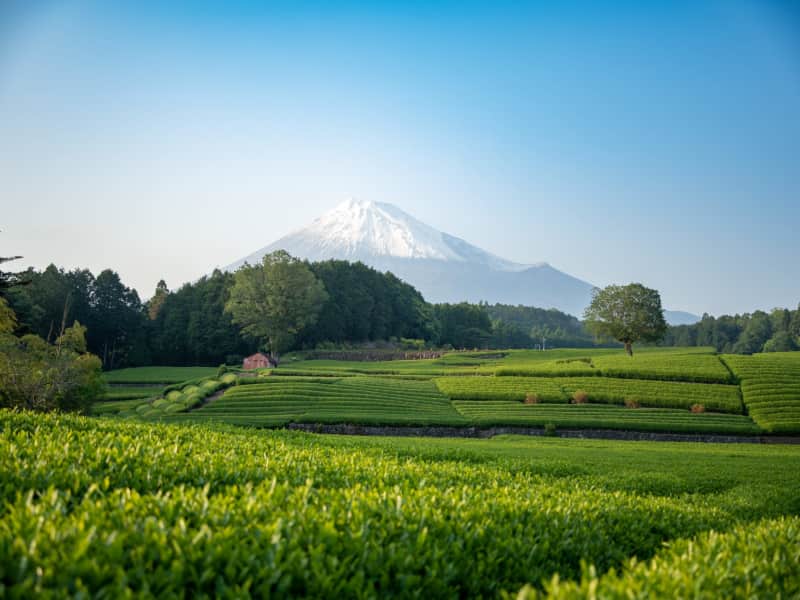

For photography, come early in the morning when the air is clearer and Mount Fuji is more likely to be visible before clouds gather. Stay on the marked paths, avoid entering the tea fields, and treat the area with care, since it is both a scenic viewpoint and someone’s place of work. Personal photography is generally allowed, while commercial shoots and drone use require prior approval.
The site features a small tea shop where local producers offer complimentary tastings of freshly harvested green tea and sell premium tea products unique to this plantation. Free parking and clean restroom facilities make visiting convenient, though the narrow access roads require careful navigation as they operate as one-way streets in certain sections.
Before you go
Entry is free. The site is a working tea plantation, so visitors must stay on designated paths and avoid stepping into the fields. There are basic facilities including parking and toilets, but options are limited. Wear comfortable shoes as the ground can be uneven. Tripods are generally allowed for personal photography if used respectfully, but drones and commercial shoots require permission. Bring water and be mindful of local farmers and etiquette.
Open year-round with no fixed closing days, though the small tea shop may have irregular hours and can close during bad weather or off-season periods.
When to go
Early to mid-May is the absolute best time to visit Obuchi Sasaba when the fresh green tea leaves are at their most vibrant, creating stunning contrast against Mount Fuji's snow-capped peak. Winter months (December through February) also offer excellent visibility of Mount Fuji due to clearer air, though the tea fields appear less lush. Early morning visits between 6AM and 9AM provide the clearest views of Mount Fuji and the most peaceful atmosphere for photography. Weekdays are significantly less crowded than weekends, allowing visitors to enjoy the tea fields and photo spots without waiting.
Average crowd levels throughout the day, based on historical data.
Public review summary
Visitors praise the stunning combination of Mt. Fuji and vibrant green tea fields, with many calling it quintessentially Japanese and breathtaking. The free entry, clean facilities, and peaceful atmosphere earn consistent appreciation. However, cloud coverage frequently obscures Mt. Fuji views, disappointing some guests. Early morning visits yield the best visibility and fewer crowds. The narrow one-way roads can be challenging to navigate for drivers unfamiliar with the area.
What you'll find here
Location & access
- DirectionsAddress
1445 Obuchi, Fuji, Shizuoka 417-0801, Japan
- How to get there
By Public Transportation:
From JR Tokaido Shinkansen or JR Tokaido Main Line, get off at Shin-Fuji Station or Fuji Station. From there, take a local bus toward the Obuchi area or a taxi for about 20-25 minutes. Public transport access is limited, so a taxi is often the most straightforward option for reaching the tea fields.
By Car:
From central Fuji City, it’s about a 20-30 minute drive. Use navigation for “Obuchi Sasaba” or nearby tea fields. Free parking is available near the site, but the final approach involves narrow rural roads with some one-way sections, so drive slowly and be mindful of oncoming vehicles.
Common questions
Is Obuchi Sasaba open to the public and free to visit?
Yes, Obuchi Sasaba is completely free and open to the public 24 hours a day, seven days a week. The tea plantation offers free parking and wheelchair accessible facilities. There are no entrance fees or tickets required to enjoy the scenic views of Mount Fuji and the green tea fields.
What is the best time of year to visit Obuchi Sasaba?
The best time to visit Obuchi Sasaba is from late April to early May when the tea fields display their most vibrant fresh greenery. Winter months also offer excellent Mount Fuji visibility due to clearer air conditions. The tea leaves are at their peak beauty during the new tea season in spring.
How do I get to Obuchi Sasaba from Fuji Station?
Direct bus service to Obuchi Sasaba is not available. While there are buses that go nearby, most visitors recommend renting a car for convenience. If taking public transport, the nearest bus stop requires approximately a 20-minute walk through residential areas, and buses run infrequently.
What facilities are available at Obuchi Sasaba?
Obuchi Sasaba provides free parking lots with wheelchair accessible spaces, clean restroom facilities, and a small shop selling local green tea products and souvenirs. The shop accepts cash only for purchases. There are designated photo spots including a scenic photo frame for capturing Mount Fuji views.
Can I see Mount Fuji clearly when I visit?
Mount Fuji visibility depends on weather conditions and time of day. Early morning visits typically offer the clearest views as the air is fresher and clouds are less likely. Winter months provide better visibility than summer. Note that clouds can obscure the mountain even on otherwise nice days.

Bring this spot to life with a local photographer
Book a vetted local photographer who knows the best light, angles, and timing for this location.