
At a glance
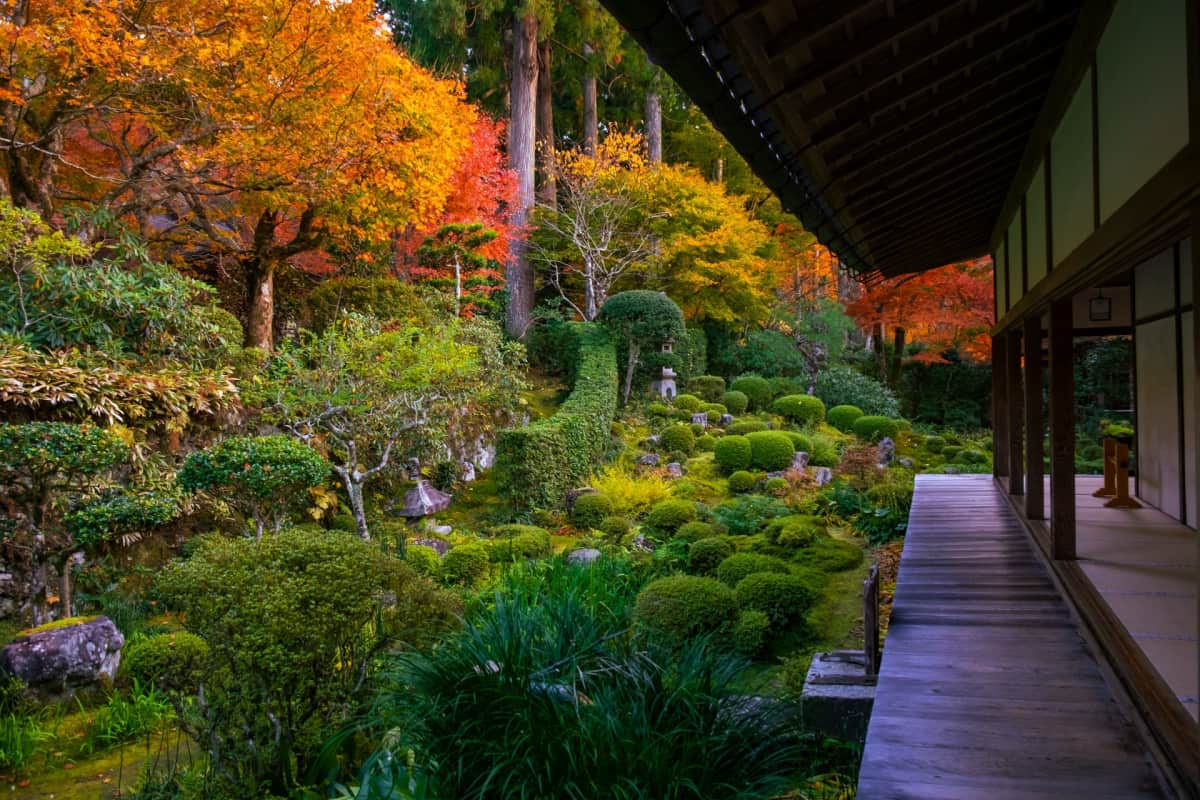
Sanzen-in Temple, a venerable Buddhist sanctuary founded in 784 CE, offers a serene retreat in Kyoto's Ohara district. This historic temple showcases spectacular seasonal gardens featuring vibrant hydrangeas in summer and fiery autumn leaves, complemented by its famous moss-covered grounds and enchanting collection of Jizo statues.
Photographs
Sanzen-in Temple
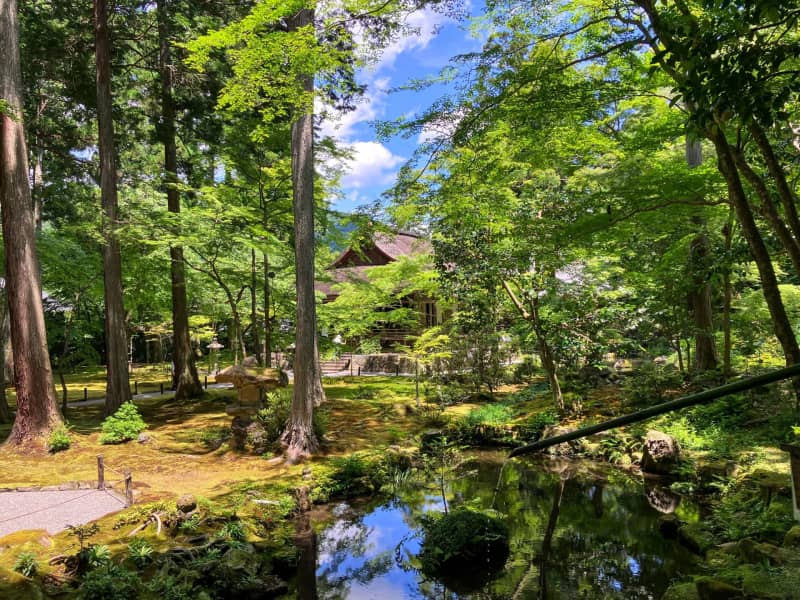
Sanzen-in Temple, founded in 784 CE, houses the revered National Treasure Amida Triad within its Ojo Gokuraku-in hall. The temple's grounds showcase exquisite Japanese garden design, where vibrant moss gardens create a stunning green carpet throughout the seasons.

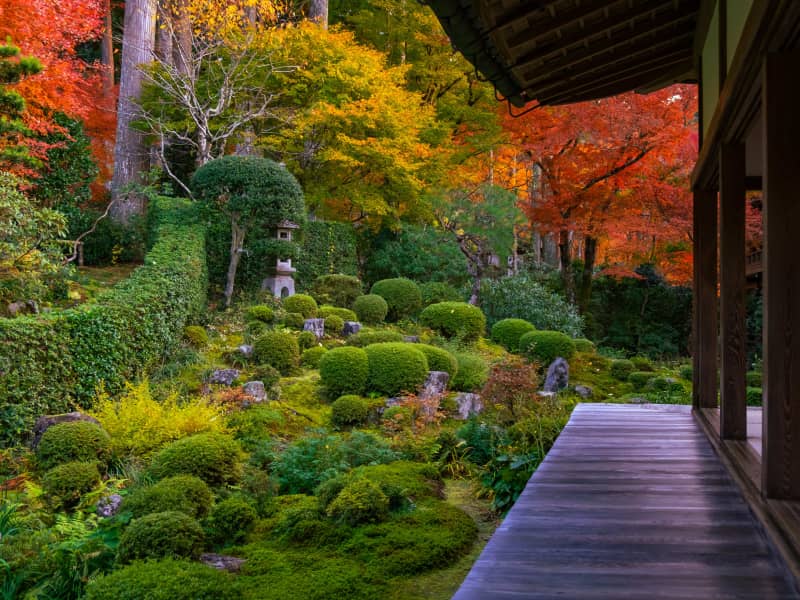
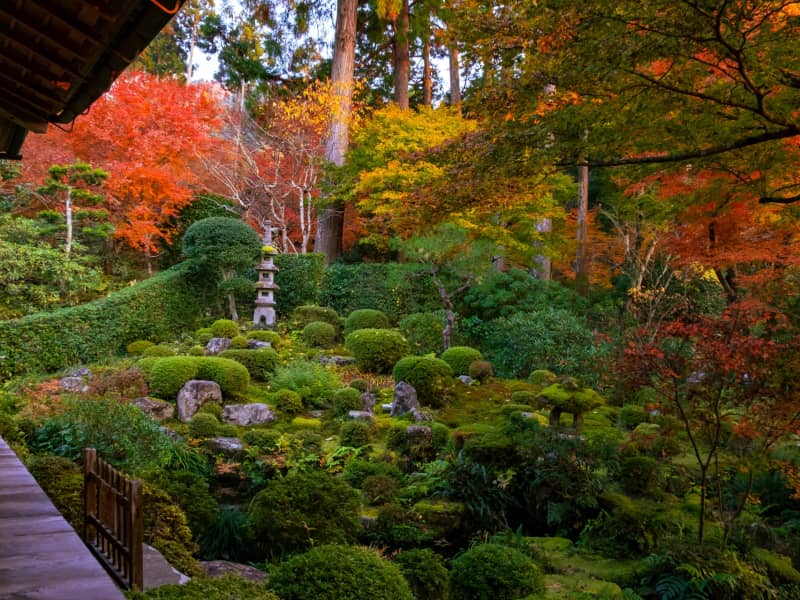
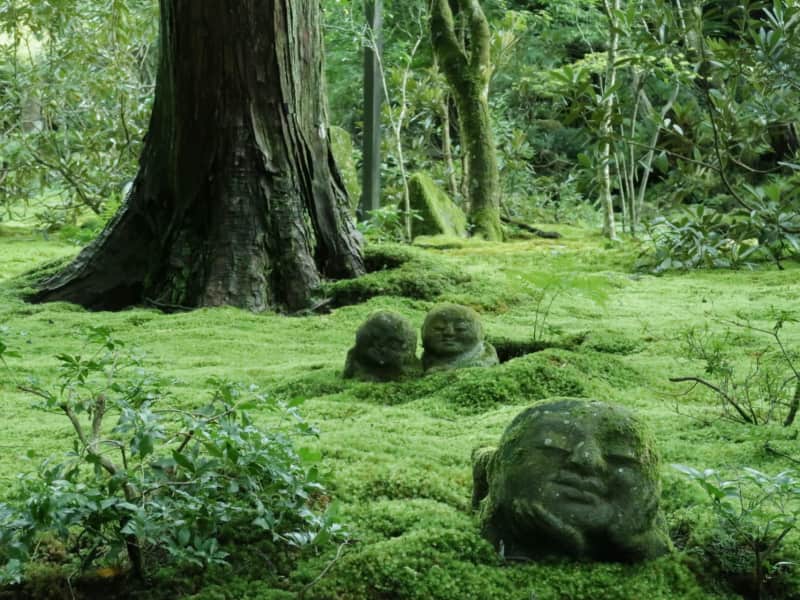
The temple's most distinctive feature is its collection of endearing Warabe Jizo statues, small Buddhist figures that appear to rest peacefully on the moss-covered grounds. These charming statues, combined with the garden's natural beauty, create perfect photo opportunities that capture the essence of traditional Japanese temple aesthetics.
Seasonal highlights include the spectacular hydrangea blooms in summer and the stunning maple leaf colors in autumn. The temple grounds maintain their allure year-round, with rhododendrons adding splashes of color in spring and the moss gardens providing a constant verdant backdrop that's particularly enchanting during and after rain showers.
Visitors can access Sanzen-in via a scenic journey from Kyoto Station, taking either a combination of subway and bus or a direct bus to Ohara. The temple's location in the peaceful Ohara district offers a serene escape from the busy tourist areas of central Kyoto, allowing for a more contemplative temple experience.
Before you go
Be ready to remove your shoes before entering the indoor halls—it’s part of the serene experience and keeps the floors spotless. Photography is welcome in the gardens (just be gentle with the moss), though it might be restricted inside certain buildings—watch for signs. There’s no parking on site, so plan to use nearby public or private lots and walk up—it’s all part of the peaceful prep to enter. Entry is a cash-only fee: around 700 yen for adults, 400 yen for junior/high schoolers, and 150 yen for elementary students.
Sanzen-in Temple is open daily throughout the year. From March to December 7th it welcomes visitors from 8:30 AM to 5:30 PM (last entry around 5:00 PM), while from December 8th to February the hours shift to 9:00 AM to 4:30 PM.
When to go
Summer brings vibrant hydrangeas and fresh greenery to Sanzen-in's moss gardens, while autumn transforms the grounds with spectacular maple foliage. Spring and autumn are optimal visiting seasons, offering pleasant temperatures and stunning natural displays. Visit early on weekday mornings to experience the temple's serene atmosphere with minimal crowds. Opening at 9 AM provides the best opportunity for peaceful exploration and photography before tour groups arrive.
Average crowd levels throughout the day, based on historical data.
Public review summary
Visitors praise the serene moss gardens and atmospheric grounds, particularly appreciating the tranquil morning hours before tour groups arrive. The adorable Warabe Jizo statues and well-maintained gardens receive consistent admiration. Common critiques mention crowding during peak times and occasional issues with noisy tourists taking photos. The temples remote location is seen as both a charm and challenge, with many noting the peaceful environment is worth the journey.
What you'll find here
Location & access
- DirectionsAddress
540 Ohararaikoincho, Sakyo Ward, Kyoto, 601-1242, Japan
- How to get there
By Public Transportation: From Kyoto Station, take Bus #17 to the Ohara stop (about a 60‑minute ride), then walk around 10 minutes uphill to the temple. Alternatively, ride the Karasuma subway line to Kokusaikaikan Station, then continue via Kyoto Bus to Ohara.
By Car: There’s no temple parking. Use nearby city or private parking facilities at the base of the approach route, then walk up to the temple.
Common questions
How do I get to Sanzen-in Temple from Kyoto Station?
Take the subway Karasuma Line to Kokusai Kaikan Station (20 minutes), then take the Kyoto Bus to Ohara bus stop (22 minutes), followed by a 10-minute walk. Alternatively, you can take a direct bus from Kyoto Station to Ohara, though the journey takes about 1 hour and 5 minutes.
What are the main seasonal highlights at Sanzen-in?
The temple is renowned for its stunning hydrangeas in summer and vibrant autumn foliage. The moss-covered gardens provide year-round beauty, with the fresh greenery being particularly striking in spring. The temple grounds are also home to charming Warabe Jizo statues nestled among the moss.
Is there a parking area available at Sanzen-in?
Yes, there is a paid parking lot located near the temple. During peak seasons and weekends, the parking lot tends to fill up quickly. Motorcycles have dedicated parking spaces available at a reduced rate of 200 yen per visit.
Why is it called Sanzen-in Temple?
The name Sanzen-in comes from the Buddhist concept of 'Ichinen sanzen' (一念三千). The temple was founded in 784 CE and has a rich history, having been relocated multiple times before settling at its current location in 1871.
What facilities are available at the temple?
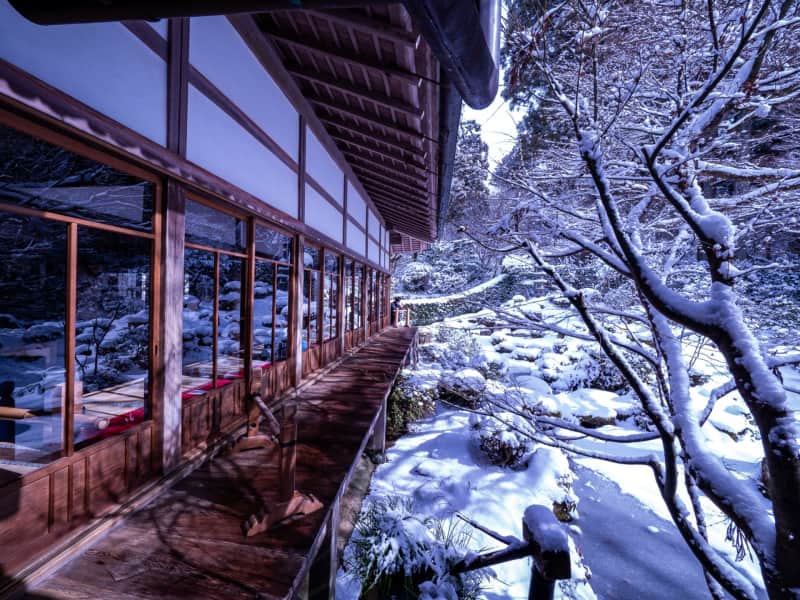
The temple offers basic amenities including restrooms and onsite services. For an additional fee of 600 yen, visitors can enjoy green tea and mochi while seated on traditional red carpets overlooking the garden.

Bring this spot to life with a local photographer
Book a vetted local photographer who knows the best light, angles, and timing for this location.