

At a glance
Shinagawa Ura Harbor is a historic waterfront area in Tokyo's Shinagawa district, featuring traditional fishing boats and houseboats along the harbor. This preserved pocket of old Tokyo offers glimpses of Edo-period maritime life, with the iconic Kita-Shinagawa Bridge spanning the waterway.
Photographs
Shinagawa Ura Harbor
Shinagawa Ura Harbor stands as a living testament to Tokyo's rich maritime heritage, having once served as one of the crucial fishing villages known as Yatsugaura that supplied seafood directly to Edo Castle. During the Edo period, fishermen here held official roles, tasked specifically with catching and transporting fish to the shogunate, highlighting the harbor’s importance within the castle’s food supply chain. Remarkably, this tradition persists today, as locals can still be seen heading out in small boats to fish, maintaining a quiet but living connection to the area’s origins.


The historic waterfront showcases a fascinating blend of traditional fishing boats, houseboats [屋形船], and the iconic Kita-Shinagawa Bridge from the late Taisho period, creating a unique cultural landscape. Along the canal, a row of antique wooden Japanese houses lines the banks, preserving the texture and scale of an earlier time and offering a rare architectural continuity in the modern city.
This atmospheric harbor offers visitors a glimpse into old Tokyo through its distinctive zigzag alleyways called tsujiwari [辻割], which were ingeniously designed to protect the town from harsh sea breezes and limit fire spread. The layout reflects Edo-period urban planning and adds to the area’s charm as one wanders through shadowy corners and gently curving streets.
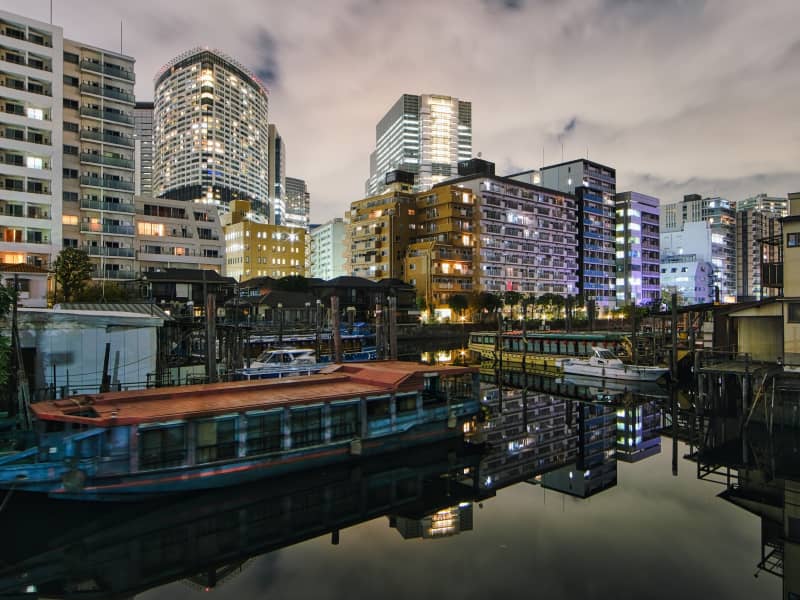

The contrast between ancient wooden buildings and modern Shinagawa skyscrapers creates a compelling visual narrative of Tokyo's evolution from fishing village to metropolitan hub. The harbor is not merely a relic but an active, functioning space, where local rhythms blend with urban transitions. Photographers in particular are drawn to its quiet energy, especially during early morning and dusk, when light reflects gently off the still waters and weathered surfaces.
Located just minutes from Kita-Shinagawa Station, this free attraction provides an authentic glimpse into Tokyo's waterfront history. Shinagawa Ura Harbor remains one of the rare spots in the city where the past is not only preserved—but continues to quietly unfold.
Before you go
The area is best enjoyed slowly and quietly. Wear comfortable shoes as the area features uneven stone paths and narrow alleyways that invite walking. The harbor is open to the public and free to explore, with no formal entry points.
Open 24/7, all year round — no holiday closures.
When to go
Visit during early morning or late afternoon (especially golden hour) to enjoy soft light and rich reflections on the water. Weekdays are quieter, offering a more immersive experience. In spring, cherry blossoms along the canals add a poetic touch, while in autumn, the foliage provides a warm color palette. The area is calm year-round, but avoid midday in summer due to limited shade.
Public review summary
Visitors consistently praise the harbor’s authentic, off-the-beaten-path ambiance and the sense of “hidden Tokyo” it offers. The contrast between old wooden houses and city towers is a highlight for photographers. However, some note that there’s minimal signage or tourist infrastructure, which may make navigation tricky for first-timers. Overall, the peaceful, lived-in feel is widely appreciated by those seeking historical texture over major attractions.
What you'll find here
Location & access
- DirectionsAddress
1 Chome-23-6 Kitashinagawa, Shinagawa City, Tokyo 140-0002, Japan
- How to get there
By Public Transport: Shinagawa Ura Harbor is easily accessible by foot. From Kita-Shinagawa Station (Keikyū Line), it’s about a 3-minute walk — exit the station and head toward the nearby canal. From Shinagawa Station (JR and Shinkansen lines), it’s a slightly longer 10-minute walk, passing through a mix of modern streets and older residential alleys. Once you reach the waterfront, the harbor area stretches around the Kita-Shinagawa Bridge, with historic alleyways and wooden buildings lining the canal.
Common questions
What historical significance does Shinagawa Ura Harbor have?
During the Edo period, Shinagawa Ura was one of the important fishing villages known as 'Yatsugaura' that supplied fish and seaweed directly to Edo Castle. The area was particularly known for its thriving seaweed cultivation until 1962.
What can visitors see at Shinagawa Ura Harbor today?
Today, visitors can observe a unique contrast between old houses and modern redeveloped buildings around Shinagawa Station. The harbor features traditional fishing boats and houseboats lined up along the waterway, plus the historic stone Kita-Shinagawa Bridge from the Taisho period.
How far is it from Shinagawa Station?
The harbor is approximately 10-15 minutes walking distance from Shinagawa Station. For a closer option, it's just a few minutes' walk from Kita-Shinagawa Station.
Why are there zigzag alleyways in the area?
The zigzag alleyways, known as Tsujiwari, were purposefully designed during the Edo period as a protective measure against salt damage from sea breezes, as the area was originally much closer to the sea.
When is the best time to take photos at Shinagawa Ura Harbor?
The harbor offers particularly photogenic views during early morning and dusk hours. The unique atmosphere created by the contrast between historical elements and modern buildings makes it an excellent spot for photography and sketching.

Bring this spot to life with a local photographer
Book a vetted local photographer who knows the best light, angles, and timing for this location.