
At a glance
Golden Gai is a historic nightlife district in Shinjuku, Tokyo, renowned for its six narrow alleys lined with over 200 tiny bars and eateries. Each venue offers a unique, intimate atmosphere, preserving post-war Tokyo charm and providing visitors with an authentic experience of Japanese bar culture and local hospitality.
Photographs
Shinjuku Golden Gai
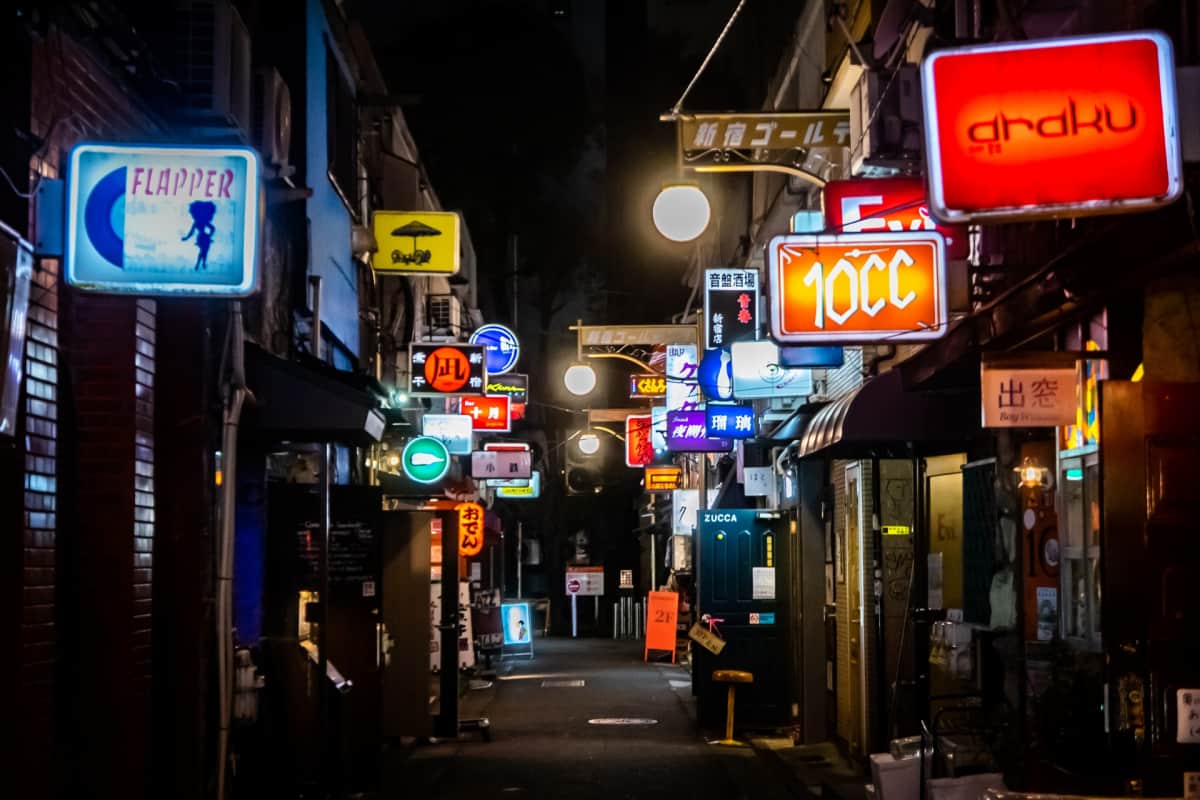
Tucked away in the heart of Shinjuku, Golden Gai is a legendary nightlife enclave that preserves the gritty charm and post-war nostalgia of Tokyo’s Showa era. Comprising six narrow alleyways packed with over 200 tiny bars and eateries—some estimates even suggest close to 280—the area is a striking contrast to the high-rise chaos of nearby Kabukicho. Its weathered wooden facades, crooked stairways, and neon-lit signs form a patchwork of memories from a bygone Tokyo, resisting the march of modernization that defines much of the city.

Golden Gai’s roots trace back to the post–World War II black market, later evolving into a red-light district. After the 1958 prostitution ban, the neighborhood gradually transformed into a safe haven for drinking establishments. By the 1960s and 70s, it had become known as “bunkajin no machi” (city of cultivated people), drawing in writers, artists, and avant-garde thinkers. Many bars were (and still are) run by charismatic proprietresses—known as “mama-san”—who cultivated a salon-like atmosphere where regulars debated literature, politics, and the human condition over whiskey and beer.
In the 1980s, the area faced threats from both organized crime and large-scale redevelopment. But its fiercely loyal community resisted. Bar owners and residents rallied together, thwarting arson attempts and buyouts. This grassroots resilience helped Golden Gai survive, preserving its bohemian spirit while the rest of Shinjuku modernized. Today, it stands as a rare time capsule—a gritty monument to Tokyo’s underground culture and creative countercurrents.


Each bar here is a microcosm of personality, with themes ranging from punk rock and film noir to poetry and photography. The spaces are intimate, typically seating just 6 to 10 guests, which naturally fosters conversation among strangers. Some interiors are stacked with books and vinyl records, while others lean minimalist or eccentric. The experience is less about drinking and more about connection—with the bartender, the regulars, or the ambiance itself.
For photographers and urban explorers, Golden Gai is a visual and sensory feast. The moody alleys come alive after dark, bathed in the glow of paper lanterns and flickering signs. Early evening or deep night is ideal for photography, capturing the cinematic interplay of light, shadow, and texture. A wide-angle lens works best to convey the tight spaces, but tripods are discouraged due to the crowded, narrow paths. Discreet and respectful shooting is key—this is, after all, a lived-in community, not just a photo op.

While Golden Gai is increasingly welcoming to foreign visitors—with more English menus and open-door policies—some bars remain selective, prioritizing regulars or maintaining a quiet atmosphere. Visitors are encouraged to respect local etiquette: greet the bartender, order at least one drink, avoid loud behavior, and embrace the smallness of the space. Golden Gai's enduring allure lies in this rare combination of authenticity, intimacy, and cultural continuity—a rare pocket of Tokyo where time seems to stand still.
Before you go
Golden Gai’s alleys are extremely narrow and most bars seat only a handful of guests, so leave large bags at your hotel or in station lockers. Many bars are cash-only and have cover charges (typically 500–1,200 yen), so bring enough cash and check signage for payment methods. Respect each bar’s rules-always ask before taking photos, and avoid bars marked “Regulars Only.” Groups should split into pairs or trios to avoid taking up too much space. Tripods are not recommended due to space constraints and local etiquette.
Golden Gai’s bars generally operate year-round, including holidays, though individual bar hours and closures vary. Most bars open from around 5 PM or 8 PM and stay open until late; some may close on Sundays or holidays, so check in advance if you have a specific bar in mind.
When to go
Golden Gai's atmospheric nightlife scene is best experienced after sunset when lanterns and neon signs illuminate the narrow alleyways. Most establishments start opening around 7 PM, but visiting between 9 PM and midnight offers the most vibrant experience when bars are bustling with their unique characters fully on display. Weekends naturally draw larger crowds, making weekday evenings ideal for a more relaxed experience. For a quieter experience or photography, visit in the early evening before peak crowds, or explore the alleys during the day to enjoy the nostalgic architecture in peace.
Public review summary
Bar interactions range from warm and welcoming to selective entry policies. The tiny venues create unique social experiences, though common complaints include occasional unwelcoming attitudes, especially toward large groups or those not ordering drinks, and the high cost due to cover charges and drink prices. Some note that the area can feel touristy or cramped during peak times, but many still find it a memorable, quintessential Tokyo nightlife experience. Cash-only policies and space constraints can be limiting for groups, but most enjoy the atmospheric narrow alleys and diverse mix of traditional and modern bars.
What you'll find here
Location & access
- DirectionsAddress
Kabukicho, Shinjuku City, Tokyo 160-0021, Japan
- How to get there
By Public Transport: Golden Gai is a 5–10 minute walk from the east exit of Shinjuku Station. Head east along Yasukuni-dori, passing Don Quijote, and look for the lantern-lit lanes near Hanazono Shrine and the Shinjuku City Office. Alternatively, from Shinjuku-Sanchome Station (Marunouchi, Fukutoshin, Toei-Shinjuku lines), take the E2 exit and walk a few minutes north.
Common questions
What's the average cover charge at Golden Gai bars?
Most bars in Golden Gai charge a cover fee ranging from 500-1200 yen per person. This typically includes a small appetizer. Look for signs marked 'no charge' outside if you prefer venues without cover fees. Most establishments are cash-only.
Can I visit Golden Gai with a large group?
Due to the ultra-compact nature of Golden Gai's bars, which typically seat only 6-8 patrons, groups larger than 3-4 people may find it challenging to find seating together. It's best to visit in smaller groups for a more comfortable experience.
Is photography allowed in Golden Gai?
While outdoor photography in Golden Gai is generally permitted, many individual bars have their own photography policies. Be respectful of privacy and always ask permission before taking photos inside establishments. Some venues may prohibit photography entirely.
Do I need cash for Golden Gai bars?
Yes, most venues in Golden Gai operate on a cash-only basis. While some establishments may accept cards, it's strongly recommended to bring enough cash to cover your drinks, food, and cover charges to ensure a smooth experience.
Are non-Japanese speakers welcome in Golden Gai?
While increasingly popular with international visitors, some bars maintain selective entry policies. Many establishments are welcoming to tourists, but others may cater primarily to Japanese speakers. Look for signs in English or clearly marked tourist-friendly venues.

Bring this spot to life with a local photographer
Book a vetted local photographer who knows the best light, angles, and timing for this location.