

At a glance
Shitenno-ji, Japan's first Buddhist temple established in 593 AD, welcomes visitors to its historic five-story pagoda, traditional temple buildings, and tranquil gardens in central Osaka. This wheelchair-accessible temple complex features ponds with turtles and offers spiritual services while maintaining its authentic cultural heritage.
Photographs
Shitenno-ji Temple
Founded in 593 AD by Prince Shōtoku, Shitennoji Temple is often recognized as Japan’s first state-sponsored Buddhist temple, though its buildings have been rebuilt over the centuries, most recently in 1963. The temple’s complex retains the classic Shitennoji‑style layout, a straight alignment from south to north featuring the inner gate (Chūmon), the five‑storied pagoda, the main hall (Kondō) and the lecture hall (Kōdō), enclosed by a roofed corridor.
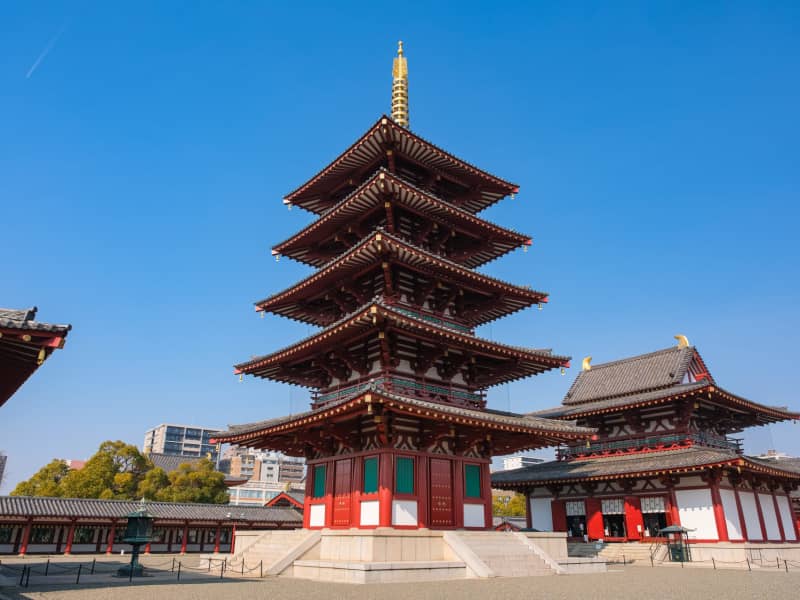
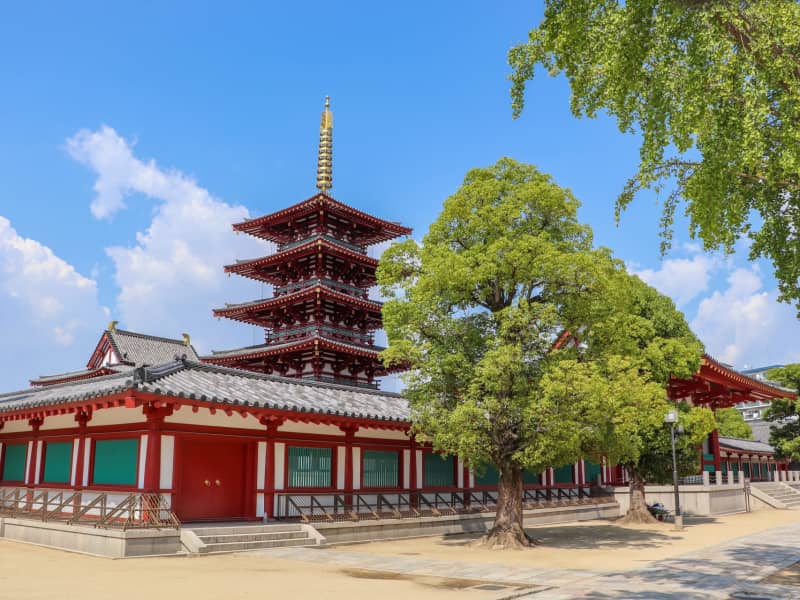

The temple grounds offer a peaceful oasis amid urban Osaka, where ancient wooden halls and statues sit quietly against the modern cityscape, notably the towering Abeno Harukas skyscraper nearby. Highlights include the serene turtle‑shaped ritual stone from the 7th century and the Gokuraku‑jōdo garden, which make the atmosphere quietly spiritual.
Every 21st and 22nd of the month, the temple hosts one of Kansai’s largest flea or antique markets, with around 300 to 500 stalls offering everything from vintage kimonos and ceramics to street food, an event that truly brings the temple alive.

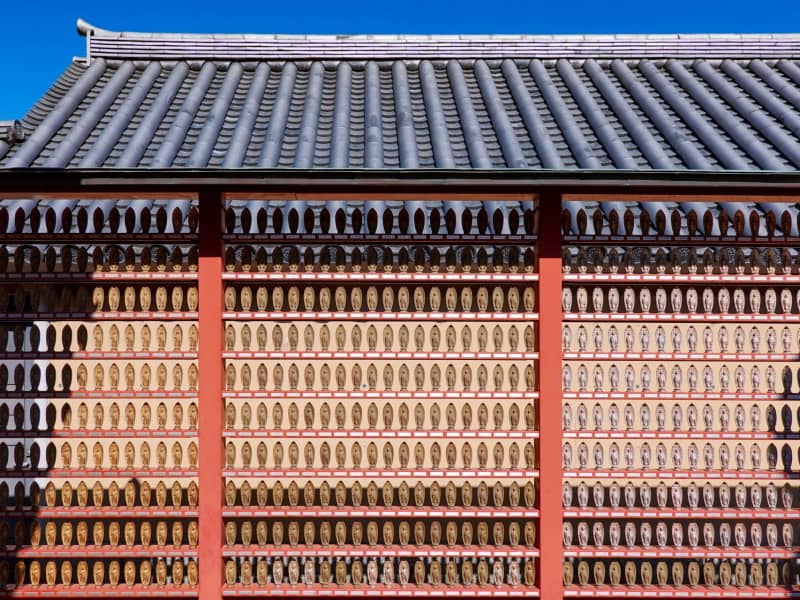

Today, the temple remains the headquarters of the Wa sect (Wa‑shū) of Buddhism, with a Treasures Museum holding historical artifacts like swords linked to Prince Shōtoku and ancient sutras. While the site is rich in tradition, it also offers modern conveniences such as wheelchair access. Whether you’re looking for a quiet spiritual experience or cultural immersion with a hint of nostalgia, Shitennoji Temple truly bridges Japan’s ancient Buddhist roots and its modern urban life.
Before you go
Visiting the temple grounds is free, but access to inner areas requires a modest fee. The Chūshin Garan (main temple zone with the pagoda and main hall) costs ¥300 for adults, ¥200 for students, with children often free. The Treasure House museum is ¥500 for adults, ¥300 for students, and the Gokuraku‑jōdo Garden (lovely turtle‑populated pond) is ¥300 for adults, ¥200 for students.
Comfortable shoes are a must since there’s quite a bit of walking, and many buildings ask that you remove your shoes. There are toilets and some cafe spaces nearby, wheel‑chair access to key paths and halls is available, but tripods may be unwelcome inside main halls—quiet reverence is the mood you’ll want to keep.
Shitennoji is open year-round with no fixed closure days. The temple comes alive during seasonal events such as the flea markets on the 21st and 22nd of each month, spring and autumn equinox festivals, and the Obon “Manto Memorial Service” in August, when thousands of candles are lit in the evening.
When to go
Spring and autumn are ideal times to visit Shitenno-ji Temple, with cherry blossoms adorning the grounds in April and vibrant fall colors in November. Early morning visits offer the most serene atmosphere, with soft light illuminating the historic five-story pagoda and providing perfect photo opportunities. For the most peaceful experience, aim to arrive when the temple opens at 8:30 AM, especially on weekdays. The temple grounds are less crowded during weekday mornings, allowing for quiet contemplation and unobstructed views of the architecture.
Average crowd levels throughout the day, based on historical data.
Public review summary
Visitors consistently praise the temples serene atmosphere and historical significance, noting how it provides a peaceful escape from Osakas urban bustle. The 5-story pagoda and traditional architecture receive frequent positive mentions. While many appreciate the spiritual ambiance and cultural authenticity, some note that compared to Kyoto temples, it may feel relatively simple. Staff interactions receive mixed reviews, with occasional mentions of brusque service at the stamp office.
What you'll find here
Location & access
- DirectionsAddress
1 Chome-11-18 Shitennoji, Tennoji Ward, Osaka, 543-0051, Japan
- How to get there
By Public Transportation: The closest stop is Shitennoji-mae Yuhigaoka Station on the Osaka Metro Tanimachi Line, about a 5-minute walk. From JR Tennoji Station or Kintetsu Abenobashi Station, it’s around 12-14 minutes on foot.
By Car: From the Hanshin Expressway Yuhigaoka Exit, it takes about 6 minutes. A paid parking lot (34 spaces) is located next to the South Great Gate.
Common questions
What is the historical significance of Shitenno-ji Temple?
Founded in 593 CE, Shitenno-ji holds the distinction of being Japan's first official Buddhist temple. Built under Prince Shotoku's direction during the reign of Empress Suiko, it has maintained its original Shitennoji-style layout with buildings aligned from south to north, despite multiple reconstructions.
How do I get to Shitenno-ji Temple from Tennoji Station?
The temple is approximately a 15-minute walk from Tennoji Station. While multiple routes are available, most visitors follow the main street leading from the station. The walk is relatively easy with gentle slopes, though some elderly visitors may need to allow extra time.
Are there special monthly events at the temple?
Yes, Shitenno-ji hosts regular monthly markets on the 21st (Kobo Market) and 22nd (Taishi Market). These markets feature antiques, traditional items, and various stalls, making them popular times to visit the temple grounds.
What facilities are available for visitors?
The temple offers wheelchair-accessible entrances and parking, along with public restrooms. The grounds include both paid areas like the temple complex and free areas open to the public. Modern conveniences include electronic payment options for offerings.
Can I take photos inside the temple?
Photography policies vary within different areas of the temple. While photos are generally permitted in the outdoor areas and of the five-story pagoda, some indoor areas and specific sacred objects may have photography restrictions.

Bring this spot to life with a local photographer
Book a vetted local photographer who knows the best light, angles, and timing for this location.