

At a glance
Sky Carrot Observatory, located on the 26th floor of Carrot Tower in Sangenjaya, Setagaya, offers sweeping free-entry views of Tokyo. On clear days, Mount Fuji appears in the distance. Its relaxed, local vibe—complete with café seating and a live radio booth—makes it a beloved spot for sunset and skyline photography.
Photographs
Sky Carrot Observatory
Perched on the 26th floor of Carrot Tower in Sangenjaya, the Sky Carrot Observatory offers expansive views of Tokyo’s western skyline and beyond. Unlike the towering skyscrapers of central Tokyo, this Setagaya vantage point provides a more intimate, neighborhood-centric panorama, making it especially appealing to locals and repeat visitors. On clear days—particularly in winter when the air is crisp and dry—Mount Fuji emerges on the horizon, silhouetted behind the densely layered cityscape.

Floor-to-ceiling windows span the west side of the observation area, where plush sofas encourage visitors to linger. The observatory is a popular sunset viewing spot, with dramatic silhouettes of Mount Fuji and surrounding buildings bathed in golden light. A small but stylish café shares the floor, offering light meals, sweets, and drinks with unobstructed skyline views. Notably, the observation deck is free of charge, making it a rare gem among Tokyo’s lookout points.


What sets Sky Carrot apart is its unpretentious, community-rooted atmosphere. Sharing the space is FM Setagaya, a local radio station whose glass-walled studio allows passersby to glimpse live broadcasts. This blend of media, leisure, and local identity gives the observatory a unique warmth. While more compact than larger city observatories like Roppongi Hills or Tokyo Tower, Sky Carrot offers clear views of major landmarks such as Tokyo Skytree, Tokyo Tower, and even the Tama Mountains—all from a peaceful perch high above the bustle of Sangenjaya.

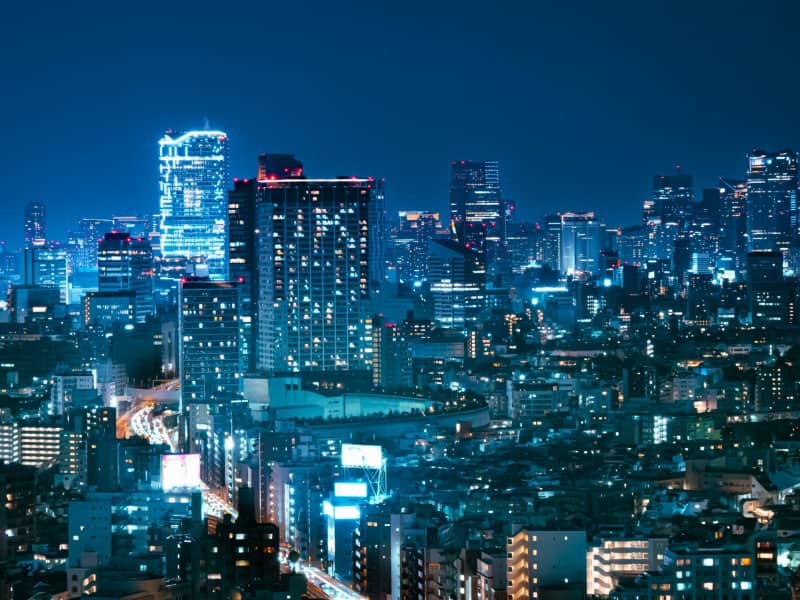
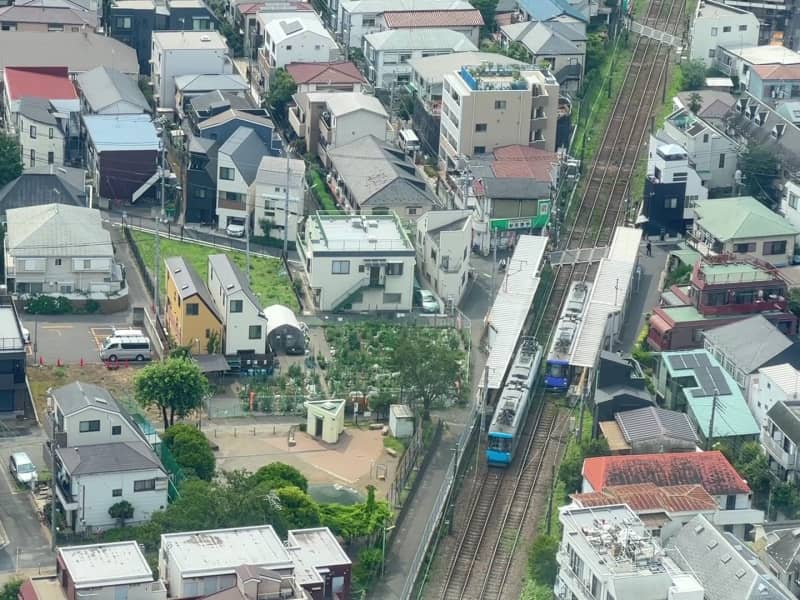
From seasonal photography meetups to quiet afternoon visits by elderly residents, the observatory attracts a wide range of locals. The approachable setting, combined with surprisingly broad views, has helped this spot gain quiet fame among Tokyo’s nightscape photographers and urban scenery enthusiasts.
Before you go
Entry is free and no reservation is required. Tripods are not allowed, but handheld or mini tabletop tripods may be tolerated during off-peak hours.
Closed on the second Wednesday of each month and during the New Year's holiday period, specifically on December 31 and January 1.
When to go
Winter offers the clearest views of Mount Fuji against crisp blue skies from the observation deck. Early spring and late autumn provide comfortable temperatures and excellent visibility across Tokyo's skyline. Weekday mornings between 9:30 AM and 11:30 AM offer the most peaceful viewing experience with minimal crowds. The observation deck gets busiest during weekend afternoons, though golden hour just before sunset provides spectacular photo opportunities.
Average crowd levels throughout the day, based on historical data.
Public review summary
Visitors praise the observatorys free admission and relaxed atmosphere, noting particularly good views of Mt. Fuji on clear winter days. The uncrowded environment and comfortable seating areas receive positive mentions. Some note limited viewing angles and occasional issues with unsupervised children. Recent changes to closing hours have disappointed those hoping to see night views, though daytime vistas still satisfy most visitors.
What you'll find here
Location & access
- DirectionsAddress
4 Chome-1-1 Taishido, Setagaya City, Tokyo 154-0004, Japan
- How to get there
By Public Transport: Take the Tokyu Den-en-toshi Line and get off at Sangenjaya Station (三軒茶屋駅)—it’s about a 3-minute walk from the platform. Alternatively, take the Tokyu Setagaya Line, which stops right next to the building. Carrot Tower is directly connected to the station via the north exit, and elevators inside will take you up to the 26th floor where the observatory is located.
Common questions
Can I see Mount Fuji from Sky Carrot Observatory?
Yes, on clear days, especially during winter, Mount Fuji is visible from the observation deck. The west-facing windows offer the best views of the mountain, and the deck's position away from other tall buildings provides unobstructed sightlines.
Is there an entrance fee for the observation deck?
No, the Sky Carrot Observatory is completely free to enter. You can access the 26th-floor observation lobby via a private elevator from the second floor of Carrot Tower and enjoy the panoramic views at no cost.
What landmarks can I see from the observation deck?
From the observation deck, you can see Tokyo Skytree, Tokyo Tower, Shinjuku skyscrapers, and views of Setagaya's residential areas. The western side offers views of Mount Fuji, while the eastern side provides panoramic views of Tokyo's cityscape.
Is there a restaurant at Sky Carrot Observatory?
Yes, there is an Okura restaurant on the same floor as the observation deck. The restaurant offers window seating with views, though it's separate from the free observation area. Reservations are recommended for window seats.
Can I use a tripod for photography?
Full-size tripods are generally discouraged. Compact tabletop tripods may be acceptable, especially during off-peak hours, but always be mindful of other visitors.

Bring this spot to life with a local photographer
Book a vetted local photographer who knows the best light, angles, and timing for this location.