

At a glance
Nestled in Tsugaru City, Aomori Prefecture, Takayama Inari Shrine captivates visitors with its mesmerizing pathway of vermilion torii gates winding through the forested grounds. This peaceful shrine complex features guardian fox statues, sacred ponds with water lilies, and traditional worship spaces, offering a serene escape from the modern world.
Photographs
Takayama Inari Shrine
Tucked into the quiet hills of Tsugaru City, Takayama Inari Shrine is best known for its winding trail of bright vermillion torii gates, curving through the forest like a dragon in motion. These gates, known as Senbon Torii, have been donated by worshippers whose wishes were fulfilled, creating a sacred tunnel that feels both personal and spiritual.


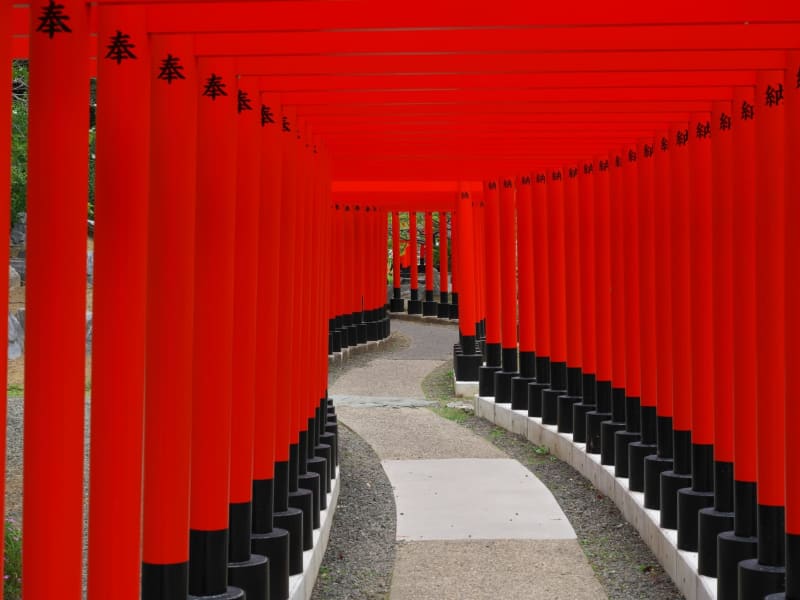
The shrine dates back to the Kamakura-Muromachi period and was developed further during the Edo era. It’s dedicated to Uka-no-mitama no Mikoto, Satahiko no Mikoto, and Omiya-no-me-no Mikoto - deities associated with harvests, safe travel, and prosperity. Locals come here to pray for everything from business success to protection at sea.
Just beyond the torii path is Ryujin Pond, a peaceful spot where water lilies bloom in the warmer months. The red gates wrap around the pond in a thoughtful design, revealing new angles of water and trees with every turn. A small shrine to the Dragon God (Ryūjin) overlooks the water, symbolizing protection for fishermen and bountiful catches.


Over 200 torii line the path, each about two meters tall. Visitors walk through this sea of red, passing rows of fox statues, believed to be messengers of the gods. Some are playful, others solemn, all adding charm to the shrine’s quiet corners.
To reach the gates, you’ll need to climb roughly 96 stone steps from the main hall. There’s a gentler sloping path available too, offering a slower, more scenic route. The grounds are well cared for, with quiet places to sit, reflect, and take in the view. With its forested setting, photogenic torii, and calm energy, Takayama Inari Shrine is a place where you can slow down, breathe, and simply walk.
Before you go
There is no admission fee, entry is free for all visitors. Wear sturdy, grippy shoes since the 96 stone steps and slopes can be slippery, especially in winter. English signage is limited. Toilets are available near the entrance. A small stand offers light snacks outside the grounds. The site provides free parking (about 60-80 spaces). Bringing a tripod is okay in most areas, though avoid blocking worshipers at the main hall.
Open daily year‑round with visiting hours from 9:00 AM to 5:00 PM. No holidays. Admission is free.
When to go
Autumn brings spectacular foliage around the torii gates, with peak colors typically occurring in mid-October. Summer visitors can enjoy blooming hydrangeas and lotus flowers in the shrine's peaceful ponds, creating a tranquil atmosphere. Early morning visits between 7 AM and 9 AM offer the most serene experience for photography and spiritual reflection. Weekday afternoons tend to be quieter than weekends, making them ideal for a more intimate shrine experience.
Average crowd levels throughout the day, based on historical data.
Public review summary
Visitors consistently praise the atmospheric Senbon Torii gates while noting the physical demands of accessing them. The peaceful ambiance and photo opportunities receive high marks, though some mention challenging stairs and remote location. Water lilies and seasonal flowers enhance the experience. Basic amenities are available but limited. Transportation access requires advance planning, with most recommending private vehicles over public transit.
What you'll find here
Location & access
- DirectionsAddress
Washinosawa-147-1 Ushigatacho, Tsugaru, Aomori 038-3305, Japan
- How to get there
By Public Transportation: From JR Goshogawara Station, take the Konan Bus Kodomari Line (via Jūsan) and get off at Takayama Jinja Iriguchi (about 40 minutes). From the bus stop, it’s roughly a 5-minute taxi ride to the shrine.
By Car: From JR Goshogawara Station (also served by the Tsugaru Railway at Tsugaru Goshogawara Station), it takes approximately 30 minutes by car to reach the shrine.
Common questions
Are pets allowed at Takayama Inari Shrine?
No, pets are not allowed at the shrine. There are signs near the torii gate at the stairs on the approach path explicitly prohibiting pets, particularly dogs, as they are considered incompatible with the shrine's sacred nature.
How do I get to the shrine using public transportation?
The shrine is accessible by taking the Konan Bus Kodomari Line from Goshogawara Station to the Takayama Shrine Entrance stop. However, note that it's a 30-40 minute walk from the bus stop to the shrine, and bus service is limited to approximately one bus every 2 hours.
Is the shrine wheelchair accessible?
While there is wheelchair accessible parking available, the shrine grounds feature multiple stairs and steep paths, particularly around the Senbon Torii gates area. The detour paths are on gravel roads with steep inclines, which may present challenges for wheelchair users.
What are the main attractions at the shrine?
The shrine's main attractions include the impressive Senbon Torii (thousand torii gates), multiple Inari shrines throughout the grounds, and the Ryujingu shrine with its lotus pond. The vermilion torii gates create a dramatic pathway that winds through the grounds like a dragon.
What facilities are available at the shrine?
The shrine offers free parking lots and garages, public restrooms, and a shrine office where visitors can purchase amulets and receive goshuin (shrine stamps). There's also a rest area with some souvenir items and refreshments available.

Bring this spot to life with a local photographer
Book a vetted local photographer who knows the best light, angles, and timing for this location.