

At a glance
Takeshita Street is a vibrant pedestrian shopping street in Harajuku, Tokyo, stretching 350 meters from JR Harajuku Station to Meiji Dori. This iconic destination showcases Japanese youth culture through trendy fashion boutiques, quirky accessory shops, colorful sweet treats like oversized crepes and rainbow cotton candy, and unique animal cafes featuring miniature pigs and otters. The street serves as a hub for kawaii culture and street fashion, with numerous purikura photo booths and gashapon machines throughout.
Photographs
Takeshita Street
Takeshita Street (竹下通り) in Harajuku pulses with the vibrant energy of Tokyo’s youth culture, serving as the epicenter of kawaii fashion and street style since the 1970s and 80s. This narrow approximately 350-metre pedestrian shopping street begins right at JR Harajuku Station’s Takeshita Exit and leads toward Meiji Dori. It’s packed with trendy boutiques, vintage clothing stores, accessory shops and quirky themed cafés.


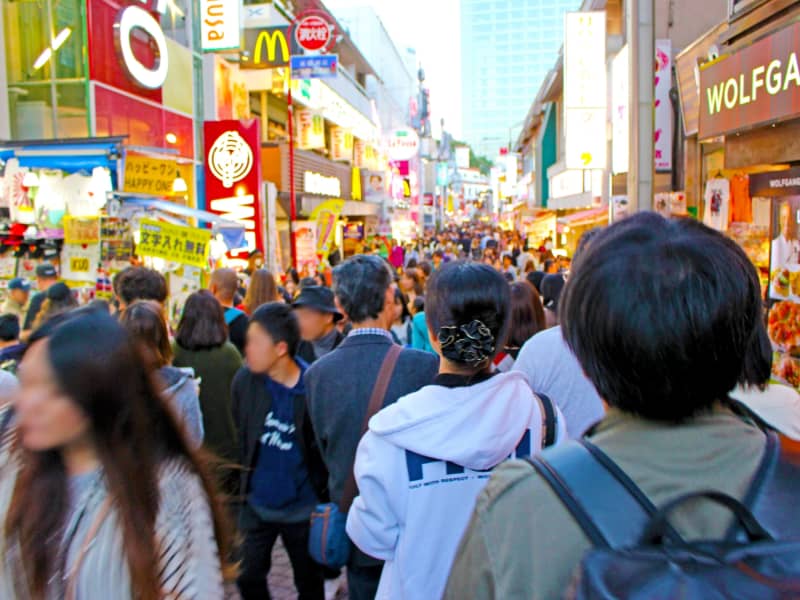
The street gained international fame for its bold fashion sub-cultures, including Lolita, gothic, decora and brightly-coloured street styles, though today it blends those of-the-moment trends with more mainstream appeal for both Japanese youth and visiting crowds.
Food and snack experiences dominate the Takeshita adventure: iconic Harajuku crepes stuffed with fresh fruit, cream and chocolate, rainbow cotton-candy towers, oversized sweets, and plenty of photo-friendly treats line the path. Themed cafés (including some novelty ones offering animal or character interactions) and purikura [プリクラ] photo-booths let visitors create decorative souvenir images.


Because the street sits adjacent to Meiji Shrine and Yoyogi Park, it makes an ideal stop while exploring the wider Harajuku area. Expect extremely dense crowds, especially on weekends when the street often becomes a slow-moving river of tourists and shoppers. Many shops sell similar merchandise — anime goods, quirky accessories and trendy clothing — with some prices higher than quieter neighbourhoods. But venture into the side-streets branching off the main thoroughfare and you’ll find more distinct boutiques and less touristy finds.
Before you go
There is no entry fee for simply walking along Takeshita Street. It’s a public shopping street and open to all. Wear comfortable shoes, the pavement is narrow and it can become very crowded, with slow walking or even standing-room only at busy times. Many shops and cafés are packed; expect lines at popular crepe stalls and photo-booth “purikura” spots. Public toilets are available near the area (for example in the Alta building or nearby fast-food outlets) but can be busy. If you’re serious about photography, going very early in the morning or later in the evening may help avoid obstruction. Many stores open daily and have English-friendly signage to some extent, but not all shops provide full foreign-language support.
Takeshita Street is open every day (7 days a week) as a public shopping street. Individual stores may close on certain days or adjust hours for seasonal holidays, so if you have a specific shop or café in mind it’s best to check directly.
When to go
Takeshita Street experiences year-round appeal, though spring and autumn offer the most comfortable weather for exploring this bustling pedestrian thoroughfare. Summer brings vibrant energy with colorful street fashion peaking, while winter sees fewer crowds making it easier to browse the unique boutiques and animal cafes. Early morning visits on weekdays between 8AM and 10AM provide the most relaxed shopping experience before the tourist surge begins. Many shops start closing after 7PM, so arrive by mid-afternoon to fully experience the street's diverse offerings including crepes, purikura booths, and specialty cafes.
Average crowd levels throughout the day, based on historical data.
Public review summary
Visitors praise the vibrant energy and unique shopping experience, highlighting the creative fashion boutiques, themed cafes, and nostalgic treats like crepes and cotton candy. Many appreciate the distinctive youth culture atmosphere and photogenic spots. However, crowds can be overwhelming, especially on weekends, with some noting repetitive merchandise and higher prices compared to other areas. Animal cafes receive mixed reactions regarding ethics and value.
What you'll find here
Location & access
- DirectionsAddress
1 Chome-16-6 Jingumae, Shibuya, Tokyo 150-0001, Japan
- How to get there
By Public Transportation: Take the JR Yamanote Line or Chūō-Sōbu Line to Harajuku Station and use the Takeshita Exit. The entrance to Takeshita Street is directly in front of that exit, and the street proceeds from there toward Meiji-Dori.
By Car: Driving to Harajuku is possible but parking is extremely limited. If you do drive, plan to park in a nearby paid public parking garage and walk in. Note: between roughly 11:00 and 18:00 the street is largely pedestrianised (vehicles prohibited) so vehicular access along the main stretch is restricted.
Common questions
What is Takeshita Street in Tokyo known for?
Takeshita Street is a famous 350-meter pedestrian shopping street in Harajuku, known for its vibrant youth culture, trendy fashion boutiques, quirky shops, and colorful street food like crepes and cotton candy. It's a hub for Japanese kawaii culture and alternative fashion.
How do I get to Takeshita Street?
Takeshita Street is located directly at the Takeshita Exit of JR Harajuku Station in Shibuya, Tokyo. The street entrance is immediately visible when you exit the station, making it extremely easy to find for first-time visitors.
Is Takeshita Street suitable for children?
Yes, Takeshita Street is good for kids. Children enjoy the colorful shops, sweet treats like giant crepes and cotton candy, arcade games, gashapon machines, and unique animal cafes featuring mini pigs and otters throughout the street.
What can I buy at Takeshita Street?
Takeshita Street offers trendy fashion, accessories, anime merchandise, unique souvenirs, and kawaii items. You'll find everything from Lolita dresses and gothic clothing to affordable trinkets, photo booths, and character goods from popular Japanese franchises.
How long does it take to explore Takeshita Street?
Most visitors spend around 1 hour exploring Takeshita Street, though shopping enthusiasts may stay 2-3 hours. The street itself is only 350 meters long, but the numerous shops, cafes, and food stalls invite leisurely browsing and sampling.

Bring this spot to life with a local photographer
Book a vetted local photographer who knows the best light, angles, and timing for this location.