

At a glance
A serene Buddhist temple garden within Nanzenji complex featuring two distinct gardens: a traditional dry landscape garden and a tranquil pond garden with colorful koi. Known for spectacular autumn foliage displays and meticulously maintained grounds that exemplify classic Zen aesthetics.
Photographs
Tenjuan Temple
Tenjuan Temple, a historic sub-temple of Nanzen‑ji, features two beautifully contrasting gardens that reflect Japan’s garden design heritage. The eastern dry landscape garden (karesansui) displays diamond‑shaped paving stones set amid raked white gravel, a minimalist design by Kobori Enshū that evokes Zen calm and invites quiet reflection.


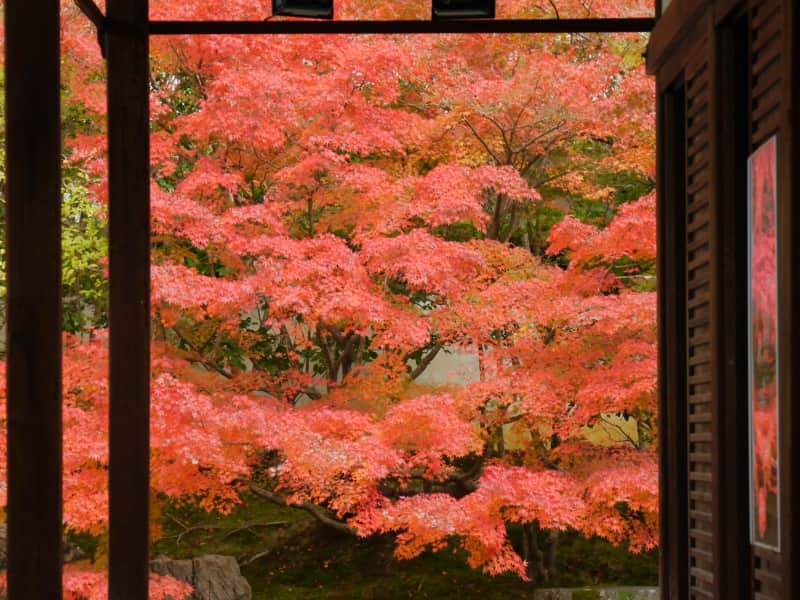
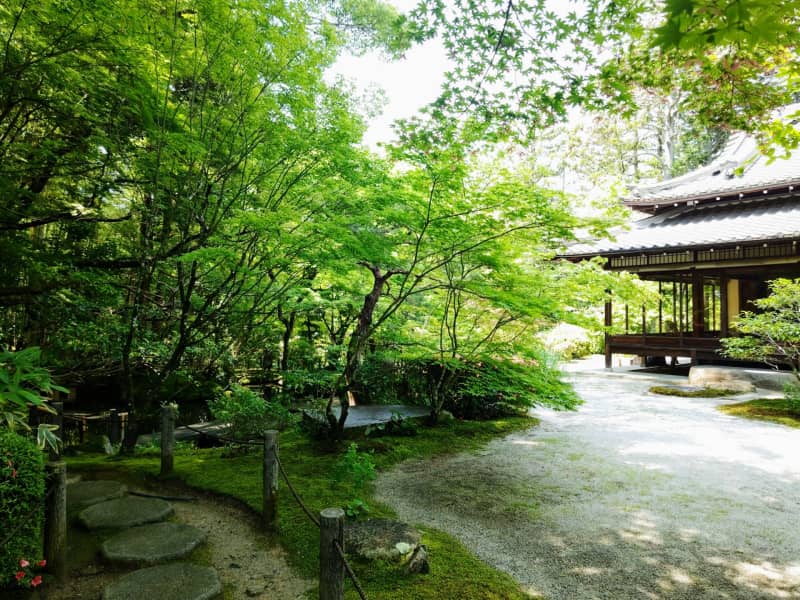
In contrast, the southern garden is a pond stroll garden, centered on a pond inhabited by koi and dotted with water lilies in summer. The garden includes rustic wooden and stepping‑stone bridges that wind gently through groves of maple and cedar, blending seamlessly into the surrounding forest on a path that invites a contemplative walk .
Founded in 1339 by Kokanshiren (Toran Ṣhiren) as a memorial to Zen master Mukan Fumon, Tenjuan was later restored in 1602 under Hosokawa Yūsai (Hosokawa Yūsai’s alternate name: Hosokawa Yuzai) after being destroyed in the Onin War . It holds significant historical value as one of Nanzen‑ji’s older sub‑temples. The temple buildings, including the hōjō (abbot’s quarters), are not open to the public, but visitors can admire the traditional architecture and barrier paintings from the exterior and enjoy unobstructed views of both gardens from designated pathways. However, during special evening illumination events in autumn, there are occasions when visitors are allowed to step inside the hōjō or shoin to view the illuminated gardens from within, offering a rare and magical vantage point.
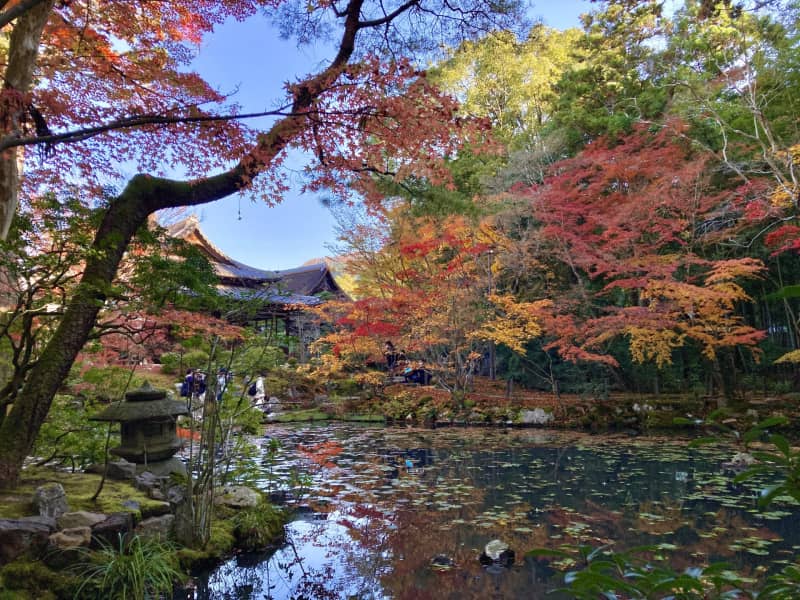
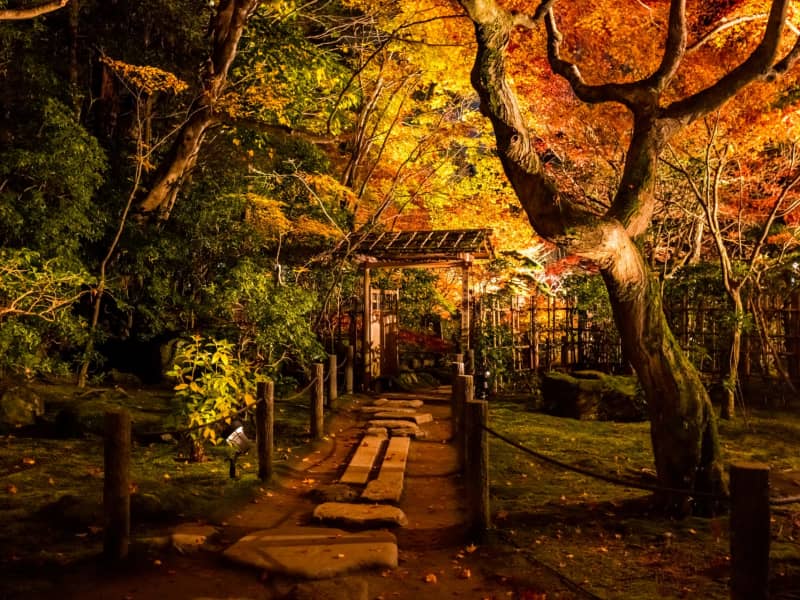
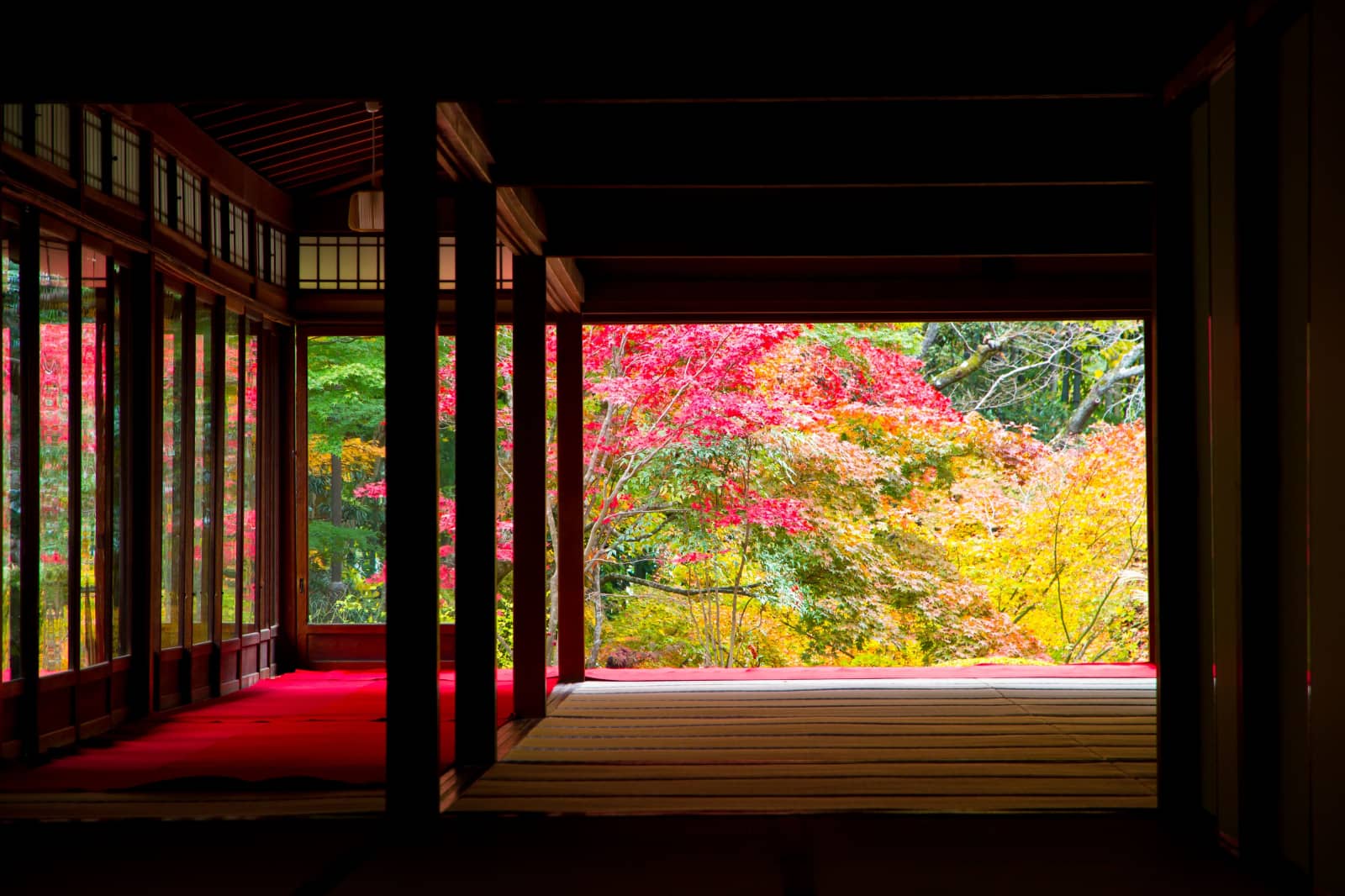
Each autumn, usually from mid- to late-November, Tenju-an’s gardens are transformed by special evening illuminations, their maple glow visible through the shoin and shoin-garden windows, but note that in 2024 this illumination was cancelled, so it’s wise to check current-year announcements before planning a visit.
Before you go
The gardens are beautifully serene, with narrow, well-kept paths that invite a mindful stroll—so comfy walking shoes are a good idea. Tripods and monopods are not allowed, and organized photography shoots are discouraged to preserve the tranquility. There’s no café or restroom on-site, so plan accordingly before you arrive. Entry to Tenju‑an is around 500 ¥ for adults, with 400 ¥ for high school students and 300 ¥ for elementary and junior high students. The temple buildings themselves remain closed to visitors, but you can still admire the traditional architecture and enjoy unhindered views of both gardens from the exterior pathways.
Tenju-an is open daily from 9:00 a.m. to 5:00 p.m. between March 1 and November 14, and until 4:30 p.m. from November 15 through the end of February, with last entry 30 minutes before closing. The temple rarely closes, though it is shut briefly on November 11 in the afternoon and the morning of November 12 for maintenance.
When to go
Autumn is the prime season to visit Tenjuan Temple, when the maple trees create a stunning display of red and gold foliage. During summer, the garden comes alive with blooming lotus flowers and the refreshing shade of dense trees provides a cool retreat from Kyoto's heat. Early mornings around 9 AM offer the most serene experience, with fewer visitors and optimal lighting for photography. Weekday mornings are particularly peaceful, allowing for quiet contemplation of the zen gardens and koi pond.
Average crowd levels throughout the day, based on historical data.
Public review summary
Visitors praise the tranquil atmosphere and meticulously maintained gardens, particularly noting the beautiful koi pond and seasonal displays. The gardens intimate size creates a peaceful setting, though some mention narrow pathways can feel cramped during peak seasons. While most appreciate the serene environment, a few find the entrance fee high for limited temple access. The garden receives consistent praise for its photogenic qualities and zen ambiance.
What you'll find here
Location & access
- DirectionsAddress
Japan, 〒606-8435 Kyoto, Sakyo Ward, Nanzenji Fukuchicho, 86−8
- How to get there
By Public Transportation: From Kyoto Station, take the Karasuma Line and transfer at Karasuma‑Oike to the Tozai Line. Get off at Keage Station, then walk about 7-10 minutes to Tenju‑an. You can also take Bus No. 5 from Kyoto Station’s north exit to the Nanzenji/Eikando‑michi stop, then walk ~9 minutes.
By Car / Taxi: A car/taxi from Kyoto Station takes roughly 10 minutes. Visitors are welcome to use the paid Nanzen-ji Temple parking facility.
Common questions
What is the entrance fee for Tenjuan Temple?
The entrance fee is about 500 yen for adults. During special autumn light-up events, the fee increases to 600 yen. Based on visitor reviews, the fee is considered reasonable given the garden's beauty and meticulous maintenance.
Can you visit the temple buildings at Tenjuan?
While the temple's buildings, including the Hojo (main hall) and Shoin, are not open for interior visits, visitors can view the gardens and observe the buildings from the outside. The main attractions are the two distinct garden areas.
What makes Tenjuan's gardens unique?
Tenjuan features two contrasting garden styles: a dry landscape garden with diamond-shaped paving stones and white sand in the east, and a pond-style garden with stepping stones and wooden bridges in the south. Each offers distinct seasonal views.
Is Tenjuan Temple wheelchair accessible?
Based on visitor reviews mentioning narrow pathways and stepping stones, accessibility may be limited for wheelchair users. The garden paths are designed in traditional Japanese style with natural elements that could pose mobility challenges.
What's the best spot for photos at Tenjuan?
The pond garden offers the most photogenic views, featuring colorful koi fish, stepping stones, and seasonal reflections in the water. The dry landscape garden with its carefully arranged stones and moss also provides excellent photo opportunities.
Bring this spot to life with a local photographer
Book a vetted local photographer who knows the best light, angles, and timing for this location.