

At a glance
Todoroki Valley is Tokyo's only natural ravine, offering a peaceful escape within Setagaya Ward. This 1-kilometer path features cascading waterfalls, historic temples, and tranquil walking trails through lush forest, creating a unique natural oasis in the heart of the metropolis.
Photographs
Todoroki Ravine
Once you step down into Todoroki Valley, you feel like you’ve slipped into a secret green world tucked inside Tokyo’s frenetic energy. Carved over centuries by the gentle flow of the Yazawa River, this narrow gorge, about a kilometer long, is the only one of its kind in Tokyo’s 23 wards, a real urban miracle born from erosion at the edge of the Musashino Upland.


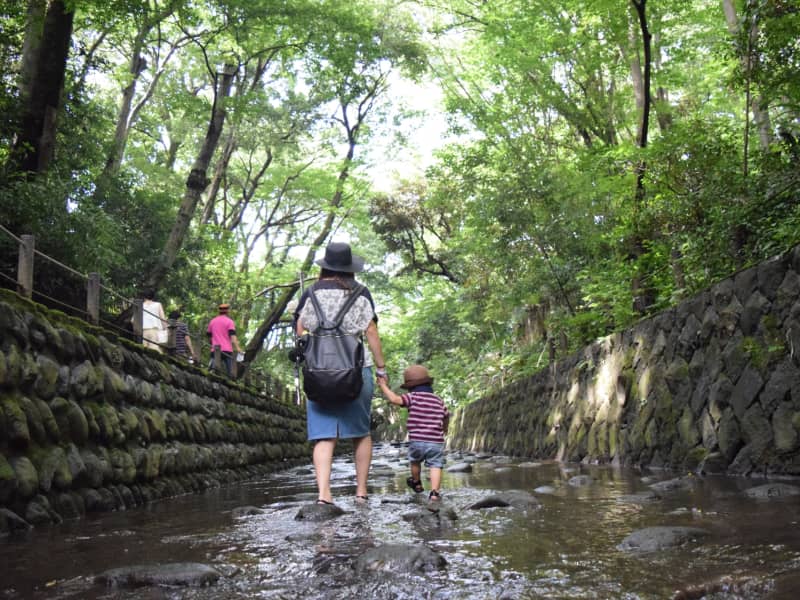
The valley’s natural microclimate is immediately noticeable, humid, richly shaded, and about three degrees cooler than the city just above. Towering Japanese zelkova, konara oak, bamboo-leaf oak, and cherry trees form a dense canopy that filters the light and drowns out any distant traffic. Springs bubbling into the Yazawa River make the water come alive and extra transparent as you walk deeper.
Just off the main trail, you discover yokoana, tunnel tombs from the late Kofun to early Nara period, around the 7th century. Tomb Number 3 is particularly well-preserved and stands as a rare historical thread you can almost whisper through.

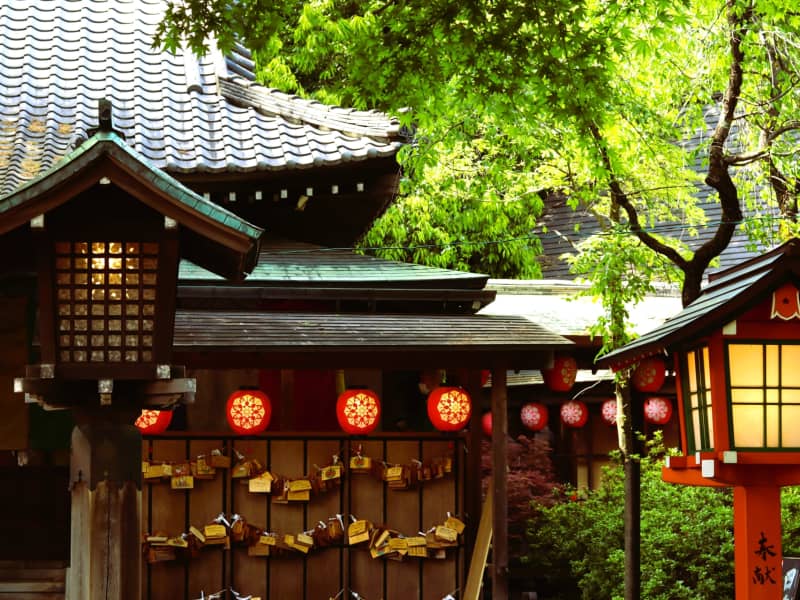
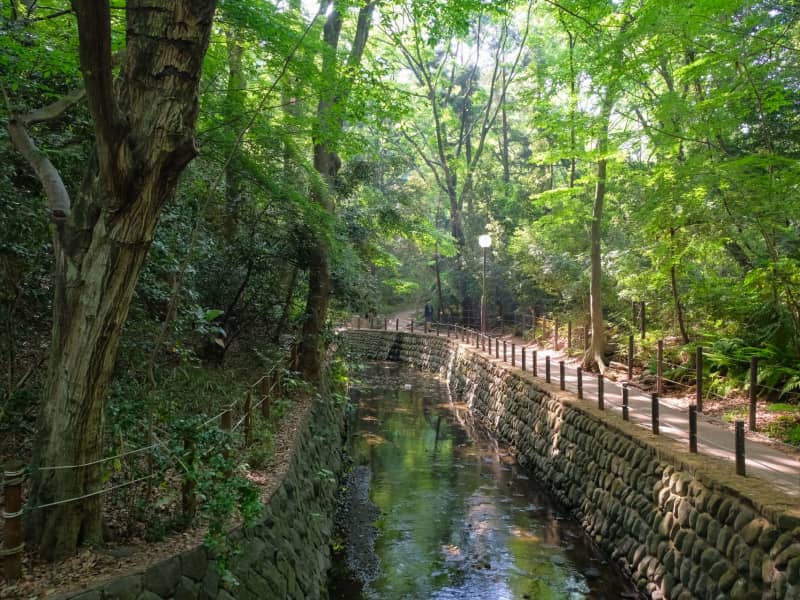
Further along, the hush of the valley opens into the spiritual calm of Todoroki Fudoson Temple, dating back over 1,300 years. Nearby is the Fudo-no-Taki waterfall, whose name comes from the deep, roaring echo, todoroki, that once defined the valley’s identity.
Across the river, a serene Japanese garden with a shoin-style pavilion offers dappled sun and a perfect place to pause, rest, and sip tea.
All in all, Todoroki Valley isn’t just a walk, it’s a gentle voyage through time, nature, and a quiet side of Tokyo most people never expect to feel.
Before you go
The main trail is partially closed until the restoration wraps up (expected in 2025), but you can still access the Todoroki Fudoson temple, the Japanese garden, and the tea house. Mosquito repellent is strongly recommended. Paths can be uneven or muddy, especially after rain, so wear sturdy walking shoes. There are restrooms and a small cafe in the garden area. Tripods are fine for photography as long as you’re being considerate of other visitors.
Todoroki Valley itself is accessible year-round, but the Japanese garden and shoin-style drawing room close during the Year-end and New Year period (typically December 29 to January 3). Todoroki Fudoson temple remains open throughout the year, generally from 9 am to 4 pm.
When to go
The ravine is most captivating during autumn when maple leaves paint the valley in vibrant reds and golds. Spring brings refreshing greenery and a cool atmosphere, making it an ideal escape from Tokyo's urban heat. Early weekday mornings, particularly between 6 AM and 8 AM, offer the most serene experience with fewer visitors and optimal natural lighting. Weekends see peak crowds during late morning and early afternoon, so plan accordingly for a more peaceful visit.
Average crowd levels throughout the day, based on historical data.
Public review summary
Visitors appreciate the unique natural oasis feel within Tokyo, highlighting the peaceful atmosphere and cooling effect of the valley. Currently, partial closures due to fallen trees and maintenance work cause some disappointment. When accessible, the combination of flowing water, lush greenery, and traditional elements creates a tranquil escape. The Japanese garden and temple areas remain popular despite limited valley access.
What you'll find here
Location & access
- DirectionsAddress
1 Chome-22 Todoroki, Setagaya City, Tokyo 158-0091, Japan
- How to get there
By Public Transport: Take the Tokyu Oimachi Line to Todoroki Station, about 20 to 30 minutes from Shibuya or Shinjuku, with a transfer at Jiyugaoka. The valley entrance is just a 5 minute walk from the station.
By Car: Driving is possible, though parking is limited. Todoroki Fudoson temple offers free parking, but be aware it closes around 4:30 pm, and the gate locks. Arriving early is wise to secure a spot.
Common questions
Is Todoroki Ravine currently open to visitors?
The ravine is partially closed due to fallen trees and maintenance work until March 2026. Only certain areas near Todoroki Fudoson temple and the Japanese garden remain accessible. Full restoration work is ongoing.
What's the best way to get to Todoroki Ravine?
Take the Tokyu Oimachi Line to Todoroki Station. The ravine entrance is just a 3-minute walk from the station. Look for signs pointing to the valley or follow the path leading to Todoroki Fudoson temple.
Are there any facilities or attractions still open?
Yes, visitors can still access Todoroki Fudoson temple, the waterfall, and the Japanese garden. The temple offers free tea service in the garden (donations appreciated). Many scenic viewing spots remain accessible.
When is the best time to visit the open areas?
Early morning visits are recommended to avoid crowds and enjoy the serene atmosphere. The Japanese garden and temple areas are particularly peaceful before 10 AM, and autumn brings spectacular foliage views.
Do I need insect repellent when visiting?
Yes, mosquito repellent is strongly recommended, especially during summer months when insects are most active. The natural valley environment and water features attract mosquitoes throughout the warm season.

Bring this spot to life with a local photographer
Book a vetted local photographer who knows the best light, angles, and timing for this location.