
At a glance
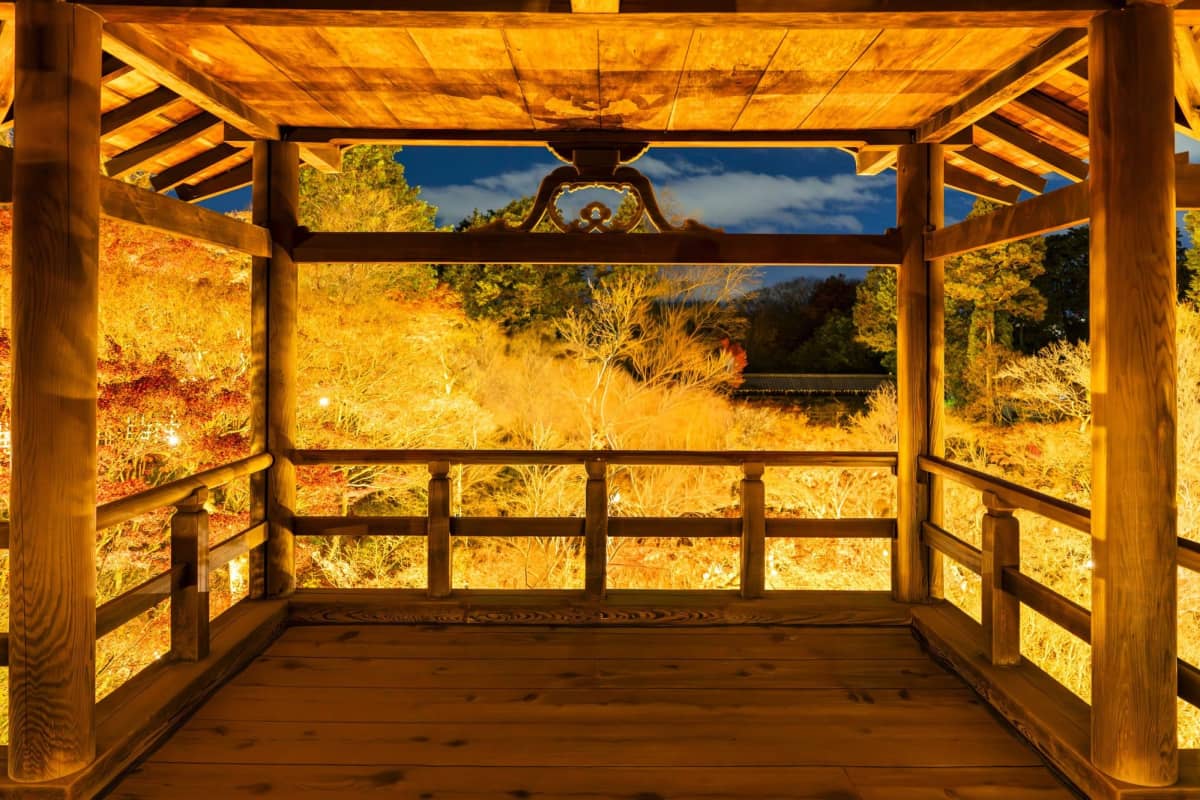
Tofuku-ji Temple is a historic Zen Buddhist temple established in 1236, renowned for its spectacular autumn foliage and meticulously designed gardens. Located in Kyoto's Higashiyama district, the temple features the iconic Tsutenkyo Bridge spanning a verdant valley filled with approximately 2,000 maple trees, alongside the acclaimed Hasso Garden designed by landscape architect Shigemori Mirei, showcasing distinct seasonal beauty throughout the year.
Photographs
Tofuku-ji Temple
Tofuku-ji Temple stands as one of Kyoto’s most magnificent Buddhist temples, established in 1236 and renowned for its spectacular autumn foliage displays. The temple complex showcases the grandeur of Zen architecture with its massive Sanmon Gate, designated as a National Treasure, and features 25 sub-temples spread across extensive grounds. As the head temple of the Tofuku-ji branch of Rinzai Zen Buddhism, it draws its name from combining characters from Nara’s iconic Todai-ji and Kofuku-ji temples.
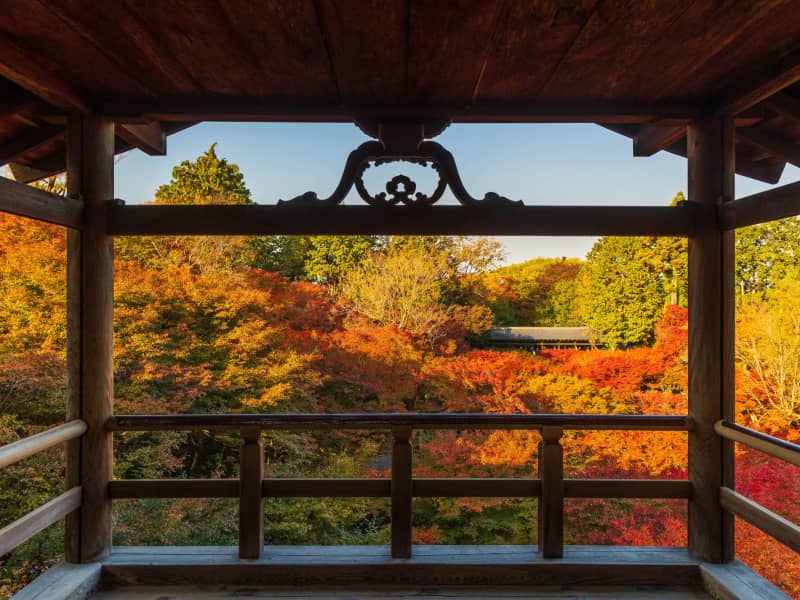
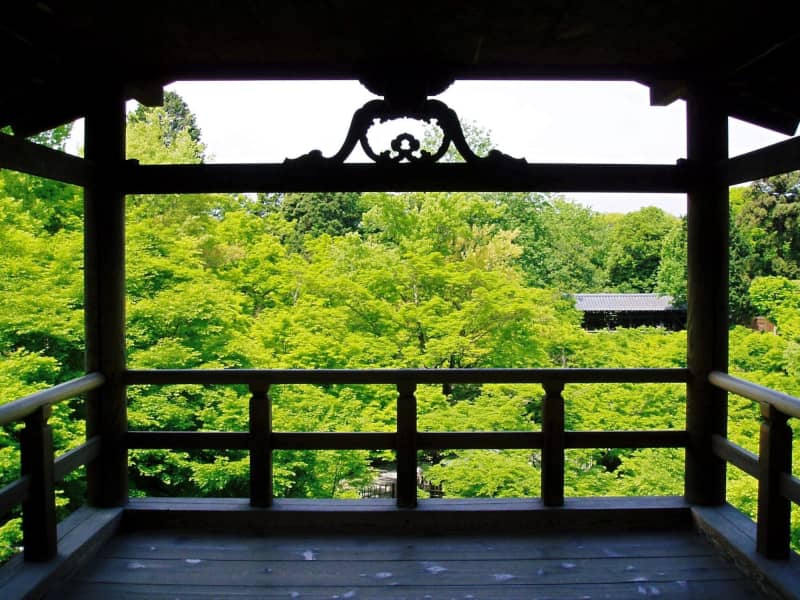
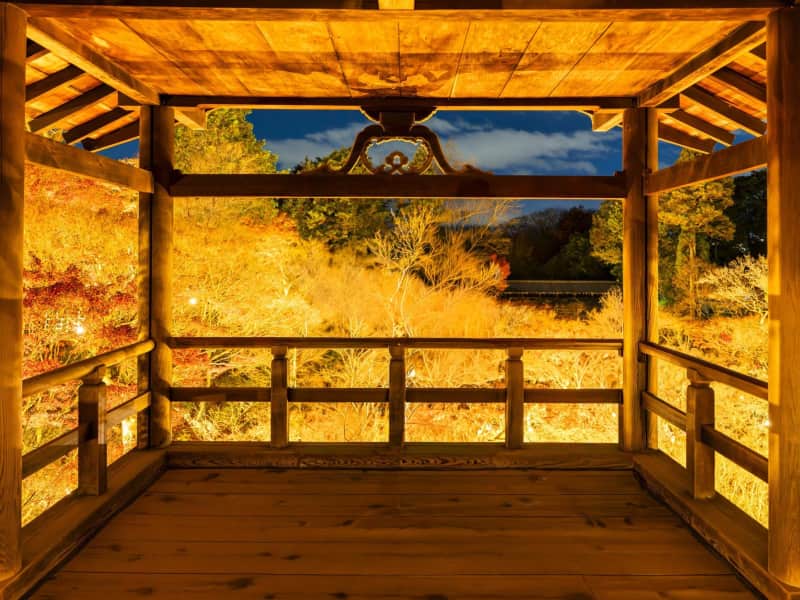
The temple’s most celebrated feature is Tsutenkyo Bridge, an elevated walkway offering breathtaking views over a valley filled with 2,000 maple trees that create a stunning sea of color during autumn. The Hojo Hasso Garden, designed by renowned landscape architect Shigemori Mirei, presents four distinct dry landscape gardens that together express the concept of the “Eight Aspects” (Hasso) through symbolic Zen garden design. Visitors can explore the historic grounds while enjoying the harmonious blend of natural beauty and architectural magnificence that characterizes this remarkable temple complex.
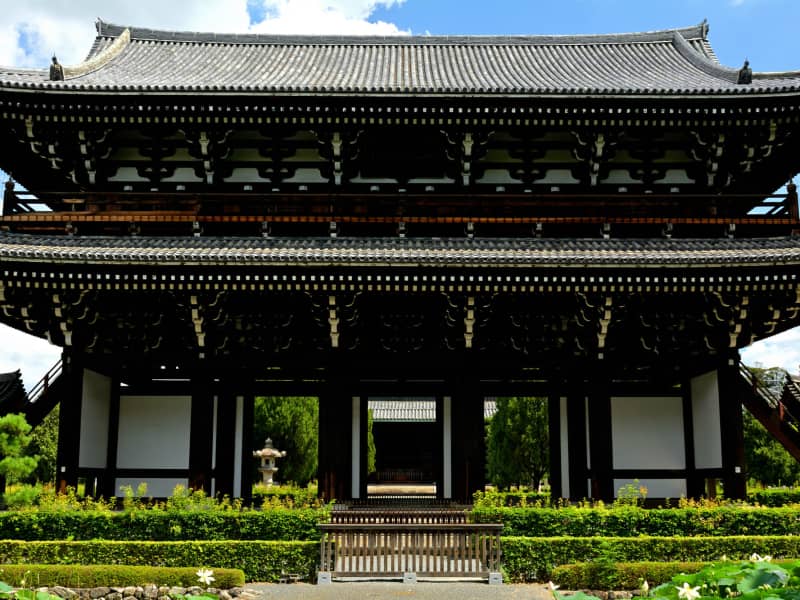
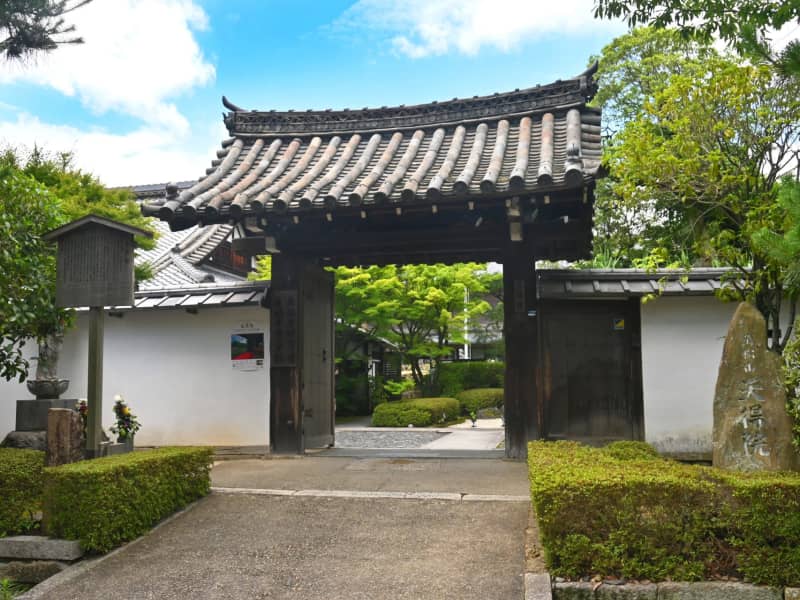
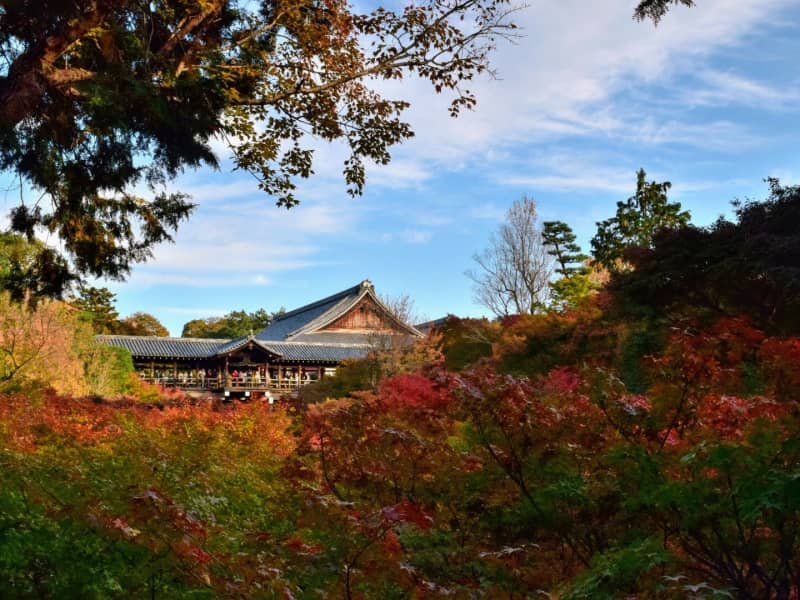
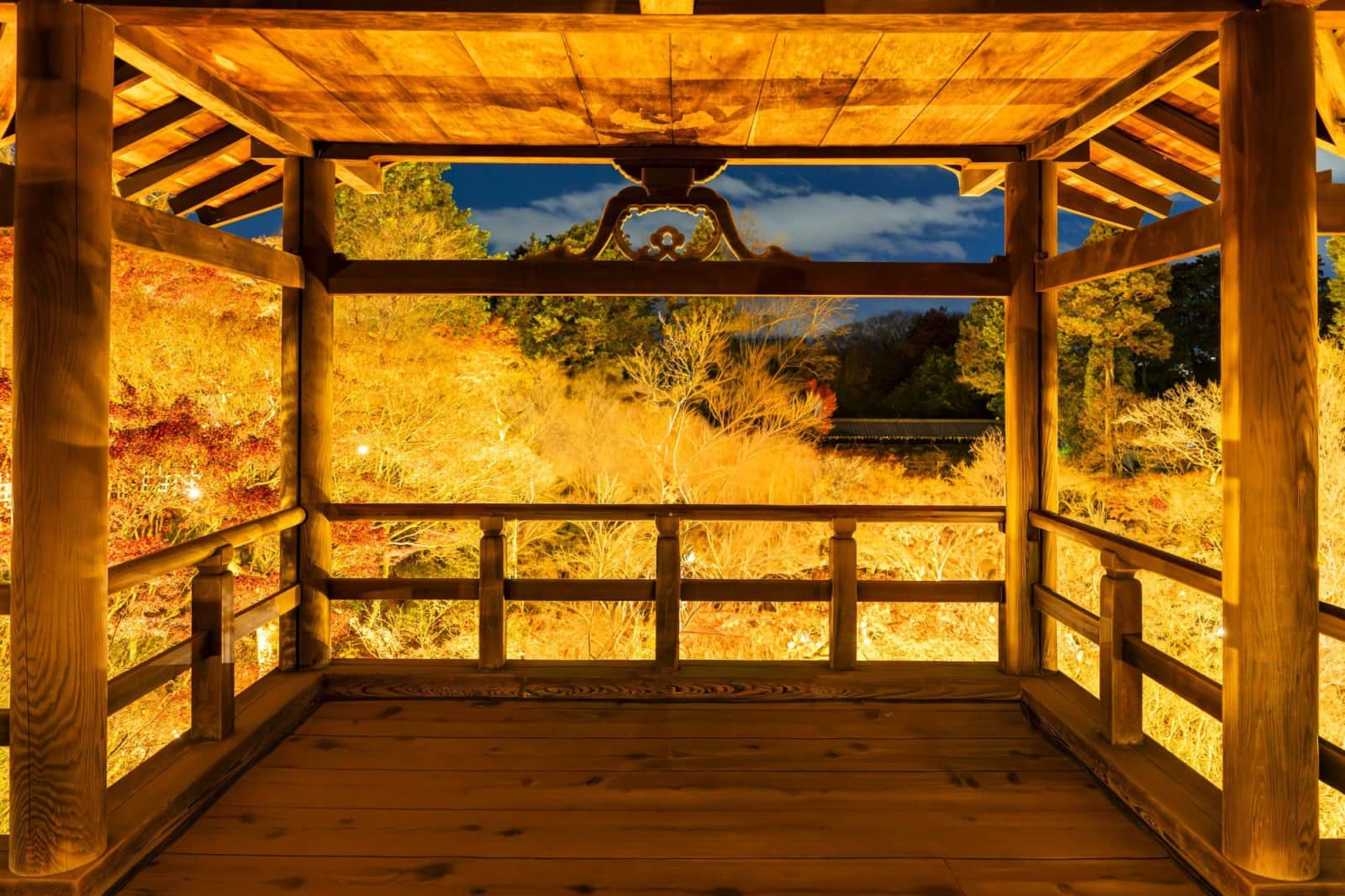
The temple regularly hosts special viewing events, including nighttime illuminations during the fresh green maple season in early summer and spectacular displays during autumn foliage season. The accessible grounds feature wheelchair-friendly entrances and parking, making it welcoming for all visitors seeking to experience this important cultural and spiritual destination in southeastern Kyoto.
Seasonal and Event Highlights
- Spring: Fresh green maple leaves (shinryoku) create beautiful scenery around Tsutenkyo Bridge, offering a quieter alternative to autumn.
- Autumn: Mid to late November brings Kyoto’s most famous maple displays, with around 2,000 maple trees turning brilliant shades of red, orange, and gold.
- Event: Special fresh green illumination events are occasionally held in late spring to early summer, featuring evening openings and illuminated maple foliage.
- Event: During the autumn foliage season, extended opening hours and special admission arrangements are often introduced due to exceptionally high visitor numbers.
Before you go
The temple grounds are open year-round, with free admission to the main precincts. Entry to the Hojo Garden and Tsutenkyo Bridge requires a separate admission fee (adults typically ¥1,000, children ¥300, with seasonal pricing or combined tickets occasionally offered during peak autumn). Comfortable walking shoes are recommended, as the grounds are extensive and include stone paths and stairs. Wheelchair access is available to parts of the complex, though some historic areas have limited accessibility. Toilets, a small gift shop, vending machines, and English signage are available. Tripods are generally discouraged, especially during busy seasons, to avoid obstructing other visitors.
Open daily throughout the year. The temple does not have regular closing days, though opening hours and admission areas may vary during special exhibitions, seasonal events, and the autumn foliage period.
When to go
Autumn is the most spectacular season at Tofuku-ji Temple, when 2,000 maple trees create a sea of crimson foliage visible from the famous Tsutenkyo Bridge, though this period brings significant crowds. Spring through early summer offers beautiful fresh green maple leaves (aomomiji) and blooming hydrangeas with far fewer visitors, while special nighttime illumination events occasionally enhance the experience during these seasons. Arriving right at the 9 AM opening time provides the most peaceful experience, particularly on weekdays when crowds remain manageable throughout the day. Afternoon visits between 2 PM and closing at 4 PM see noticeably fewer visitors, allowing for contemplative enjoyment of the Hasso Garden and temple grounds, though during autumn foliage season even these quieter hours remain busy.
Average crowd levels throughout the day, based on historical data.
Public review summary
Visitors consistently praise the temples serene atmosphere and stunning natural beauty, particularly the green maple leaves and gardens. The Tsutenkyo Bridge views and Hasso Garden receive enthusiastic acclaim. Many appreciate the peaceful weekday visits with minimal crowds, though some note withered moss in gardens due to heat. The autumn foliage season draws heavy crowds but delivers spectacular scenery. Special nighttime illumination events earn high marks for their unique ambiance.
What you'll find here
Location & access
- DirectionsAddress
15 Chome-778 Honmachi, Higashiyama Ward, Kyoto, 605-0981, Japan
- How to get there
By Public Transportation:
From JR Kyoto Station, take the JR Nara Line to Tofukuji Station (about 2 minutes), then walk approximately 10 minutes to the temple. It is also accessible via Keihan Railway’s Tofukuji Station.
By Car:
The temple is around 15 minutes from central Kyoto outside peak traffic. Limited paid parking is available nearby, but spaces fill quickly during the autumn foliage season. Public transportation is strongly recommended, especially in November.
Common questions
What is Tofuku-ji Temple famous for?
Tofuku-ji Temple is renowned for its spectacular autumn foliage, particularly the view from Tsutenkyo Bridge surrounded by 2,000 maple trees. The temple is also famous for its stunning Hasso Garden designed by Shigemori Mirei, featuring four distinct dry landscape gardens representing eight events in Buddha's life.
How do I get to Tofuku-ji Temple from Kyoto Station?
Tofuku-ji Temple is easily accessible from Kyoto Station. Take the JR Nara Line for just one stop to Tofukuji Station, then walk approximately 10 minutes following the signs. The temple is conveniently located in Higashiyama-ku, making it one of the more accessible major temples in Kyoto.
Is Tofuku-ji Temple wheelchair accessible?
Yes, Tofuku-ji Temple offers wheelchair accessibility with a wheelchair accessible entrance and wheelchair accessible parking lot available on the temple grounds. The temple has onsite services to accommodate visitors with mobility needs, though some areas of the historic grounds may have limited access.
Can I collect goshuin stamps at Tofuku-ji Temple?
Yes, Tofuku-ji Temple offers handwritten goshuin temple stamps and sells goshuincho stamp books. The goshuin available here features special designs from the temple's ceiling artwork. The staff are known for being kind and attentive when providing this service to visitors.
What should I see during my visit to Tofuku-ji Temple?
Don't miss Tsutenkyo Bridge for breathtaking valley views, the Hasso Garden with its four distinctive Zen gardens, and the massive main gate which is a designated national treasure. The temple grounds are extensive with 25 sub-temples, so allow at least one hour to explore the main highlights comfortably.
Bring this spot to life with a local photographer
Book a vetted local photographer who knows the best light, angles, and timing for this location.