

At a glance
Tokyo Tower stands as a 333-meter-tall communications and observation tower in Minato City, offering spectacular city views from two observation decks. This iconic orange and white landmark, inspired by the Eiffel Tower, illuminates Tokyo's skyline and features shopping, dining, and cultural attractions.
Photographs
Tokyo Tower
Soaring 333 meters into the Tokyo sky, Tokyo Tower has stood as a proud beacon of Japan’s post-war resurgence and technological progress since 1958. Modeled loosely on the Eiffel Tower yet uniquely Japanese in spirit, its bright white and international orange paint scheme ensures it stands out for both aviation safety and aesthetic flair.


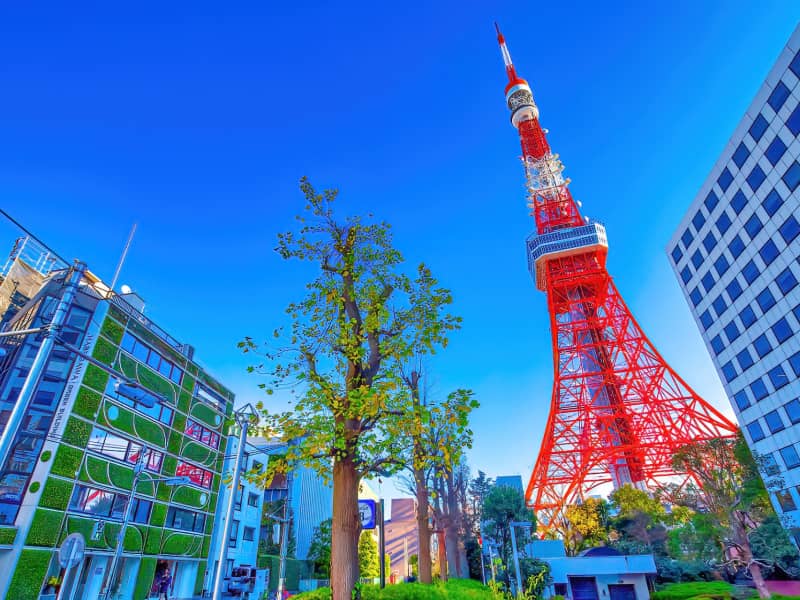
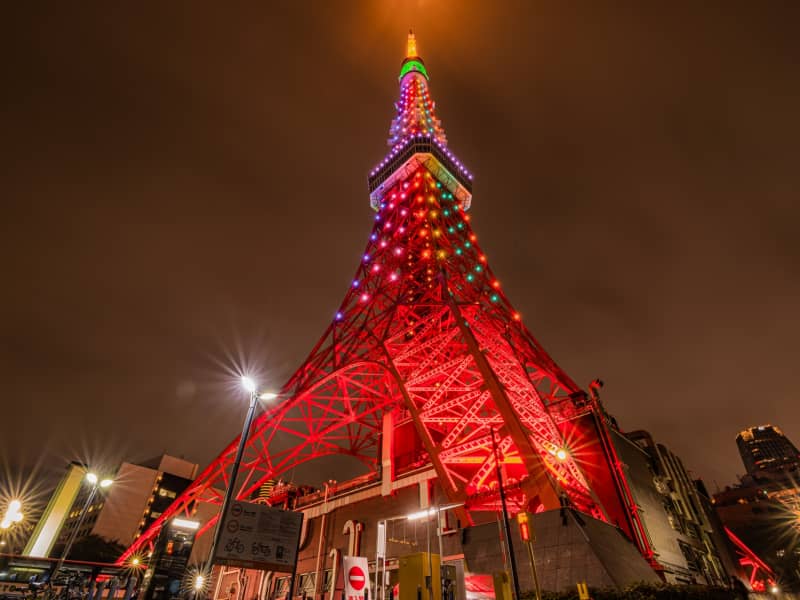
At the heart of Minato City, Tokyo Tower offers two stunning observation decks: the Main Deck at 150 meters and the Top Deck at 250 meters. These offer 360-degree metropolitan panoramas, with sights extending to Mount Fuji, Tokyo Bay, and the Rainbow Bridge on clear days. At night, the skyline dazzles under special seasonal LED illuminations.
General admission to the Main Deck is ¥1,500 for adults and ¥900 for children, while a Top Deck Tour combining both levels costs ¥3,500 at the counter. A premium Tokyo Diamond Tour is also available for those seeking an exclusive lounge experience, priced at ¥7,000 for adults and ¥4,700 for children.
More than a viewpoint, the tower’s FootTown complex is a hub of activity. It features cafés, restaurants, an aquarium, souvenir shops, and unique attractions like the Tokyo Tower Gallery and the Red Tokyo Tower digital experience. Seasonal festivals, anime collaborations, and light-up nights bring a sense of constant renewal to the landmark.

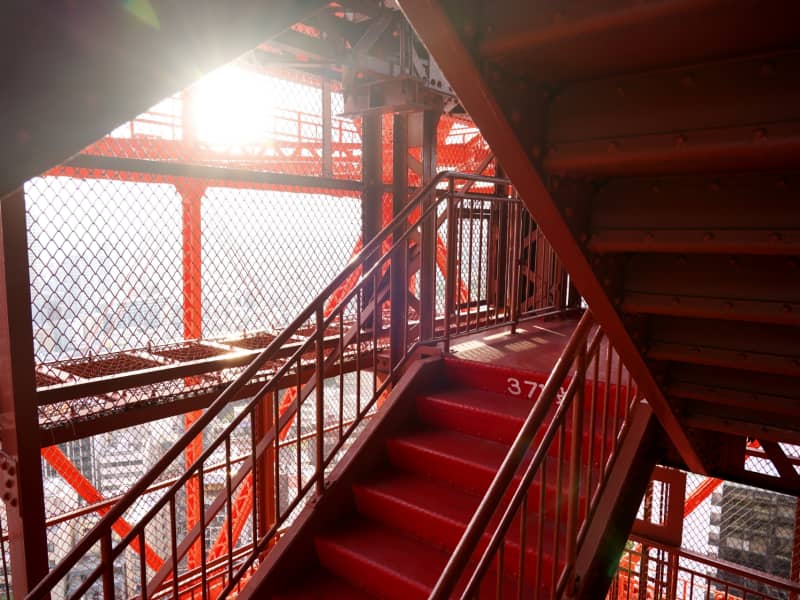
Those looking for a little extra thrill can try the Open-Air Stair Walk, a 600-step climb to the Main Deck rewarded with a certificate of completion.
Whether you’re a history buff, a romantic chasing sunset cityscapes, or a traveler seeking immersive Tokyo experiences, Tokyo Tower is a must-visit not just for the views, but for the vibrant spirit of modern Japan it embodies.
Before you go
Bring comfortable shoes, proper foot-wear is recommended and be ready for security checks. English signage is available, and there are multiple toilets throughout. You can grab food or souvenirs in FootTown at the base, but peak hours for cafés and shops are lunchtime to early evening. Tripods are allowed on the Main Deck and inside FootTown, but they are not permitted on the Top Deck for safety and space reasons.
Tokyo Tower is open daily from 9:00 to 23:00. Last entry to the Main Deck is at 22:30, and Top Deck tours end around 22:15 - 22:45. During summer holidays (late July to August), the open‑air staircase for climbing may close for heat, but the rest of the tower remains open. For festivals like the Tanabata Illumination (around June 12 - September 23), the tower glows until 23:00 and guests can hang wishes under seasonal lighting.
When to go
Tokyo Tower offers captivating illuminations year-round, with special seasonal lighting displays during cherry blossom season and winter holidays. Spring and autumn provide the clearest visibility for observation deck views, making these seasons ideal for both daytime cityscapes and evening light shows. Early morning visits between 9-10 AM offer the most serene experience with minimal crowds and crisp visibility. For stunning night views and special illuminations, plan your visit around sunset, but avoid peak evening hours on weekends when waiting times can extend significantly.
Average crowd levels throughout the day, based on historical data.
Public review summary
Visitors consistently praise the evening illumination displays and panoramic city views. The observation decks receive positive feedback for their cleanliness and staff friendliness. Areas for improvement include crowded elevators with long wait times, especially during peak hours, and relatively high prices for admission and souvenirs. The walking stairs option gets favorable mentions as an alternative experience, while some note that advance booking is essential for the top deck tour.
What you'll find here
Location & access
- DirectionsAddress
4 Chome-2-8 Shibakoen, Minato City, Tokyo 105-0011, Japan
- How to get there
By Public Transportation: The nearest stations are Akabanebashi (Toei Oedo Line), Kamiyacho (Tokyo Metro Hibiya Line), and Onarimon (Toei Mita Line)—all about a 5–10 minute walk from the tower . You can also reach it via JR Hamamatsucho Station, a roughly 15-minute walk past Zojo‑ji Temple.
By Car: If you’re driving, follow signs to Shiba‑Koen and use the on-site parking lot under FootTown; staff will guide you if it’s full. Parking tends to fill by late morning and during evening light shows. Paid parking for around 600 yen per hour.
Common questions
What are the admission fees for Tokyo Tower?
The main deck costs ¥1,500 for adults, ¥1,200 for high school students, and ¥900 for elementary/junior high students. The top deck tour costs ¥3,500 for adults, with discounts available for advance online bookings. Children under 3 enter free.
Is Tokyo Tower wheelchair accessible?
Yes, Tokyo Tower features wheelchair accessible entrances and parking facilities. The observation decks and public areas are designed to accommodate wheelchair users, making it a suitable destination for visitors with mobility needs.
How tall is Tokyo Tower and what can I see from it?
Tokyo Tower stands at 333 meters (1,092 feet) tall. From its observation decks, visitors can see landmarks like Mount Fuji, Tokyo Bay, and distant mountain ranges on clear days, offering panoramic views of the city landscape.
What facilities are available at Tokyo Tower?
The tower includes FootTown, a multi-story complex with museums, souvenir shops, and restaurants. There are two observation decks - the Main Deck at 150m and Top Deck at 250m. The facility also features a Tokyo Tower Aquarium.
Can I take stairs instead of the elevator?
Yes, visitors can use stairs to walk down from the observation deck, which takes about 10 minutes. This option is available until 8pm and offers unique views and a breezy experience during the descent.

Bring this spot to life with a local photographer
Book a vetted local photographer who knows the best light, angles, and timing for this location.