

At a glance
The Tottori Sand Dunes are a spectacular 2-kilometer coastal stretch featuring towering sand formations up to 45 meters high along the Sea of Japan. This national reserve offers unique experiences including camel rides, sandboarding activities, and pristine wind-carved patterns across its golden landscape. Visitors can explore the famous "Horse's Back" ridge, discover seasonal oases appearing during wetter months, and enjoy panoramic views where desert-like scenery meets azure coastal waters.
Photographs
Tottori Sand Dunes
The Tottori Sand Dunes stretch along the coast for two kilometers, reaching heights of up to 47 meters at the iconic Uma-no-se (Horse’s Back) formation. This designated national natural monument showcases wind-sculpted patterns called fumon (wind ripples) that change daily, creating an ever-evolving desert-like landscape unique in Japan. The steep climb to the summit tests visitors’ endurance as feet sink into soft sand, but the panoramic view of the Sea of Japan from the top rewards the effort with a breathtaking vista.

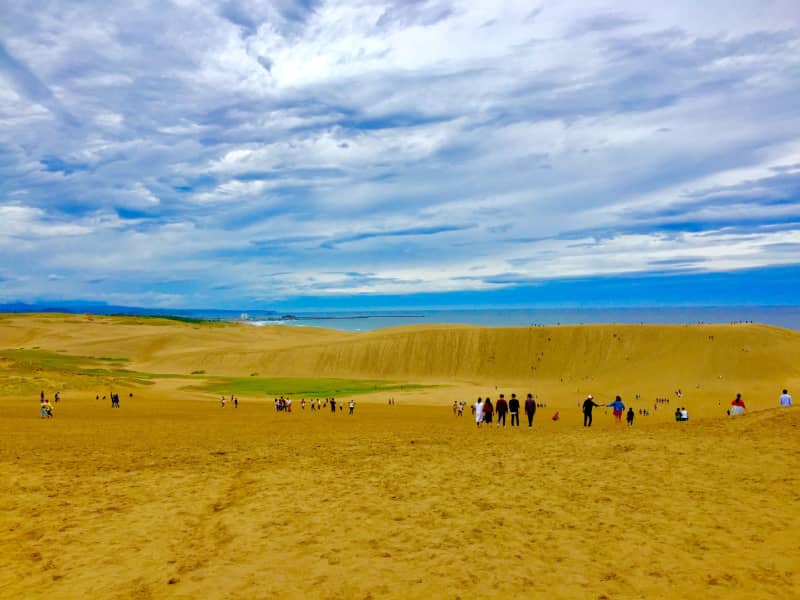

Visitors can experience camel rides reminiscent of desert adventures, try sandboarding down the slopes, or explore the dunes barefoot to feel the texture of the sand. The mysterious oasis, which appears temporarily depending on rainfall and weather conditions, adds to the surreal atmosphere, while foot washing areas near the entrance provide practical convenience after exploring. Early morning visits reveal pristine wind patterns undisturbed by footprints, and evening hours offer spectacular sunset views over the Sea of Japan with fishing boat lights dotting the horizon.
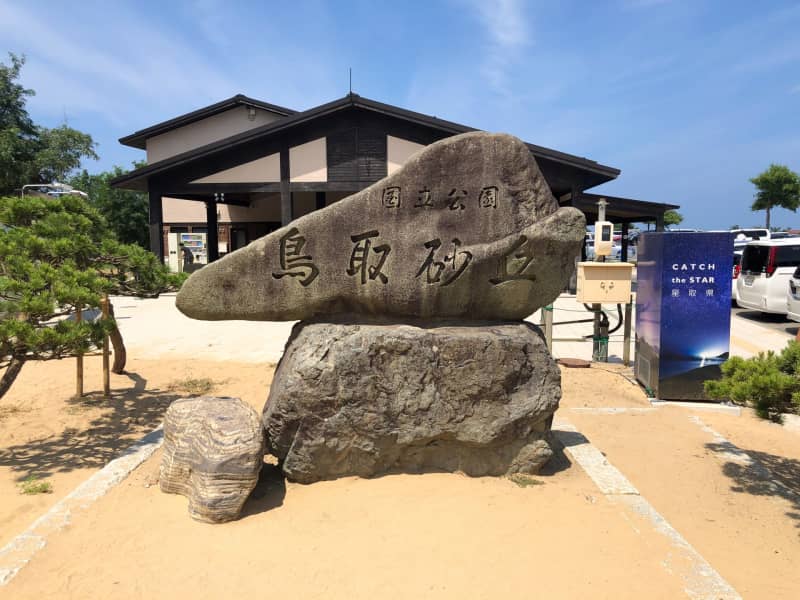


The adjacent Sand Museum features remarkable sand sculptures, and the Visitor Center provides educational context about dune formation and ecology. While winter brings strong winds requiring substantial cold-weather preparation, each season offers distinct beauty from summer’s golden expanses to winter’s snow-covered landscapes. The site includes accessible parking options, public restrooms, and is suitable for families with children and leashed dogs.
Seasonal and Event Highlights
- Spring: Mild temperatures and clear skies make spring one of the best seasons for walking the dunes and visiting the Sand Museum.
- Summer: Peak season for camel rides, sandboarding, and sunset viewing over the Sea of Japan.
- Autumn: Comfortable weather and dramatic evening light create excellent photography conditions.
- Winter: Strong seasonal winds, occasional snow-covered dunes, and striking contrasts between white snow and golden sand.
- Event: The annual Tottori Sand Dunes Illumination (鳥取砂丘イリュージョン) brings large-scale light displays to the dunes area during winter.
Before you go
Admission to the Tottori Sand Dunes themselves is free, while the adjacent Sand Museum charges ¥800 for adults and ¥400 for elementary to high school students during exhibition periods. Wear comfortable walking shoes or consider going barefoot, as climbing the dunes can be physically demanding. Public toilets, foot washing stations, rest areas, souvenir shops, cafés, and multilingual information are available near the entrance. The dunes are accessible year-round and open 24 hours, though strong winds and extreme temperatures can make conditions challenging. Tripods are generally permitted for personal photography, but commercial shoots may require permission. Leashed dogs are allowed on the dunes, and visitors should bring water, sunscreen, and wind protection depending on the season.
The Tottori Sand Dunes are open 24 hours a day, year-round, with no regular closing days. The Tottori Sand Dunes Visitor Center operates daily from 9:00 AM to 5:00 PM, while the Sand Museum is open seasonally from 9:00 AM to 6:00 PM and closes during exhibition changeover periods, typically from early January to late April.
When to go
Spring and autumn offer the most comfortable conditions for exploring the dunes, with mild temperatures ideal for climbing the steep slopes without extreme heat or cold. Winter presents dramatic landscapes when snow blankets the sand, creating unique photography opportunities, though strong winds require maximum cold-weather protection. Early morning visits before 8 AM reward you with pristine wind patterns (風紋, fūmon) undisturbed by footprints, along with spectacular sunrise views over the Sea of Japan. Weekdays, especially Tuesday through Thursday, provide a more peaceful experience compared to crowded weekend afternoons when visitor numbers peak significantly.
Average crowd levels throughout the day, based on historical data.
Public review summary
Visitors consistently praise the stunning desert-like landscape and panoramic Sea of Japan views from Uma-no-se. Many appreciate barefoot walking experiences and camel rides, though several warn about challenging climbs in steep sand and strong winds that blow sand everywhere. Early morning visits reward travelers with pristine wind patterns, while sunset viewing draws frequent recommendations despite transportation challenges.
What you'll find here
Location & access
- DirectionsAddress
2164-971 Fukubecho Yuyama, Tottori, 689-0105, Japan
- How to get there
By Public Transportation:
From JR Tottori Station, take the Tottori Sakyu Line bus (No. 39) or Iwami Iwai Line buses (No. 32/33) to the Tottori Sand Dunes, a journey of approximately 20 to 22 minutes. On weekends and holidays, the Loop Kirinjishi sightseeing bus also operates directly to the dunes.
By Car:
The Tottori Sand Dunes are approximately 15 minutes by car from central Tottori City and about 20 minutes from Tottori Airport. Several public parking areas are available near the dunes, including paid and some free parking facilities depending on location and season. Parking areas remain accessible day and night.
Common questions
What activities are available at Tottori Sand Dunes?
Tottori Sand Dunes offers hiking across the vast sandy landscape, camel riding experiences, and sandboarding down the slopes. The site is wheelchair accessible and features amenities including public restrooms, a playground, and designated pet-friendly areas for visitors with dogs.
How difficult is it to climb to the top of the dunes?
Climbing to the top of Uma-no-se (Horse's Back), the highest point at approximately 47 meters, takes about 20-30 minutes depending on fitness level. The sand makes walking challenging as your feet sink in, but the panoramic views of the Sea of Japan from the summit make the effort worthwhile.
Can I walk barefoot on Tottori Sand Dunes?
Yes, many visitors enjoy walking barefoot on the sand dunes to experience the soft sand texture. There is a foot washing area available near the entrance for cleaning your feet after your visit. However, consider wearing closed shoes if visiting during hot summer days when sand temperatures are high.
What should I wear when visiting the sand dunes?
Wear comfortable closed shoes or boots as sand easily gets into sandals and thin footwear. During winter, dress warmly with wind-resistant clothing as the exposed location experiences strong coastal winds. Summer visitors should bring sun protection including hats and sunglasses due to intense heat and sun exposure.
Is there parking available at Tottori Sand Dunes?
Yes, both paid and free parking options are available at Tottori Sand Dunes. There is a large paid parking lot near the entrance with facilities and souvenir shops, as well as free parking lots and street parking options a short walking distance from the dunes entrance.

Bring this spot to life with a local photographer
Book a vetted local photographer who knows the best light, angles, and timing for this location.