

At a glance
Tsukiji Honganji Temple combines ancient Indian architecture with Japanese Buddhist traditions, featuring unique stone facades, intricate carvings, and a pipe organ. Located in Tokyo's historic Tsukiji district, this wheelchair-accessible temple offers daily services, cultural events, and a peaceful sanctuary from urban bustle.
Photographs
Tsukiji Hongan-ji Temple
In the heart of Tokyo’s Tsukiji district stands Tsukiji Honganji Temple [築地本願寺], one of Japan’s most architecturally unusual temples. Originally founded in 1617 near Nihonbashi and later relocated after the Great Fire of Meireki, the temple was rebuilt in 1934 under the visionary design of architect Chuta Ito, who sought to merge Japanese faith with global influences. Instead of the typical curved eaves of a wooden temple, Tsukiji Honganji rises in stone, crowned with domes and columns inspired by ancient Indian Buddhist architecture.

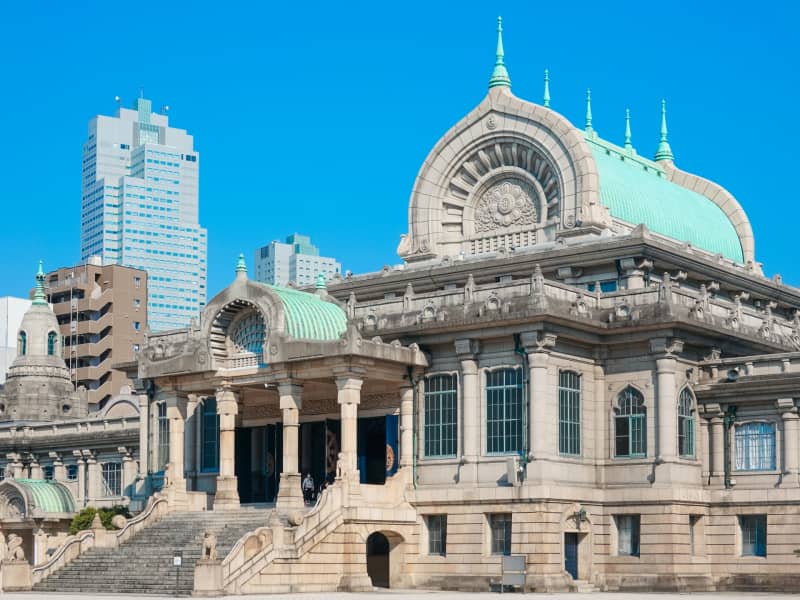

Inside, the atmosphere feels both spiritual and modern. The main hall is adorned with intricate carvings of lions, elephants, and peacocks, while stained glass windows filter in soft light that feels more like a European cathedral than a Japanese temple. A pipe organ, rare in Buddhist temples, adds a graceful resonance during ceremonies and concerts, creating a cross-cultural harmony of sound and space.
The temple grounds blend tradition with everyday life. Locals often stop by for quiet reflection, while travelers visit to admire the design and enjoy the Tsumugi Café, known for its elegant Japanese breakfast served in small seasonal dishes. The temple also hosts concerts, cultural events, and memorial services that welcome people of all backgrounds, reflecting its inclusive approach to modern Buddhism.


Despite sitting just steps away from the busy Tsukiji Market area, the temple grounds offer a moment of calm—a space where stone carvings, incense, and sunlight through colored glass create a surprisingly serene pause in the middle of Tokyo.
Before you go
Entry to the temple is free of charge. While shoes may not need removal everywhere, be respectful of worship spaces: keep voices low, observe any signage about photography (some areas do discourage it). Wear comfortable footwear as there are steps and a bit of walking; though the main hall floor is level for most visitors, if you have mobility concerns you’ll appreciate the ramp access and the fact that the temple is close to a subway exit. Toilets and a café (“Tsumugi”) are on site. The on-site café is a nice bonus if you’d like a break or breakfast after visiting.
The temple is open every day (no fixed closing days) for the grounds and hall. Special services and events happen on key dates: for example, a morning service at 7:00 a.m. and an evening service around 4:00 p.m. daily. On New Year’s Day there’s a special service from about 6:30 a.m. and on December 31 a New Year’s Eve service including bell-ringing.
When to go
Morning visits (6 a.m.–10 a.m.) work especially well: the temple opens early, when the light is gentle and the nearby hustle of the Tsukiji Outer Market hasn’t fully taken off. Mid-morning around 10 a.m.–noon offers good light for photography, and you can easily combine the temple with a stroll through the market. Seasonally, spring (with cherry blossoms nearby) and autumn (with crisp air and mild crowds) offer the most pleasant walking weather. If you’d like a café breakfast or a quiet sit in the main hall, aim for early hours.
Average crowd levels throughout the day, based on historical data.
Public review summary
Visitors consistently praise the temples unique architectural fusion and peaceful atmosphere while noting its warmth and accessibility. The pipe organ performances and cultural events receive positive feedback. Staff helpfulness and cleanliness are frequently highlighted. Some mention ongoing renovations affecting the full experience, and a few find the modern design elements jarring compared to traditional temples. The onsite cafe receives particular praise for quality and value.
What you'll find here
Location & access
- DirectionsAddress
3 Chome-15-1 Tsukiji, Chuo City, Tokyo 104-8435, Japan
- How to get there
By Public Transportation: Take the Tokyo Metro Hibiya Line to Tsukiji Station, exit 1, the temple is just a minute’s walk from the exit. Alternatively you can walk about 5 minutes from Shintomicho Station (Yurakucho Line) or Tsukijishijo Station (Toei Oedo Line).
By Car: If driving, note the temple is in central Chūō-ku, Tokyo. Parking is limited and typically reserved for visitors to services; public parking nearby may be available (at cost) but navigating city traffic and finding a spot can take time. It’s much smoother by train.
Common questions
What makes Tsukiji Honganji Temple's architecture unique?
Designed by architect Chuta Ito and completed in 1934, the temple features a distinctive fusion of Indian Buddhist and Western architectural elements, including stone construction, stained glass windows, and a pipe organ. The exterior incorporates ancient Indian motifs and unique animal carvings.
Are there services I can attend at Tsukiji Honganji Temple?
Yes — regular morning (7:00 a.m.) and evening services take place. On the last Friday of the month there is a lunch-time pipe organ concert in the main hall. On the last Saturday a service in English is held at 5:30 p.m.
What religious activities can visitors observe at the temple?
Visitors can observe daily Buddhist services, listen to pipe organ performances, and participate in public sermons. The temple welcomes people of all faiths to experience its spiritual atmosphere and cultural activities.
How do I get to Tsukiji Honganji Temple?
The temple is easily accessible from Tsukiji Station on the Hibiya subway line, just a few minutes walk away. It's also walkable from Shintomicho Station on the Yurakucho Line via Exit 4.
Are there amenities or facilities available for visitors?
The temple offers a cafe serving breakfast and refreshments, onsite restrooms, parking facilities, and cultural spaces. The grounds include rest areas where visitors can relax and appreciate the temple's peaceful atmosphere.

Bring this spot to life with a local photographer
Book a vetted local photographer who knows the best light, angles, and timing for this location.