
At a glance
Perched atop a hill in Ikeda City, this tranquil Japanese garden occupies the historic grounds of Ikeda Castle ruins. The free park features seasonal flowers, a peaceful koi pond, and a castle tower-style observation deck offering panoramic views of Osaka. Perfect for nature walks and cultural exploration.
Photographs
Ikeda Castle Ruins Park
Perched gently atop a wooded terrace in Ikeda City, this park occupies the storied site of Ikeda Castle, once the seat of the powerful Ikeda clan during the Muromachi and Sengoku periods. Built around 1334 by Ikeda Noriyori, the fortress grew over centuries but was ultimately surrendered to Oda Nobunaga in 1568, and abolished around 1580 amid shifting allegiances and political turbulence.

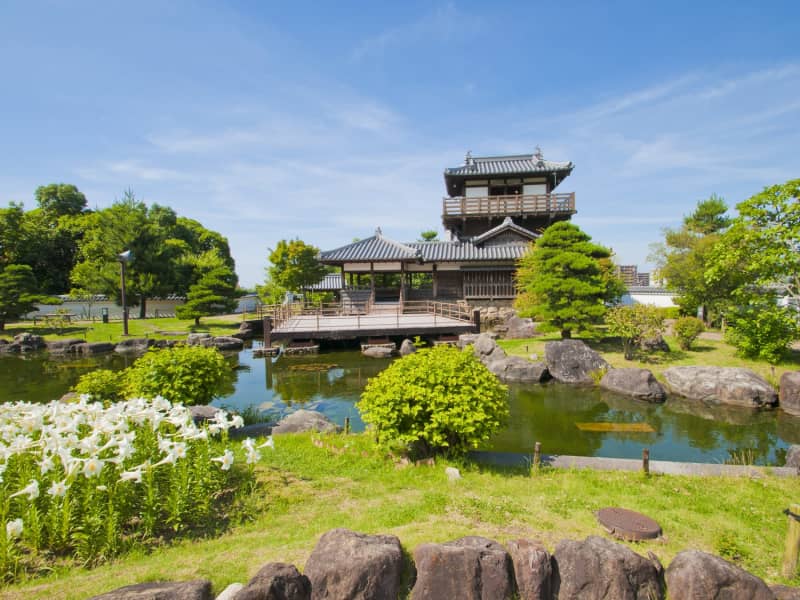
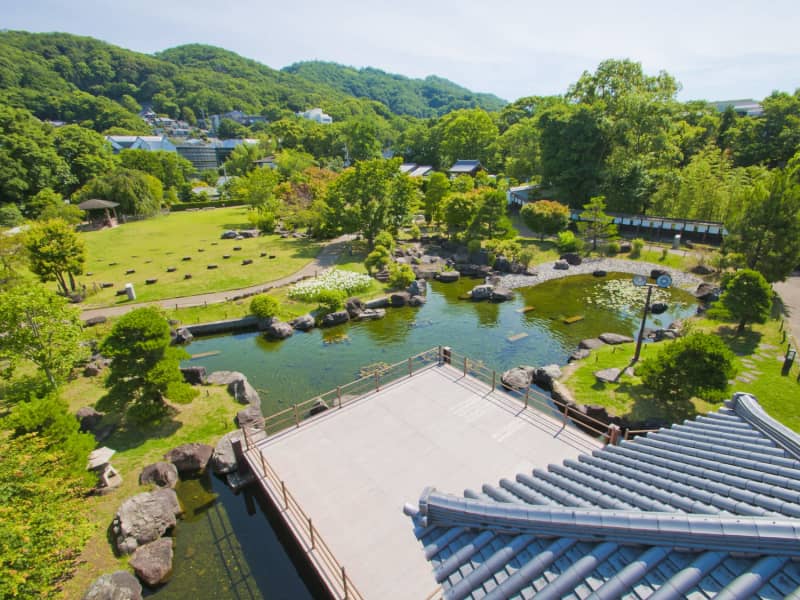
Archaeological excavations first by Osaka Kyoiku University in 1968 and later from 1989 to 1992 revealed fragments of the castle’s moats, foundations, and other structures. In April 2000, the city transformed this heritage-rich site into a tranquil public space, opening Ikeda Castle Ruins Park with a restored watchtower-style viewing pavilion, a pond garden, a teahouse, and walking paths that invite thoughtful wandering.
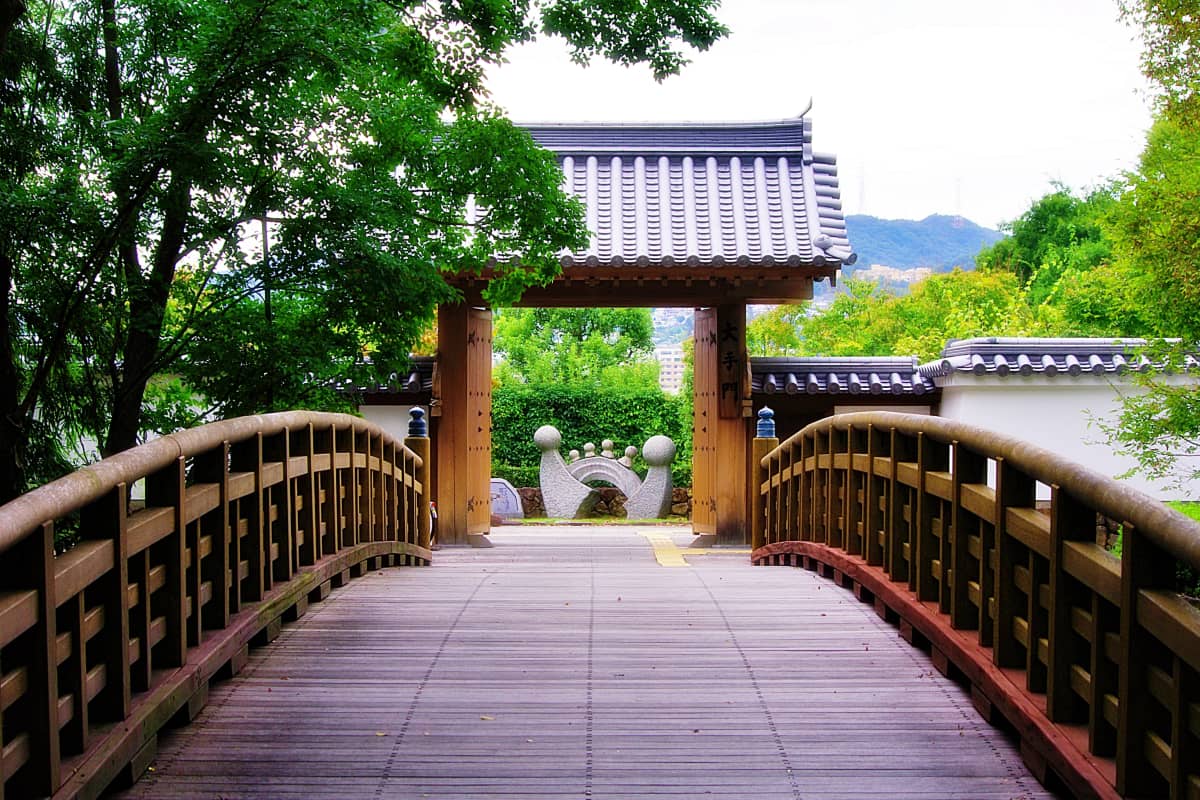
Walking beneath the east gate, visitors cross a modest wooden bridge into a calm expanse where a Japanese stroll garden unfolds with seasonal grace. A koi pond glistens among mossy stones and planted tiles. Cherry blossoms paint the scene in spring, lilies bloom in early summer, and autumn brings a brilliant blaze of color.
The yagura-style observation pavilion is a treasured spot for lingering. On clear days, the sweeping view extends over Ikeda and beyond, with the modern silhouette of the sleek Shin-Inagawa Bridge rising in the foreground and as far as Kobe and Wakayama on the horizon.
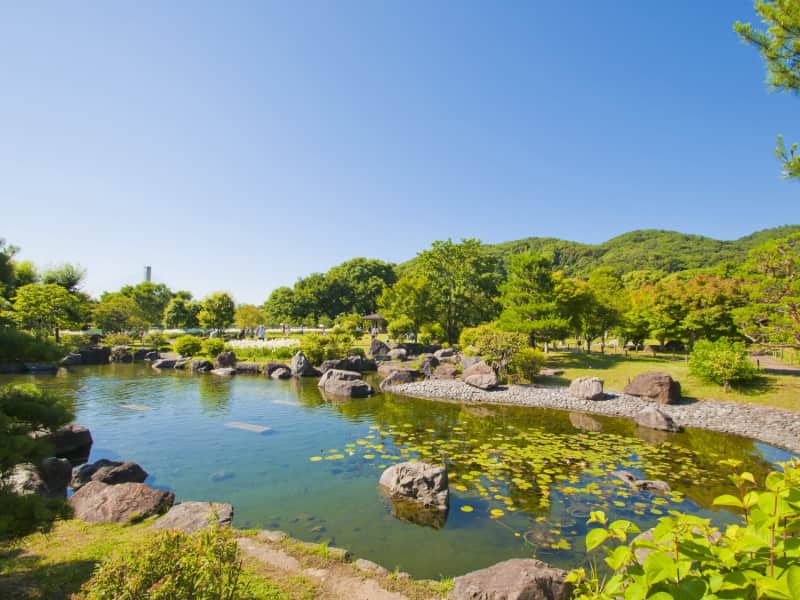
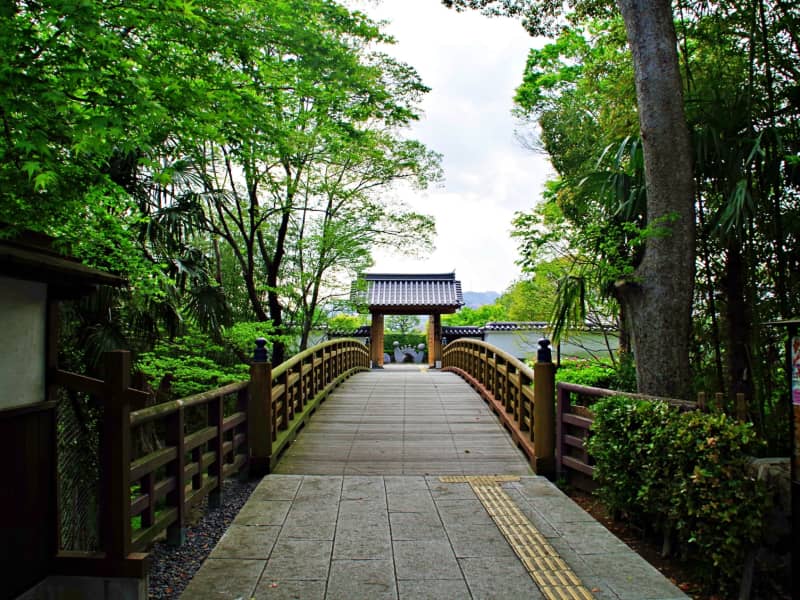
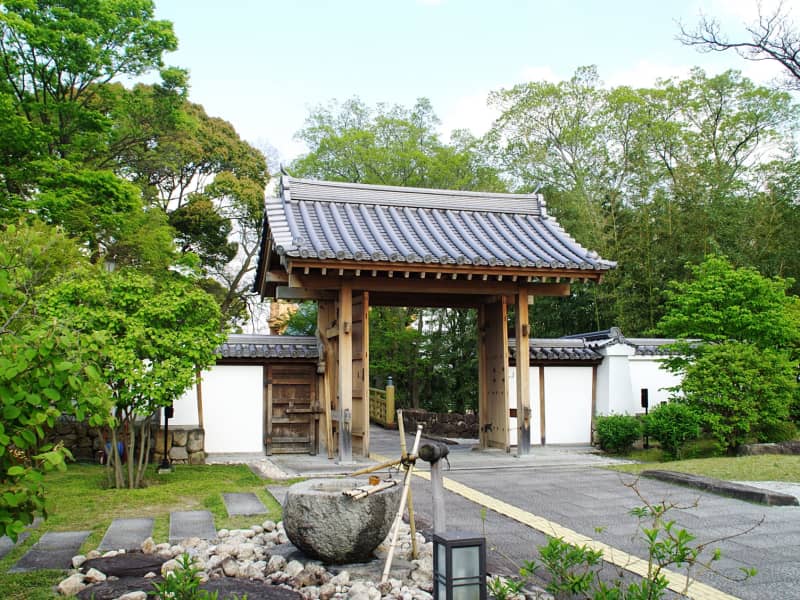
Despite its compact size, the park carries the air of history alongside gentle beauty. Stone foundation remnants and dry gardens are laid out so you can sense the castle’s footprint. A humble teahouse invites contemplation, and the museum-like interior of the tower quietly shares the castle’s past, telling stories of lineage, rebellion, and time itself.
It is also a favorite stop for volunteers who offer guided tours on weekends and holidays, adding moments of storytelling that bring the past alive and make you feel both grounded and imagined into another era.
Before you go
Entry to the park is free, making it a lovely spot for a spontaneous visit or a thoughtful pause. Pack comfy shoes, you’ll walk up a gentle slope and cross a charming wooden bridge to enter the garden. There’s a public restroom on site, and vending machines for drinks; a small stand sometimes sells ice cream. The courtyard offers shaded benches and covered tables for resting or enjoying a snack. The teahouse, with its tiled roof, is view-only, but you can wander around the landscaped garden freely. Tripods are okay for casual photography, and English signage is modest but helpful. Volunteer guides are usually around on weekends and holidays, they’re happy to share stories and insider details if you ask.
The park is closed every Tuesday, but if that falls on a public holiday, it remains open and closes the following weekday instead. It also closes around New Year’s (late December through January 1). Apart from that, it’s open every day, lovely for seasonal strolls and last-minute plans.
When to go
Ikeda Castle Ruins Park showcases different botanical highlights throughout the year, from spring cherry blossoms to summer lilies and autumn chrysanthemums. Mid-June brings spectacular lily blooms, while October features vibrant autumn colors and cosmos flowers. Early mornings around 9 AM offer the most peaceful atmosphere for exploring the gardens and enjoying the castle views. Weekday visits, especially Wednesday mornings, provide a more relaxed experience with fewer visitors and better photo opportunities.
Average crowd levels throughout the day, based on historical data.
Public review summary
Visitors consistently praise the peaceful atmosphere and well-maintained Japanese gardens while noting the seasonal flower displays and carp pond as highlights. The observation deck offers impressive city views that exceed expectations, though some mention limited parking availability as an inconvenience. The park receives particular appreciation for its clean facilities, family-friendly environment, and historical significance. Regular visitors enjoy the changing seasonal attractions but suggest improvements to access and parking facilities.
What you'll find here
Location & access
- DirectionsAddress
3-46 Shiroyamacho, Ikeda, Osaka 563-0052, Japan
- How to get there
By Public Transportation: From Hankyu Railway’s Ikeda Station, it’s an easy walk of about 13-15 minutes. Head toward the educational center and follow signs to the East Gate, crossing the wooden bridge to enter. Local buses also drop you near the park, the “Satsukiyama Koen / Daikoji” stop is just a short stroll away.
By Car: If you’re driving, head toward Chugoku-Ikeda IC or take the Hanshin Expressway. Though the park doesn’t have its own lot, you can use the nearby Satsukiyama Green Park parking, which is pay-per-use. From there, it’s a brief walk through greenery to reach the entrance.
Common questions
Can I feed the koi fish in the pond at Ikeda Castle Ruins Park?
Yes, you can purchase fish food for 100 yen to feed the numerous carp in the pond. The fish are very active and it's a popular activity for visitors, especially families with children.
How far is the park from Ikeda Station?
The park is approximately a 15-20 minute walk from Hankyu Ikeda Station. The path gradually climbs uphill, making it a moderate walk that provides good exercise.
What special events are held at the park?
The park hosts various cultural events throughout the year, including Takigi Noh performances (traditional Japanese theater), jazz picnics, and seasonal flower festivals featuring cherry blossoms and lilies.
Is there wheelchair accessibility at the park?
The park features a wheelchair-accessible entrance, though some areas may be challenging due to the hillside location. The central lawn area and main pathways are generally accessible.
What flowers can I see at different times of the year?
The park features cherry blossoms in spring, trumpet lilies and hydrangeas in June, cosmos in October, and chrysanthemums in autumn. Each season offers distinct floral displays in the well-maintained gardens.

Bring this spot to life with a local photographer
Book a vetted local photographer who knows the best light, angles, and timing for this location.