
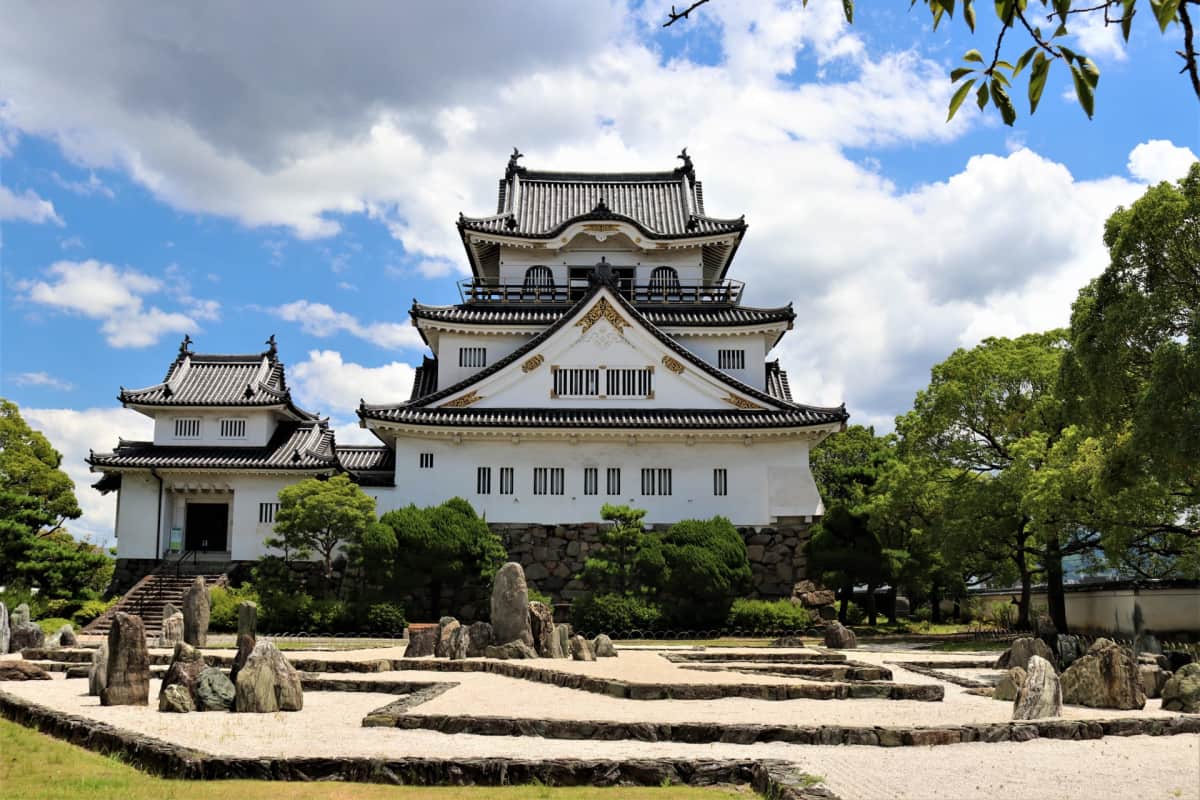
At a glance
Kishiwada Castle is a historic flatland fortress featuring traditional Japanese architecture, a moat, and the famous Hachijin Garden designed by Mirei Shigemori. Located in Osaka Prefecture, this cultural landmark offers museum exhibits, panoramic city views, and seasonal cherry blossom displays.
Photographs
Kishiwada Castle
Kishiwada Castle is one of Osaka Prefecture’s notable historical landmarks, famed for its well‑preserved stone walls and traditional moat that echo centuries of samurai history. Inside its reconstructed three‑story castle tower (rebuilt in 1954 after the original burned down in 1827), you’ll find a cozy museum tracing the region’s story, highlighting the Okabe clan, local culture, and feudal life.
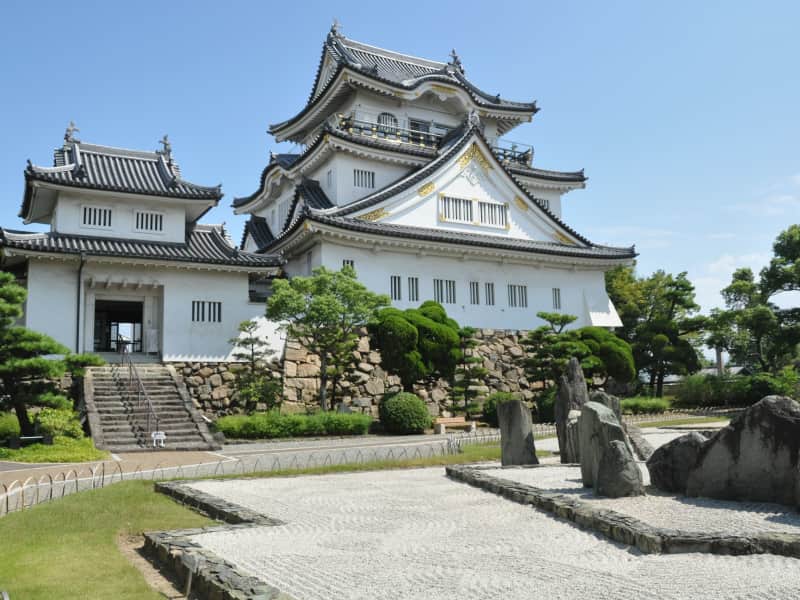
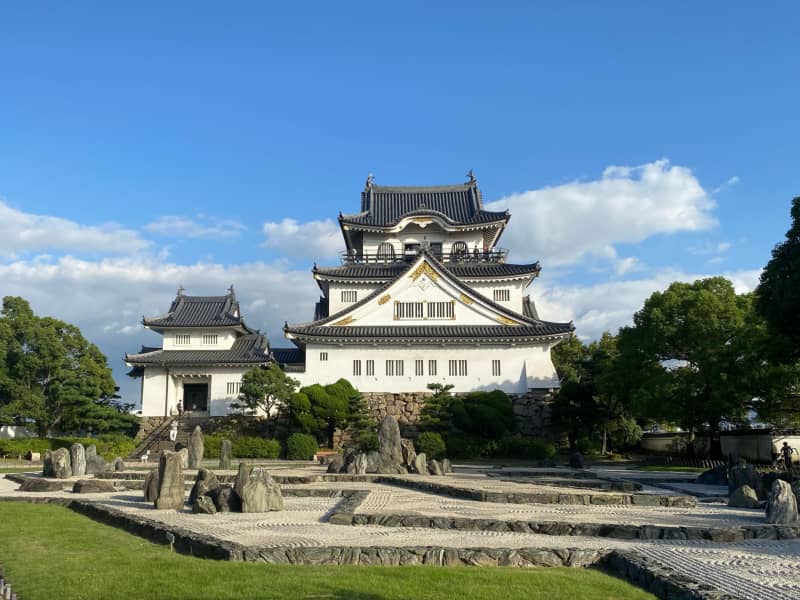
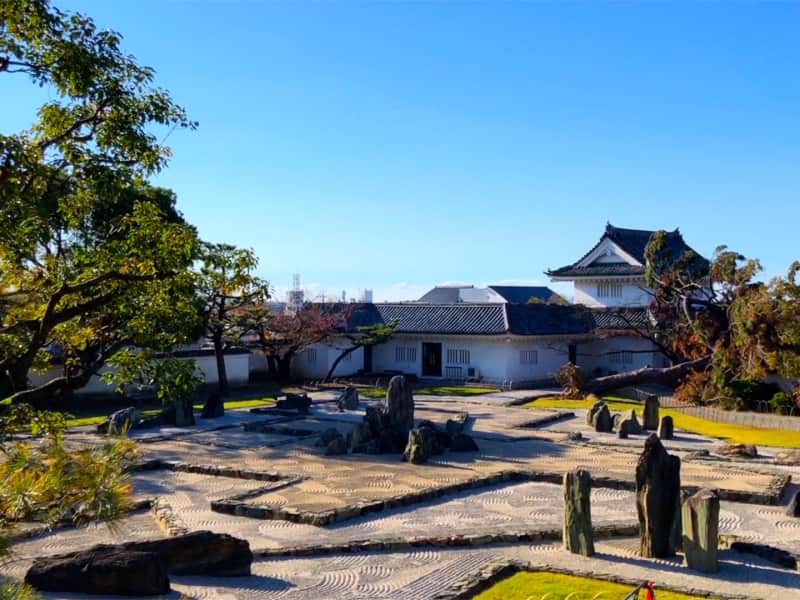
Just outside the tower sits the Hachijin Garden, a dry‑landscape (karesansui) garden designed by the celebrated landscape architect Mirei Shigemori in 1953. Inspired by Zhuge Liang’s “Eight Battle Formations”, large stones represent a central “general” surrounded by eight formations, intended not for offense, but as a peaceful, defensive design. It’s crafted to be admired not just from ground level but also from above, particularly from the tower’s top. Because of its artistic and historical importance, the garden is designated a National Place of Scenic Beauty.
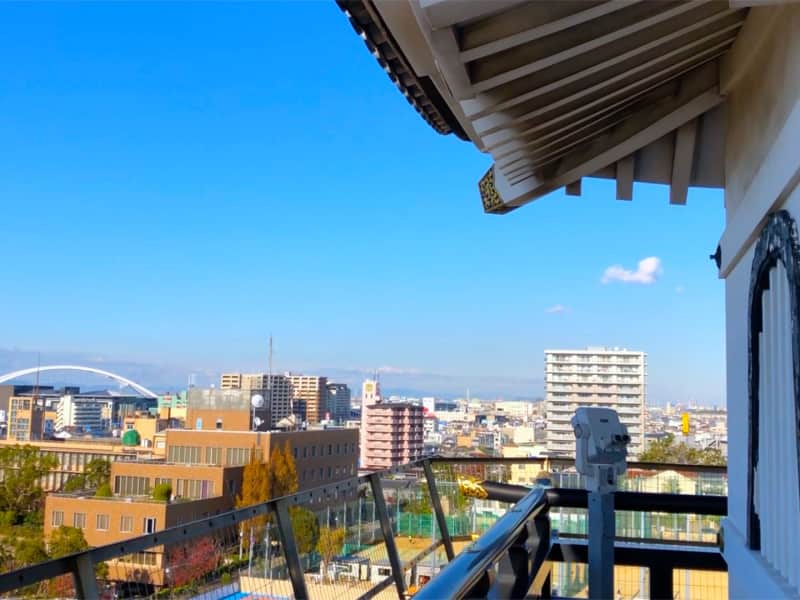
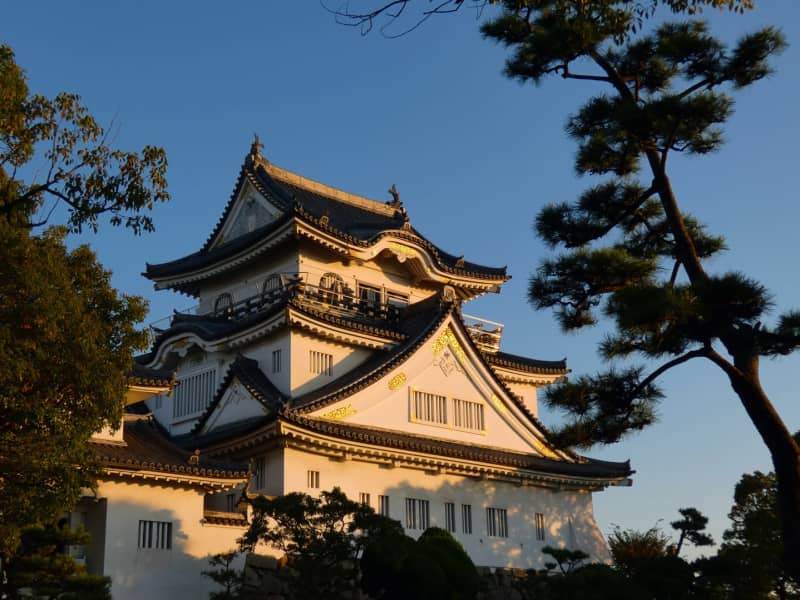

On clear days, the observation deck offers quiet, panoramic views over Kishiwada City and toward Osaka Bay, lending a peaceful moment amid the hustle of modern lif . In spring, the moat and castle grounds bloom with cherry trees—usually opening in early April—making it a popular spot for sakura viewing.
Before you go
You’ll pay 300 yen for adults, while junior high schoolers and younger enter free. The castle is compact and walkable, with stone walls, moat, reconstructed gates, and the beloved Hachijin Garden outside the tower. Inside, the small museum shines a soft spotlight on local history, and there are English, Chinese, and Korean pamphlets or audio guides to help you enjoy the exhibits and views. Tripods aren’t especially restricted, but this is still a heritage site, so it’s polite to use them discreetly. There are also public restrooms, and a few simple cafés nearby for a sweet pause afterward. Casual shoes are best—those stone paths feel charming underfoot, but can be uneven.
Kishiwada Castle is closed every Monday, except when Monday falls on a national holiday, in which case it remains open. Additionally, it’s closed for New Year’s holidays (December 29-January 3) and during temporary exhibition change periods. During the Castle Festival (typically April 1-15), the castle is open even on Mondays, as a special exception.
When to go
Spring brings spectacular cherry blossoms to Kishiwada Castle, making early April the most enchanting time to visit. Autumn offers comfortable temperatures and clear views of the castle grounds against vibrant fall foliage. Visit during weekday mornings between 9AM and 11AM for the most peaceful experience and best photo opportunities. The castle is less crowded on Tuesday and Wednesday afternoons, offering a more relaxed pace to explore the exhibits and gardens.
Average crowd levels throughout the day, based on historical data.
Public review summary
Visitors consistently praise Kishiwada Castles peaceful atmosphere and historical charm while appreciating its less crowded environment compared to major tourist sites. The well-preserved castle architecture and beautiful moat draw positive feedback. The garden design receives mixed reactions, with some noting maintenance concerns. Limited English signage poses challenges for international visitors, though staff helpfulness compensates. The museum exhibits and observation deck views earn favorable mentions.
What you'll find here
Location & access
- DirectionsAddress
9-1 Kishikicho, Kishiwada, Osaka 596-0073, Japan
- How to get there
By Public Transportation: From Kishiwada Station on the Nankai Main Line, it’s about a 15-minute walk to the castle. If you’re arriving from Kansai International Airport, take the Nankai Line to Takojizo Station, then it’s only a 5-7 minute walk to the grounds.
By Car: Take the Hanshin Expressway Bayshore Route and exit at Kishiwada Minami IC. From there, head east about 2.3 km (around 8 minutes). The closest parking options are the Kishiwada Municipal Parking Lot and the Kishiwada City Hall No.4 Parking Lot, both within easy walking distance of the castle.
Common questions
Is Kishiwada Castle wheelchair accessible?
Yes, Kishiwada Castle has wheelchair accessible facilities including a dedicated parking lot. The castle grounds are designed to accommodate visitors with mobility needs, though some areas of the historic structure may have limited access.
What is the best way to see the cherry blossoms at Kishiwada Castle?
The moat area offers prime viewing spots for cherry blossoms, typically in early April. The castle tower provides panoramic views of the blossoms, but arrive early during peak season as parking lots fill up quickly. Night viewing is also popular.
What historical artifacts can I see inside the castle?
The castle functions as a local history museum featuring exhibits about the feudal lord families from the Edo to Meiji periods, including samurai armor and historical materials. Photography of museum pieces is prohibited inside the castle tower.
What is special about the castle's garden?
The Hachijin Garden, designed by renowned garden expert Mirei Shigemori, is a designated National Place of Scenic Beauty. The garden is modeled after battle formations devised by Zhuge Liang and offers unique views around the castle.
When was Kishiwada Castle built and reconstructed?
The castle was originally built in 1585 but was destroyed by lightning in 1827. The current castle tower was reconstructed in 1954 and stands 22 meters tall from the stone wall top, making it a relatively modern reconstruction.

Bring this spot to life with a local photographer
Book a vetted local photographer who knows the best light, angles, and timing for this location.