

At a glance
Kosan-ji Temple is a secluded Buddhist temple in Kyoto's mountainous Toganoo district, renowned for housing the famous Choju Jinbutsu Giga scrolls, considered Japan's oldest manga. This UNESCO World Heritage Site features the National Treasure Sekisui-in hall and Japan's first tea plantation, where tea cultivation began in the Kamakura period. The temple grounds spread across a forested mountainside, offering visitors a tranquil retreat with historic artifacts and natural beauty.
Photographs
Kosan-ji Temple
Nestled in the mountainous Toganoo area of western Kyoto, Kosan-ji Temple stands as a UNESCO World Heritage Site renowned for housing the National Treasure Choju Jinbutsu Giga scrolls, often considered Japan’s oldest manga. Founded during the Nara period and restored in the Kamakura period by Myoe Shonin, this secluded temple complex offers visitors a tranquil escape from Kyoto’s bustling city center. The temple grounds spread across a mountainside, featuring steep stone pathways through ancient cedar forests that create an atmosphere of peaceful seclusion.


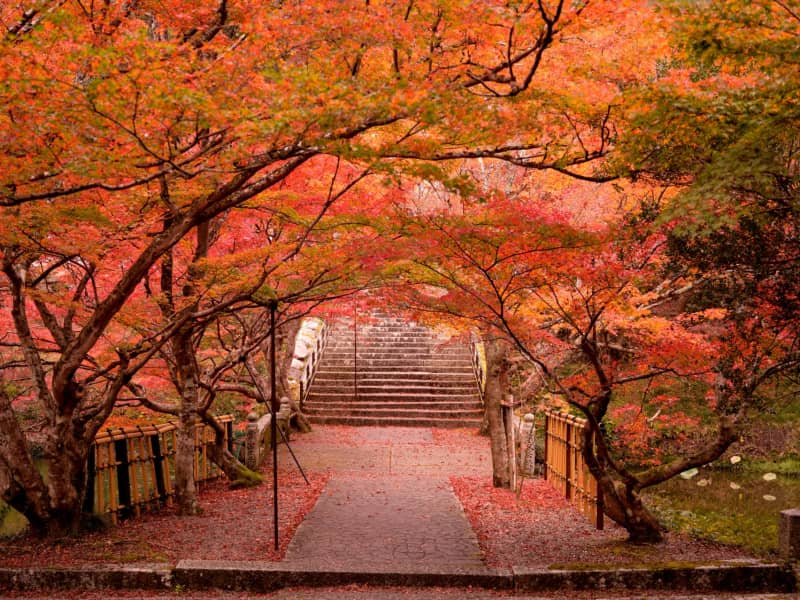
The main attraction is Sekisui-in, the only surviving building from Myoe Shonin’s era and a National Treasure, showcasing elegant Kamakura-period architecture. Inside, visitors can view replicas of the famous Choju Jinbutsu Giga scrolls depicting playful anthropomorphic animals, while the wooden veranda offers breathtaking views of the surrounding Kiyotaki River valley and seasonal foliage. The temple also preserves Japan’s oldest tea plantation, where Myoe Shonin first cultivated tea seeds gifted by Zen Master Eisai, marking the birthplace of Japanese tea culture.
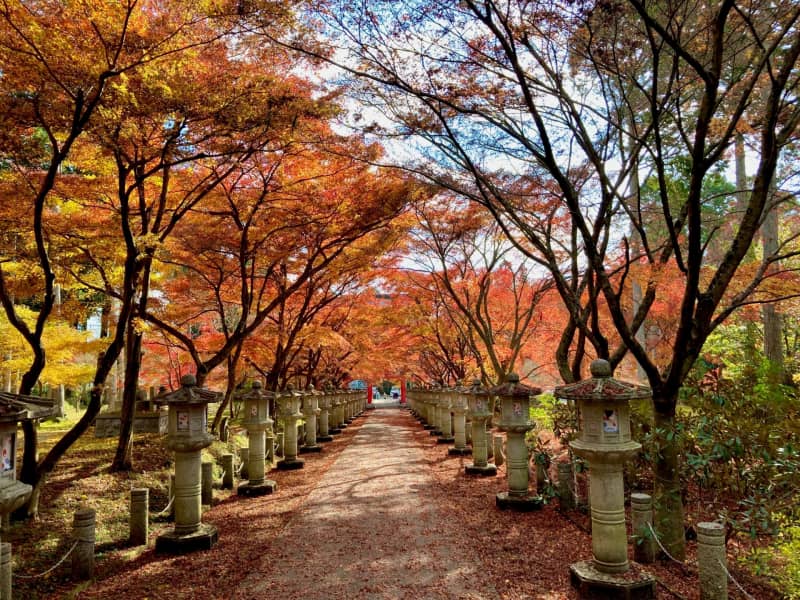
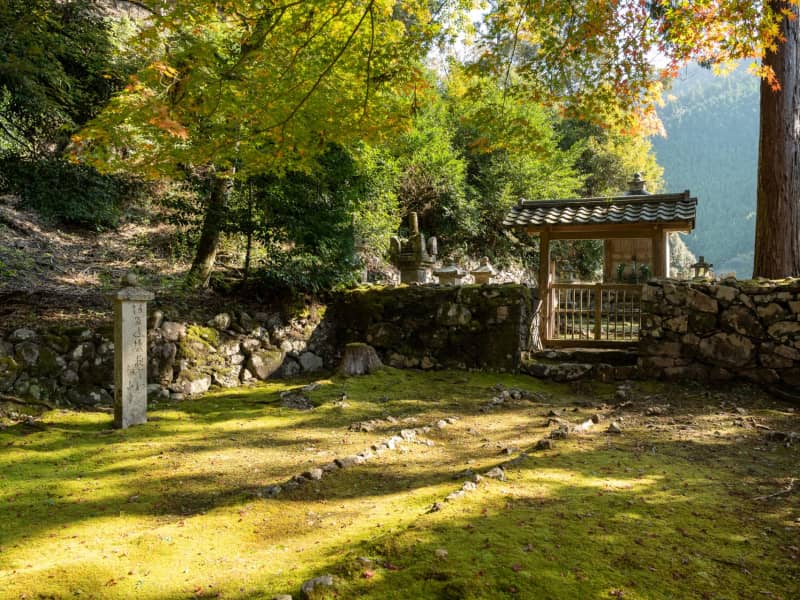

Reaching Kosan-ji requires approximately one hour by JR Bus from Kyoto Station, with visitors arriving at the Toganoo stop. The temple grounds feature well-maintained but steep stone staircases, making comfortable walking shoes essential. The mountainous location means facilities are minimal, though restrooms are available near the entrance. The site remains relatively undiscovered by international tourists, offering an authentic experience of traditional Japanese temple architecture surrounded by pristine natural beauty.
Seasonal and Event Highlights
- Spring: Fresh greenery and young tea leaves bring the historic tea plantation to life.
- Autumn: One of Kyoto’s finest autumn foliage destinations, with brilliant maple colors covering the mountainside from mid to late November.
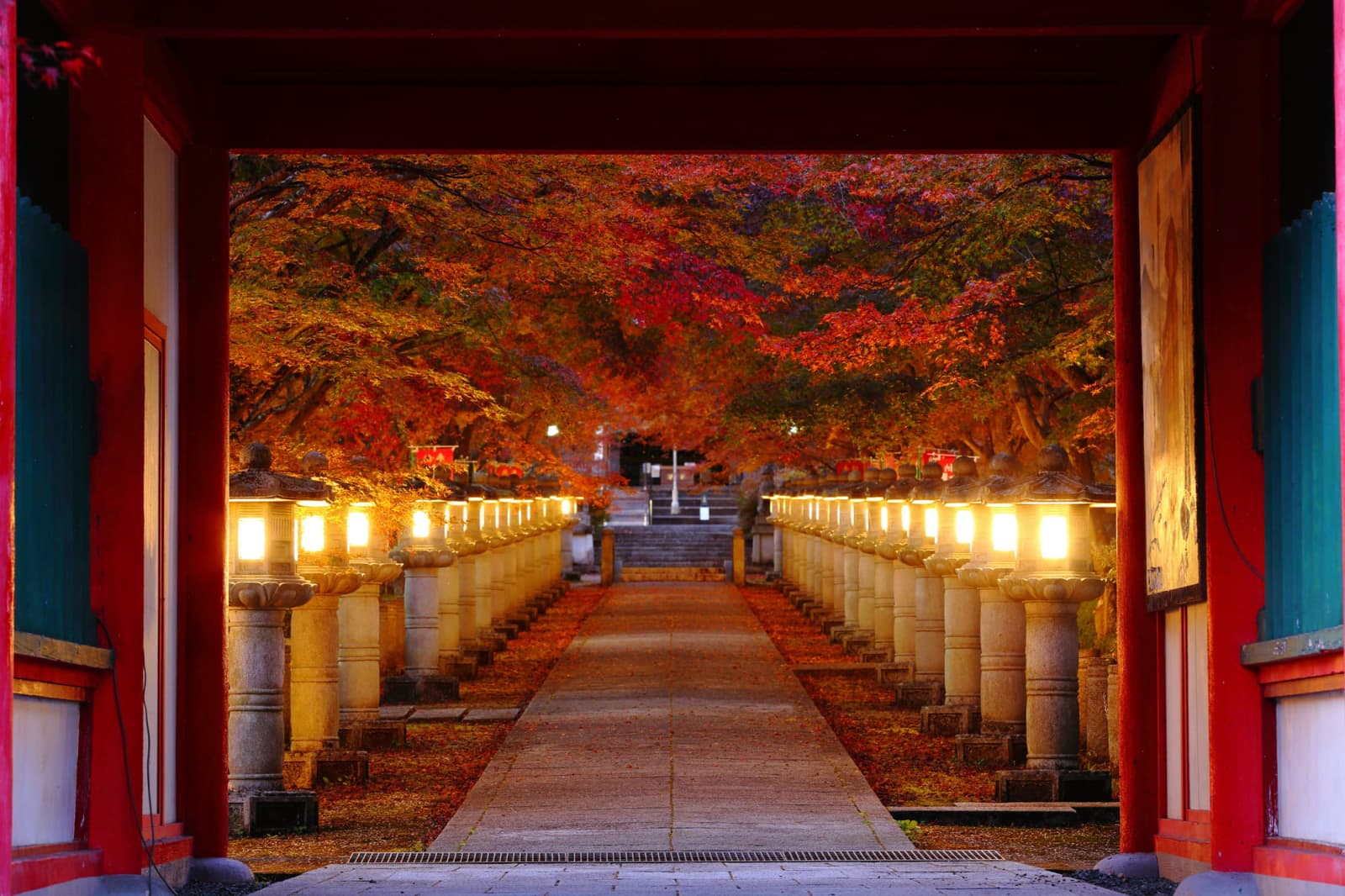
- Late Autumn: Limited-time evening autumn illuminations are occasionally held during the peak maple season.
- May: Tea-picking takes place at Japan’s oldest tea plantation, continuing a tradition linked to Myoe Shonin.
- November 8: The annual Kenchasai (Tea Offering Ceremony) honors Myoe Shonin and celebrates the temple’s deep connection to Japanese tea culture.
Before you go
Entry to Kosan-ji Temple requires an admission fee (adults: ¥1,000, junior and senior high school students: ¥500, elementary school students: ¥500). The temple grounds include steep stone paths and staircases, so comfortable walking shoes are strongly recommended. Restrooms are available near the entrance, while cafés and shops are limited in the immediate area. English information is available in parts of the temple, though most signage remains in Japanese. Tripods are generally discouraged, especially inside buildings and during busy periods, to avoid obstructing other visitors.
Open daily from 8:30 AM to 5:00 PM (last admission around 4:30 PM). The temple is generally open year-round, including most public holidays. Opening hours may vary slightly during special events.
When to go
Autumn stands out as the premier season to visit Kosan-ji Temple, when the mountainside erupts in vibrant crimson and gold foliage, particularly stunning around the National Treasure Sekisui-in building. Spring and early summer offer lush greenery and peaceful mountain atmosphere with fewer visitors, while the famous tea plantation displays fresh growth during these months. Weekday mornings between 8:30 AM and 10:00 AM provide the most tranquil experience, allowing contemplative viewing of the Choju Jinbutsu Giga scrolls and serene garden vistas without crowds. The temple's mountain location means cooler temperatures than central Kyoto, making midday visits comfortable even during warmer months.
Average crowd levels throughout the day, based on historical data.
Public review summary
Visitors consistently praise the temples serene mountain setting and peaceful atmosphere, noting minimal crowds especially outside autumn. The National Treasure Sekisui-in and Choju-giga scrolls receive high marks despite being replicas. Many appreciate the well-preserved tea plantation and historic grounds. Some find the steep stone steps challenging and note limited exhibits for the admission fee.
What you'll find here
Location & access
- DirectionsAddress
8 Umegahata Toganoocho, Ukyo Ward, Kyoto, 616-8295, Japan
- How to get there
By Public Transportation:
From JR Kyoto Station, take the JR Bus bound for Toganoo (about 50 to 60 minutes) and get off at Toganoo bus stop. From there, it is a short 5-minute walk uphill to the temple entrance. Alternatively, local buses from central Kyoto also serve the Toganoo area with a transfer.
By Car:
Kosan-ji is about 30 to 40 minutes from central Kyoto depending on traffic. Paid parking is available near the temple entrance, though spaces can fill quickly during the autumn foliage season. Mountain roads are well maintained but can become congested on weekends in November.
Common questions
What is Kosan-ji Temple known for?
Kosan-ji Temple is famous for housing the Choju Jinbutsu Giga (Scrolls of Frolicking Animals), considered Japan's oldest manga. The temple also contains the National Treasure Sekisui-in building and features Japan's oldest tea plantation, where tea cultivation in Japan is said to have originated.
How do I get to Kosan-ji Temple from Kyoto Station?
Take the JR bus (Takao-Keihoku Line) from Kyoto Station toward Toganoo, which takes approximately one hour. Get off at the Toganoo bus stop and walk for about 3 minutes to reach the temple entrance. The basic bus fare is 230 yen.
Is there an admission fee to enter Kosan-ji Temple?
The temple grounds are free to enter. However, there is a 1,000 yen admission fee to visit Sekisui-in, where you can view replicas of the famous Choju Jinbutsu Giga scrolls and enjoy the temple's beautiful gardens and architecture.
What should I wear when visiting Kosan-ji Temple?
Wear comfortable walking shoes or hiking boots as the temple grounds feature steep stone steps and unpaved mountain paths. The approach involves significant climbing, making heels or slippery shoes dangerous. Bring thick socks for winter as wooden floors inside Sekisui-in become extremely cold.
Is parking available at Kosan-ji Temple?
Yes, there is a municipal parking lot with approximately 100 spaces available near the temple entrance. Parking is free throughout most of the year, though a fee is charged during November's autumn foliage season when the area becomes particularly busy.
Bring this spot to life with a local photographer
Book a vetted local photographer who knows the best light, angles, and timing for this location.