
At a glance
Located in Kyoto's Higashiyama district, Yasui Konpiragu Shrine is a centuries-old Shinto shrine famous for its unique stone monument where visitors pass through a hole to make wishes for cutting bad relationships and forging good ones. This mystical power spot offers 24-hour access and features distinctive ritual practices.
Photographs
Yasui Konpiragu Shrine
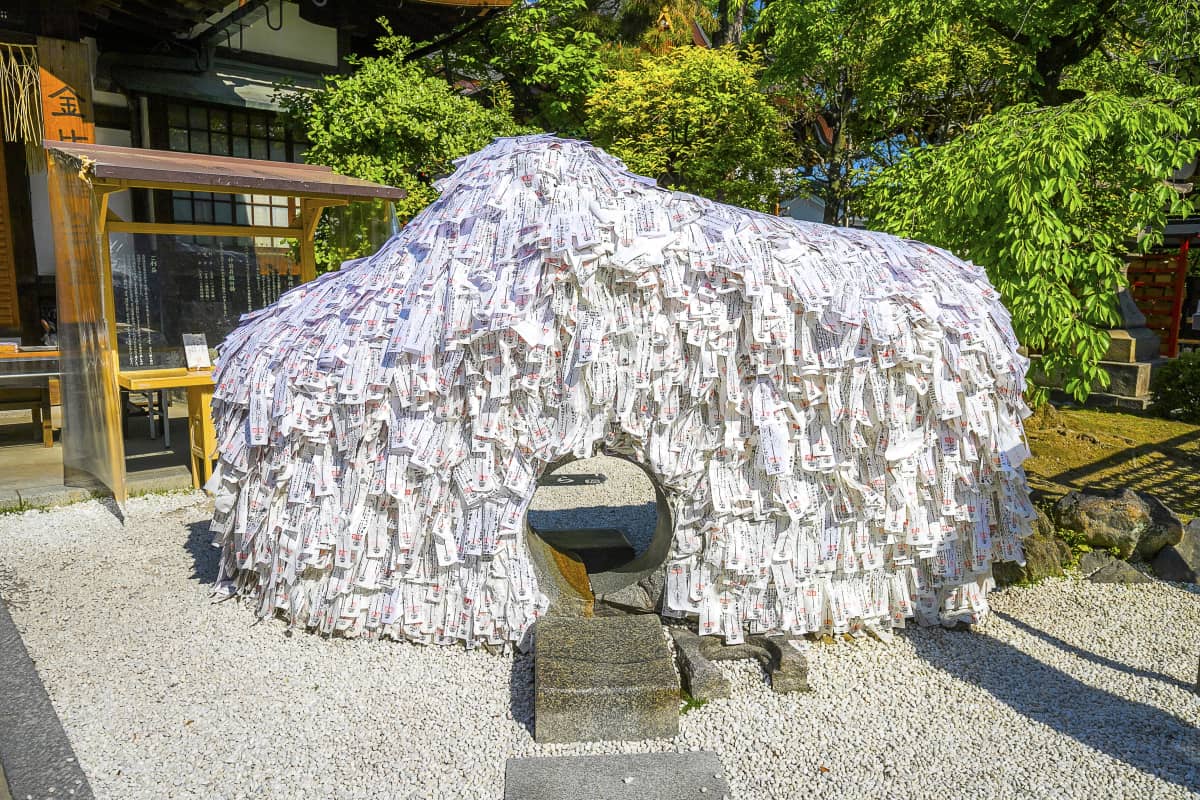
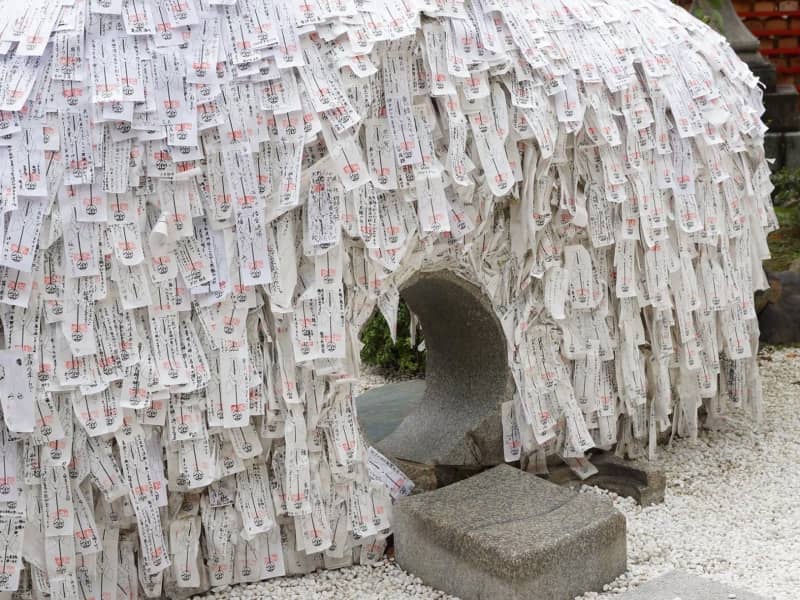
At the heart of Kyoto's spiritual landscape, Yasui Konpiragu Shrine is renowned for its unique Enkiri Enmusubi monument - a large stone with a hole that visitors pass through while making wishes. This sacred stone, covered in countless paper talismans (katashiro), serves as a powerful symbol for both severing negative bonds and forming positive ones.
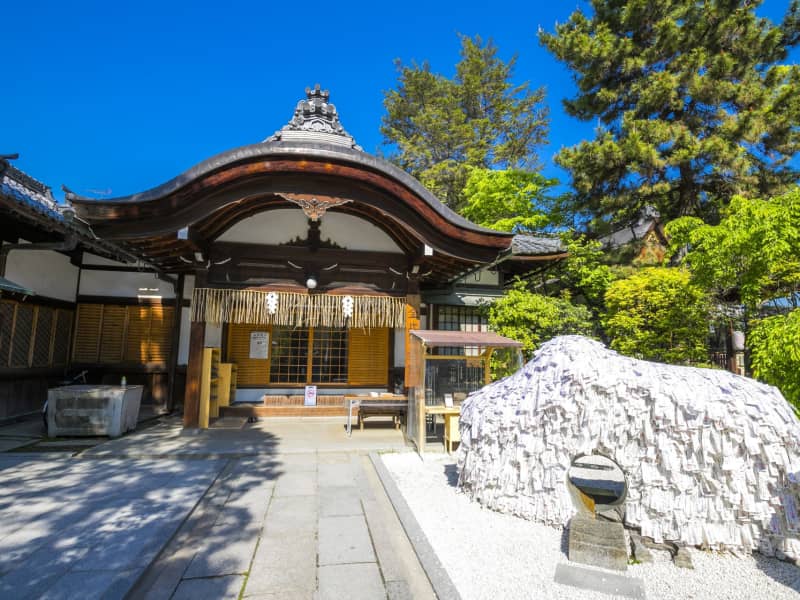
The shrine's connection to Emperor Sutoku adds historical depth to its spiritual significance. As one of Japan's three great vengeful spirits, Sutoku's presence is deeply woven into the shrine's identity, making it a destination for those seeking to transform their relationships and break free from harmful connections.
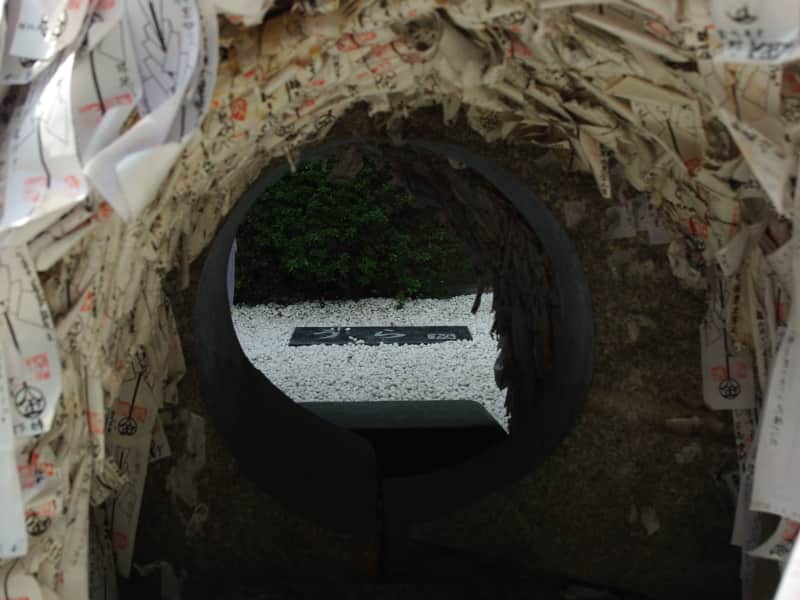
The ritual of passing through the stone is believed to be particularly potent, with visitors writing their wishes on special paper talismans before crawling through. When performing the ritual, visitors write their wish on a katashiro, crawl through the stone front to back to “cut” bad ties and then back to front to “bind” good ones, finally attaching their talisman to the stone amid thousands of others.

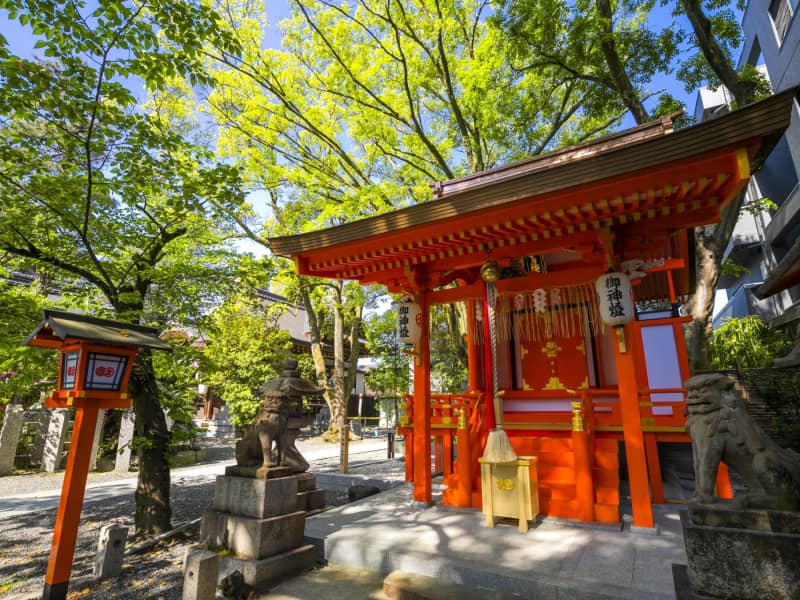
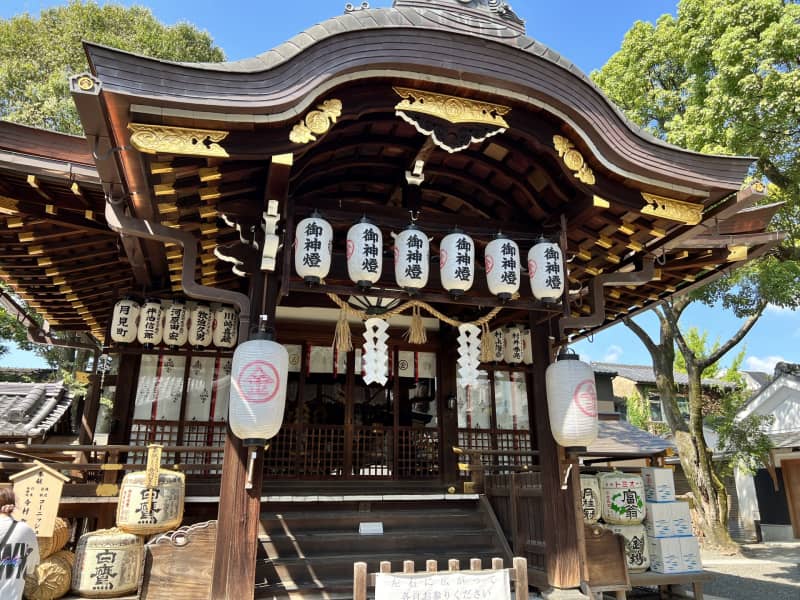
Beyond its famous stone monument, the shrine grounds offer a serene atmosphere with traditional architectural elements and a collection of historic combs in its small museum. Located in Kyoto's Higashiyama district, the shrine maintains its mysterious and powerful atmosphere throughout the day and night, with many visitors reporting significant life changes after performing the stone passage ritual. Proper respect and sincerity are essential when making wishes, as the shrine's powers are believed to respond to the purity of one's intentions.
Before you go
Admission to the shrine grounds is free, but if you want to participate in the ritual, you’ll need to donate around ¥100 (or more) to get a katashiro (paper talisman). Write your wish, crawl through the Enkiri‑Enmusubi stone to break and then form bonds, and attach your talisman to the stone. Crawling means getting close to the ground—dress accordingly, and small children or those with mobility concerns might need help.
The shrine is open 24 hours a day, so you’re welcome anytime for a visit or even the ritual. However, the office where you can get your katashiro or ema runs only from 9:00 am to 5:30 pm, and that includes most public holidays as well.
When to go
Spring and autumn offer the most pleasant temperatures for visiting Yasui Konpiragu Shrine, with autumn featuring stunning foliage around the shrine grounds. Summer can be challenging as the stone monument becomes quite hot during midday hours, making the ritual passage uncomfortable. Early morning visits between 7-9 AM provide the most serene atmosphere for prayer and ritual observations. Weekday mornings consistently see fewer visitors than weekends, allowing for a more intimate spiritual experience. Sundays and Saturdays 1PM - 2PM feel most crowded and lively, though the shrine maintains its spiritual ambiance even during peak hours. The quietest times occur during pre-dawn hours, when the shrine grounds exude a particularly mystical atmosphere.
Average crowd levels throughout the day, based on historical data.
Public review summary
Visitors consistently report powerful emotional experiences at this shrine, with many describing a sense of spiritual renewal and relief after completing the rituals. The shrine effectively balances traditional solemnity with accessibility. Guests praise the peaceful atmosphere and unique stone monument, though some mention crowding during peak hours. Staff interactions receive mixed feedback, from very helpful to occasionally brusque. Early morning visits tend to yield the most serene experiences.
What you'll find here
Location & access
- DirectionsAddress
70 Shimobentencho, Higashiyama Ward, Kyoto, 605-0823, Japan
- How to get there
By Public Transportation: From Kyoto Station, take the city bus (#206, #110, #100 Raku, #86, #202, or #207) to the Higashiyama Yasui stop, and you’re just a minute or two away on foot . Alternatively, it’s about a 10–15 minute walk from either Keihan Gion-Shijo Station or Hankyu Kawaramachi Station.
By Car: There’s paid parking nearby. After parking, it’s a short walk to the shrine entrance.
Common questions
What is the significance of the stone monument at Yasui Konpiragu Shrine?
The stone monument, known as Enkiri Enmusubi Ishi, is the shrine's central feature where visitors pass through a hole to make wishes. It's believed to have the power to sever negative relationships and forge positive ones. The stone is covered with paper talismans containing visitors' written wishes.
How do I properly make a wish at the shrine?
First purify yourself at the chozuya (washing station), then write your wish on a katashiro (paper talisman). Pass through the stone monument from front to back while holding your talisman - enter from the front to cut bad ties, and from the back to forge good ones. Finally, attach your talisman to the stone.
Is the shrine accessible for larger visitors?
According to visitor experiences, most people can comfortably pass through the stone monument's opening. Multiple reviews confirm that even visitors weighing up to 87kg have successfully completed the ritual. However, wearing restrictive clothing like tight skirts is not recommended.
What types of wishes can I make at this shrine?
While the shrine is famous for relationship-related wishes, visitors can pray for severing any negative connections - whether personal relationships, bad habits, or harmful situations. The shrine emphasizes making positive wishes rather than cursing others, as this is believed to be more effective.
What precautions should I take when writing my wish?
Avoid writing real names of others on talismans or taking photos of others' written wishes, as this is discouraged by the shrine. Focus on positive intentions rather than negative ones. In summer, be mindful that the stone can become hot from sun exposure.

Bring this spot to life with a local photographer
Book a vetted local photographer who knows the best light, angles, and timing for this location.