
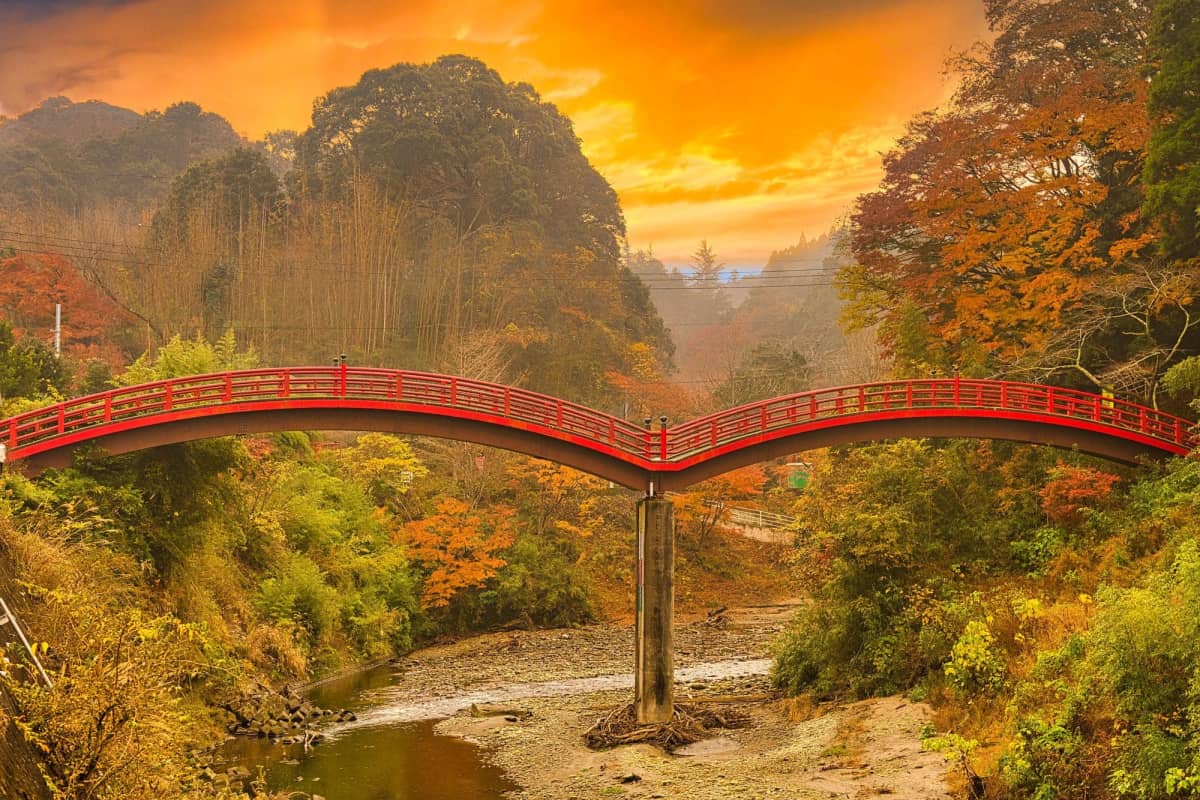
At a glance
Yoro Valley is a scenic gorge in Otaki, Chiba Prefecture, formed by the Yoro River. This natural attraction features walking trails along the river, iconic red bridges, and multiple waterfalls including Awamata Falls. Famous for its late-season autumn foliage, the valley offers hiking paths through forested areas with varying terrain and requires sturdy footwear for safe exploration.
Photographs
Yoro Valley
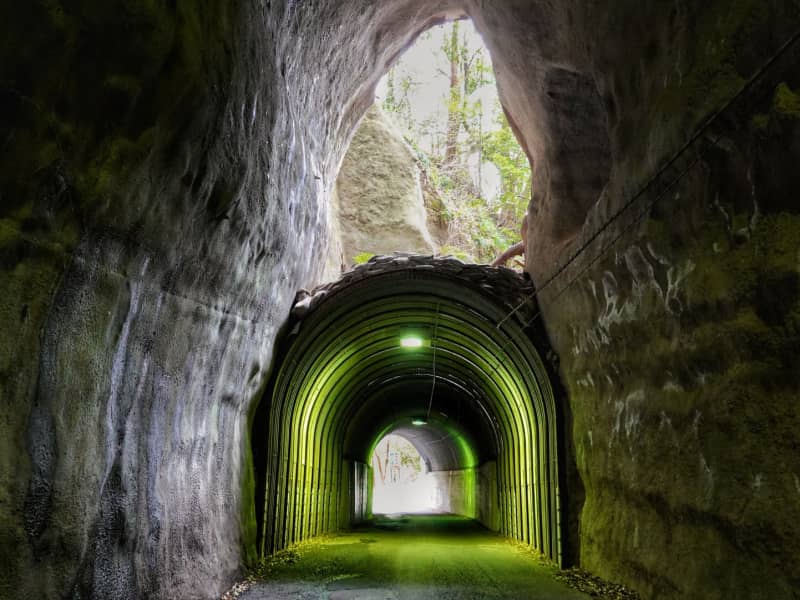
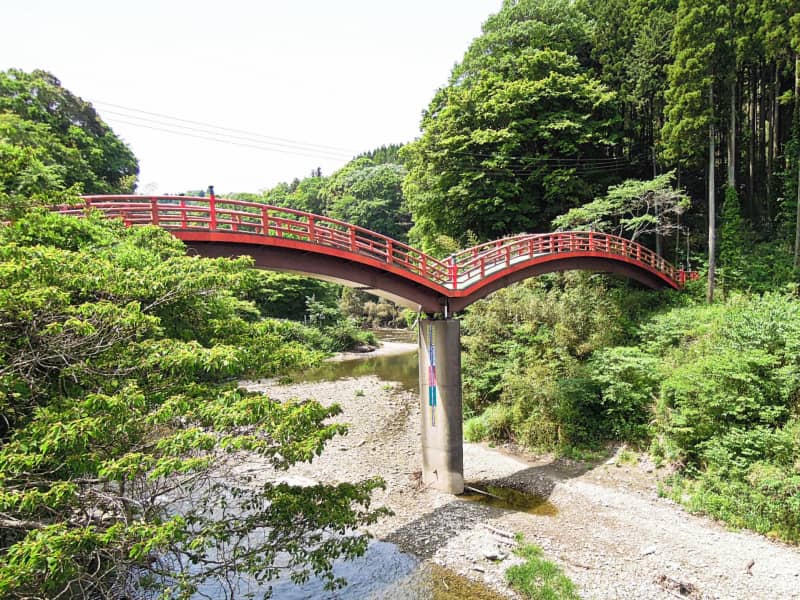
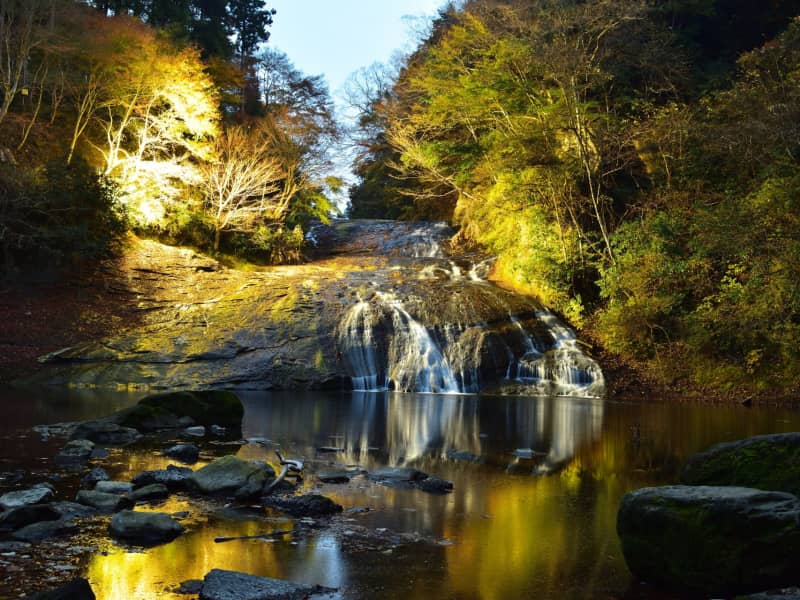
Yoro Valley is a scenic gorge carved by the Yoro River in central Chiba Prefecture, stretching between Otaki Town and Ichihara City. The valley offers a network of riverside walking paths, iconic red bridges, and several waterfalls including the notable Awamata Falls. Visitors can explore multiple hiking trails, including a popular 4-kilometer Waterfall Tour Course, winding through forested areas alongside the river, crossing stepping stones and wooden bridges while experiencing the natural landscape. Other highlights include the unique Two-Story Tunnel, where an older hand-cut tunnel meets a newer passage above, creating one of the valley’s most distinctive and photogenic sights.
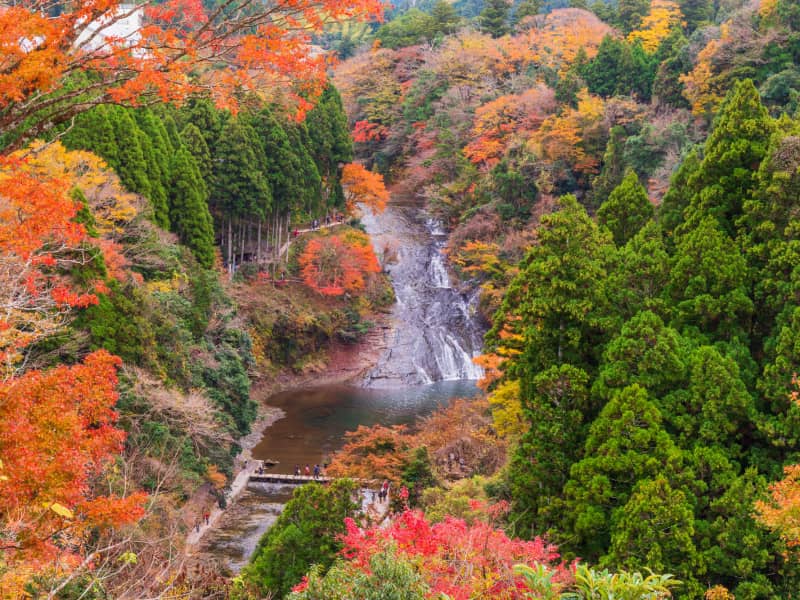
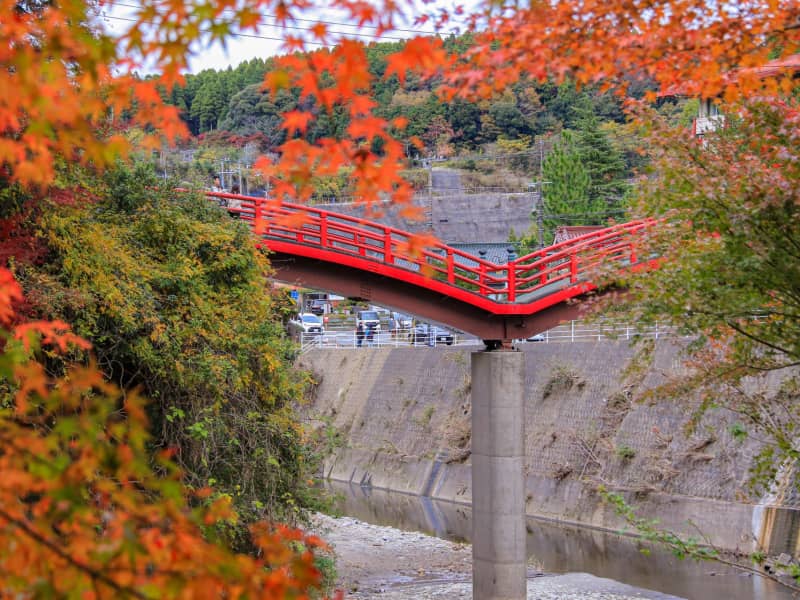
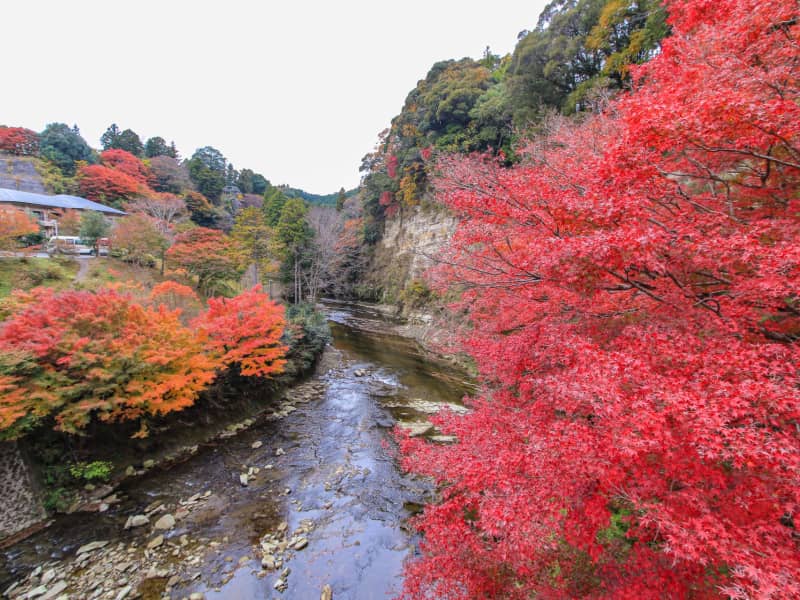
The valley is particularly renowned for its autumn foliage, which typically peaks from late November to early December, making it one of the Kanto region’s latest spots to see seasonal color changes. During the fresh green season in May, the valley transforms with vibrant new leaves creating a lush canopy. The area also features Yoro Keikoku Onsen with its distinctive black water hot springs, providing opportunities for relaxation after hiking. Access is best by car or via the Kominato Railway to Yoro-Keikoku Station, though visitors should note that some trails may be temporarily closed due to landslides or maintenance work, so checking current conditions before visiting is recommended.
Seasonal and event highlights
- Spring: Fresh greenery in May, along with cherry blossoms and azaleas in parts of the valley.
- Summer: Cool riverside walks, waterfalls, and lush forest scenery make it a pleasant escape from the city.
- Autumn: Peak foliage from late November to early December, with vibrant maple colors and one of Kanto’s latest autumn displays.
- Winter: The valley remains open, and small icicles can form along the gorge during colder periods, though some trails may be closed depending on conditions.
- Event: Yoro Valley Autumn Leaves Festival is held during the peak foliage season, featuring seasonal events and local food stalls.
Before you go
Entry to Yoro Valley is free, although some nearby parking areas charge a fee and the Yoro Keikoku Onsen facilities require separate admission. Wear comfortable walking shoes, as riverside trails include uneven paths, steps, rocks, and may become slippery after rain. Public toilets, cafés, restaurants, souvenir shops, vending machines, and tourist information are available around Yoro Keikoku Station and Awamata Falls, with more limited facilities deeper in the valley. Basic English signage is available in major visitor areas. Tripods are generally permitted for personal photography but should not obstruct narrow trails or bridges, especially during the busy autumn foliage season.
Yoro Valley is open year-round and can be visited at any time. Trails remain accessible 24 hours a day, although walking is recommended during daylight. Some hiking routes may be temporarily closed due to landslides, heavy rain, or maintenance, so checking current trail conditions before visiting is recommended.
When to go
Yoro Valley is renowned for its spectacular autumn foliage, peaking in late November to early December, making it one of the Kanto region's latest spots to enjoy colorful leaves. Fresh greenery in May offers equally beautiful scenery with pleasant, cool temperatures ideal for hiking along the valley trails. Early morning visits between 6AM and 9AM provide the most tranquil experience with minimal crowds and beautiful natural light filtering through the trees. Weekday afternoons remain relatively quiet, allowing visitors to appreciate the red bridge and walking paths without the evening rush.
Average crowd levels throughout the day, based on historical data.
Public review summary
Visitors appreciate the natural beauty and peaceful atmosphere, particularly praising the stunning autumn foliage and scenic walking paths along the river. The iconic red bridge is frequently photographed and admired. However, many note limited dining options, insect presence during warmer months, water quality concerns, closed trails due to landslides, and aging infrastructure including abandoned buildings that detract from the experience.
What you'll find here
Location & access
- DirectionsAddress
Otaki, Isumi District, Chiba 298-0267, Japan
- How to get there
By Public Transportation:
Take the JR Sotobo Line or Uchibo Line to Goi Station, then transfer to the Kominato Railway and ride to Yoro-Keikoku Station. From the station, it is around a 30-minute walk or a short local bus or taxi ride to the main gorge and Awamata Falls.
By Car:
Yoro Valley is about 90 minutes to 2 hours from central Tokyo via the Ken-O Expressway and local roads. Paid and free parking lots are available around Yoro Keikoku Station, Awamata Falls, and the main sightseeing areas, although they can fill quickly during the autumn foliage season.
Common questions
What makes Yoro Valley special in Chiba?
Yoro Valley is a scenic natural gorge formed by the Yoro River in Chiba Prefecture. It's known for its dramatic autumn foliage, fresh green leaves in spring, iconic red bridges, waterfalls including Awamata Falls, and onsen hot springs. The valley offers hiking trails through lush forests along the riverbank.
When is the best time to see autumn colors at Yoro Valley?
Yoro Valley is one of the Kanto region's latest autumn foliage spots, typically peaking in late November to early December. The valley showcases beautiful gradations from green to yellow to red. Spring also offers attractive fresh greenery, while the valley is accessible year-round for nature walks.
What should I wear when visiting Yoro Valley?
Water-resistant hiking shoes or sturdy sneakers are essential for Yoro Valley. The riverside paths can be muddy and slippery, especially near stepping stones. Athletic shoes with good grip are recommended. Terrain is uneven with narrow paths requiring careful footing, so avoid regular street shoes.
How much does parking cost at Yoro Valley?
Paid parking near Yoro Valley typically costs between 400-600 yen per day. The parking attendants provide helpful guidance and maps of the hiking routes. Free parking is not readily available in the immediate vicinity of the main attractions and bridges.
Are there hiking trails at Yoro Valley?
Yes, Yoro Valley features several hiking trails including the Waterfall Tour trail of approximately 4 kilometers. You can walk along the riverbank, cross stepping stones, and reach various waterfalls. However, some trails may be closed due to landslides or maintenance, so check current conditions before visiting.

Bring this spot to life with a local photographer
Book a vetted local photographer who knows the best light, angles, and timing for this location.