
Overview
Choosing where to stay in Tokyo can feel overwhelming, especially for first-time visitors. The city is one of the largest metropolitan areas in the world, yet its extensive rail network makes getting around remarkably convenient. Instead of asking which neighborhood is “best,” it’s more useful to think about which area best matches your travel style. Whether you’re looking for lively nightlife, traditional streets, family-friendly attractions, luxury shopping, or a quieter local atmosphere, each district offers a different experience.
This guide compares Tokyo’s most popular neighborhoods, explaining what each area is known for, who it’s best suited to, and the advantages and trade-offs of staying there. By understanding the character of each district, you can choose a base that makes exploring the city more enjoyable and better suited to your itinerary.
The full guide
Shinjuku – Best for First-Time Visitors
Shinjuku is often the easiest recommendation for first-time visitors thanks to its unmatched transport connections, wide range of accommodation, and lively atmosphere from morning until late at night. Shinjuku Station is one of the busiest railway stations in the world, providing convenient access to major sightseeing areas, day trips, and both Narita and Haneda airports. The neighborhood combines department stores, entertainment districts, rooftop viewpoints, and peaceful green spaces like Shinjuku Gyoen National Garden, making it a well-rounded base for most itineraries. While the area can feel busy and overwhelming, especially around the station, its convenience is difficult to beat.

Shibuya – Best for Shopping and Nightlife
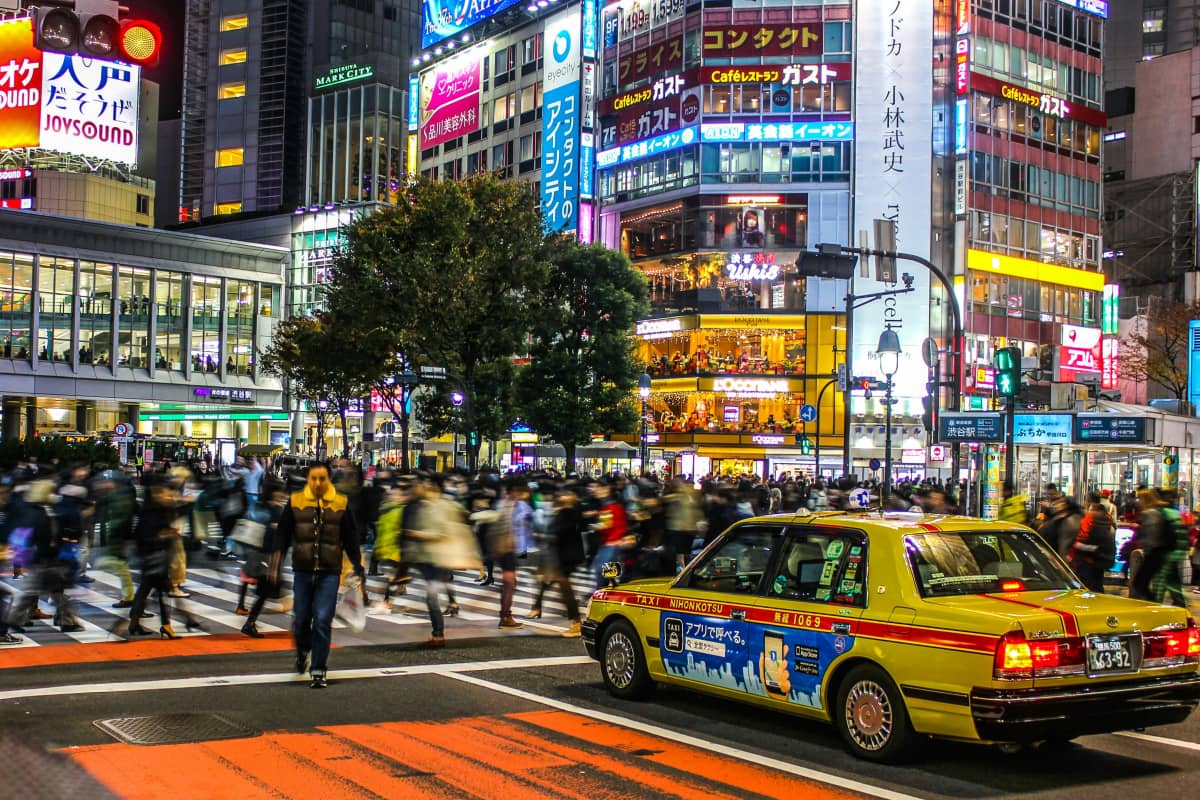
For travelers looking to experience modern Tokyo, Shibuya delivers a vibrant mix of fashion, dining, nightlife, and entertainment. Famous for the Shibuya Scramble Crossing, the district is filled with shopping malls, observation decks such as Shibuya Sky, and countless cafés, bars, and restaurants. It is particularly popular with younger travelers and those who enjoy staying in the heart of the city’s energy. While accommodation can be more expensive and the area remains lively well into the evening, excellent train connections make it easy to explore the rest of Tokyo.

Asakusa – Best for Traditional Tokyo
If experiencing Tokyo’s historic atmosphere is a priority, Asakusa offers a very different side of the city. Home to Senso-ji Temple, traditional shopping streets, and views of the nearby Tokyo Skytree, the neighborhood retains much of its old-town character. The slower pace, abundance of Japanese-style inns, and relatively affordable accommodation make it popular with couples, families, and visitors seeking a more cultural experience. Although reaching western Tokyo takes slightly longer than from Shinjuku or Shibuya, the excellent subway connections still make sightseeing straightforward.

Ueno – Best for Value and Families
Ueno strikes an excellent balance between convenience, affordability, and culture. The neighborhood is known for Ueno Park, which contains several of Japan’s leading museums, a zoo, and seasonal cherry blossoms. Nearby Ameyoko Shopping Street offers casual dining and lively market stalls, while direct access to the Keisei Skyliner makes airport transfers to Narita particularly convenient. Hotels are often better value than those in central entertainment districts, making Ueno an excellent choice for families, longer stays, and budget-conscious travelers.

Ginza – Best for Luxury and Fine Dining
Travelers seeking an upscale experience will find Ginza to be one of Tokyo’s most refined districts. Elegant department stores, luxury boutiques, Michelin-starred restaurants, and stylish hotels define the area, while its central location provides easy access to Tokyo Station, the Imperial Palace, and nearby Marunouchi. Ginza is noticeably quieter after shopping hours compared to Shinjuku or Shibuya, making it well suited to visitors who prefer a sophisticated atmosphere over late-night entertainment.

Tokyo Station & Marunouchi – Best for Convenience
Staying around Tokyo Station is ideal for travelers planning multiple day trips or continuing their journey by Shinkansen. The area offers excellent transport links, high-quality hotels, and direct connections throughout Japan. Marunouchi’s wide streets, business district, and proximity to the Imperial Palace create a calm and polished environment that appeals to business travelers and visitors with shorter stays. While nightlife is more limited than in other parts of the city, few locations are as practical for transportation.

Akihabara – Best for Anime and Gaming
Known worldwide for anime, manga, gaming, and electronics, Akihabara is a dream destination for enthusiasts of Japanese pop culture. Specialty shops, themed cafés, arcades, and collectible stores fill the streets, making it easy to spend an entire day exploring. Surprisingly, the neighborhood becomes relatively quiet once the shops close, creating a more relaxed atmosphere at night than many first-time visitors expect. Its central location also makes it easy to reach Ueno, Asakusa, and Tokyo Station.

Kichijoji – Best for a Relaxed Local Atmosphere
For travelers returning to Tokyo or those who prefer staying away from the busiest tourist districts, Kichijoji offers a welcoming local atmosphere with independent cafés, boutique shopping streets, and excellent restaurants. The neighborhood borders Inokashira Park and the Ghibli Museum (reservation required), making it especially appealing to families and couples. Although it takes around 20 minutes by train to reach central Tokyo, many visitors appreciate its quieter pace and residential character.

Shimokitazawa – Best for Cafés and Vintage Shopping
Creative and laid-back, Shimokitazawa has become one of Tokyo’s most distinctive neighborhoods. Narrow streets are lined with independent cafés, live music venues, second-hand clothing stores, and small restaurants that create a more local feel than Tokyo’s larger commercial centres. It is particularly popular with younger travellers, creatives, and anyone looking to experience a different side of the city beyond major sightseeing attractions. Accommodation options are more limited, but the neighbourhood offers a memorable stay for those seeking atmosphere over convenience.

Nakameguro & Ebisu – Best for Food Lovers
Neighbouring Nakameguro and Ebisu combine excellent restaurants, stylish cafés, boutique shopping, and a relaxed atmosphere. Nakameguro is especially famous for the Meguro River, which attracts large crowds during cherry blossom season, while Ebisu is known for its vibrant dining scene and easy access to Shibuya. These areas suit couples, repeat visitors, and travellers who want to experience everyday Tokyo without sacrificing convenience.

Which Area Is Right for You?
If you’re visiting Tokyo for the first time, Shinjuku offers the best all-round balance of transport, sightseeing, and entertainment. Shibuya is ideal for modern city life and nightlife, while Asakusa provides a more traditional setting. Families and budget-conscious travellers will appreciate Ueno, luxury travellers may prefer Ginza, and those seeking a quieter, more local experience should consider Kichijoji, Shimokitazawa, or Nakameguro. Choosing a neighbourhood that matches your travel style will make your time in Tokyo more enjoyable and help you spend less time commuting between attractions.
Final thoughts
No single neighborhood is the perfect choice for every traveler. Shinjuku offers excellent transport connections and entertainment, Asakusa provides a glimpse into Tokyo’s historic side, Shibuya is ideal for modern city life, while Ueno, Ginza, and other districts each have their own unique appeal. The best place to stay ultimately depends on what you want to experience during your time in Tokyo.
Once you’ve chosen your neighborhood, take time to explore beyond the major attractions. Every district has its own cafés, parks, shopping streets, and local landmarks waiting to be discovered. Selecting the right base can help you spend less time commuting and more time enjoying everything Tokyo has to offer.