Scenic ViewpointsUrban HighlightsRural ExperiencesNature/Parks

Where to See Japan’s Seasonal Flowers Near Tokyo Throughout the Year

Discover blooms across every season near Tokyo

L
LensTokyo
Kanto
Where to See Japan’s Seasonal Flowers Near Tokyo Throughout the Year

Japan’s changing seasons are reflected not only in its landscapes, but also in the extraordinary variety of flowers that bloom throughout the year. While cherry blossoms remain the country’s most internationally recognized seasonal spectacle, visitors can experience an ever-changing calendar of floral displays, from spring wisteria and summer sunflowers to autumn roses and winter camellias. Many of these destinations can be reached as day trips from Tokyo, making them accessible additions to any itinerary.


This guide brings together 15 of the most beautiful seasonal flower destinations near Tokyo, including expansive flower parks, historic Japanese gardens, botanical collections, and scenic landscapes framed by Mount Fuji. Whether seeking vast fields of colorful blooms or peaceful garden strolls, these locations offer an opportunity to experience Japan’s deep appreciation for the changing seasons through its diverse floral traditions.

Toneri Park
1
Kanto, Tokyo
Free Entry
7.8

Toneri Park

舎人公園

A surprisingly vast green retreat in northern Tokyo

Location Page

Toneri Park is one of Tokyo’s largest metropolitan parks, offering an expansive green retreat in the northern part of the city. Covering more than 65 hectares, the park combines recreational facilities with seasonal natural scenery, making it a popular destination for families, photographers, and outdoor enthusiasts. Wide walking paths circle the central pond, while spacious lawns, sports facilities, and wooded areas provide a diverse landscape that feels far removed from central Tokyo’s urban environment.


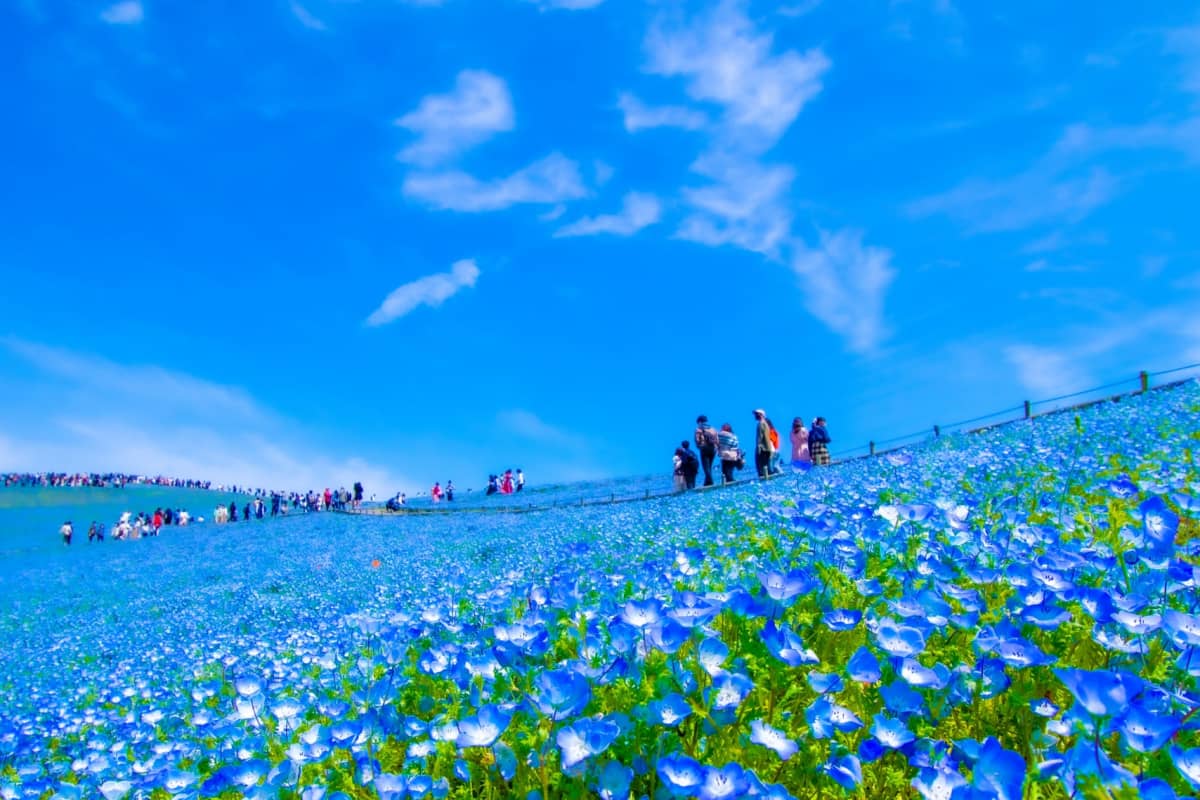
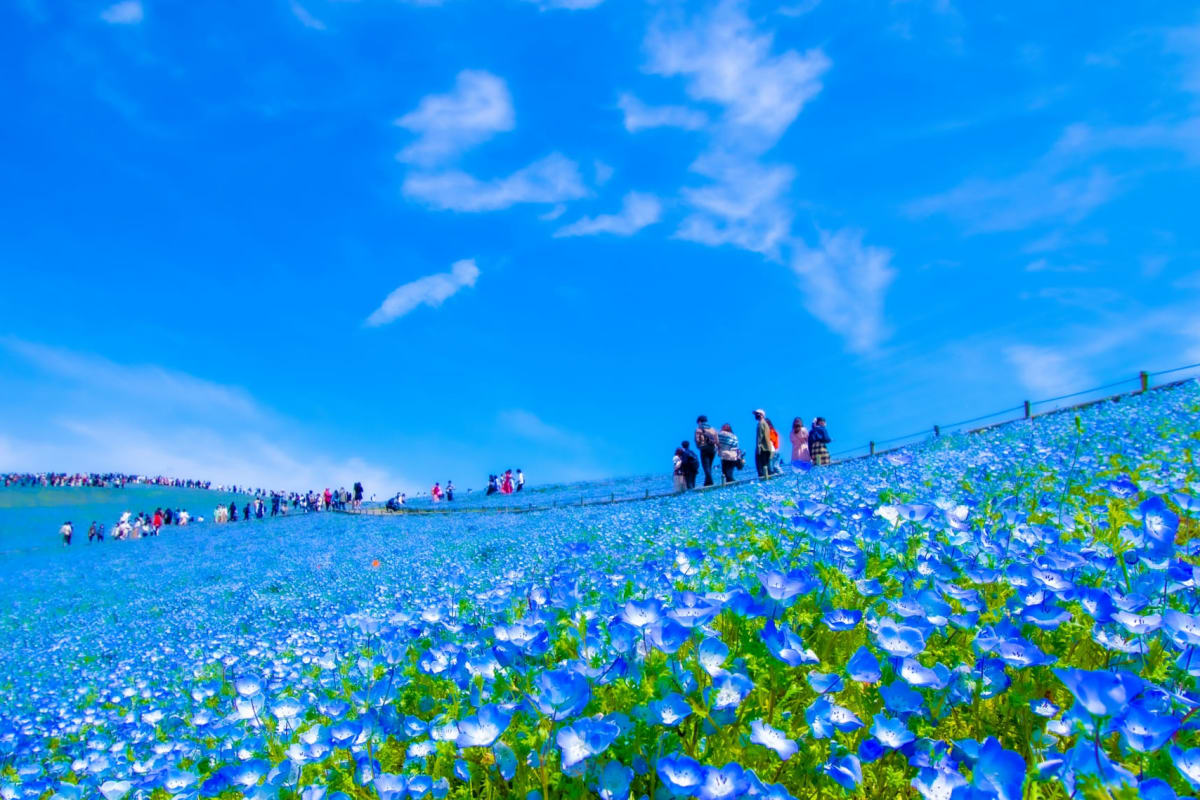
The park is particularly known for its seasonal flower displays, most notably the vibrant nemophila fields that bloom in spring alongside cherry blossoms and late-flowering yaezakura trees. Throughout the year, visitors can enjoy changing scenery, from fresh spring greenery to colorful autumn foliage. Toneri Park also features extensive recreational amenities, including baseball fields, tennis courts, barbecue areas, playgrounds, and one of Tokyo’s larger dog run facilities. The park’s broad lawns and open spaces make it an ideal location for picnics, leisurely walks, and outdoor activities, while its accessible pathways and family-friendly atmosphere have established it as one of Tokyo’s most versatile urban parks.

Comprehensive rating for Toneri Park

Our lens score combines visitor ratings, review volume, photo evidence, and expert assessments across 8 key categories.


Experiential
54%
Heritage Value
56%
Learning
54%
Design/Arch.
56%
Nature/Outdoor
72%
Photogenic
60%
Budget Friendly
75%
Crowd Free
56%
Hitsujiyama Park
2
Kanto, Saitama
Free Entry
7.7

Hitsujiyama Park

羊山公園

A vibrant springtime tapestry on a hillside

Location Page

Chichibu Hitsujiyama Park is one of the Kanto region’s most celebrated spring destinations, renowned for its spectacular moss phlox fields that blanket the hillsides in vibrant shades of pink, purple, white, and red. Located in Chichibu City in Saitama Prefecture, the park offers sweeping views of Mount Buko, creating one of Japan’s most iconic spring landscapes. Originally developed through community efforts, the flower fields have grown to include more than 400,000 shibazakura plants representing numerous varieties, attracting visitors from across the country each year.


The park reaches its peak beauty from mid-April to early May, when the rolling hills transform into a colorful floral tapestry. Beyond the famous flower fields, visitors can explore walking paths through wooded areas, enjoy panoramic viewpoints, and visit the nearby sheep pasture, from which the park derives its name. Seasonal food stalls and local events often accompany the blooming period, adding to the festive atmosphere. Outside spring, Hitsujiyama Park remains a pleasant recreational area with open lawns and hiking trails, but it is the breathtaking shibazakura display against the mountainous backdrop that has established it as one of the most memorable seasonal flower destinations within easy reach of Tokyo.

Comprehensive rating for Hitsujiyama Park

Our lens score combines visitor ratings, review volume, photo evidence, and expert assessments across 8 key categories.


Experiential
65%
Heritage Value
55%
Learning
52%
Design/Arch.
45%
Nature/Outdoor
80%
Photogenic
78%
Budget Friendly
64%
Crowd Free
45%
Kameido Tenjin Shrine
3
Kanto, Tokyo
Free Entry
7.9

Kameido Tenjin Shrine

亀戸天神社

Wisteria-draped bridges and quiet seasonal charm

Location Page

Kameido Tenjin Shrine is one of Tokyo’s most celebrated seasonal shrines, best known for its spectacular wisteria displays that transform the grounds each spring. Founded in the 17th century and dedicated to Sugawara no Michizane, the deity of learning and scholarship, the shrine was designed in the style of the famous Dazaifu Tenmangu Shrine in Kyushu. Its tranquil grounds feature ponds, vermilion bridges, stone lanterns, and traditional shrine architecture, creating a picturesque setting that has inspired artists and visitors for centuries.


The shrine reaches its peak popularity during the annual Kameido Tenjin Wisteria Festival, when cascading purple flowers bloom from extensive trellises surrounding the central pond. The combination of flowering wisteria, reflective water, and the iconic drum bridge [Taikobashi, 太鼓橋] creates one of Tokyo’s most recognizable spring landscapes. Beyond wisteria season, visitors can enjoy plum blossoms in late winter, hydrangeas in early summer, and seasonal festivals throughout the year. Despite its urban surroundings, Kameido Tenjin Shrine offers a peaceful atmosphere and remains an important cultural and spiritual landmark, with the Tokyo Skytree often visible in the background, creating a unique blend of traditional and modern Tokyo scenery.

Comprehensive rating for Kameido Tenjin Shrine

Our lens score combines visitor ratings, review volume, photo evidence, and expert assessments across 8 key categories.


Experiential
58%
Heritage Value
75%
Learning
60%
Design/Arch.
55%
Nature/Outdoor
62%
Photogenic
68%
Budget Friendly
75%
Crowd Free
45%
Hamarikyu Gardens
4
Kanto, Tokyo
Free Entry
8.0

Hamarikyu Gardens

浜離宮恩賜庭園

A tidal pond oasis amid Tokyo skyscrapers

Location Page

Hamarikyu Gardens offers a rare glimpse into the landscape aesthetics of the Edo period while standing amid Tokyo’s modern skyline. Originally developed as a feudal lord’s residence and duck hunting grounds during the 17th century, the garden today spans approximately 250,000 square meters, combining traditional Japanese garden design with striking views of surrounding skyscrapers. Its distinctive tidal ponds, fed directly by Tokyo Bay, create ever-changing scenery influenced by the ocean’s ebb and flow, making Hamarikyu one of the few remaining tidal gardens in Japan.


Throughout the year, the gardens transform with seasonal displays that attract both locals and visitors. Spring brings vibrant fields of rapeseed flowers and peonies, while summer showcases lush greenery and lotus blooms. Autumn introduces warm foliage colors reflected in the ponds, creating particularly scenic walking routes. At the center of the gardens stands the historic Nakajima-no-Ochaya teahouse, where visitors can enjoy traditional matcha tea and Japanese sweets while overlooking the tranquil waters. Walking paths wind past carefully pruned pine trees, small bridges, and scenic viewpoints, offering a peaceful retreat that beautifully illustrates the harmony between Japan’s cultural heritage and contemporary urban landscape.

Comprehensive rating for Hamarikyu Gardens

Our lens score combines visitor ratings, review volume, photo evidence, and expert assessments across 8 key categories.


Experiential
55%
Heritage Value
75%
Learning
40%
Design/Arch.
55%
Nature/Outdoor
80%
Photogenic
70%
Budget Friendly
75%
Crowd Free
50%
Yamanakako Hana no Miyako Park
5
Kanto, Yamanashi
Free Entry
7.5

Yamanakako Hana no Miyako Park

花の都公園

Flowers, fresh air, and Fuji in perfect harmony

Location Page

Yamanakako Hana no Miyako Park is one of the most scenic flower destinations near Tokyo, offering expansive seasonal flower fields set against the iconic backdrop of Mount Fuji. Located near Lake Yamanaka in Yamanashi Prefecture, the park transforms throughout the year with rotating displays of tulips, poppies, nemophila, sunflowers, zinnias, and cosmos. The combination of colorful blooms, open skies, and unobstructed views of Japan’s highest mountain creates some of the region’s most memorable seasonal landscapes.


The park consists of extensive free outdoor flower fields and a paid area known as Seiryu-no-Sato, which features a large greenhouse, artificial waterfall, water features, and fascinating lava tree molds formed by ancient volcanic activity. Visitors can stroll along wheelchair-accessible pathways, relax in picnic areas, and enjoy spacious lawns and playground facilities suitable for families. Seasonal flower displays change dramatically throughout the year, with spring tulips and summer sunflowers giving way to vibrant autumn cosmos fields. Thanks to its spectacular scenery and variety of attractions, Yamanakako Hana no Miyako Park remains one of the best places to experience flowers and Mount Fuji together within easy reach of Tokyo.

Comprehensive rating for Yamanakako Hana no Miyako Park

Our lens score combines visitor ratings, review volume, photo evidence, and expert assessments across 8 key categories.


Experiential
56%
Heritage Value
50%
Learning
54%
Design/Arch.
58%
Nature/Outdoor
72%
Photogenic
66%
Budget Friendly
70%
Crowd Free
58%
Hibiya Park
6
Kanto, Tokyo
Free Entry
7.8

Hibiya Park

日比谷公園

Historic gardens beneath the city’s skyline

Location Page

Hibiya Park holds a special place in Tokyo’s history as the city’s first Western-style public park, opened in 1903 on the former estates of feudal lords. Located in Chiyoda City near the Imperial Palace and Marunouchi business district, the park blends European-inspired landscaping with traditional Japanese garden elements, creating a distinctive urban oasis surrounded by skyscrapers. Its broad lawns, tree-lined avenues, ornamental fountains, and tranquil ponds have long made it a popular retreat for office workers, tourists, and local residents seeking a peaceful escape in central Tokyo.


The park offers seasonal flower displays throughout the year, with cherry blossoms in spring, colorful rose gardens, lilies, and seasonal flower beds providing changing scenery across the grounds. Visitors can stroll around Kumogata Pond [Kumogata Ike, 雲形池], admire the iconic Grand Fountain, or relax beneath mature trees that provide shade during the warmer months. Hibiya Park also serves as an important cultural venue, hosting concerts, festivals, and seasonal events at its historic open-air concert hall. Combining historical significance, seasonal beauty, and a central location, Hibiya Park remains one of Tokyo’s most beloved and accessible public spaces.

Comprehensive rating for Hibiya Park

Our lens score combines visitor ratings, review volume, photo evidence, and expert assessments across 8 key categories.


Experiential
54%
Heritage Value
68%
Learning
52%
Design/Arch.
62%
Nature/Outdoor
70%
Photogenic
62%
Budget Friendly
75%
Crowd Free
54%
Hitachi Seaside Park
7
Kanto, Ibaraki
Free Entry
8.0

Hitachi Seaside Park

国営ひたち海浜公園

A sea of flowers beneath endless skies

Location Page

Hitachi Seaside Park is one of Japan’s most spectacular seasonal flower destinations, spanning over 350 hectares along the Pacific coast of Ibaraki Prefecture. The park is internationally renowned for its breathtaking displays of nemophila flowers that blanket Miharashi Hill in a sea of blue each spring, creating one of the country’s most iconic floral landscapes. Equally impressive are the vibrant red and crimson kochia fields that transform the same hillside during autumn, attracting photographers and visitors from around the world.


Beyond its famous flower displays, the park offers a diverse range of outdoor experiences throughout the year. Extensive cycling paths, walking trails, forests, grasslands, and seasonal gardens allow visitors to explore the expansive grounds at their own pace. Families can enjoy attractions within the Pleasure Garden, which features amusement rides, a Ferris wheel, playgrounds, and recreational facilities. The park also provides picnic areas, barbecue facilities, and dog-friendly spaces, making it suitable for visitors of all ages. With seasonal blooms including tulips, narcissus, roses, and cosmos complementing its headline attractions, Hitachi Seaside Park remains one of the finest places near Tokyo to experience Japan’s changing seasons on a grand scale.

Comprehensive rating for Hitachi Seaside Park

Our lens score combines visitor ratings, review volume, photo evidence, and expert assessments across 8 key categories.


Experiential
65%
Heritage Value
52%
Learning
54%
Design/Arch.
54%
Nature/Outdoor
75%
Photogenic
82%
Budget Friendly
66%
Crowd Free
48%
Ueno Park
8
Kanto, Tokyo
Free Entry
8.0

Ueno Park

上野恩賜公園

Seasonal beauty surrounding centuries of history

Location Page

Ueno Park is one of Tokyo’s oldest and most culturally significant public parks, combining expansive green spaces with some of Japan’s most important museums, temples, and recreational facilities. Established in 1873, the park occupies a large plateau in Taito City and serves as both a cultural center and a popular gathering place for locals and visitors alike. Its diverse attractions include the renowned Tokyo National Museum, the historic Ueno Zoo, and the picturesque Shinobazu Pond, creating a unique blend of nature, history, and urban life.


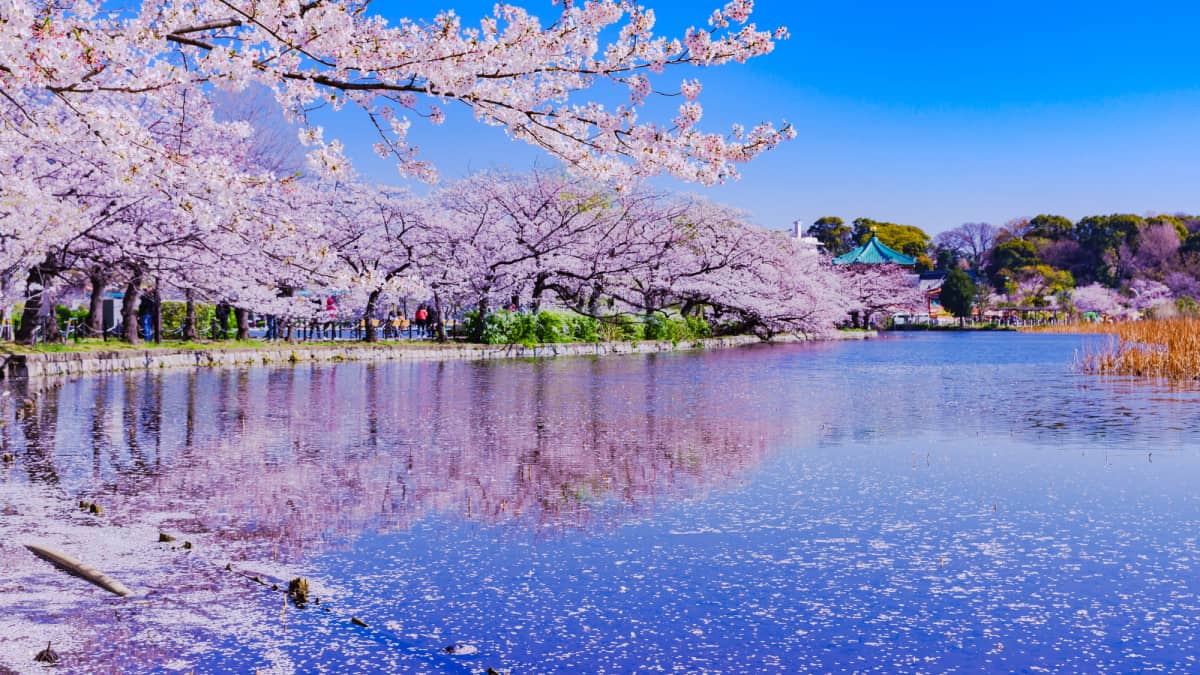
The park is especially famous for its seasonal scenery, attracting millions of visitors during cherry blossom season when hundreds of sakura trees transform the main pathways into one of Tokyo’s most celebrated hanami destinations. Throughout the year, visitors can enjoy lotus flowers covering Shinobazu Pond in summer, colorful autumn foliage, and seasonal gardens around the park’s temples and shrines. Recreational facilities, walking paths, playgrounds, and boat rentals offer activities for visitors of all ages, while landmarks such as Ueno Toshogu Shrine provide glimpses into Japan’s cultural heritage. With its combination of museums, wildlife, historic sites, and natural beauty, Ueno Park remains one of Tokyo’s most iconic and versatile urban destinations.

Comprehensive rating for Ueno Park

Our lens score combines visitor ratings, review volume, photo evidence, and expert assessments across 8 key categories.


Experiential
55%
Heritage Value
72%
Learning
50%
Design/Arch.
60%
Nature/Outdoor
70%
Photogenic
58%
Budget Friendly
75%
Crowd Free
48%
Yokohama English Garden
9
Kanto, Kanagawa
Free Entry
7.8

Yokohama English Garden

横浜イングリッシュガーデン

A fragrant escape of roses and seasonal blooms

Location Page

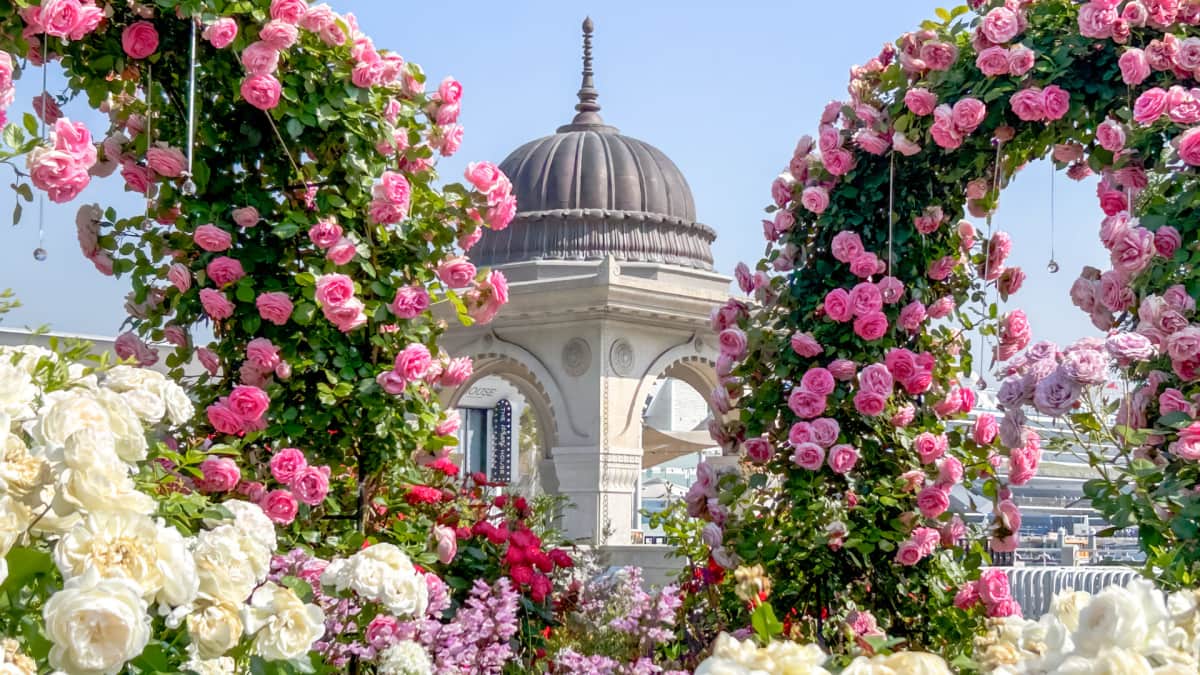
Yokohama English Garden is one of the Kanto region’s premier rose gardens, showcasing a beautifully designed English-style landscape with more than 1,000 varieties of roses. Located near central Yokohama, the garden features a series of themed spaces connected by winding pathways, rose arches, and densely planted borders that evoke the atmosphere of traditional British gardens. Despite its relatively compact size, the thoughtful layout creates an immersive experience where visitors can discover new floral displays around every corner.


The garden is particularly famous for its spectacular rose seasons in spring and autumn, when thousands of blooms create vibrant displays of color and fragrance. Seasonal highlights continue throughout the year, with hydrangeas in early summer, seasonal perennials, and carefully curated plant combinations ensuring that the landscape changes continuously. Visitors can stroll through picturesque garden rooms, photograph floral tunnels and archways, and relax at the on-site café overlooking the grounds. With wheelchair-accessible pathways, a garden shop, and convenient access from Yokohama Station, Yokohama English Garden offers a refined and accessible experience for flower enthusiasts, photographers, and visitors seeking a peaceful escape from the city.

Comprehensive rating for Yokohama English Garden

Our lens score combines visitor ratings, review volume, photo evidence, and expert assessments across 8 key categories.


Experiential
60%
Heritage Value
55%
Learning
58%
Design/Arch.
65%
Nature/Outdoor
68%
Photogenic
64%
Budget Friendly
58%
Crowd Free
54%
Ashikaga Flower Park
10
Kanto, Tochigi
Free Entry
7.6

Ashikaga Flower Park

あしかがフラワーパーク

A dreamlike canopy of flowering vines

Location Page

Ashikaga Flower Park is one of Japan’s most celebrated floral destinations, renowned worldwide for its extraordinary wisteria displays. Located in Tochigi Prefecture, the park features eight seasonal flower themes that transform the landscape throughout the year, offering visitors a constantly changing experience. Its most famous attraction is the legendary Great Wisteria Tree, estimated to be over 150 years old, whose sprawling canopy creates a breathtaking curtain of purple blossoms during spring. The park also features white wisteria tunnels, yellow kibana wisteria, roses, hydrangeas, and seasonal flowers that ensure year-round appeal.


The annual Great Wisteria Festival attracts visitors from around the world between mid-April and May, when the illuminated flower displays create a magical atmosphere after sunset. Beyond spring, visitors can enjoy colorful roses in early summer, vibrant autumn foliage, and one of Japan’s most acclaimed winter illumination events. The park’s thoughtfully designed pathways, wheelchair-accessible facilities, and scenic rest areas make it suitable for visitors of all ages. With its combination of spectacular seasonal scenery, photography opportunities, and immersive floral landscapes, Ashikaga Flower Park remains one of the finest flower destinations within easy reach of Tokyo.

Comprehensive rating for Ashikaga Flower Park

Our lens score combines visitor ratings, review volume, photo evidence, and expert assessments across 8 key categories.


Experiential
65%
Heritage Value
46%
Learning
52%
Design/Arch.
48%
Nature/Outdoor
75%
Photogenic
75%
Budget Friendly
54%
Crowd Free
42%
Showa Kinen Park
11
Kanto, Tokyo
Free Entry
7.9

Showa Kinen Park

国営昭和記念公園

Golden trees and endless cycling paths

Location Page

Showa Kinen Park is one of Tokyo’s largest and most versatile green spaces, spanning approximately 180 hectares across Tachikawa and Akishima. Created as a national memorial park, it offers a wide mix of landscapes, from open lawns and wooded trails to ponds, flower gardens, playgrounds, and a refined Japanese garden [Nihon Teien, 日本庭園]. Its broad paths and spacious layout make it especially popular with families, cyclists, and visitors looking for a full-day escape from central Tokyo.


The park is highly regarded for its seasonal flower displays, beginning with cherry blossoms, tulips, and poppies in spring, followed by sunflowers and lush greenery in summer. Autumn brings colorful cosmos fields and the park’s famous ginkgo avenues, where rows of golden trees create one of western Tokyo’s most recognizable seasonal scenes. Visitors can rent bicycles, enjoy picnics on the lawns, explore children’s play areas, or stroll through quiet garden sections at a relaxed pace. With its scale, accessibility, and year-round variety, Showa Kinen Park is one of Tokyo’s best destinations for experiencing nature, flowers, and outdoor recreation in a single visit.

Comprehensive rating for Showa Kinen Park

Our lens score combines visitor ratings, review volume, photo evidence, and expert assessments across 8 key categories.


Experiential
64%
Heritage Value
62%
Learning
60%
Design/Arch.
62%
Nature/Outdoor
75%
Photogenic
60%
Budget Friendly
68%
Crowd Free
58%
Rikugien Gardens
12
Kanto, Tokyo
Free Entry
8.1

Rikugien Gardens

六義園

A serene stroll through poetic Edo‑era garden

Location Page

Rikugien Gardens is widely regarded as one of Tokyo’s finest examples of a traditional Edo-period strolling garden. Created in the late 17th century for a feudal lord of the Tokugawa shogunate, the garden was designed to evoke scenes from classical Japanese poetry through carefully arranged landscapes, winding paths, and scenic viewpoints. Centered around a large pond surrounded by artificial hills, forests, and stone bridges, Rikugien invites visitors to explore its tranquil grounds at a leisurely pace while discovering new perspectives at every turn.


The garden is celebrated for its seasonal beauty throughout the year. Spring attracts visitors with its iconic weeping cherry tree and fresh greenery, while summer brings lush foliage and serene waterside scenery. Autumn transforms Rikugien into one of Tokyo’s most spectacular destinations for autumn foliage, with brilliant shades of red and gold illuminated during special evening events. Traditional teahouses, including the picturesque Fukiage Chaya, provide peaceful resting spots where visitors can enjoy matcha while overlooking the landscape. Despite being located in the heart of Tokyo, Rikugien preserves the atmosphere of a historic retreat, offering an immersive experience of classical Japanese garden design and seasonal appreciation.

Comprehensive rating for Rikugien Gardens

Our lens score combines visitor ratings, review volume, photo evidence, and expert assessments across 8 key categories.


Experiential
68%
Heritage Value
65%
Learning
52%
Design/Arch.
58%
Nature/Outdoor
74%
Photogenic
68%
Budget Friendly
68%
Crowd Free
50%
Shinjuku Gyoen National Garden
13
Kanto, Tokyo
Free Entry
8.2

Shinjuku Gyoen National Garden

新宿御苑

Three worlds of gardens in one place

Location Page

Shinjuku Gyoen National Garden is one of Tokyo’s most celebrated urban parks, combining Japanese, French, and English garden styles within a beautifully maintained landscape spanning nearly 60 hectares. Originally established as a feudal lord’s residence before becoming an imperial garden, the park today offers a remarkable diversity of scenery, from traditional Japanese pond gardens and forested walking paths to expansive English lawns and formal French flower gardens. Surrounded by the skyscrapers of Shinjuku, it provides a rare sense of tranquility in the heart of one of the world’s busiest cities.


The garden is renowned for its seasonal beauty, attracting visitors throughout the year with plum blossoms, one of Tokyo’s finest cherry blossom displays, lush summer greenery, and vibrant autumn foliage. The large greenhouse showcases tropical and subtropical plants, orchids, and seasonal exhibitions, adding year-round interest regardless of the weather. Unlike many city parks, Shinjuku Gyoen maintains a peaceful atmosphere through its controlled entry system and restrictions on alcohol consumption, making it an ideal destination for leisurely walks, photography, and quiet reflection. Its combination of historical significance, landscape diversity, and seasonal scenery has established it as one of Tokyo’s most beloved green spaces.

Comprehensive rating for Shinjuku Gyoen National Garden

Our lens score combines visitor ratings, review volume, photo evidence, and expert assessments across 8 key categories.


Experiential
58%
Heritage Value
70%
Learning
55%
Design/Arch.
66%
Nature/Outdoor
72%
Photogenic
64%
Budget Friendly
70%
Crowd Free
56%
Koishikawa Korakuen
14
Kanto, Tokyo
Free Entry
8.0

Koishikawa Korakuen

小石川後楽園

A quiet Edo-era garden beside the city

Location Page

Koishikawa Korakuen is one of Tokyo’s oldest and most historically significant Japanese gardens, established in the early 17th century by the Tokugawa clan. Located in Bunkyo City beside Tokyo Dome, this traditional strolling garden [Kaiyū-shiki Teien, 回遊式庭園] offers a striking contrast between centuries-old landscape design and the surrounding urban environment. The garden was carefully designed to recreate famous scenic locations from Japan and China, incorporating winding paths, tranquil ponds, stone bridges, miniature hills, and elegant viewpoints.


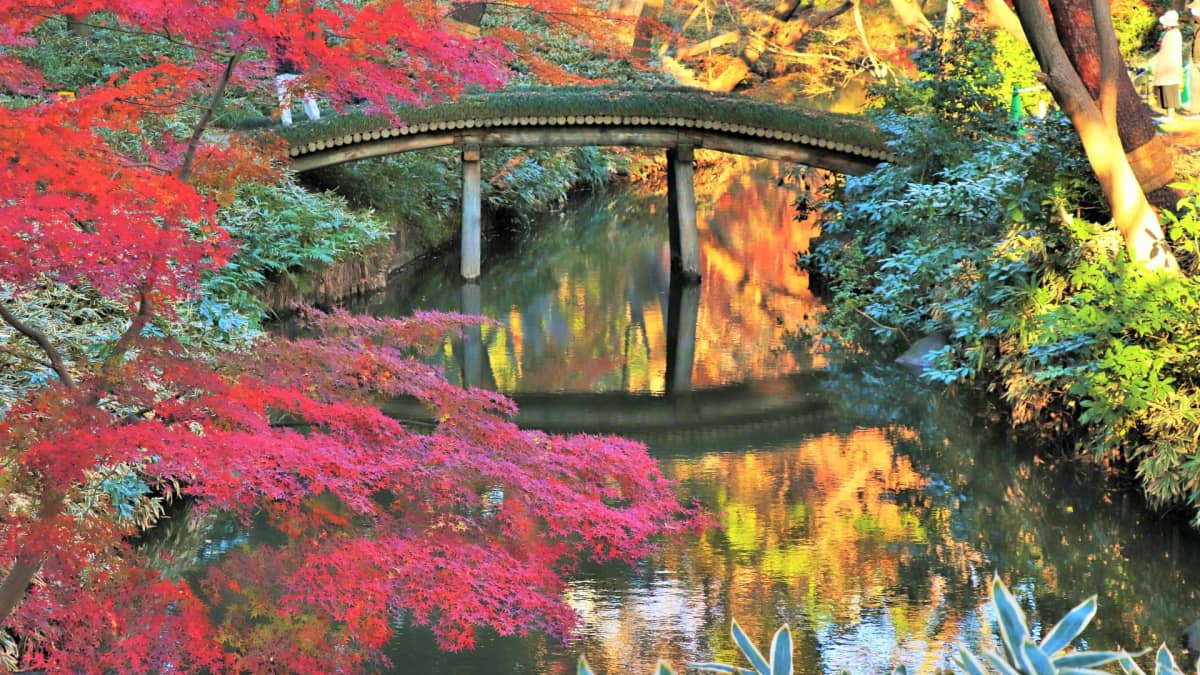
The garden is especially admired for its seasonal scenery throughout the year. Late winter brings plum blossoms, followed by cherry blossoms in spring and irises in early summer. Autumn transforms the landscape with warm shades of red, orange, and gold reflected in the ponds and streams, making it one of Tokyo’s most refined foliage spots. Visitors can cross the iconic Tsutenkyo Bridge, walk through quiet bamboo groves, and appreciate Edo-period garden artistry in the heart of Tokyo.

Comprehensive rating for Koishikawa Korakuen

Our lens score combines visitor ratings, review volume, photo evidence, and expert assessments across 8 key categories.


Experiential
62%
Heritage Value
70%
Learning
66%
Design/Arch.
66%
Nature/Outdoor
75%
Photogenic
64%
Budget Friendly
64%
Crowd Free
64%
Jindai Botanical Gardens
15
Kanto, Tokyo
Free Entry
8.0

Jindai Botanical Gardens

神代植物公園

Stroll through Tokyo’s most beautiful botanical collections

Location Page

Jindai Botanical Garden is Tokyo’s largest botanical garden and one of the city’s most rewarding places to experience plants across the seasons. Located in Chofu, the garden preserves a spacious, leafy atmosphere with collections arranged by plant type, allowing visitors to move between rose beds, plum groves, peony gardens, azalea slopes, aquatic plants, and native woodland areas. With more than 4,800 plant species and varieties, it offers a deeper botanical experience than a typical city park.


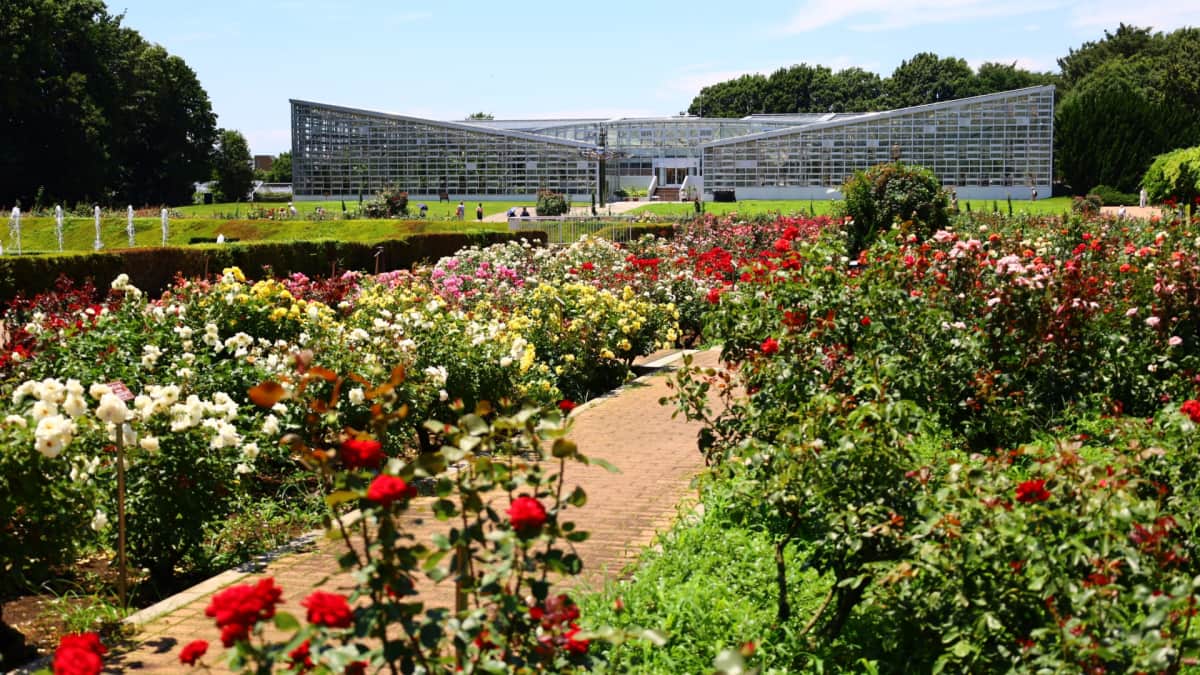
The garden is especially known for its rose garden, where hundreds of varieties bloom in spring and autumn around a formal European-style layout. Seasonal displays continue throughout the year, from camellias and plum blossoms in late winter to cherry blossoms, azaleas, dahlias, chrysanthemums, and colorful foliage. The large greenhouse [Dai Onshitsu, 大温室] adds another layer of interest, featuring tropical plants, orchids, begonias, water lilies, and other species that can be enjoyed even outside peak flower seasons. Combined with nearby Jindaiji Temple, the garden makes a peaceful half-day visit for travelers interested in flowers, photography, and Tokyo’s quieter western neighborhoods.

Comprehensive rating for Jindai Botanical Gardens

Our lens score combines visitor ratings, review volume, photo evidence, and expert assessments across 8 key categories.


Experiential
58%
Heritage Value
56%
Learning
64%
Design/Arch.
66%
Nature/Outdoor
70%
Photogenic
62%
Budget Friendly
70%
Crowd Free
58%

From the vibrant nemophila fields of Hitachi Seaside Park to the tranquil seasonal gardens hidden within Tokyo’s urban landscape, each destination offers a distinct perspective on Japan’s relationship with nature and the passing seasons. The experience changes dramatically throughout the year, rewarding visitors who return during different months to witness new colors, fragrances, and landscapes.


Whether planning a dedicated flower-viewing journey or simply adding a seasonal stop to a broader itinerary, these destinations provide some of the most memorable floral experiences accessible from Tokyo. Exploring them throughout the year offers not only beautiful scenery, but also a deeper appreciation of Japan’s enduring seasonal culture.