Cultural ExperiencesHistorical SitesScenic ViewpointsTemples/ShrinesNature/Parks

Revisiting CNN’s 31 Most Beautiful Places in Japan: A Modern Travel Guide

Thirty-one places that shaped Japan’s global image

L
LensTokyo
Revisiting CNN’s 31 Most Beautiful Places in Japan: A Modern Travel Guide

In 2015, CNN Travel published a list of Japan’s 31 most beautiful places, bringing international attention to a remarkable mix of temples, gardens, coastlines, flower fields, mountain scenery, and historic towns. Some were already world-famous, while others were quieter regional destinations that many overseas travelers were discovering for the first time.


More than a decade later, these places still offer a valuable lens into Japan’s diversity. This guide revisits the original list with updated travel context, practical visiting notes, and a closer look at what makes each location worth understanding today.

Zao Onsen Ski Resort
1
Yamagata
Free Entry
8.0

Zao Onsen Ski Resort

蔵王温泉スキー場

Ski through snow monsters, soak in sulfur hot springs

Location Page

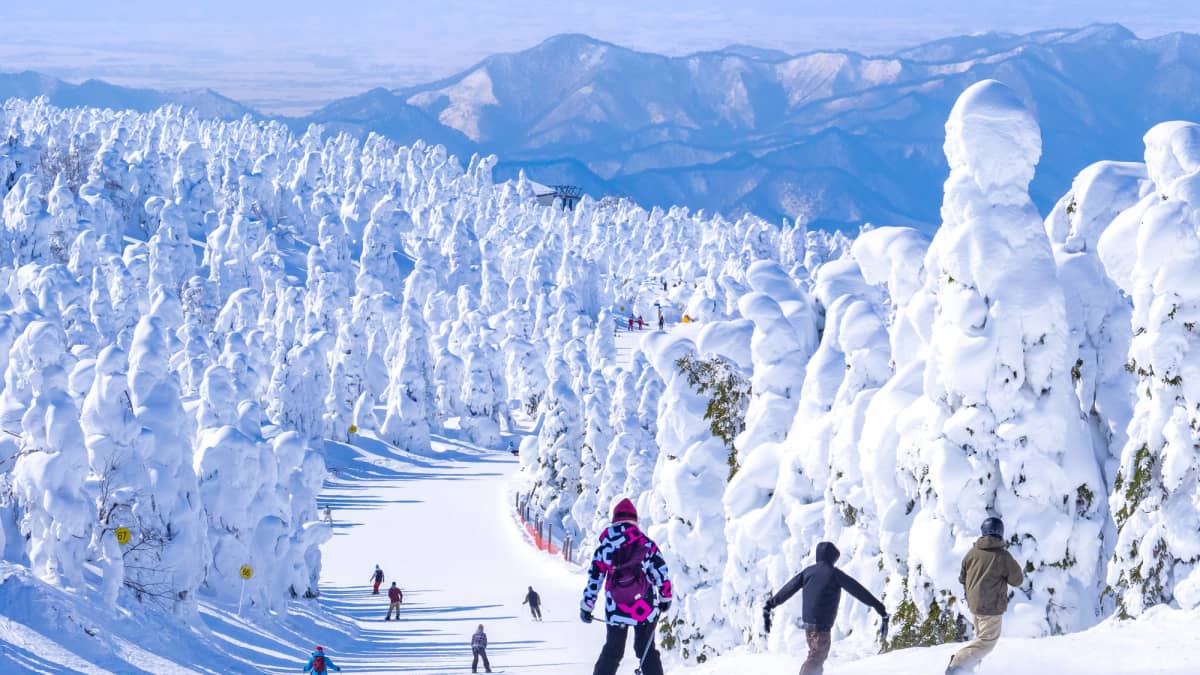
Located on the slopes of Mount Zao in Yamagata Prefecture, Zao Onsen Ski Resort is one of Japan’s largest and most distinctive winter destinations. Spread across multiple interconnected valleys and peaks, the resort offers extensive terrain suitable for beginners and experienced skiers alike, with numerous lifts, ropeways, and cable cars providing access to expansive runs and panoramic mountain views. Renowned for its light powder snow and long winter season, Zao has been attracting skiers and outdoor enthusiasts for over a century.


What sets Zao apart from other ski resorts is its famous juhyo [樹氷], commonly known as the “snow monsters.” These extraordinary ice-covered trees form when freezing winds and snow accumulate on the mountain’s forests, creating surreal, sculptural landscapes unique to a handful of locations in Japan. Visitors can admire the snow monsters from ski trails, observation areas, and illuminated evening tours during peak winter months. At the foot of the mountain lies the historic Zao Onsen hot spring town, where travelers can unwind in naturally sulfur-rich thermal baths after a day on the slopes, combining outdoor adventure with one of Japan’s most cherished traditions.

Comprehensive rating for Zao Onsen Ski Resort

Our lens score combines visitor ratings, review volume, photo evidence, and expert assessments across 8 key categories.


Experiential
72%
Heritage Value
55%
Learning
56%
Design/Arch.
48%
Nature/Outdoor
76%
Photogenic
65%
Budget Friendly
35%
Crowd Free
55%
Hitachi Seaside Park
2
Ibaraki
Free Entry
8.0

Hitachi Seaside Park

国営ひたち海浜公園

A sea of flowers beneath endless skies

Location Page

Spanning more than 350 hectares along the Pacific coast of Ibaraki Prefecture, Hitachi Seaside Park is one of Japan’s most celebrated seasonal flower destinations. The park is best known for Miharashi Hill, where millions of delicate blue nemophila flowers bloom each spring, transforming the hillside into a breathtaking sea of blue that appears to merge with the sky. In autumn, the same hill undergoes a dramatic transformation as thousands of kochia bushes turn brilliant shades of crimson, creating another of Japan’s most iconic seasonal landscapes.


Beyond its famous flower displays, the park offers a wide variety of outdoor experiences throughout the year. Visitors can explore extensive cycling routes, wooded walking trails, flower gardens, picnic areas, and open lawns spread across the expansive grounds. Families can enjoy the park’s Pleasure Garden amusement area, playgrounds, and seasonal events, while nature enthusiasts can appreciate the changing scenery as tulips, narcissus, cosmos, and other flowers bloom throughout the seasons. With its combination of spectacular landscapes, recreational facilities, and year-round accessibility, Hitachi Seaside Park remains one of Japan’s premier destinations for experiencing the beauty of the changing seasons.

Comprehensive rating for Hitachi Seaside Park

Our lens score combines visitor ratings, review volume, photo evidence, and expert assessments across 8 key categories.


Experiential
65%
Heritage Value
52%
Learning
54%
Design/Arch.
54%
Nature/Outdoor
75%
Photogenic
82%
Budget Friendly
66%
Crowd Free
48%
Ini Rice Terraces
3
Hiroshima
Free Entry
7.6

Ini Rice Terraces

井仁の棚田

Ancient terraces flowing through the mountain landscape

Location Page

Tucked into the mountain village of Akiōta in Hiroshima Prefecture, the Ini Rice Terraces preserve one of Japan’s most atmospheric rural landscapes. Recognized among the 100 Best Terraced Rice Fields in Japan, these carefully maintained paddies step down the hillside in graceful layers, supported by traditional stone walls and shaped by generations of local farming knowledge. Unlike ornamental gardens or scenic viewpoints created for tourism, Ini remains an active agricultural landscape, giving visitors a quiet glimpse into the rhythm of Japan’s countryside.


The terraces change beautifully with the seasons. In spring, water-filled paddies reflect the sky and surrounding mountains, while early summer brings fresh green rice shoots. By late summer and early autumn, the fields turn golden before harvest, creating one of the area’s most photogenic scenes. Walking paths and small observation points allow visitors to appreciate the landscape from different angles, though the atmosphere remains peaceful and local rather than commercial.


Reaching Ini is part of the experience, with access passing through a narrow mountain tunnel before opening into the secluded village scenery. Facilities are simple, including restrooms and a small café nearby, so the site is best approached as a slow countryside stop rather than a major tourist attraction. Its appeal lies in authentic rural beauty, shaped by everyday farming life.

Comprehensive rating for Ini Rice Terraces

Our lens score combines visitor ratings, review volume, photo evidence, and expert assessments across 8 key categories.


Experiential
56%
Heritage Value
75%
Learning
62%
Design/Arch.
60%
Nature/Outdoor
75%
Photogenic
64%
Budget Friendly
75%
Crowd Free
64%
Lake Toya
4
Hokkaido
Free Entry
8.2

Lake Toya

洞爺湖

Crystal-clear waters surrounded by volcanoes and hot springs

Location Page

Set within Shikotsu-Toya National Park in southwestern Hokkaido, Lake Toya is a scenic caldera lake shaped by volcanic activity. Known for its calm waters and wide mountain views, the lake is especially striking for the four small islands at its center, collectively called Nakajima. Sightseeing boats circle the lake and, in warmer months, allow visitors to land on the island area for short walks and nature viewing.


Along the southern shore, Toya Onsen offers lakeside hotels, public foot baths, and open-air hot springs with views across the water. Unlike many Hokkaido lakes, Lake Toya remains ice-free throughout winter, giving it a soft, open appearance even in the colder months. Visitors can enjoy walking paths, paddle boats, cycling routes, and views of nearby Mount Usu, an active volcano that adds to the area’s dramatic landscape. In season, nightly fireworks over the lake create one of Hokkaido’s most memorable evening scenes.

Comprehensive rating for Lake Toya

Our lens score combines visitor ratings, review volume, photo evidence, and expert assessments across 8 key categories.


Experiential
58%
Heritage Value
58%
Learning
55%
Design/Arch.
62%
Nature/Outdoor
75%
Photogenic
65%
Budget Friendly
75%
Crowd Free
62%
Nachi Waterfall
5
Wakayama
Free Entry
8.3

Nachi Waterfall

那智の滝

Japan’s most revered waterfall experience

Location Page

Plunging 133 meters down a sheer cliff face in Wakayama Prefecture, Nachi Waterfall is Japan’s tallest single-drop waterfall and one of the country’s most revered natural landmarks. For more than a thousand years, the waterfall has been worshipped as a sacred object at Hirotaki Shrine, where the cascading water itself is considered the deity rather than a shrine building. This profound connection between nature and spirituality has made Nachi Waterfall an important destination along the historic Kumano Kodo pilgrimage routes and a key component of the UNESCO World Heritage designation of the region.


Visitors approach the falls through forested pathways and stone steps, gradually revealing the dramatic white column of water as it crashes into the basin below. The experience is enhanced by the surrounding cedar forests, the sound of rushing water, and the spiritual atmosphere that has attracted pilgrims for centuries. Nearby, the vermilion structures of Kumano Nachi Taisha and the iconic three-story pagoda of Seiganto-ji Temple create one of Japan’s most celebrated landscapes. Combining natural grandeur, religious significance, and historical importance, Nachi Waterfall remains one of the country’s most extraordinary sacred sites.

Comprehensive rating for Nachi Waterfall

Our lens score combines visitor ratings, review volume, photo evidence, and expert assessments across 8 key categories.


Experiential
60%
Heritage Value
70%
Learning
56%
Design/Arch.
70%
Nature/Outdoor
65%
Photogenic
74%
Budget Friendly
72%
Crowd Free
58%
Adachi Museum of Art
6
Shimane
Free Entry
8.2

Adachi Museum of Art

足立美術館

Serene art and garden masterpiece

Location Page

Located in Yasugi, Shimane Prefecture, the Adachi Museum of Art is internationally celebrated for its extraordinary fusion of fine art and landscape design. Founded in 1970 by businessman and art collector Zenko Adachi, the museum houses an extensive collection of modern Japanese paintings, ceramics, and decorative arts, with works by renowned artists such as Yokoyama Taikan. However, the museum is perhaps even more famous for its meticulously maintained Japanese gardens, which have repeatedly been ranked among the finest in Japan.


The museum’s gardens are designed to be appreciated as living works of art, viewed from carefully framed perspectives throughout the galleries rather than entered directly. Landscapes of white gravel, sculpted pine trees, moss gardens, waterfalls, and seasonal foliage create a seamless dialogue between architecture, art, and nature. Throughout the year, the scenery transforms with fresh greenery, autumn colors, and winter snow, offering a different visual experience with each season. By combining world-class collections with masterfully curated landscapes, the Adachi Museum of Art presents a uniquely Japanese approach to artistic appreciation, where the boundary between indoor and outdoor art all but disappears.

Comprehensive rating for Adachi Museum of Art

Our lens score combines visitor ratings, review volume, photo evidence, and expert assessments across 8 key categories.


Experiential
68%
Heritage Value
60%
Learning
64%
Design/Arch.
72%
Nature/Outdoor
72%
Photogenic
72%
Budget Friendly
45%
Crowd Free
46%
Fuji Motosuko Resort
7
Yamanashi
Free Entry
7.3

Fuji Motosuko Resort

富士本栖湖リゾート

A vibrant sea of pink blooms under Mount Fuji’s gaze

Location Page

Located on the shores of Lake Motosu in Yamanashi Prefecture, Fuji Motosuko Resort is one of Japan’s most celebrated spring flower destinations. The resort is best known as the venue for the annual Fuji Shibazakura Festival, during which hundreds of thousands of vibrant moss phlox flowers blanket the grounds in shades of pink, purple, white, and magenta. Framed by the iconic silhouette of Mount Fuji, the colorful flower fields create one of the country’s most recognizable seasonal landscapes.


Visitors can explore walking paths that weave through the floral displays, stopping at designated viewpoints and photography spots designed to showcase the dramatic contrast between the flowers and Japan’s highest mountain. Beyond the famous shibazakura fields, the resort also features the charming Peter Rabbit English Garden, inspired by the world of Beatrix Potter and offering seasonal blooms, landscaped pathways, and themed exhibits. While CNN’s original 2015 list referred to the Fuji Shibazakura Festival, this guide focuses on Fuji Motosuko Resort, the permanent location where this iconic spring spectacle takes place and can be precisely experienced and mapped.

Comprehensive rating for Fuji Motosuko Resort

Our lens score combines visitor ratings, review volume, photo evidence, and expert assessments across 8 key categories.


Experiential
60%
Heritage Value
50%
Learning
35%
Design/Arch.
42%
Nature/Outdoor
72%
Photogenic
80%
Budget Friendly
65%
Crowd Free
44%
Kinkaku-ji Golden Pavilion
8
Kyoto
Free Entry
8.2

Kinkaku-ji Golden Pavilion

金閣寺

Kyoto’s most iconic golden masterpiece

Location Page

Known officially as Rokuon-ji Temple, Kinkaku-ji is one of Japan’s most famous cultural landmarks and a UNESCO World Heritage Site. Originally built in 1397 as the retirement villa of shogun Ashikaga Yoshimitsu, the structure was later converted into a Zen Buddhist temple. Its iconic three-story pavilion, covered in brilliant gold leaf, reflects elegantly in the surrounding Kyoko Pond, creating one of the most recognizable and photographed scenes in Japan.


Each floor of the Golden Pavilion represents a different architectural style, blending aristocratic, samurai, and Zen influences into a single harmonious structure. Visitors follow a landscaped walking path through carefully designed gardens that frame changing views of the pavilion, pond, and surrounding hills. The scenery transforms throughout the year, from fresh greenery and summer reflections to vibrant autumn foliage and occasional winter snow, when the golden structure appears especially striking. More than six centuries after its construction, Kinkaku-ji remains a powerful symbol of Kyoto’s cultural heritage and one of the finest expressions of Japanese garden and architectural design.

Comprehensive rating for Kinkaku-ji Golden Pavilion

Our lens score combines visitor ratings, review volume, photo evidence, and expert assessments across 8 key categories.


Experiential
65%
Heritage Value
78%
Learning
56%
Design/Arch.
72%
Nature/Outdoor
60%
Photogenic
62%
Budget Friendly
68%
Crowd Free
28%
Motsuji Temple
9
Iwate
Free Entry
8.0

Motsuji Temple

毛越寺

A timeless garden where paradise was imagined

Location Page

Located in the historic town of Hiraizumi in Iwate Prefecture, Motsu-ji Temple is one of Japan’s finest surviving examples of a Pure Land Buddhist landscape and forms part of the UNESCO World Heritage Site “Hiraizumi – Temples, Gardens and Archaeological Sites Representing the Buddhist Pure Land.” Originally established in 850 and greatly expanded during the 12th century by the powerful Northern Fujiwara clan, the temple was once a vast religious complex said to contain dozens of halls and pagodas. Although the original structures were lost to repeated fires, its extraordinary garden layout has survived for over 800 years.


At the heart of the temple grounds lies Oizumi Pond, a serene body of water surrounded by carefully arranged stones, small islands, and gently curving pathways designed to evoke the Buddhist paradise. Visitors can stroll around the pond while appreciating one of Japan’s most important examples of Jōdo (Pure Land) garden design, where architecture, landscape, and spiritual symbolism were intended to merge into a single harmonious experience. Seasonal changes dramatically transform the scenery, from cherry blossoms in spring and iris blooms in early summer to vivid autumn foliage reflected in the still waters.


CNN’s original 2015 list specifically highlighted Motsu-ji’s Osen-e ceremony, a traditional annual event held within the temple grounds. For this guide, however, we focus on Motsu-ji Temple itself, allowing visitors to experience the beauty and historical significance of this remarkable cultural landscape throughout the year.

Comprehensive rating for Motsuji Temple

Our lens score combines visitor ratings, review volume, photo evidence, and expert assessments across 8 key categories.


Experiential
60%
Heritage Value
75%
Learning
58%
Design/Arch.
70%
Nature/Outdoor
70%
Photogenic
68%
Budget Friendly
58%
Crowd Free
60%
Otaru Canal
10
Hokkaido
Free Entry
8.1

Otaru Canal

小樽運河

A romantic waterfront walk through history

Location Page

Stretching through the heart of Otaru, Otaru Canal stands as one of Hokkaido’s most recognizable historic landscapes. Completed in 1923, the 1,140-meter canal once served as a vital transportation hub, where small vessels transferred goods between larger ships anchored in Otaru Port and the city’s bustling warehouses. Today, the canal’s preserved stone and brick storehouses have been thoughtfully repurposed into restaurants, cafés, museums, and shops, creating a waterfront district that blends maritime history with modern tourism.


Visitors can stroll along the canal’s scenic promenade, where 63 traditional gas lamps illuminate the stone pathways and waterfront buildings after sunset, creating one of Japan’s most atmospheric urban landscapes. Throughout the year, the canal offers a different character with each season—from fresh greenery in spring and summer to autumn reflections and snow-covered winter scenes. Sightseeing canal cruises provide a unique perspective on Otaru’s historical port district, accompanied by commentary about the city’s development as one of northern Japan’s most important trading centers.


CNN’s original 2015 list highlighted the Otaru Snow Light Path Festival, a winter event famous for its candlelit displays along the canal. For this guide, we focus on Otaru Canal itself, the historic setting that serves as the centerpiece of the festival while remaining one of Hokkaido’s most beautiful destinations throughout the year.

Comprehensive rating for Otaru Canal

Our lens score combines visitor ratings, review volume, photo evidence, and expert assessments across 8 key categories.


Experiential
58%
Heritage Value
74%
Learning
52%
Design/Arch.
66%
Nature/Outdoor
70%
Photogenic
64%
Budget Friendly
75%
Crowd Free
50%
Usa Jingu Shrine
11
Oita
Free Entry
8.3

Usa Jingu Shrine

宇佐神宮

Japan’s most important Hachiman shrine sanctuary

Location Page

Nestled within a vast sacred forest in Oita Prefecture, Usa Jingu Shrine is one of Japan’s most important Shinto shrines and serves as the head shrine of more than 40,000 Hachiman shrines across the country. Established in the early 8th century, the shrine is dedicated to Hachiman, the deity associated with protection, agriculture, and martial virtue, and has played a significant role in Japanese religious and political history for over 1,300 years. The expansive grounds combine grand vermilion shrine architecture with tranquil woodland paths, creating an atmosphere that feels both ceremonial and deeply connected to nature.


Visitors approach the shrine through towering torii gates and shaded pathways lined with centuries-old trees before reaching the magnificent upper shrine complex. The shrine’s distinctive architectural style, known as Hachiman-zukuri, features paired structures connected beneath a shared roof and has influenced shrine construction throughout Japan. Unlike most shrines, worshippers at Usa Jingu follow a unique ritual of two bows, four claps, and one bow, a tradition preserved at only a handful of shrines nationwide. Beyond its architectural significance, the shrine grounds offer seasonal beauty throughout the year, from cherry blossoms in spring to vibrant autumn foliage, making Usa Jingu both a place of worship and one of Kyushu’s most historically important cultural landscapes.

Comprehensive rating for Usa Jingu Shrine

Our lens score combines visitor ratings, review volume, photo evidence, and expert assessments across 8 key categories.


Experiential
60%
Heritage Value
76%
Learning
62%
Design/Arch.
70%
Nature/Outdoor
68%
Photogenic
62%
Budget Friendly
75%
Crowd Free
54%
Mount Daisen
12
Tottori
Free Entry
8.1

Mount Daisen

Panoramic mountain views and timeless pilgrimage trails

Location Page

Rising to 1,729 meters in western Tottori Prefecture, Mount Daisen is the highest peak in the Chugoku region and one of Japan’s 100 Famous Mountains. Its dramatic volcanic ridgeline has long been revered as sacred, earning it the nickname “Hōki Fuji” for its elegant resemblance to Mount Fuji when viewed from certain angles. The mountain forms the heart of Daisen-Oki National Park, where alpine scenery, deep forests, and open views toward the Sea of Japan create one of western Japan’s most striking natural landscapes.


Daisen is especially known for its expansive beech forests, among the largest in western Japan, which transform beautifully through the seasons. Spring and summer bring fresh greenery and hiking routes to the summit, while autumn covers the slopes in warm foliage. In winter, the mountain becomes a popular snow destination, though climbing conditions are much more serious and require proper equipment and experience. The main summer trail is well maintained but still steep, making it rewarding for active travelers who want a full mountain experience.


At the mountain’s base stands Daisen-ji Temple, a historic Buddhist temple that reflects Daisen’s centuries-old role as a center of mountain worship. Together, the temple approach, forest trails, and panoramic summit views make Mount Daisen a destination where natural beauty and spiritual history are closely intertwined.

Comprehensive rating for Mount Daisen

Our lens score combines visitor ratings, review volume, photo evidence, and expert assessments across 8 key categories.


Experiential
72%
Heritage Value
62%
Learning
68%
Design/Arch.
32%
Nature/Outdoor
80%
Photogenic
65%
Budget Friendly
75%
Crowd Free
64%
Farm Tomita
13
Hokkaido
Free Entry
8.1

Farm Tomita

ファーム富田

A summer landscape painted in lavender and light

Location Page

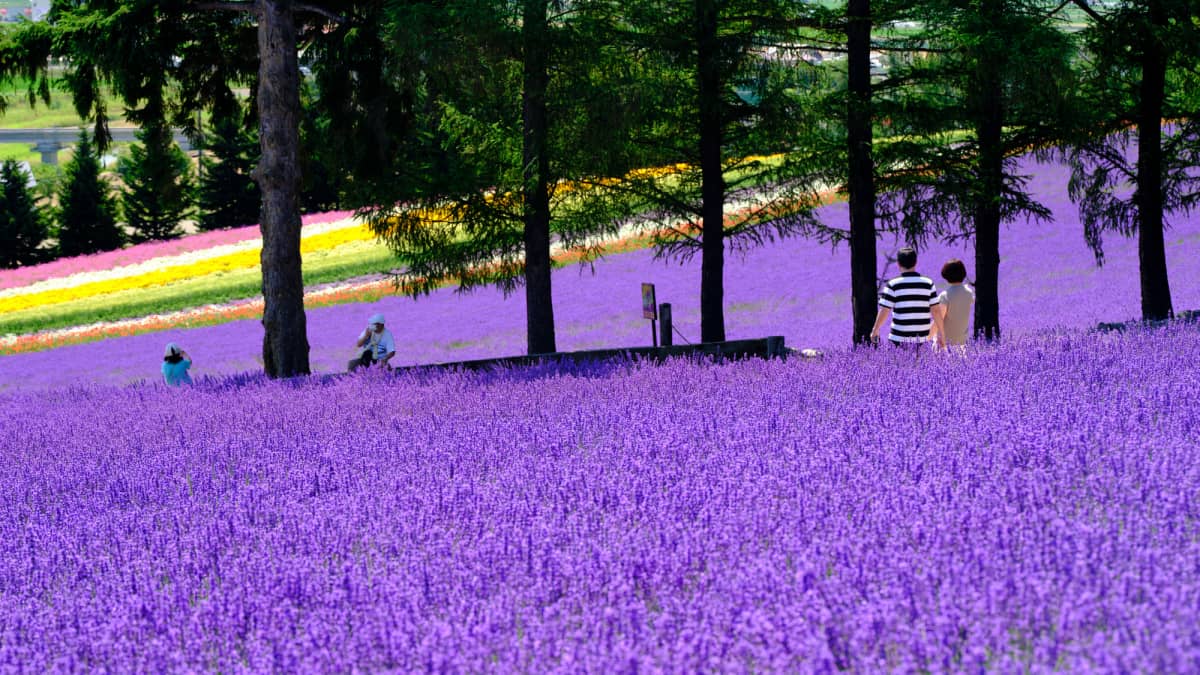
Set amid the rolling landscapes of central Hokkaido, Farm Tomita has become the country’s most iconic lavender destination and a symbol of Hokkaido’s summer scenery. Established in the early 20th century as a family farm, it gained international recognition for its spectacular lavender fields, which bloom across gently sloping hills against a backdrop of distant mountains. Today, visitors can explore a series of beautifully designed flower gardens featuring not only lavender, but also vibrant displays of poppies, salvias, marigolds, and seasonal blooms that transform the landscape throughout the warmer months.


The farm is particularly famous for its carefully cultivated lavender varieties, which bloom at slightly different times, extending the viewing season from late June through early August. Walking paths weave through colorful flower fields and scenic viewpoints, offering countless opportunities for photography and leisurely exploration. Beyond the gardens, visitors can sample the farm’s signature lavender soft serve ice cream, browse shops selling locally produced lavender products, and learn about the cultivation and history of Hokkaido’s most famous flower.


CNN’s original 2015 list referred broadly to the lavender fields of Furano. For this guide, we focus on Farm Tomita, the region’s most recognizable and influential lavender destination, which has helped define the image of summer in Hokkaido for travelers around the world.

Comprehensive rating for Farm Tomita

Our lens score combines visitor ratings, review volume, photo evidence, and expert assessments across 8 key categories.


Experiential
62%
Heritage Value
60%
Learning
58%
Design/Arch.
58%
Nature/Outdoor
72%
Photogenic
75%
Budget Friendly
72%
Crowd Free
50%
Saimyoji Temple
14
Shiga
Free Entry
8.1

Saimyoji Temple

西明寺

Autumn colors surrounding centuries of sacred history

Location Page

Nestled in the foothills of eastern Shiga Prefecture, Saimyo-ji Temple is one of the most important historic temples of the Tendai Buddhist tradition and a celebrated destination for seasonal scenery. Founded in 834 and later rebuilt during the Kamakura period, the temple forms part of the renowned Koto Sanzan, a group of three historic temples famous for their architecture and autumn foliage. Despite its tranquil setting, Saimyo-ji houses some of Japan’s finest examples of medieval wooden architecture, including a National Treasure-designated main hall and an elegant three-story pagoda, both constructed using traditional joinery techniques without the use of nails.


The temple grounds unfold across a wooded hillside, where ancient stone steps, moss-covered pathways, and historic buildings blend seamlessly into the surrounding landscape. Saimyo-ji is especially renowned for its extensive maple groves, with nearly a thousand trees transforming the temple into a vibrant display of red, orange, and gold during autumn. Equally remarkable is the temple’s Horai Garden, a traditional landscape garden featuring moss, carefully placed stones, and seasonal plantings that reflect centuries of Japanese aesthetic principles.


Beyond its famous autumn scenery, Saimyo-ji offers beauty throughout the year, including rare autumn-blooming cherry trees that flower intermittently from autumn through spring. The combination of national treasures, historic gardens, and seasonal landscapes makes Saimyo-ji one of the Kansai region’s most rewarding cultural and photographic destinations.

Comprehensive rating for Saimyoji Temple

Our lens score combines visitor ratings, review volume, photo evidence, and expert assessments across 8 key categories.


Experiential
58%
Heritage Value
72%
Learning
55%
Design/Arch.
70%
Nature/Outdoor
70%
Photogenic
70%
Budget Friendly
62%
Crowd Free
66%
Lake Kussharo
15
Hokkaido
Free Entry
7.7

Lake Kussharo

屈斜路湖

A wilderness lake shaped by fire and ice

Location Page

Surrounded by volcanic mountains in eastern Hokkaido, Lake Kussharo is Japan’s largest caldera lake, covering nearly 80 square kilometers within the vast Akan-Mashu National Park. Formed by volcanic activity thousands of years ago, the lake is renowned for its expansive natural scenery, geothermal activity, and seasonal wildlife. Its shoreline stretches through forests, hot spring areas, and quiet beaches, creating a landscape that feels remarkably untouched despite its accessibility.


One of Lake Kussharo’s most distinctive features is the presence of naturally heated geothermal springs along its shores. At locations such as Sunayu Beach, visitors can dig into the sand to create their own warm foot baths, an experience unique to this volcanic region. During winter, parts of the lake freeze over while thousands of migrating whooper swans arrive to spend the colder months on its unfrozen waters, creating one of Hokkaido’s most memorable seasonal spectacles. Nearby viewpoints, including Bihoro Pass, offer sweeping panoramic views of the lake, surrounding caldera walls, and the distant peaks of eastern Hokkaido.


The atmosphere at Lake Kussharo changes dramatically throughout the year, from fresh greenery in spring and summer recreation on the water to vibrant autumn foliage and snowy winter landscapes. Whether visited for its geological significance, abundant wildlife, or peaceful natural scenery, Lake Kussharo remains one of Japan’s most remarkable volcanic landscapes.

Comprehensive rating for Lake Kussharo

Our lens score combines visitor ratings, review volume, photo evidence, and expert assessments across 8 key categories.


Experiential
56%
Heritage Value
62%
Learning
58%
Design/Arch.
40%
Nature/Outdoor
72%
Photogenic
66%
Budget Friendly
75%
Crowd Free
68%
Oide Park
16
Nagano
Free Entry
7.7

Oide Park

大出公園

A postcard view of rural alpine Japan

Location Page

Set beside the Himekawa River in Nagano Prefecture, Oide Park offers one of Hakuba’s most recognizable mountain views. From the riverside, visitors can see the traditional Oide Suspension Bridge framed by the Hakuba Three Peaks and the dramatic ridgeline of the Northern Alps, creating a classic landscape of flowing water, village scenery, and snow-capped mountains. The view is especially striking in spring, when cherry blossoms bloom along the river, and in autumn, when the surrounding trees add warm color to the alpine backdrop.


The park is small but rewarding, with walking paths, a short uphill trail to an observation deck, a playground, public restrooms, and free parking. The elevated viewpoint provides a wider perspective over the village and mountains, while the riverside area is better for relaxed strolling and photography. Clear weather is important here, as clouds can quickly hide the peaks.


CNN’s original 2015 list referred broadly to Hakuba Village. For this guide, we focus on Oide Park, a specific and easily mapped location that captures Hakuba’s mountain scenery in one of its most accessible forms.

Comprehensive rating for Oide Park

Our lens score combines visitor ratings, review volume, photo evidence, and expert assessments across 8 key categories.


Experiential
55%
Heritage Value
52%
Learning
52%
Design/Arch.
50%
Nature/Outdoor
75%
Photogenic
68%
Budget Friendly
75%
Crowd Free
65%
Kawachi Fujien Wisteria Garden
17
Fukuoka
Free Entry
7.7

Kawachi Fujien Wisteria Garden

河内藤園

A fragrant tunnel of wisteria blooms

Location Page

Nestled in the hills of Kitakyushu, Kawachi Wisteria Garden is one of Japan’s most celebrated spring flower destinations, renowned for its extraordinary tunnels and domes of cascading wisteria. Established by founder Jihei Higuchi over several decades, the private garden features more than 20 varieties of wisteria, some of which are estimated to be over a century old. During the peak blooming season, these mature vines transform the landscape into a spectacular display of purple, pink, white, and pale blue blossoms.


The garden’s most famous attraction is its pair of wisteria tunnels, where thousands of hanging flowers create immersive corridors of color and fragrance. Visitors can also explore elevated pathways leading to panoramic viewpoints overlooking the surrounding mountains and the garden’s famous wisteria dome. The blooms change noticeably throughout the flowering season, creating a different atmosphere from late April through early May depending on the variety and weather conditions.


Unlike many public parks, Kawachi Wisteria Garden opens primarily during the spring flowering period and the autumn foliage season, helping preserve the tranquil atmosphere and protect the delicate plants. Its combination of mature wisteria, carefully designed pathways, and seasonal exclusivity has made it one of Japan’s most iconic floral landscapes and a destination sought out by photographers and nature lovers from around the world.

Comprehensive rating for Kawachi Fujien Wisteria Garden

Our lens score combines visitor ratings, review volume, photo evidence, and expert assessments across 8 key categories.


Experiential
65%
Heritage Value
52%
Learning
56%
Design/Arch.
54%
Nature/Outdoor
75%
Photogenic
72%
Budget Friendly
58%
Crowd Free
32%
Happo Pond
18
Nagano
Free Entry
8.3

Happo Pond

八方池

A mountain pond framed by towering peaks

Location Page

Perched at an elevation of approximately 2,060 meters in the Northern Japanese Alps, Happo Pond is one of Japan’s most celebrated alpine landscapes. Located along the hiking route toward Mount Karamatsu in Hakuba, Nagano Prefecture, the pond is famous for its remarkably clear waters, which can reflect the dramatic peaks of the Hakuba mountain range with near-perfect symmetry on calm days. This striking combination of alpine scenery and mirror-like reflections has made Happo Pond a favorite destination for hikers, photographers, and nature enthusiasts.


The journey to the pond begins with a series of gondolas and chairlifts ascending from the Hakuba Happo-One ski area, followed by a scenic hike through alpine terrain. The trail combines well-maintained boardwalks, stone paths, and mountain trails, with the walk to the pond typically taking between 40 and 90 minutes depending on pace and route conditions. Along the way, visitors are treated to sweeping views of the Northern Alps, seasonal alpine flowers, and, on clear days, some of Japan’s most dramatic mountain panoramas.


Happo Pond transforms throughout the year, from vibrant greenery and wildflowers in summer to brilliant autumn colors in early fall. While the reflections are never guaranteed and depend heavily on weather and wind conditions, the surrounding alpine landscape alone makes the journey worthwhile, offering one of the most iconic mountain experiences in Japan.

Comprehensive rating for Happo Pond

Our lens score combines visitor ratings, review volume, photo evidence, and expert assessments across 8 key categories.


Experiential
75%
Heritage Value
65%
Learning
65%
Design/Arch.
40%
Nature/Outdoor
80%
Photogenic
75%
Budget Friendly
60%
Crowd Free
50%
Motonosumi Shrine
19
Yamaguchi
Free Entry
7.8

Motonosumi Shrine

元乃隅神社

Cliffside red gates against blue waves

Location Page

Perched atop the rugged cliffs of Yamaguchi Prefecture’s Sea of Japan coastline, Motonosumi Shrine is one of Japan’s most visually striking sacred sites. Founded in 1955 following a divine message received by a local fisherman, the shrine is dedicated to deities associated with prosperity, good fortune, business success, and safe travel. Its dramatic setting, where vibrant vermilion shrine gates meet the deep blue waters of the Sea of Japan, has transformed Motonosumi into one of the country’s most recognizable modern landscapes.


The shrine is best known for its 123 vermilion torii gates, which stretch for over 100 meters along a winding path descending toward the coast. The contrast between the bright red gates, rugged cliffs, and crashing waves creates a scene that changes dramatically with the weather and seasons. Visitors can walk through the entire tunnel of torii while enjoying panoramic ocean views and observing the powerful sea below, particularly during periods of rough weather when waves crash against the rocky shoreline.


Beyond its scenic beauty, Motonosumi Shrine retains a playful local tradition: visitors can attempt to toss a coin into the offering box perched nearly six meters above the ground atop the main torii gate, a challenge said to bring good fortune if successful. Although the shrine itself is relatively modern compared to many of Japan’s ancient religious sites, its extraordinary combination of landscape, architecture, and spiritual symbolism has made it one of the country’s most iconic destinations.

Comprehensive rating for Motonosumi Shrine

Our lens score combines visitor ratings, review volume, photo evidence, and expert assessments across 8 key categories.


Experiential
58%
Heritage Value
48%
Learning
50%
Design/Arch.
56%
Nature/Outdoor
65%
Photogenic
82%
Budget Friendly
75%
Crowd Free
42%
Ainokura Village
20
Toyama
Free Entry
8.2

Ainokura Village

相倉合掌造り集落

Peaceful heritage surrounded by forests and mountains

Location Page

Hidden deep within the mountains of Toyama Prefecture, Ainokura Village is one of Japan’s best-preserved traditional settlements and a designated UNESCO World Heritage Site. The village is home to around twenty gassho-zukuri farmhouses, recognizable by their steeply pitched thatched roofs designed to withstand the region’s heavy snowfall. Unlike some of Japan’s more heavily visited heritage destinations, Ainokura retains a quiet, lived-in atmosphere, with many residents continuing to maintain traditional homes and local customs.


Visitors can explore the compact village on foot, wandering among centuries-old houses framed by forested mountains and rice fields. Several buildings are open to the public, offering insight into the architecture, daily life, and craftsmanship of rural Japan, while workshops provide opportunities to experience traditional washi papermaking. A short walk uphill leads to an observation deck overlooking the entire settlement, revealing why this landscape has been admired for generations. CNN’s original 2015 list referred to the broader Gokayama region; for this guide, we focus on Ainokura Village, one of its most beautiful and accessible historic communities.

Comprehensive rating for Ainokura Village

Our lens score combines visitor ratings, review volume, photo evidence, and expert assessments across 8 key categories.


Experiential
66%
Heritage Value
76%
Learning
70%
Design/Arch.
74%
Nature/Outdoor
68%
Photogenic
58%
Budget Friendly
65%
Crowd Free
58%
Matsumoto Castle
21
Nagano
Free Entry
8.2

Matsumoto Castle

松本城

Black walls, quiet moats, unforgettable mountain views

Location Page

Rising above the city of Matsumoto against the backdrop of the Northern Japanese Alps, Matsumoto Castle is one of Japan’s most important surviving feudal castles and a designated National Treasure. Originally constructed in its current form during the late 16th century, it is one of only a handful of castles in Japan to retain its original wooden keep. The castle is instantly recognizable by its striking black exterior walls, which earned it the nickname “Crow Castle”, creating a dramatic contrast with the surrounding mountains and seasonal landscapes.


The six-story main keep showcases the sophisticated defensive architecture of Japan’s Warring States period, featuring steep wooden staircases, narrow passageways, hidden defensive positions, and openings designed for archers and firearms. Inside, visitors can explore exhibits of historical weapons, armor, and matchlock guns while climbing through the remarkably preserved wooden interior. Outside, the castle’s moat reflects the elegant silhouette of the keep, with cherry blossoms in spring and snow-covered mountains in winter providing some of Japan’s most iconic castle scenery. As both a military fortress and a masterpiece of traditional architecture, Matsumoto Castle offers one of the country’s most authentic connections to Japan’s feudal past.

Comprehensive rating for Matsumoto Castle

Our lens score combines visitor ratings, review volume, photo evidence, and expert assessments across 8 key categories.


Experiential
62%
Heritage Value
75%
Learning
66%
Design/Arch.
66%
Nature/Outdoor
65%
Photogenic
70%
Budget Friendly
65%
Crowd Free
54%
Shiratani Unsuikyo Gorge
22
Kagoshima
Free Entry
8.4

Shiratani Unsuikyo Gorge

白谷雲水峡

A mystical cedar forest that inspired fantasy worlds

Location Page

Nestled within the ancient forests of Yakushima Island, Shiratani Unsuikyo is one of Japan’s most enchanting natural landscapes. This lush mountain gorge is renowned for its moss-covered forests, crystal-clear streams, and towering Yakusugi cedar trees, some of which are thousands of years old. The area’s mystical atmosphere, created by dense vegetation, filtered sunlight, and carpets of emerald moss, gained international recognition after inspiring the visual world of Studio Ghibli’s Princess Mononoke.


Visitors can explore a network of well-maintained hiking trails ranging from relatively short walks to more demanding treks. The most famous route leads through the celebrated Moss Forest, where ancient trees and thick layers of moss create an almost otherworldly landscape. More experienced hikers can continue to Taiko-iwa Rock, a dramatic viewpoint offering sweeping panoramas of Yakushima’s mountainous interior and surrounding forests. While the trails are accessible to many visitors, the terrain can be steep, wet, and uneven, making proper footwear and preparation essential. Shiratani Unsuikyo remains one of Japan’s most extraordinary places to experience the raw beauty and ancient character of its natural environment.

Comprehensive rating for Shiratani Unsuikyo Gorge

Our lens score combines visitor ratings, review volume, photo evidence, and expert assessments across 8 key categories.


Experiential
72%
Heritage Value
65%
Learning
68%
Design/Arch.
40%
Nature/Outdoor
76%
Photogenic
64%
Budget Friendly
75%
Crowd Free
70%
Itsukushima Shrine
23
Hiroshima
Free Entry
8.4

Itsukushima Shrine

嚴島神社

Where Japan’s most famous torii meets the sea

Location Page

Located on the sacred island of Miyajima in Hiroshima Prefecture, Itsukushima Shrine is one of Japan’s most iconic cultural landmarks and a UNESCO World Heritage Site. Originally established in the 6th century and expanded into its present form during the 12th century, the shrine is dedicated to the three Munakata goddesses, deities associated with the sea, travel, and safe passage. Its extraordinary location, built over the tidal flats of the Seto Inland Sea, has captivated visitors for centuries and remains one of the most recognizable landscapes in Japan.


The shrine is best known for its magnificent vermilion torii gate, which appears to float on the water during high tide, creating one of Japan’s most celebrated views. Constructed in the elegant Shinden-zukuri architectural style, the shrine’s interconnected corridors, pavilions, and stages are elevated above the sea, allowing the surrounding landscape to become part of the sacred experience. The scenery changes dramatically with the tides: at high tide, the buildings and torii seem to rise directly from the water, while at low tide, visitors can walk across the exposed seabed to stand beneath the towering gate. Combined with the forested slopes of Mount Misen in the background, Itsukushima Shrine offers a rare harmony of architecture, spirituality, and natural beauty.

Comprehensive rating for Itsukushima Shrine

Our lens score combines visitor ratings, review volume, photo evidence, and expert assessments across 8 key categories.


Experiential
64%
Heritage Value
76%
Learning
68%
Design/Arch.
72%
Nature/Outdoor
68%
Photogenic
70%
Budget Friendly
62%
Crowd Free
52%
Arashiyama Bamboo Forest
24
Kyoto
Free Entry
7.9

Arashiyama Bamboo Forest

嵐山竹林の小径

Whispering green towers in early light

Location Page

Located in Kyoto’s western district of Arashiyama, the Arashiyama Bamboo Forest is one of Japan’s most recognizable and photographed landscapes. The famous pathway winds through a dense grove of towering bamboo stalks that sway gently in the wind, creating a distinctive atmosphere of light, sound, and movement. For centuries, the Arashiyama area has been celebrated for its natural beauty, attracting poets, artists, and travelers seeking a peaceful retreat on the outskirts of Kyoto.


Visitors can stroll along the bamboo-lined paths connecting Tenryu-ji Temple with the scenic districts surrounding the Oi River and Arashiyama’s forested hills. While the grove itself is relatively compact, its unique ambiance makes it one of Kyoto’s most memorable experiences, particularly during the quieter hours of early morning or evening. Beyond the bamboo forest, the surrounding area offers historic temples, traditional streets, river views, and seasonal scenery throughout the year.


CNN’s original 2015 list referred to the broader Sagano area. For this guide, we focus on the Arashiyama Bamboo Forest, the region’s most iconic and easily identifiable landmark, which has become one of the defining images of Japan for travelers around the world.

Comprehensive rating for Arashiyama Bamboo Forest

Our lens score combines visitor ratings, review volume, photo evidence, and expert assessments across 8 key categories.


Experiential
56%
Heritage Value
70%
Learning
54%
Design/Arch.
55%
Nature/Outdoor
75%
Photogenic
74%
Budget Friendly
75%
Crowd Free
28%
Tottori Sand Dunes
25
Tottori
Free Entry
8.0

Tottori Sand Dunes

鳥取砂丘

Japan’s surreal desert by the Sea of Japan

Location Page

Stretching along the Sea of Japan coast in Tottori Prefecture, the Tottori Sand Dunes form Japan’s largest and most famous dune landscape. Shaped over thousands of years by sediment carried from the Chugoku Mountains and sculpted by coastal winds and waves, the dunes extend for approximately 16 kilometers along the shoreline and rise to heights of nearly 50 meters. The result is a dramatic landscape that feels unlike anywhere else in Japan, where rolling sand formations meet the deep blue waters of the Sea of Japan.


Visitors can freely explore the ever-changing terrain, climbing steep sand ridges, traversing wind-carved valleys, and taking in panoramic coastal views. One of the most popular viewpoints is the “Horse’s Back”, a towering ridge that offers spectacular vistas of both the dunes and the ocean beyond. Seasonal changes and weather conditions continually reshape the landscape, occasionally creating temporary oases after periods of rainfall. In addition to walking and photography, visitors can experience activities such as camel rides and sandboarding, making the dunes both a geological wonder and an active outdoor destination. Their unique combination of desert-like scenery and coastal beauty has made the Tottori Sand Dunes one of Japan’s most iconic natural landscapes.

Comprehensive rating for Tottori Sand Dunes

Our lens score combines visitor ratings, review volume, photo evidence, and expert assessments across 8 key categories.


Experiential
68%
Heritage Value
56%
Learning
55%
Design/Arch.
52%
Nature/Outdoor
76%
Photogenic
65%
Budget Friendly
75%
Crowd Free
55%
Himeji Castle
26
Hyogo
Free Entry
8.4

Himeji Castle

姫路城

Japan’s most elegant castle rising above the city

Location Page

Rising above the city of Himeji in Hyogo Prefecture, Himeji Castle is widely regarded as Japan’s finest surviving feudal castle and one of the country’s greatest architectural treasures. Designated as both a National Treasure and a UNESCO World Heritage Site, the castle has remained remarkably intact since its completion in the early 17th century. Its elegant white plaster exterior earned it the nickname “White Heron Castle”, as its layered roofs and sweeping lines resemble a bird taking flight.


At the heart of the complex stands the imposing six-story main keep, surrounded by an intricate network of gates, walls, moats, and defensive pathways designed to confuse and delay attackers. Visitors can explore the castle’s original wooden interior, climbing steep staircases through rooms that once served military and administrative functions. From the upper floors, panoramic views extend across Himeji and the surrounding landscape. Outside, the expansive castle grounds and surrounding gardens offer beautiful scenery throughout the year, particularly during cherry blossom season, when hundreds of sakura trees frame one of Japan’s most iconic historic landmarks. Combining military ingenuity, architectural beauty, and exceptional preservation, Himeji Castle provides an unparalleled glimpse into Japan’s feudal past.

Comprehensive rating for Himeji Castle

Our lens score combines visitor ratings, review volume, photo evidence, and expert assessments across 8 key categories.


Experiential
66%
Heritage Value
78%
Learning
70%
Design/Arch.
75%
Nature/Outdoor
68%
Photogenic
70%
Budget Friendly
55%
Crowd Free
44%
Jigokudani Monkey Park
27
Nagano
Free Entry
8.0

Jigokudani Monkey Park

地獄谷野猿公苑

Where wild monkeys and mountain hot springs meet

Location Page

Nestled in the mountains of Nagano Prefecture, Jigokudani Monkey Park offers one of the world’s most unique wildlife experiences. The park is home to a troop of wild Japanese macaques, commonly known as snow monkeys, which roam freely through the surrounding forests and hot spring areas. Established in 1964 to protect and study these animals in their natural environment, the park has become internationally famous for the remarkable sight of monkeys bathing in naturally heated hot springs during the winter months.


Reaching the park requires a scenic 1.6-kilometer walk through cedar and deciduous forests, adding to the sense of entering a remote mountain sanctuary. Unlike traditional zoos, there are no cages or enclosures separating visitors from the macaques, allowing for close observation of their natural behaviors, social interactions, and seasonal activities. While the iconic hot spring bathing scenes are most common during snowy winter conditions, the monkeys can be visited throughout the year, with each season offering a different perspective on their mountain habitat. Surrounded by steaming geothermal vents and forested landscapes, Jigokudani provides a rare opportunity to experience Japan’s wildlife in a setting that feels both wild and deeply connected to the region’s volcanic environment.

Comprehensive rating for Jigokudani Monkey Park

Our lens score combines visitor ratings, review volume, photo evidence, and expert assessments across 8 key categories.


Experiential
70%
Heritage Value
56%
Learning
60%
Design/Arch.
40%
Nature/Outdoor
75%
Photogenic
62%
Budget Friendly
65%
Crowd Free
40%
Sotomo Caves and Cliffs
28
Fukui
Free Entry
7.5

Sotomo Caves and Cliffs

蘇洞門

Dramatic sea cliffs shaped by centuries of waves

Location Page

Carved into the rugged coastline of Obama, Fukui Prefecture, Sotomo Caves and Cliffs form one of the Sea of Japan’s most dramatic coastal landscapes. Stretching for roughly six kilometers, the area features towering cliffs, wave-eroded rock formations, sea caves, and natural stone gates shaped over centuries by wind and water. Highlights include the impressive Daimon and Komon gates, as well as Fubuki Falls, where water drops directly toward the rocky shoreline.


The most common way to experience Sotomo is by sightseeing boat from Wakasa Fisherman’s Wharf, with cruises offering close views of the cliffs and caves from the water. On calm days, some tours may allow passengers to disembark briefly near the caves, though schedules depend heavily on sea conditions. A more demanding hiking route from the Angel Line area also provides land access to parts of the coast, but the boat remains the most practical and scenic option for most visitors. With its mixture of geology, ocean scenery, and remote coastal atmosphere, Sotomo offers a striking contrast to Japan’s temple and garden landscapes.

Comprehensive rating for Sotomo Caves and Cliffs

Our lens score combines visitor ratings, review volume, photo evidence, and expert assessments across 8 key categories.


Experiential
68%
Heritage Value
60%
Learning
64%
Design/Arch.
46%
Nature/Outdoor
76%
Photogenic
64%
Budget Friendly
61%
Crowd Free
72%
Sengan-en Garden
29
Kagoshima
Free Entry
8.1

Sengan-en Garden

仙巌園

Where volcano views meet samurai history

Location Page

Established in 1658 by the powerful Shimazu clan, Sengan-en Garden is one of Japan’s finest examples of a daimyo garden and a designated UNESCO World Heritage Site. Located on the shores of Kagoshima Bay, the garden was originally built as a villa and retreat for the rulers of the Satsuma domain. Its most distinctive feature is its masterful use of borrowed scenery, incorporating the dramatic silhouette of Sakurajima volcano and the waters of Kinko Bay into the garden’s overall design.


The expansive grounds combine traditional Japanese landscaping with historical architecture, winding pathways, ponds, shrines, and carefully framed viewpoints. Visitors can explore the preserved Iso Residence, once home to the Shimazu family, and learn about the clan’s influential role in Japan’s modernization at the nearby Shoko Shuseikan Museum. Beyond its historical significance, Sengan-en offers a variety of cultural experiences, including traditional crafts, local cuisine, and Japanese archery activities. With its remarkable fusion of natural scenery, history, and cultural heritage, Sengan-en remains one of southern Japan’s most impressive historical landscapes.

Comprehensive rating for Sengan-en Garden

Our lens score combines visitor ratings, review volume, photo evidence, and expert assessments across 8 key categories.


Experiential
62%
Heritage Value
70%
Learning
65%
Design/Arch.
68%
Nature/Outdoor
65%
Photogenic
66%
Budget Friendly
55%
Crowd Free
65%
Beppu Ropeway
30
Oita
Free Entry
7.9

Beppu Ropeway

別府ロープウェイ

Panoramic vistas above Kyushu’s steaming landscape

Location Page

Rising above the famous hot spring city of Beppu, the Beppu Ropeway provides one of Kyushu’s most spectacular aerial journeys. The ropeway transports visitors approximately 1,100 meters up the slopes of Mount Tsurumi in around ten minutes, revealing increasingly expansive views over Beppu city, Beppu Bay, and the mountains of eastern Kyushu. Since opening in 1962, it has remained one of the region’s most popular scenic attractions, offering easy access to alpine landscapes without the need for strenuous hiking.


At the summit station, visitors can explore a network of walking trails and observation areas that showcase dramatically different scenery throughout the year. Spring brings blooming azaleas, summer offers cool mountain air and panoramic views, autumn colors blanket the surrounding forests, and winter occasionally transforms the summit into a snowy landscape. The temperature at the top is typically several degrees cooler than in the city below, creating a refreshing contrast during warmer months. With its accessible facilities, scenic viewpoints, and year-round natural beauty, the Beppu Ropeway offers one of Japan’s most rewarding mountain experiences for visitors of all ages.

Comprehensive rating for Beppu Ropeway

Our lens score combines visitor ratings, review volume, photo evidence, and expert assessments across 8 key categories.


Experiential
72%
Heritage Value
55%
Learning
65%
Design/Arch.
50%
Nature/Outdoor
72%
Photogenic
66%
Budget Friendly
54%
Crowd Free
55%
Kouya Pond
31
Niigata
Free Entry
6.8

Kouya Pond

高谷池

Reflections of alpine peaks in quiet wetlands

Location Page

High in the mountains of Niigata Prefecture within Myoko-Togakushi Renzan National Park, Kouya Pond is one of Japan’s most beautiful alpine wetlands and a treasured destination for mountain hikers. Situated at an elevation of around 2,100 meters, the pond is surrounded by expansive marshlands, alpine vegetation, and the dramatic peaks of the Kubiki mountain range. Its tranquil waters reflect the surrounding landscape, creating a scene that changes dramatically with the seasons and weather conditions.


Kouya Pond is reached via mountain hiking trails that traverse ridgelines, wetlands, and forests, making the journey itself an integral part of the experience. During summer, the area is renowned for its colorful alpine wildflowers, while autumn transforms the marshes and mountain slopes into a spectacular mosaic of red, orange, and gold foliage. Wooden boardwalks protect the fragile wetland ecosystem and allow visitors to appreciate the area’s unique alpine environment while minimizing their impact on the landscape. Although less internationally known than many of Japan’s famous scenic destinations, Kouya Pond offers a remarkable combination of mountain scenery, seasonal beauty, and wilderness that exemplifies the country’s alpine landscapes at their finest.

Comprehensive rating for Kouya Pond

Our lens score combines visitor ratings, review volume, photo evidence, and expert assessments across 8 key categories.


Experiential
70%
Heritage Value
50%
Learning
58%
Design/Arch.
52%
Nature/Outdoor
75%
Photogenic
72%
Budget Friendly
68%
Crowd Free
68%

CNN’s 2015 list remains interesting not only because of the places it chose, but because it captured a particular moment in how Japan was being seen by the world. From sacred waterfalls and castle towns to seasonal gardens and remote islands, the selection shows how varied Japan’s beauty can be.


For travelers today, these 31 destinations are less a checklist and more an invitation to explore Japan with curiosity. Some are easy to add to a first-time itinerary, while others reward slower travel, careful timing, and a deeper appreciation for the landscapes and traditions around them.